

Search
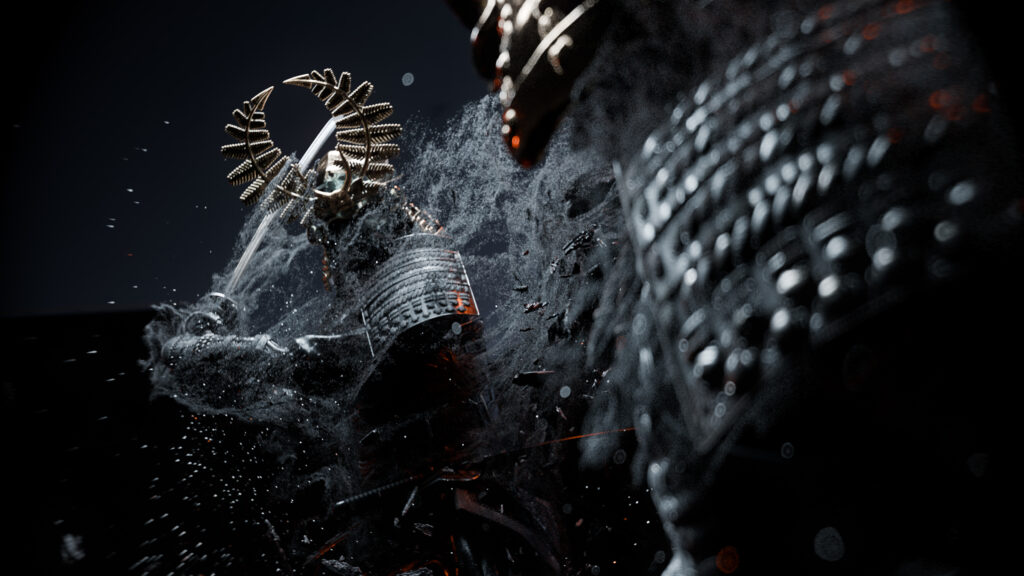
Roger Dubuis explores a unifying and symbolic moment in 17th century Japan representing the cultural symbols of that time: Edo Castle and twelve samurai commanders, depicted by their Kabuto (helmet) and Kamon (crest).

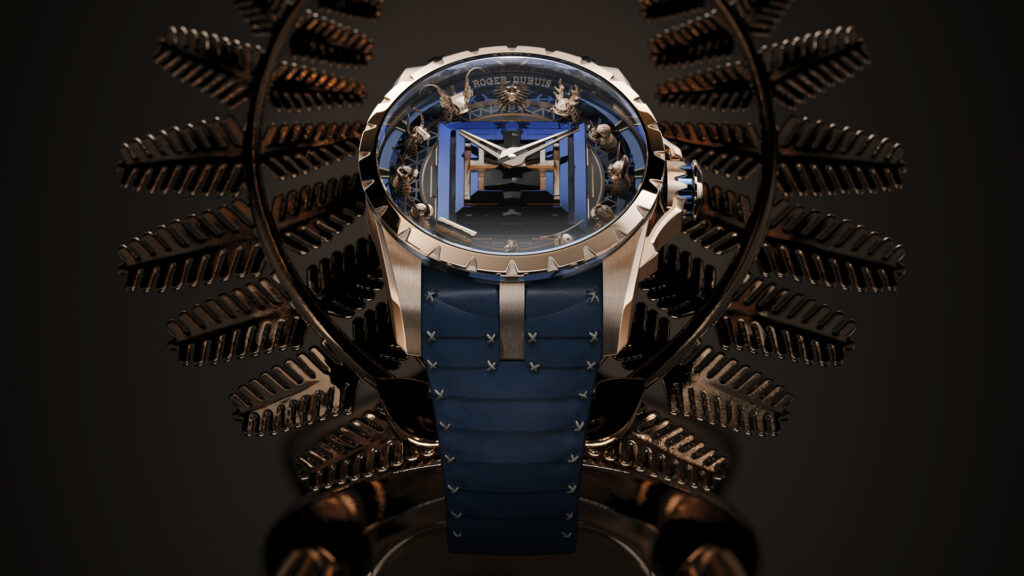
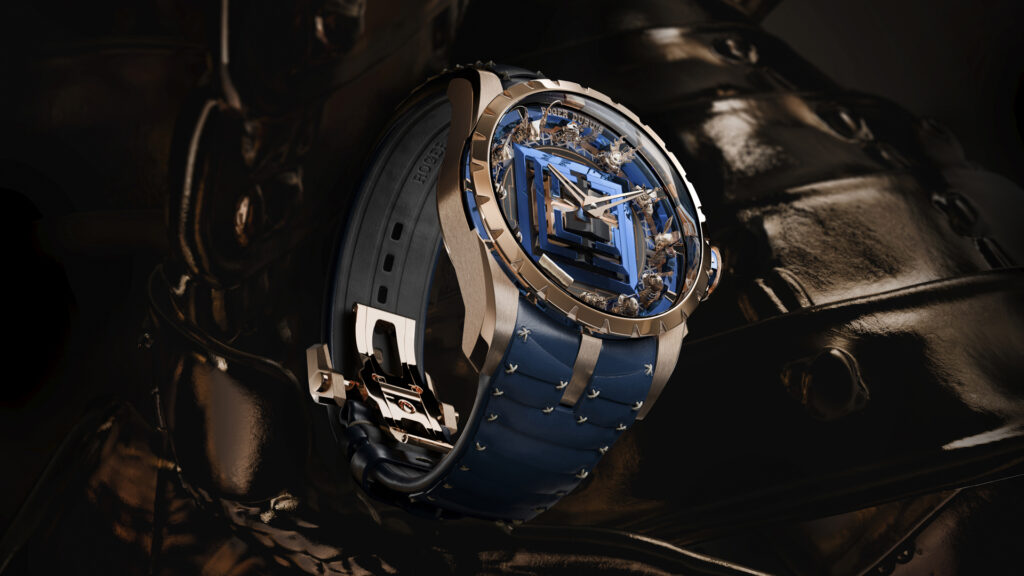
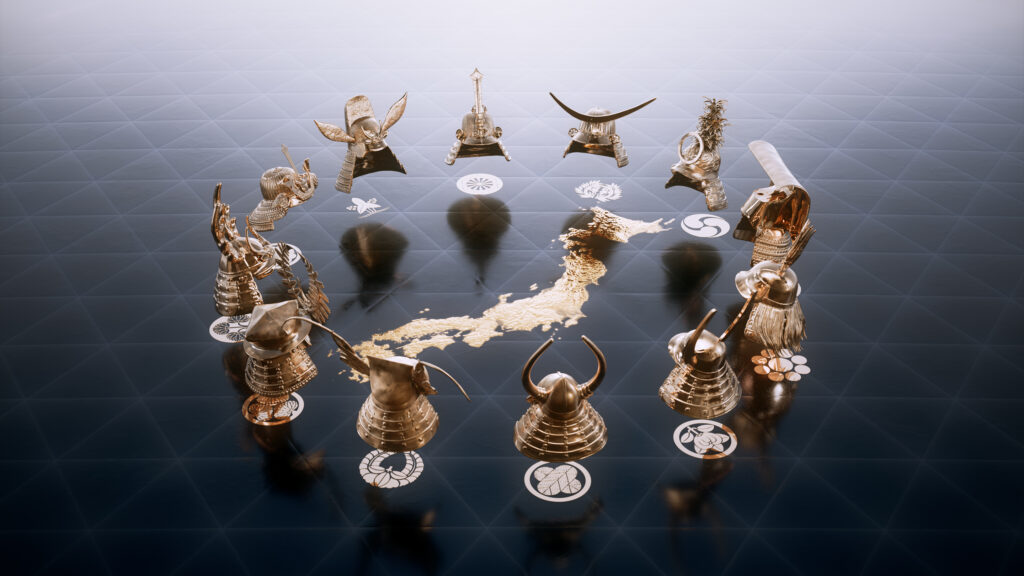
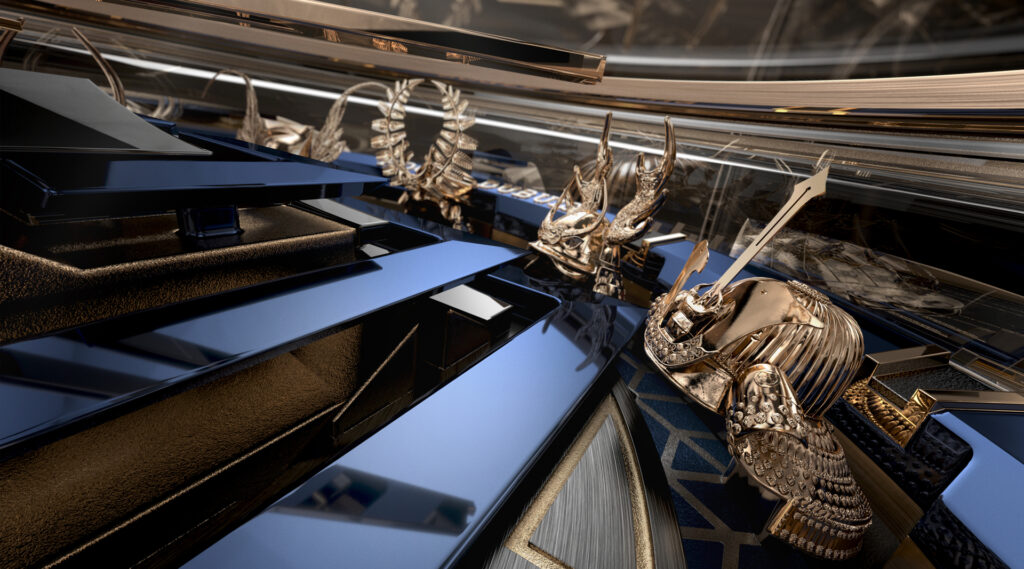
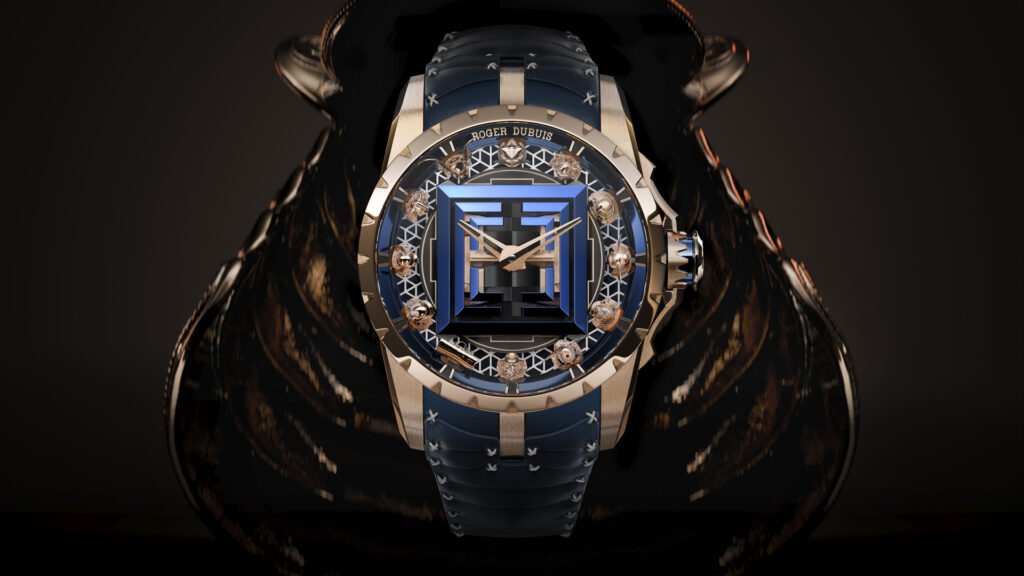
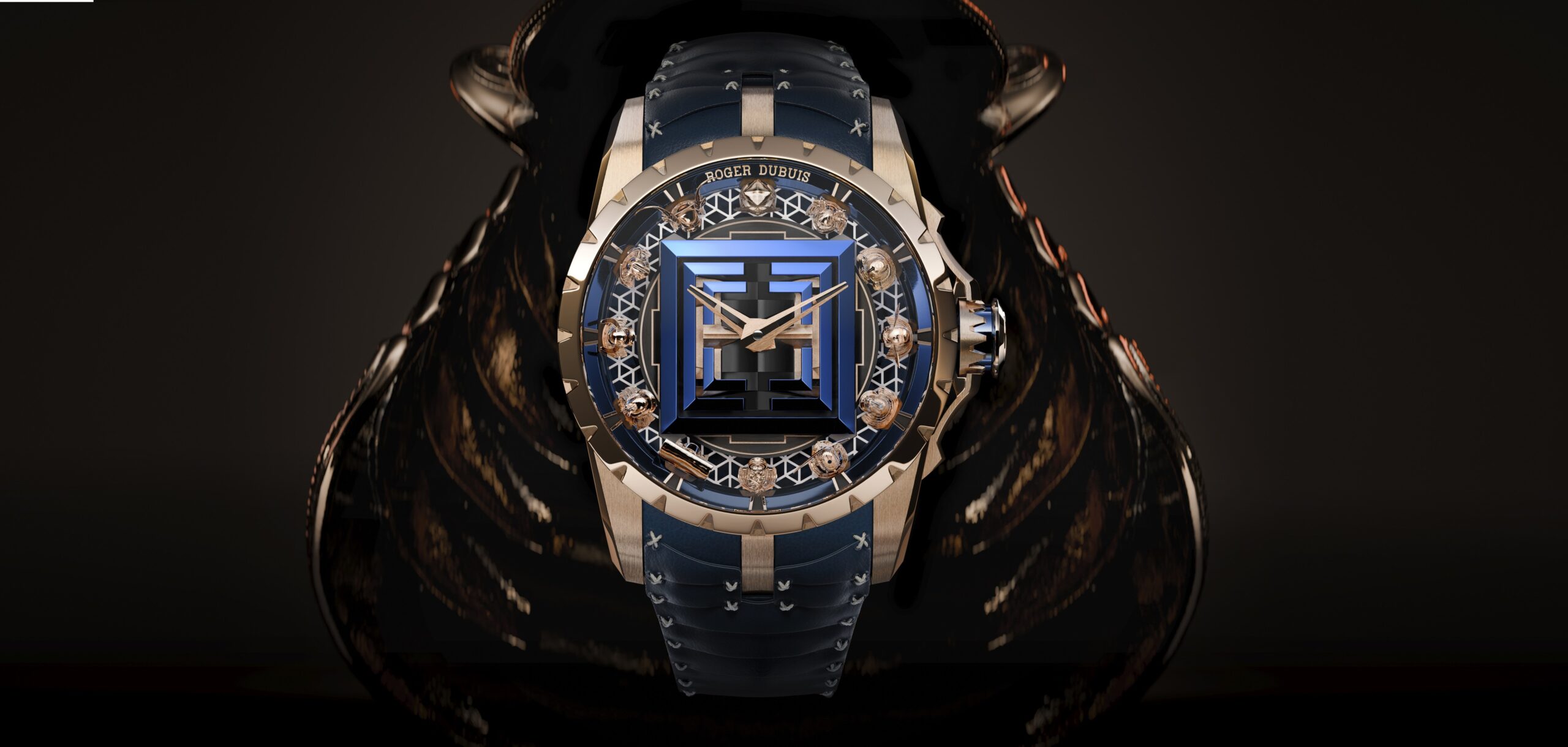
Roger Dubuis transforms a defining moment in seventeenth‑century Japan into a narrative of horological artistry, weaving together samurai heritage, symbolism and the meticulous world of Métiers d’Art. Excalibur The Kabuto Legacy emerges from an era marked by ceaseless conflict, when three influential leaders succeeded in bringing together the nation’s bushō, establishing a political order that would sustain peace for more than two and a half centuries. At the heart of this new stability stood Edo Castle, a fortress that became the emblem of a unified Japan. The timepiece reimagines that historic circle of solidarity, arranging twelve Kabuto – ceremonial samurai helmets – in sculpted pink gold around the dial like a council of commanders.

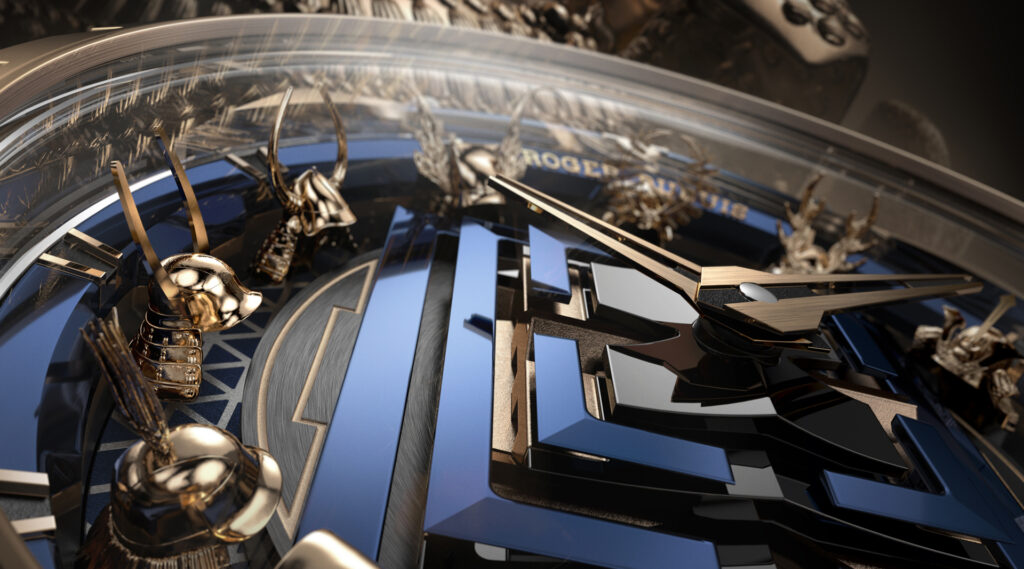
Each Kabuto is recreated through micro‑sculpture and hand‑engraving, a process requiring two to three days of dedicated craftsmanship. The front ornaments, the most delicate and expressive elements, are executed with exceptional precision, as they represent the philosophical and familial identity of each commander. Tokugawa Ieyasu, the architect of lasting peace, occupies the position at twelve o’clock, his Kabuto adorned with a fern frond, described in the document as symbolising “prosperity and longevity due to its evergreen nature” . Surrounding him are the Four Heavenly Kings of the Tokugawa: Honda Tadakatsu with his divine deer antlers, Sakai Tadatsugu with a sword crest that cuts away evil, Sakakibara Yasumasa with a katana‑shaped maedate reflecting truth and martial virtue, and Ii Naomasa with towering golden tenshō, the unmistakable insignia of the Red Devils. Seven further samurai complete the circle, each with a distinct Kabuto and Kamon, each representing a different facet of loyalty, strategy or cultural refinement.

At the centre of the dial, Edo Castle is interpreted in an abstract, contemporary language. Its deep blue coating draws inspiration from indigo dye, once used for samurai garments and later a hallmark of Japanese artistic expression. The castle is constructed from seventeen individual elements, including “7 roof elements in pink gold with blue CVD coating” , all finished through a combination of polishing, bright polishing, circular brushing and shot‑blasting. The result is a miniature architectural sculpture that plays with light much like the original fortress would have done under the shifting skies of Edo.

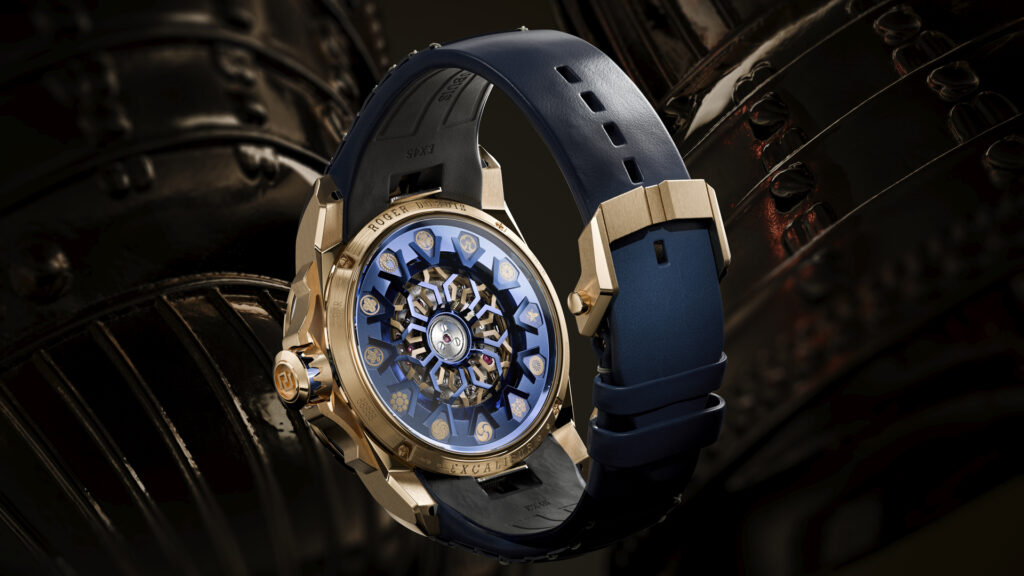
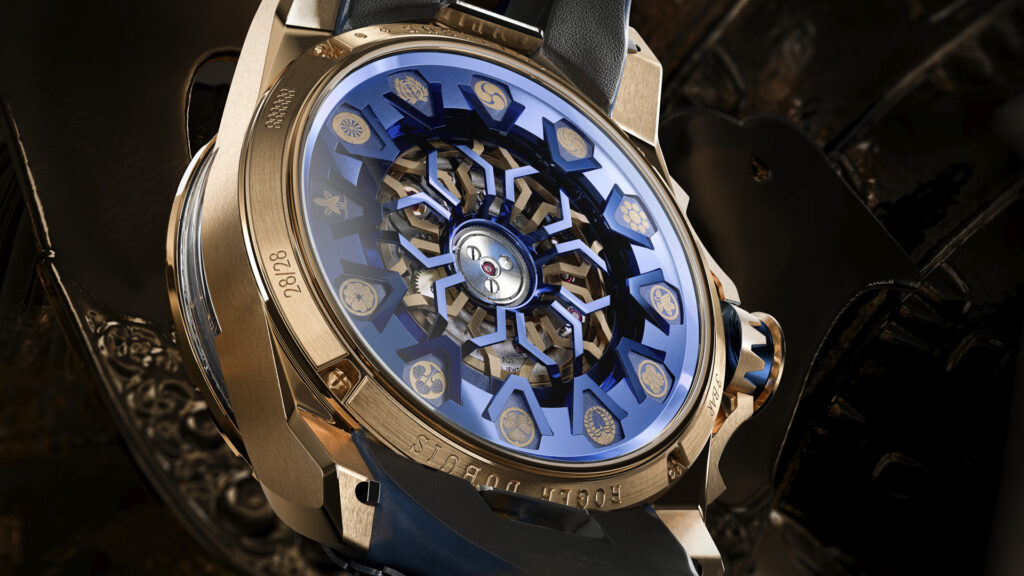
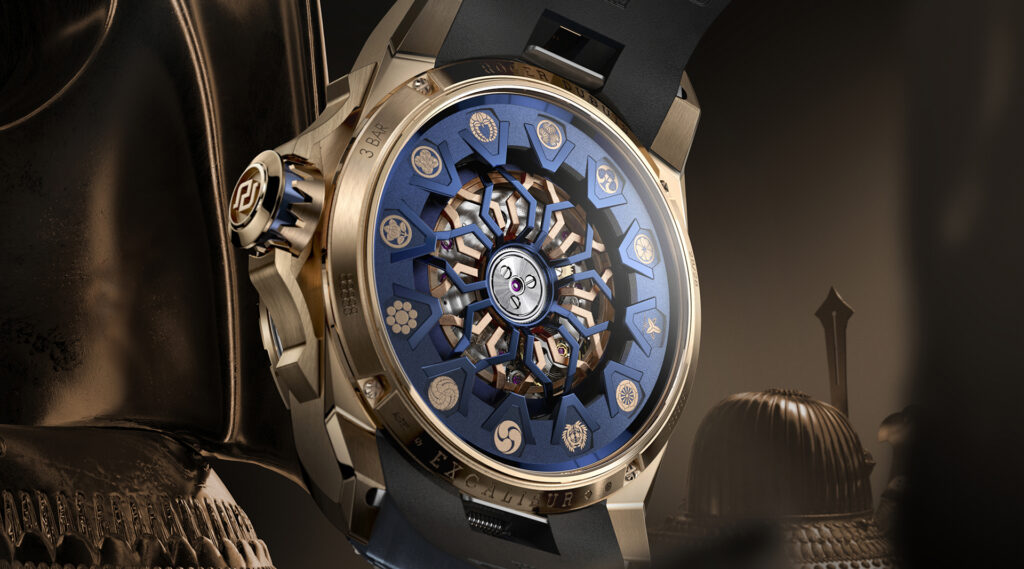
The 45 mm pink‑gold case is complemented by a crown encircled by a blue enamel ring and a blue calf‑skin strap crafted with stitched tiles to evoke samurai armour. On the caseback, the twelve crests of the bushō are laser‑engraved on a blue‑coated pink‑gold ring, visible beneath a sapphire crystal that reveals the rotor. Inside, the RD821 calibre – certified by the Poinçon de Genève – provides 60 hours of power reserve and showcases fourteen distinct finishing techniques. The press release notes that these finishes are “meticulously applied to every surface of every single component… creating a captivating interplay of matte and polished surfaces” , a testament to the discipline and refinement that define Geneva watchmaking.

To ensure historical authenticity, Roger Dubuis collaborated with Professor Frederik Cryns, specialist in Japanese history and consultant for the Emmy‑winning series Shōgun. His perspective underscores the kinship between samurai craftsmanship and haute horlogerie, remarking that “Samurai culture produced some of the most extraordinary wearable art in human history… Both disciplines demand the same uncompromising pursuit of excellence” . Excalibur The Kabuto Legacy thus becomes more than a watch: it is a bridge between two traditions of mastery, united by reverence for detail, symbolism and the enduring power of craft.

No Comments

LEAVE A COMMENT