


TAG Heuer Connected Calibre E5 x Formula 1
Swiss luxury watchmaker TAG Heuer reveals the TAG Heuer Connected Calibre E5 45 mm x Formula 1, a titanium powerhouse designed to race with the thrill of every Grand PrixTM.


Arnold & Son Constant Force Tourbillon 11: A Friendship Cast in Gold
The Arnold & Son Constant Force Tourbillon 11 is one of those rare timepieces that carry genuine historical weight without needing to shout about it. Released as a limited edition of 11 pieces to conclude the brand’s 260th-anniversary celebrations of John Arnold’s legacy, it distils two centuries of horological dialogue into a single, coherent object.

The H. Moser & Cie. Endeavour Perpetual Calendar Smoked Salmon: A Deliciously Complex Cocktail
If there is one brand that successfully walks the tightrope between provocative modernism and classical watchmaking, it is H. Moser & Cie. We have seen them mock the industry with Swiss cheese watches and Vantablack voids, but their latest release strikes a different chord. It is a consolidation of their greatest hits: the sensual Endeavour case, the legendary perpetual calendar movement, and the ‘Smoked Salmon’ dial that set collectors abuzz when it first graced the Streamliner. This isn’t a revolution; it is a masterclass in refinement.

Cape Cod Mini: Hermès Redraws an Icon With Finesse
Hermès has always approached time differently; where others measure it, Hermès shapes it—treating each second as an invitation to pause, to feel, to rediscover the unexpected, a philosophy that is woven into every object the house creates, including the newly reimagined Cape Cod.
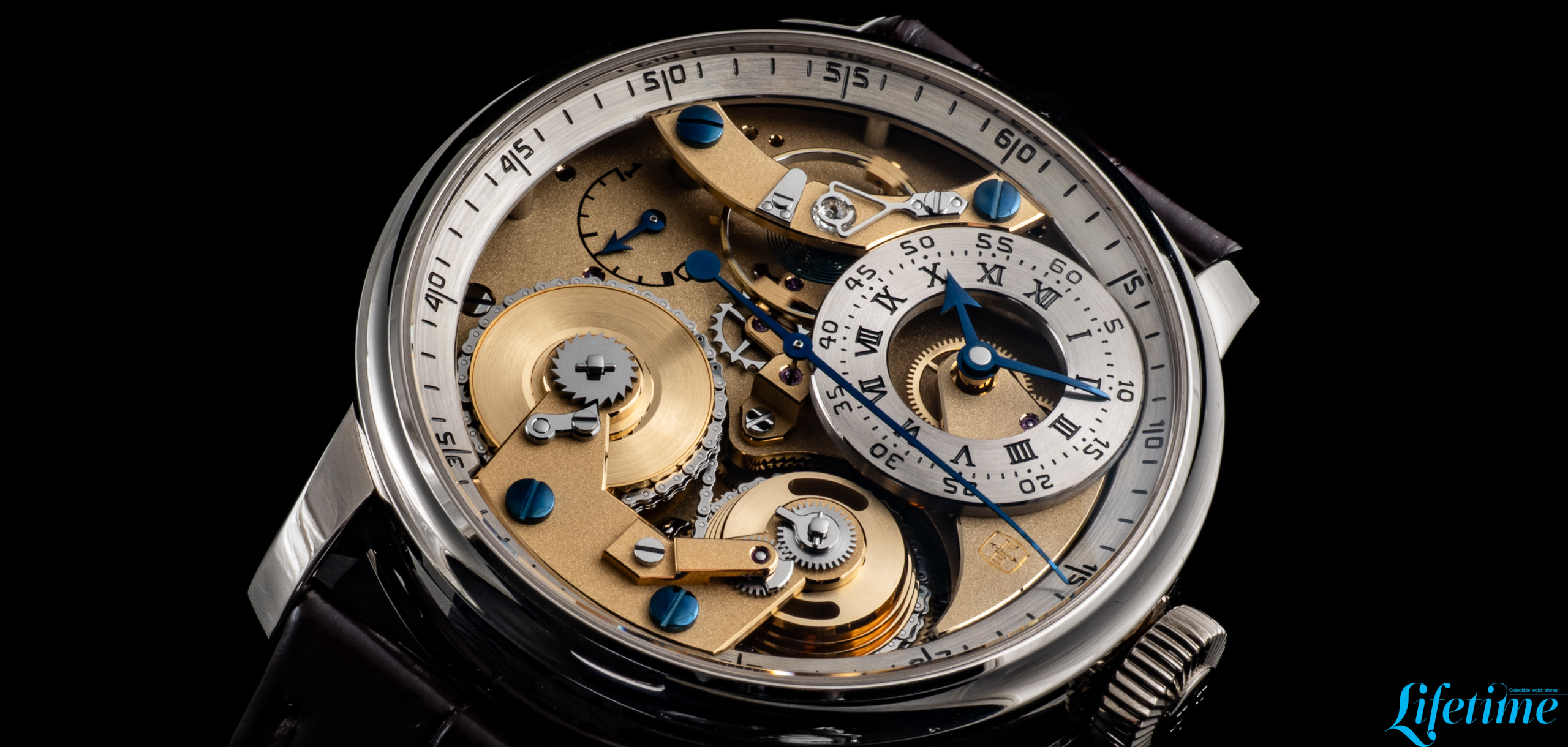
Ferdinand Berthoud Naissance d’une Montre 3: Where Handcraft Becomes Chronometric Testimony
When faced with a timepiece that requires 11,000 hours of dedicated labour, one cannot help but question the justification for such an investment. The answer lies not in the watch itself, but in what its creation preserves: knowledge that cannot be digitised, skills that take years to acquire, and traditions that define excellence through difficulty rather than efficiency. Chronométrie Ferdinand Berthoud's Naissance d'une Montre 3 is the result of a six-year collaboration between the manufacture and Chopard artisans, representing the third chapter of an initiative launched to safeguard endangered watchmaking crafts. This is no marketing exercise. The watch provides documentary proof that contemporary tolerances and historical techniques can coexist, that COSC chronometer certification can be achieved using a Guillaume balance and fusée-and-chain, and that 18th-century regulating systems can operate with precision in 2026.

BREITLING AND ASTON MARTIN IGNITE A SHARED LEGACY
Breitling has officially partnered with Aston Martin and the Aston Martin Aramco Formula One™ Team, unveiling the Navitimer B01 Chronograph 43 Aston Martin Aramco Formula One™ Team—a special-edition timepiece that celebrates Breitling’s return to the world of F1®.

Vacheron Constantin adds a new titanium tourbillon model to its Overseas collection
Vacheron Constantin enriches its Overseas collection with a titanium tourbillon model featuring a deep red dial.
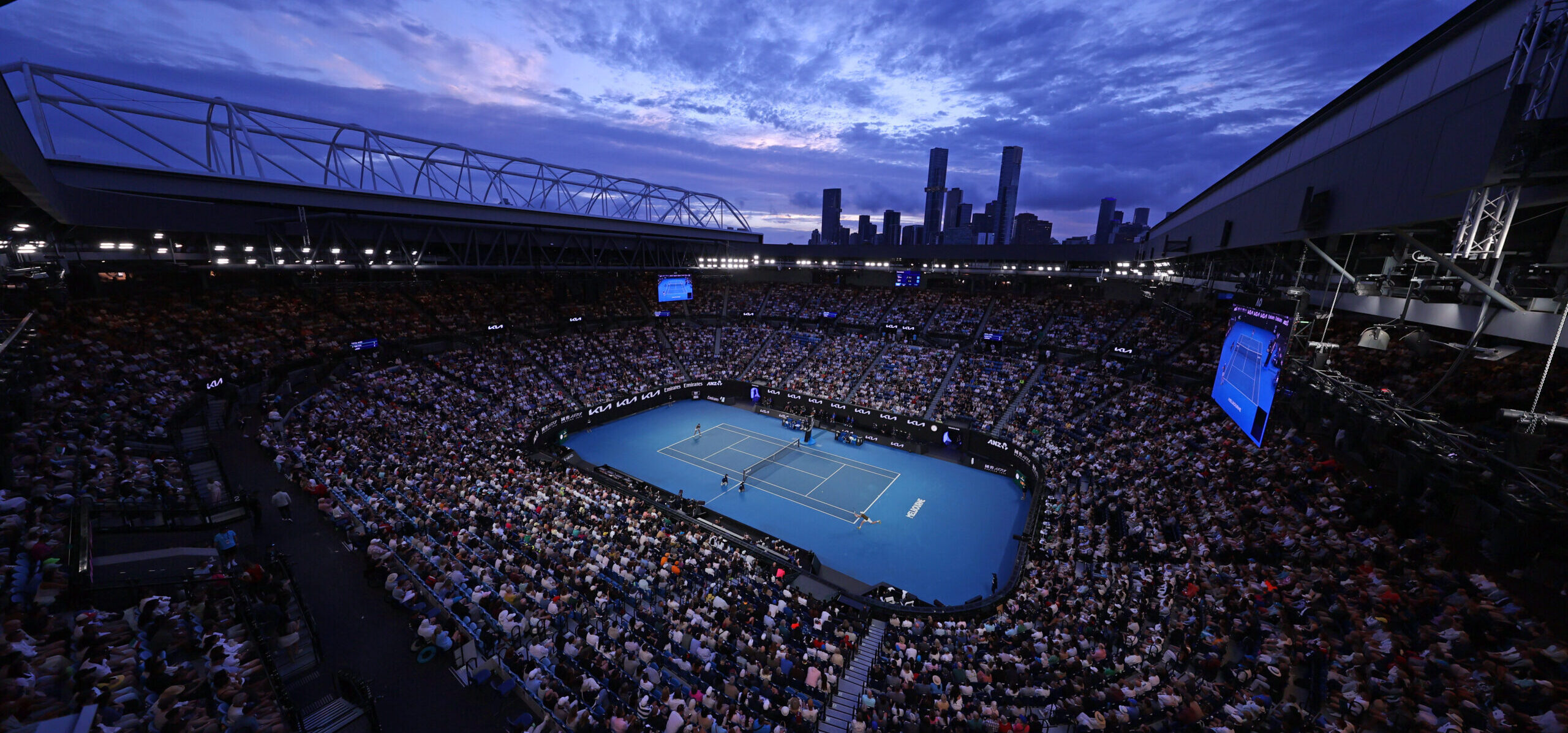
When Tennis meets Haute Horlogerie: Watches of Australian Open 2026
The Australian Open has long served as a proving ground for sporting excellence, but in recent years it has taken on an unexpected secondary role: a catwalk for high‑end watchmaking.