


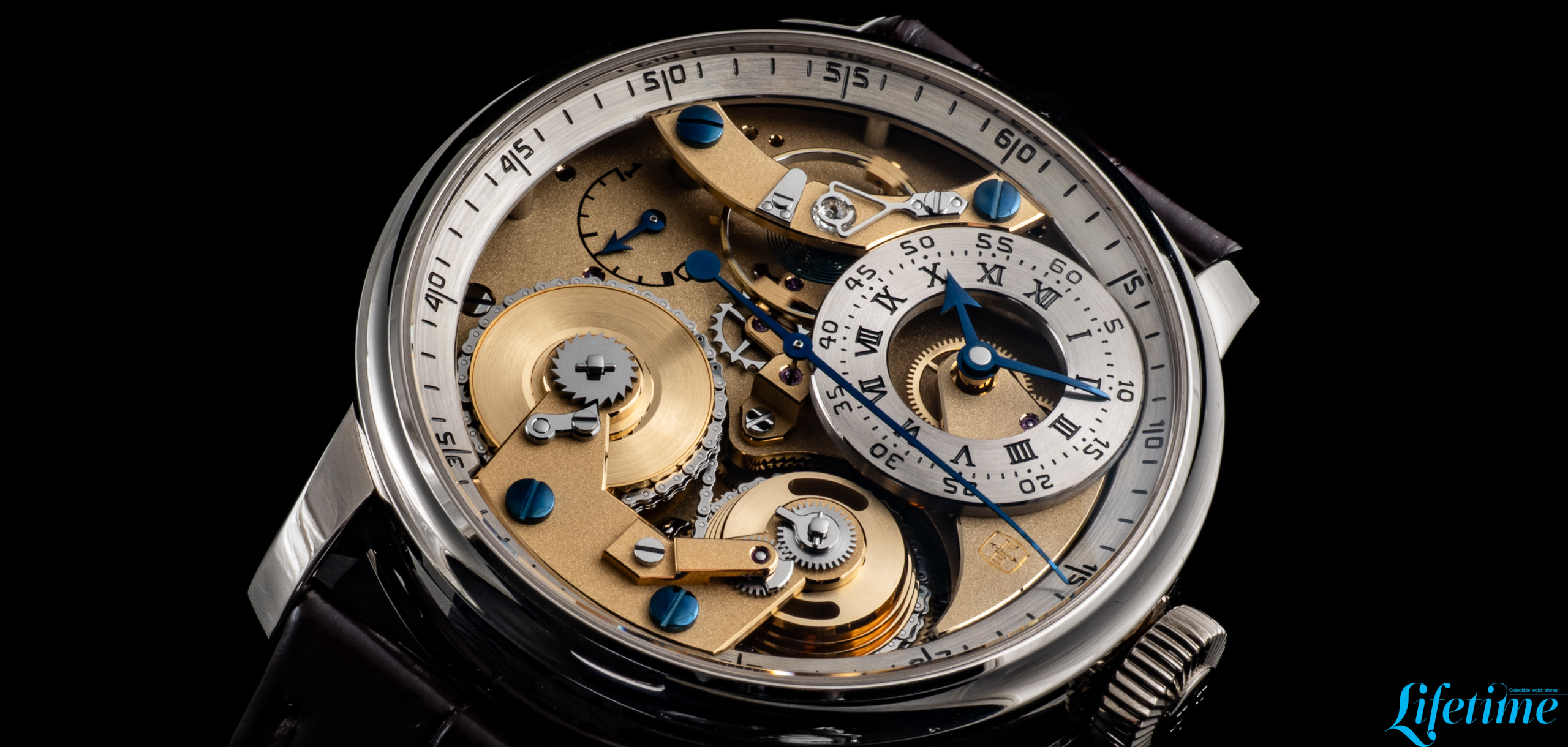
Ferdinand Berthoud Naissance d’une Montre 3: Where Handcraft Becomes Chronometric Testimony


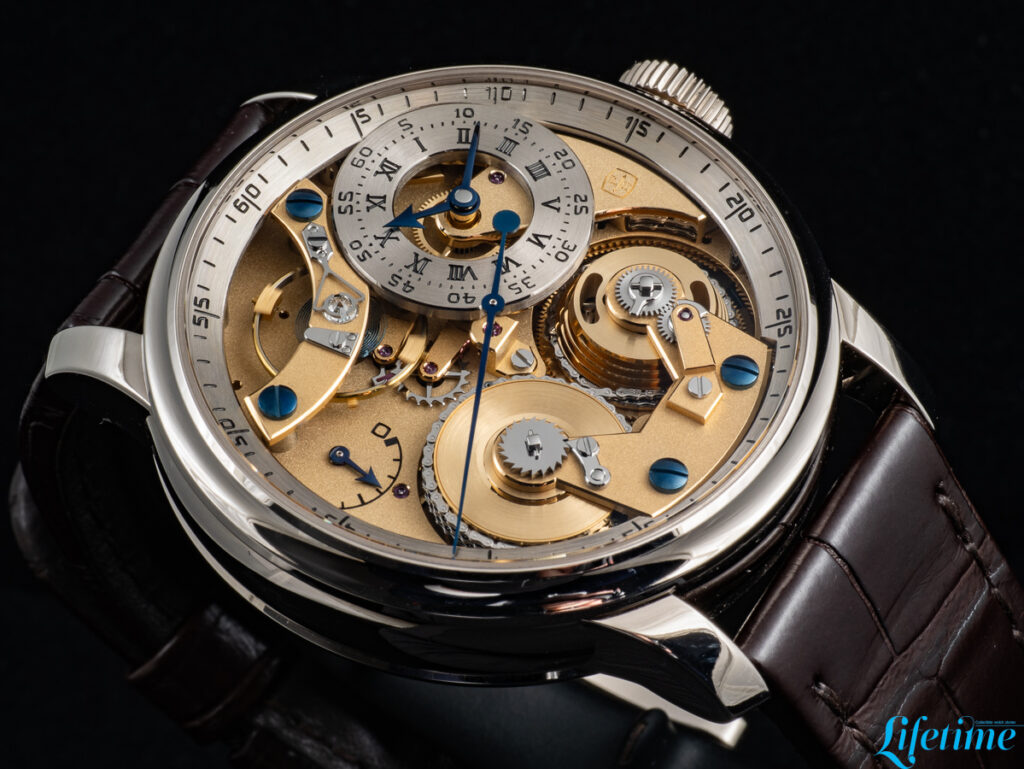 The Dial: Transparent Architecture
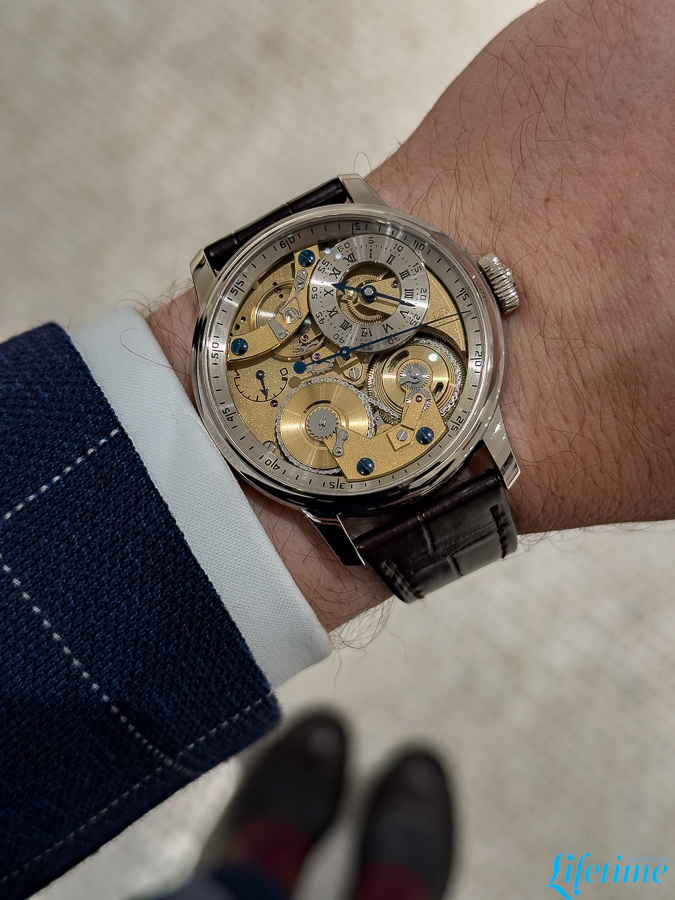
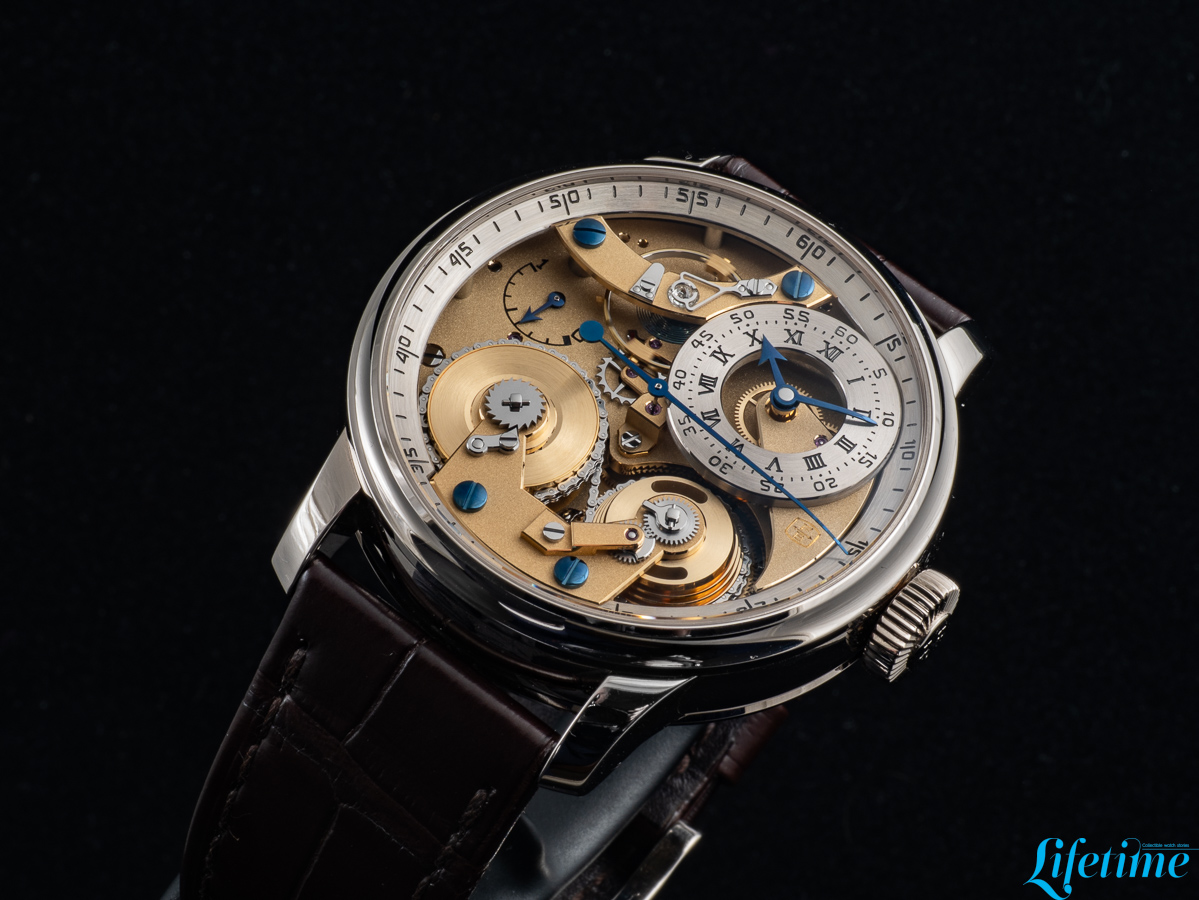
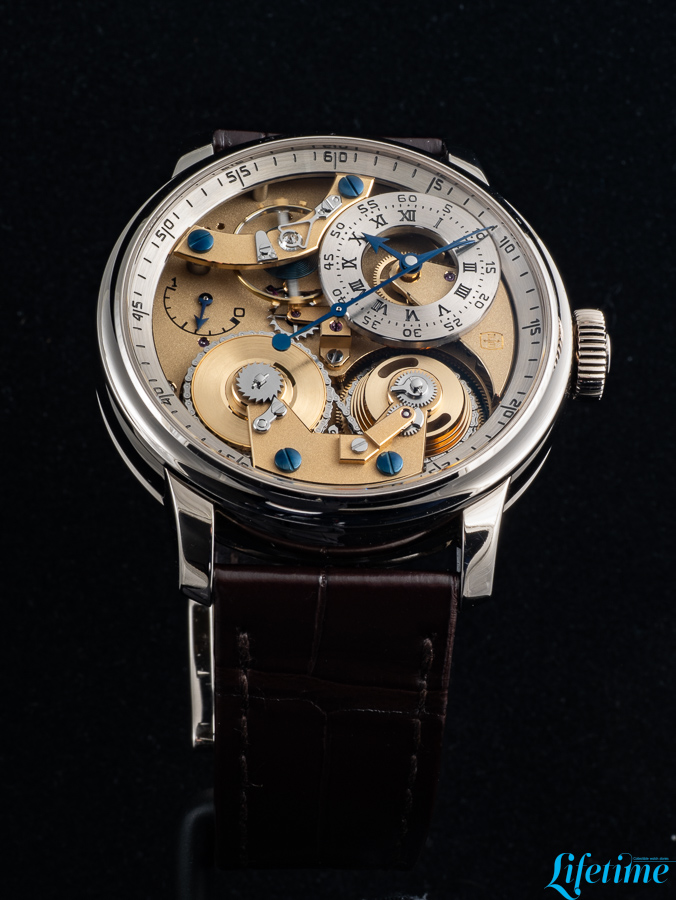
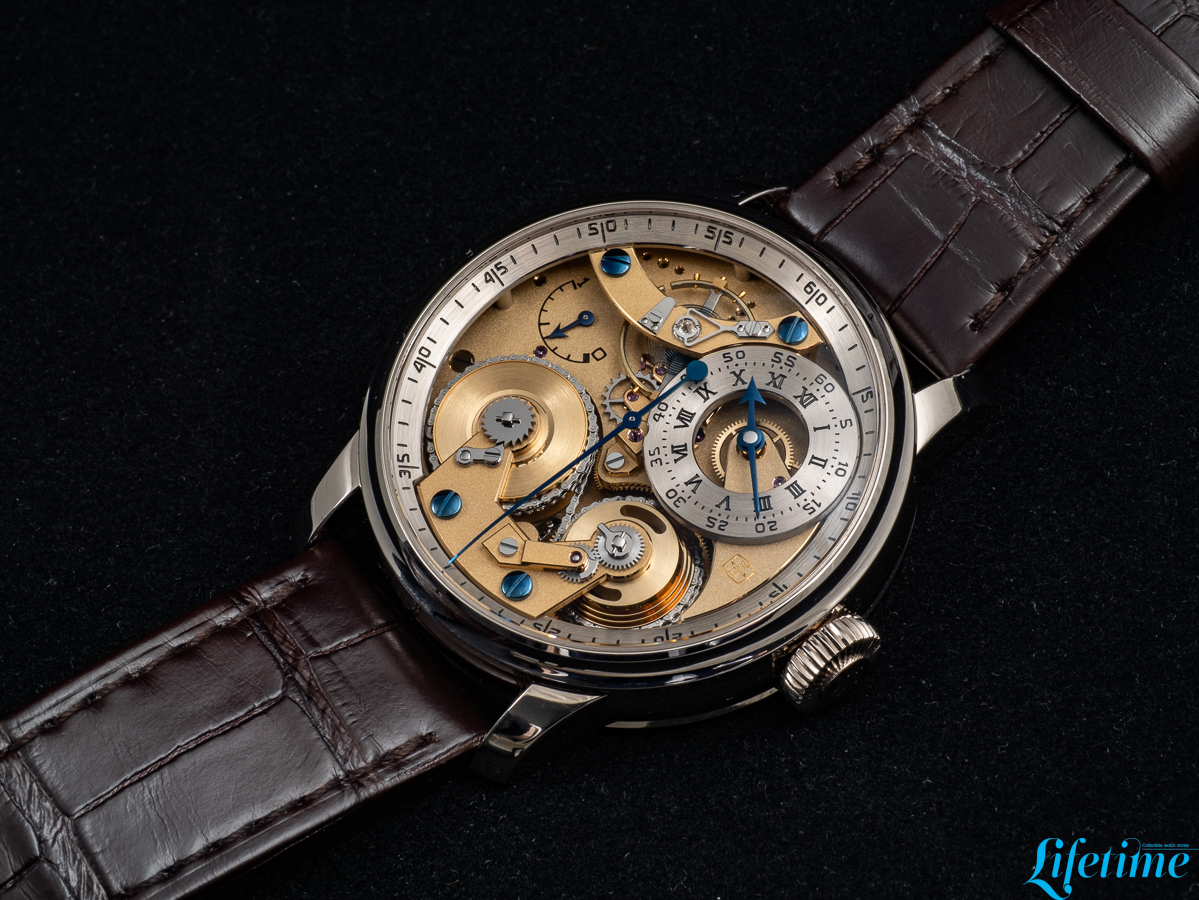
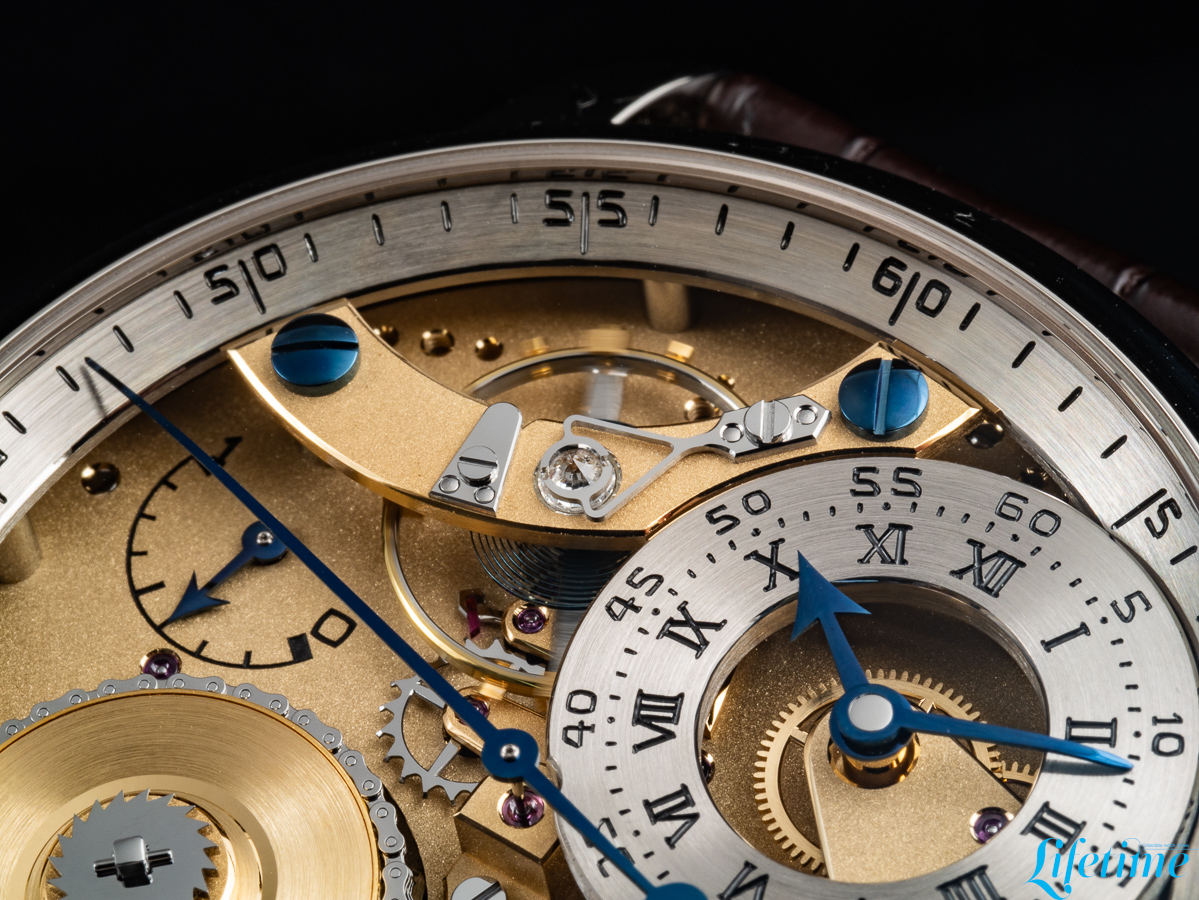
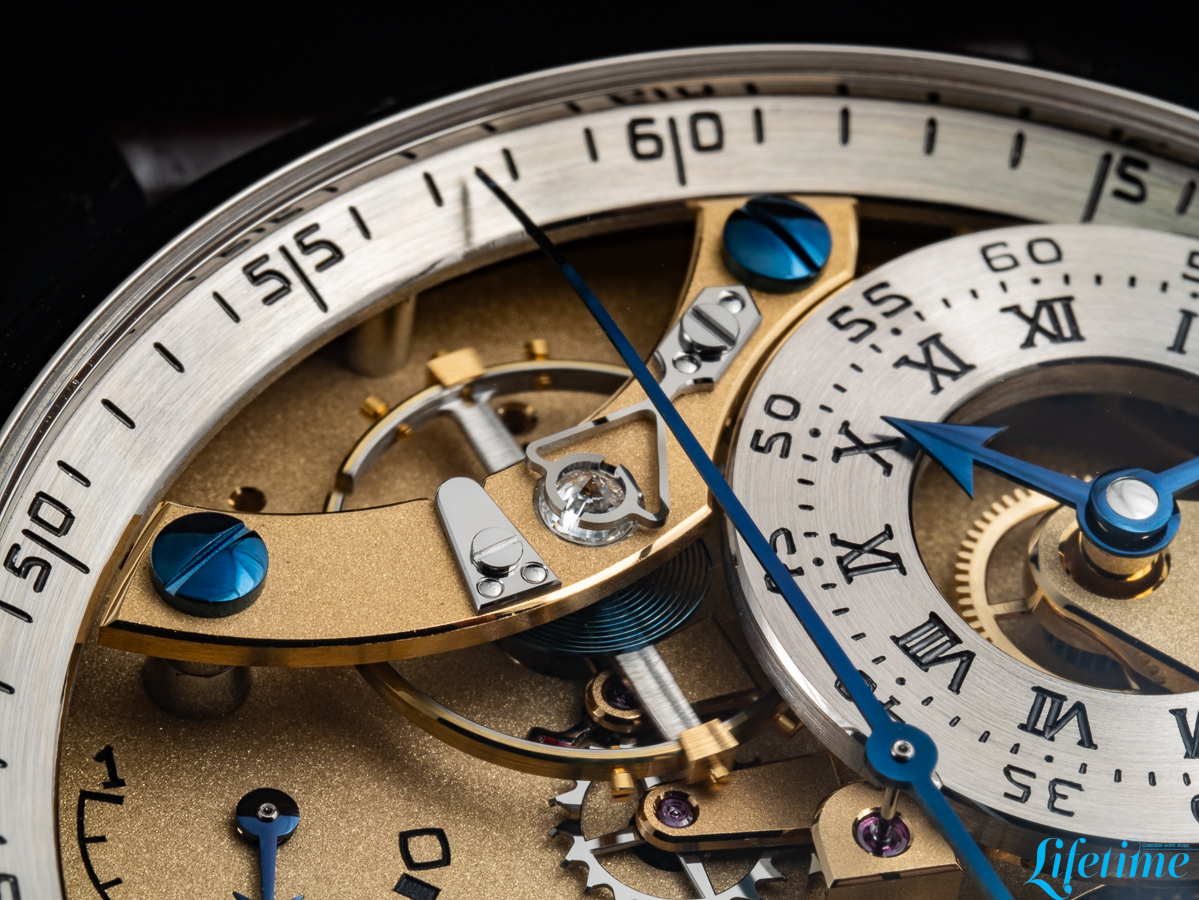
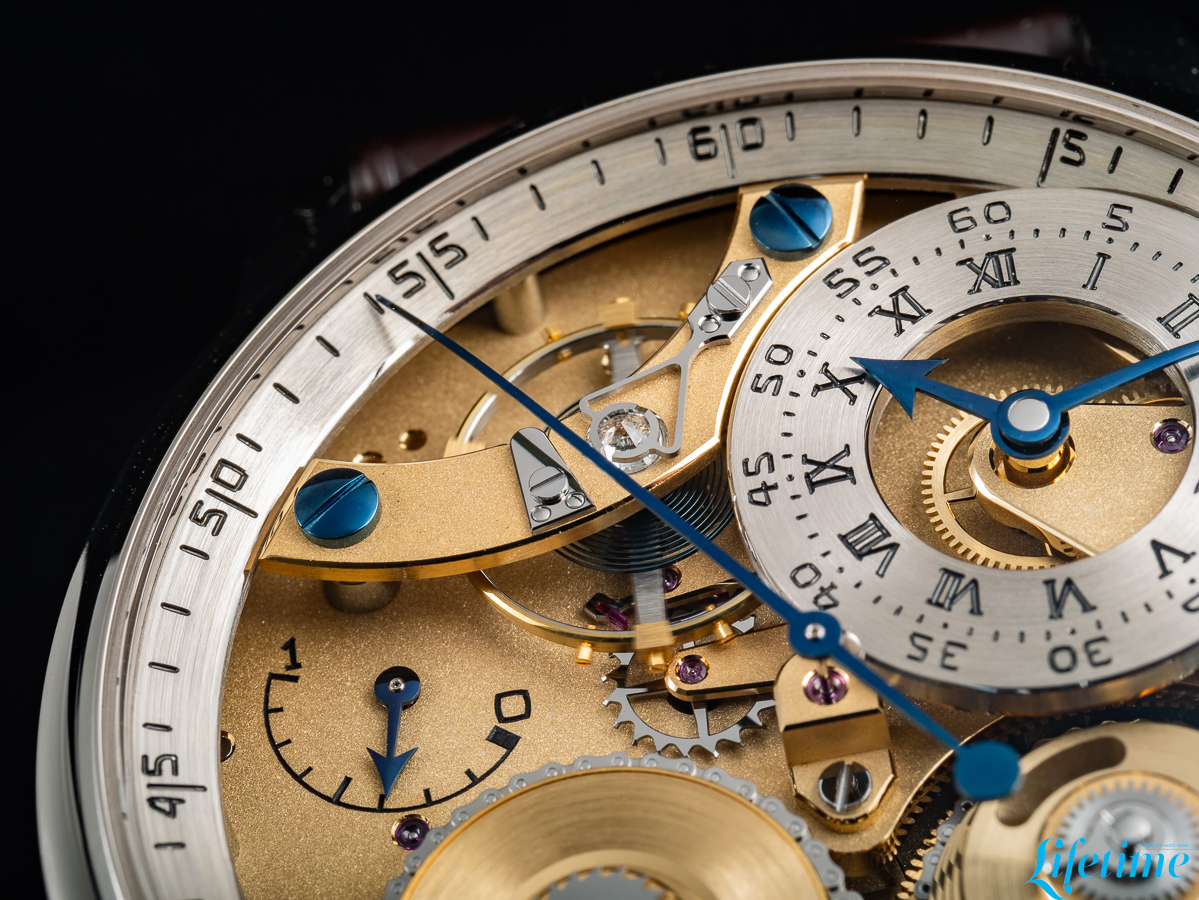
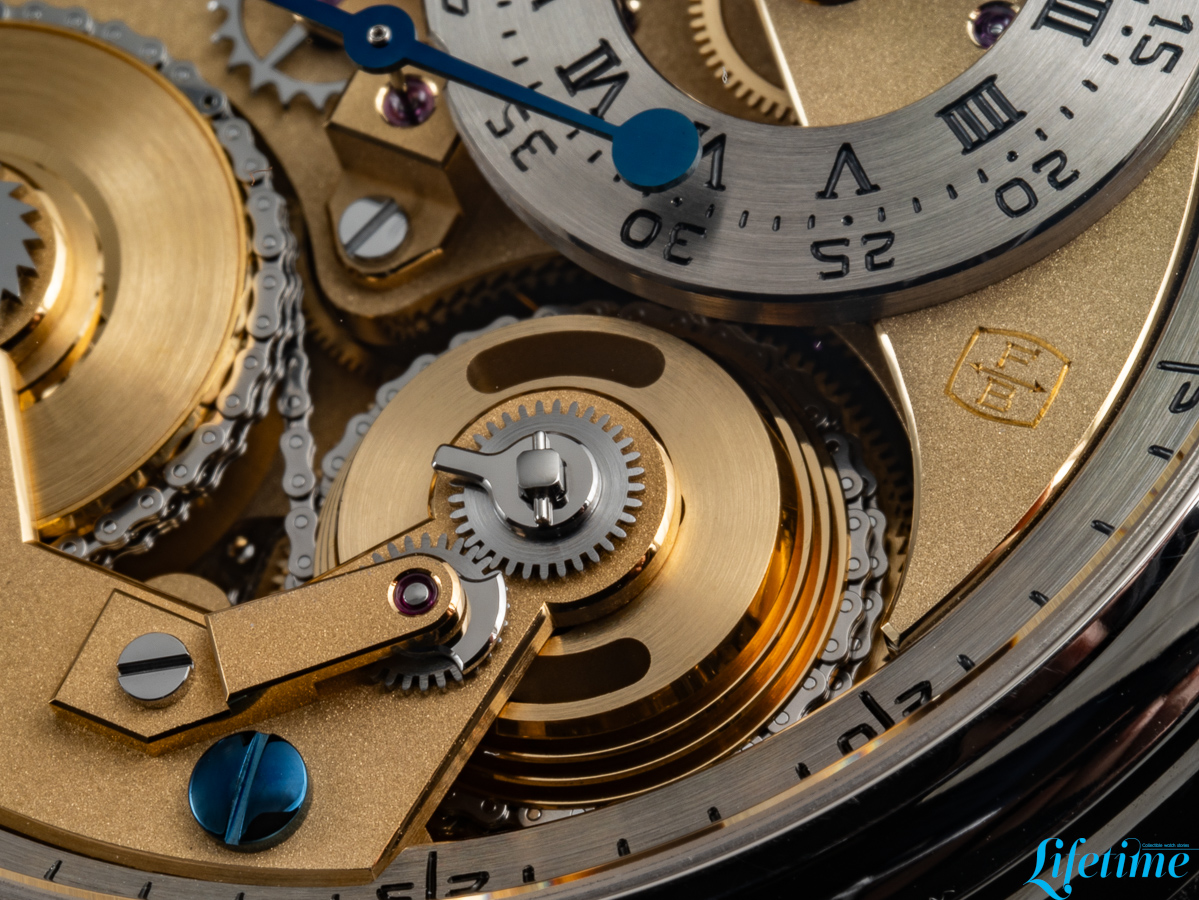
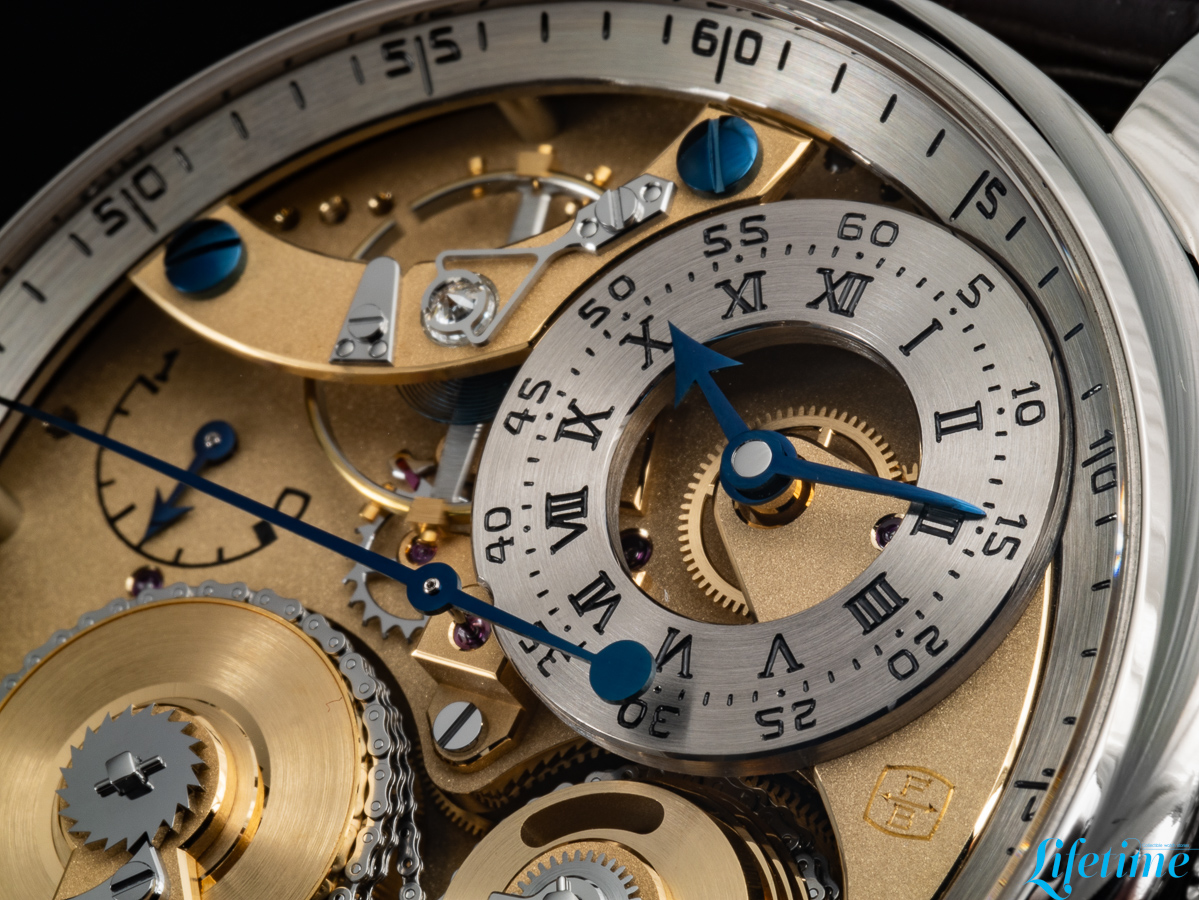
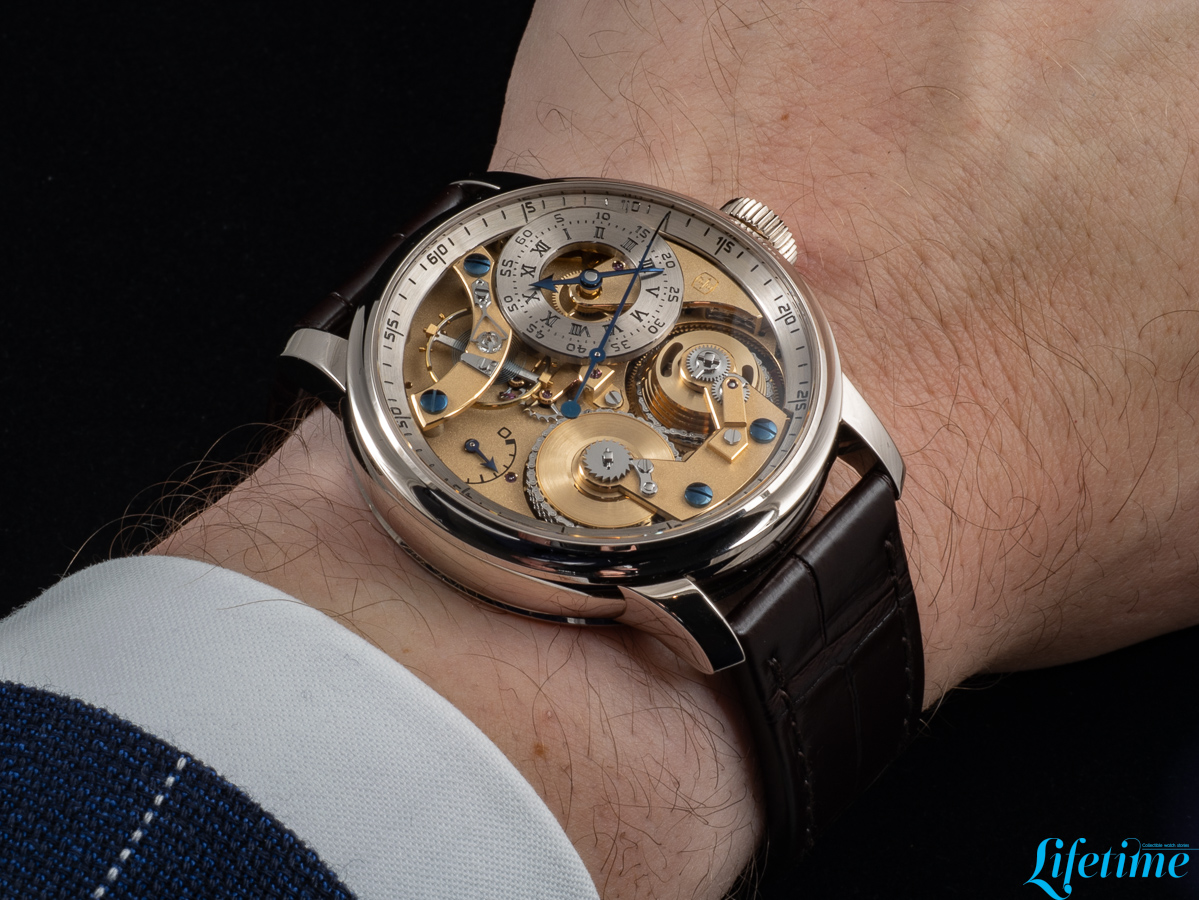
The most striking departure from conventional watchmaking is immediately apparent. The entire movement structure is visible from the dial side, with transparency becoming the defining characteristic of the watch. Two distinct dials occupy the composition, both hand-crafted from 18-carat white gold. The primary dial, which displays the hours and minutes, is positioned off-centre between one and two o’clock, echoing Ferdinand Berthoud‘s Astronomical Pocket Watch No. 3. Roman numerals mark the hours while Arabic numerals indicate minutes – a differentiation that extends to the hands themselves: the minute hand has a bevelled tip, while the hour hand features an arrow configuration.
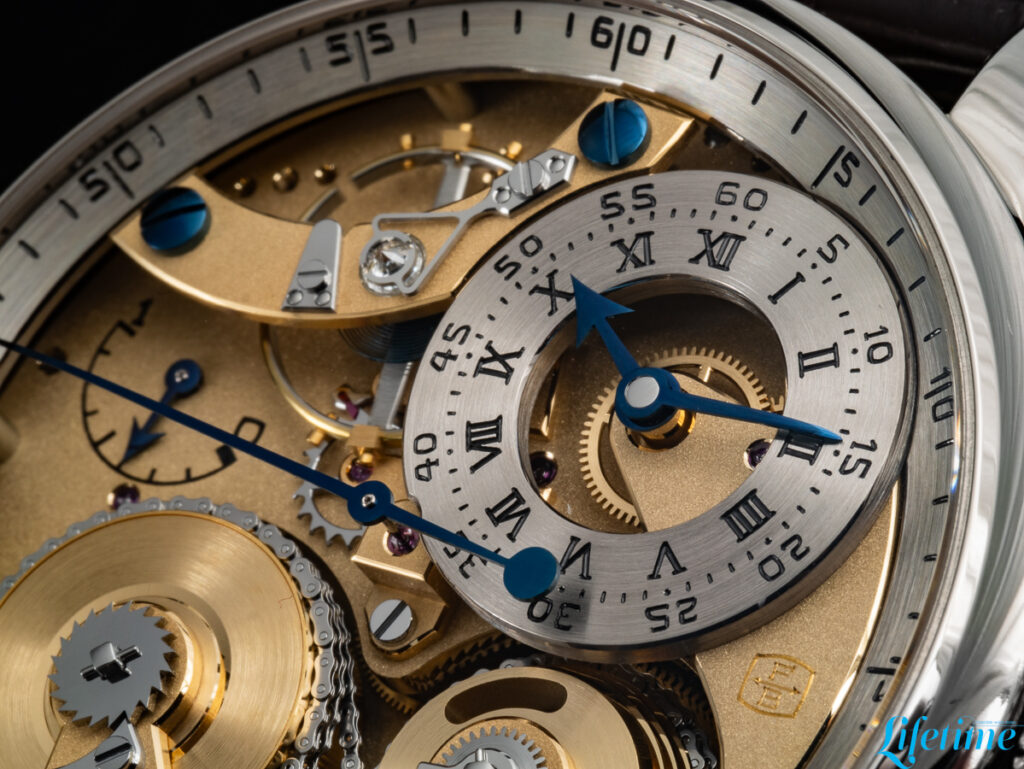 The creation of these dials involves numerous operations. Milling and turning establish the form. Satin-brushing creates the surface texture through controlled abrasive action, producing subtle reflections that add depth without distraction. Hand-engraving then follows, using a burin to carve numerals into the metal. Twenty different types of burin may be used to achieve precise shapes and sizes. Each stroke is irreversible. After engraving, a circular satin finish is applied before varnish protection and final blackening through chemical deposition within the engraved elements, which creates visual contrast against the satin ground.
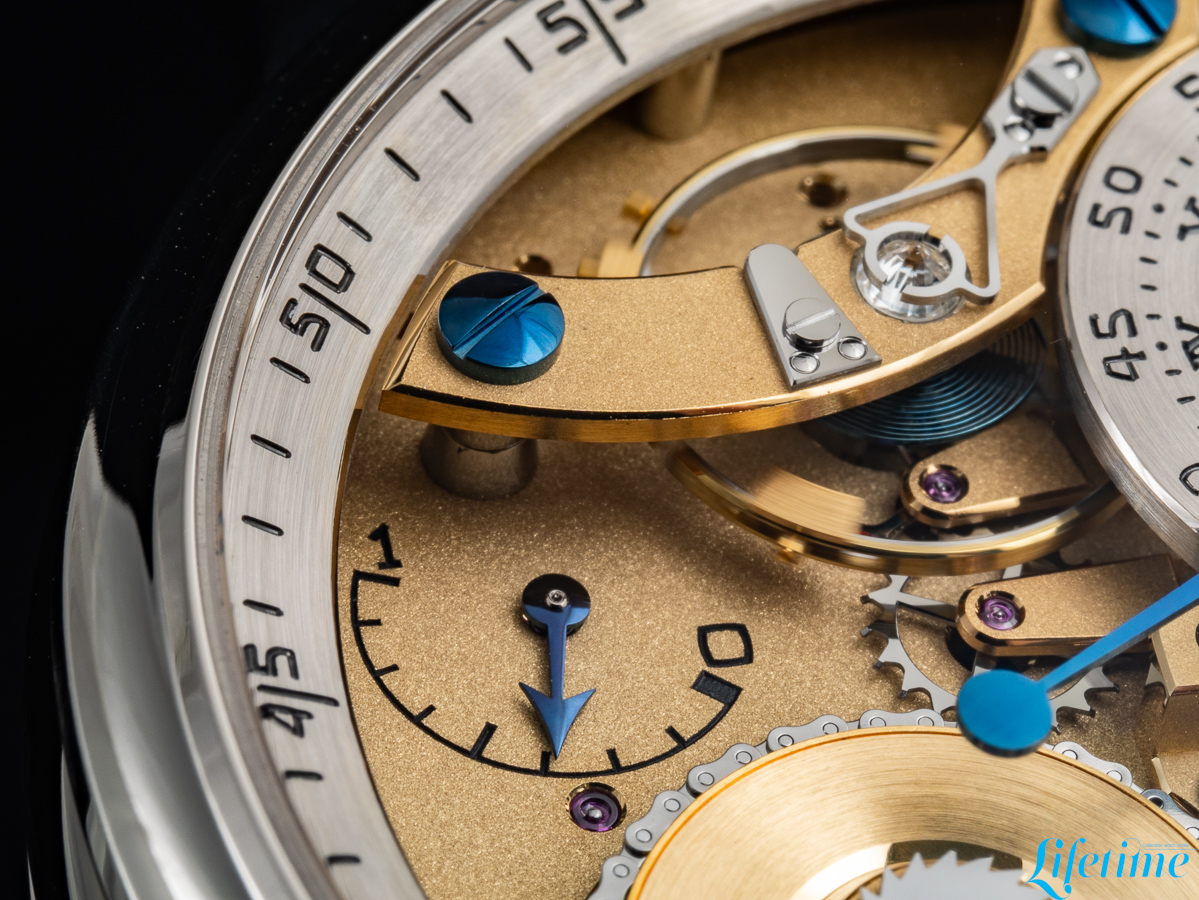
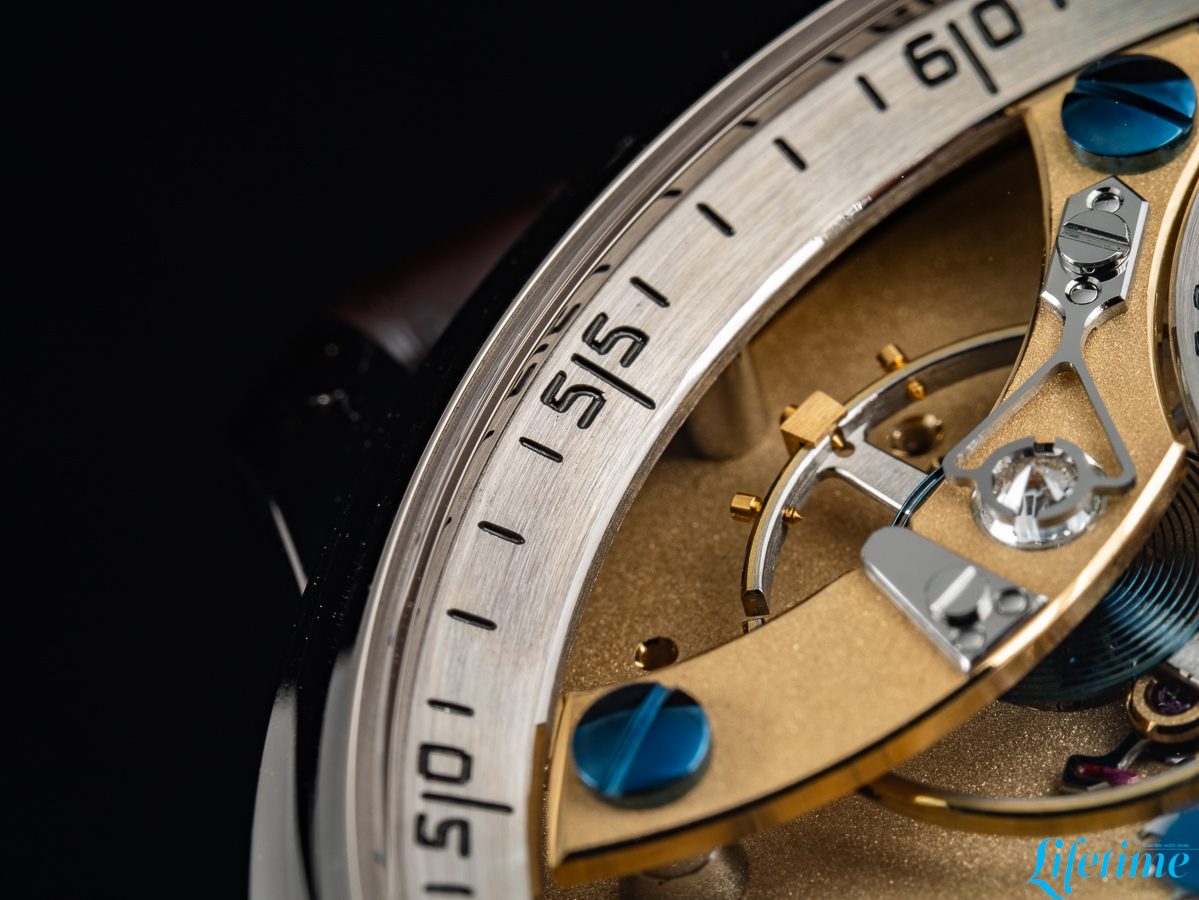
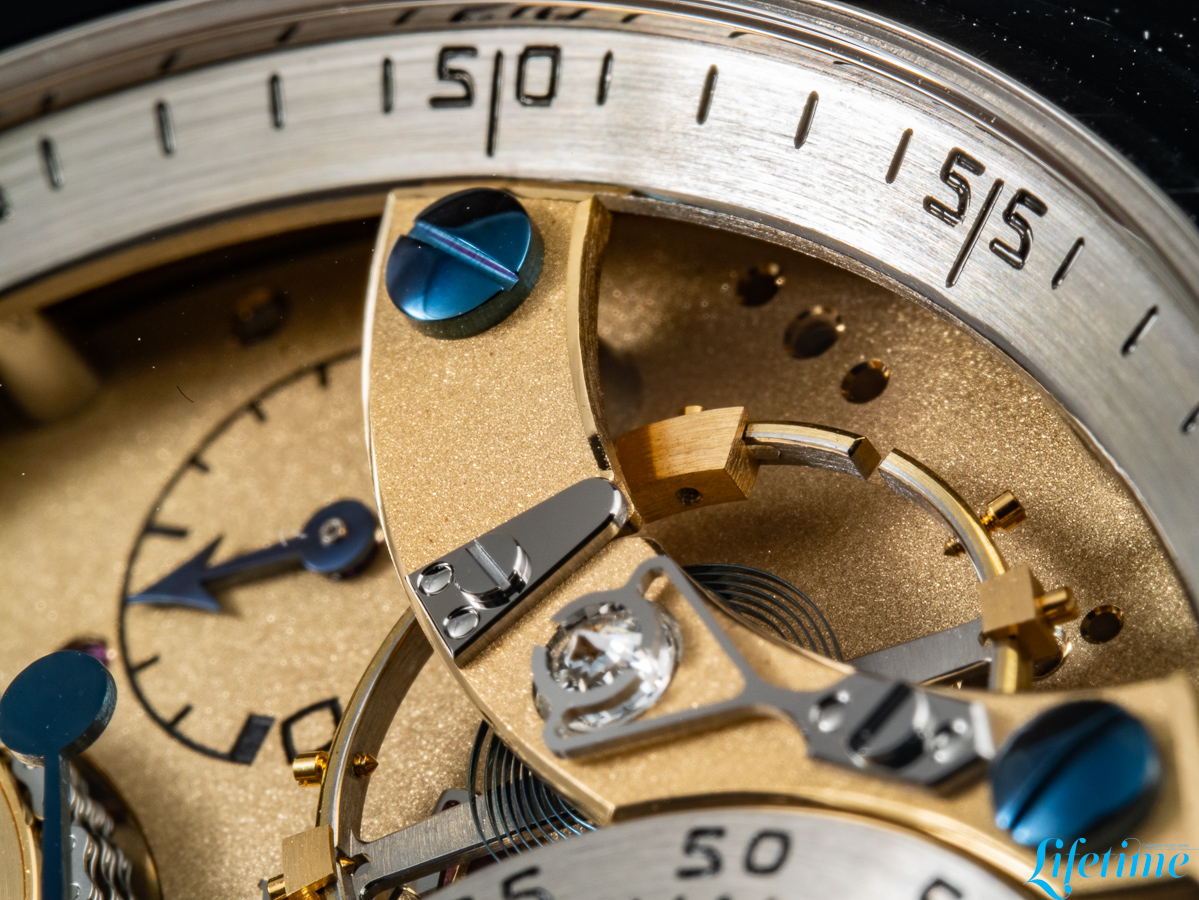
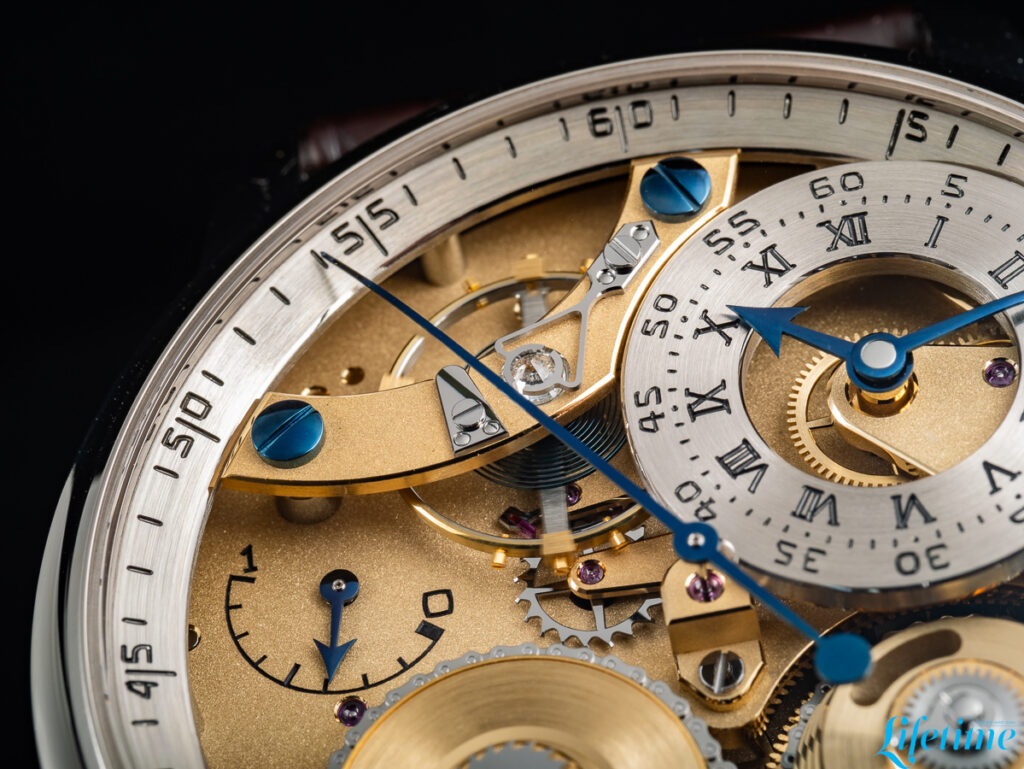 The secondary dial traces the movement’s periphery as a raised flange supported by pillars, displaying the seconds alongside a power-reserve indicator engraved directly onto the mainplate. Despite measuring over 25mm in length, the flame-blued steel seconds hand is extremely thin, requiring unwavering focus throughout its production. Creating the hours hand alone takes nearly two full days: 54 micromechanical operations plus a further thirteen dedicated to decoration.
 Calibre FB-BTC.FC: Ancient Precision
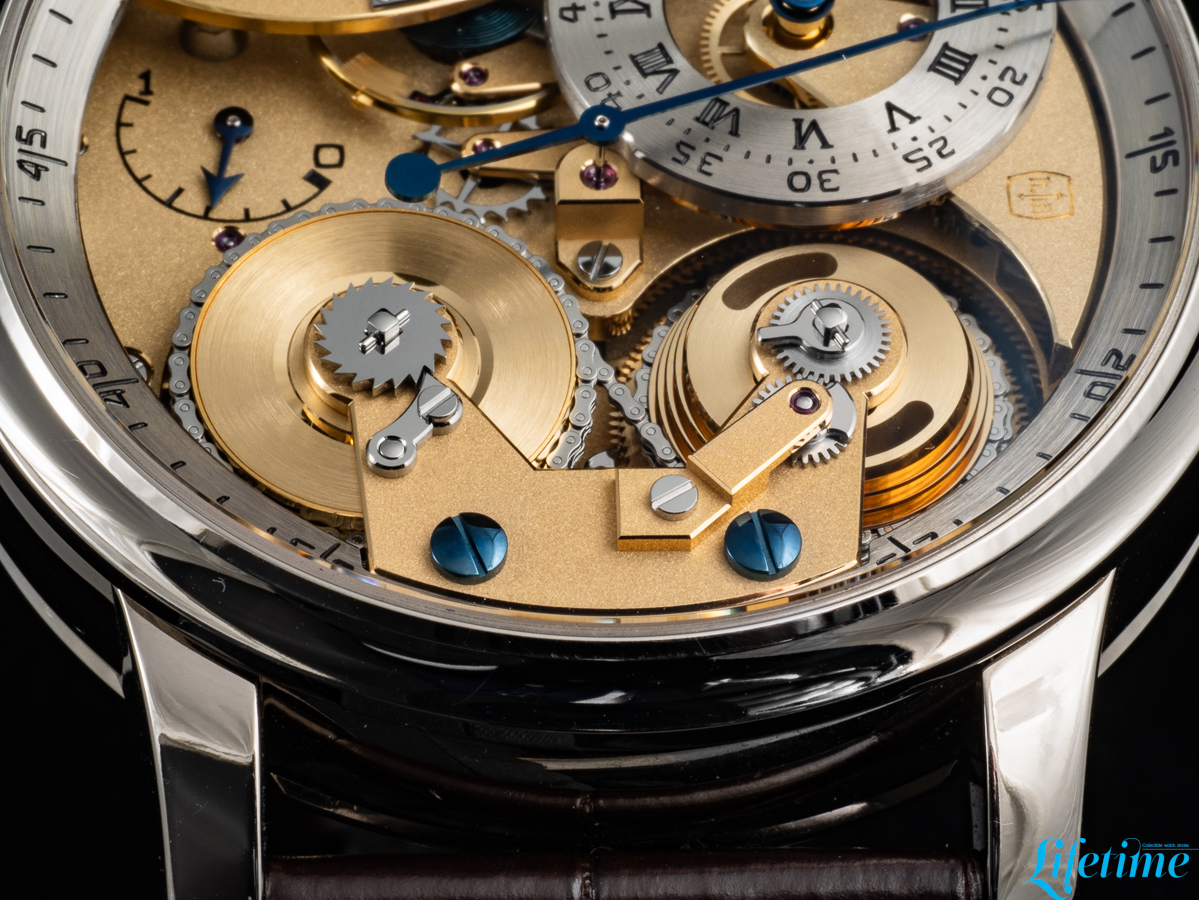
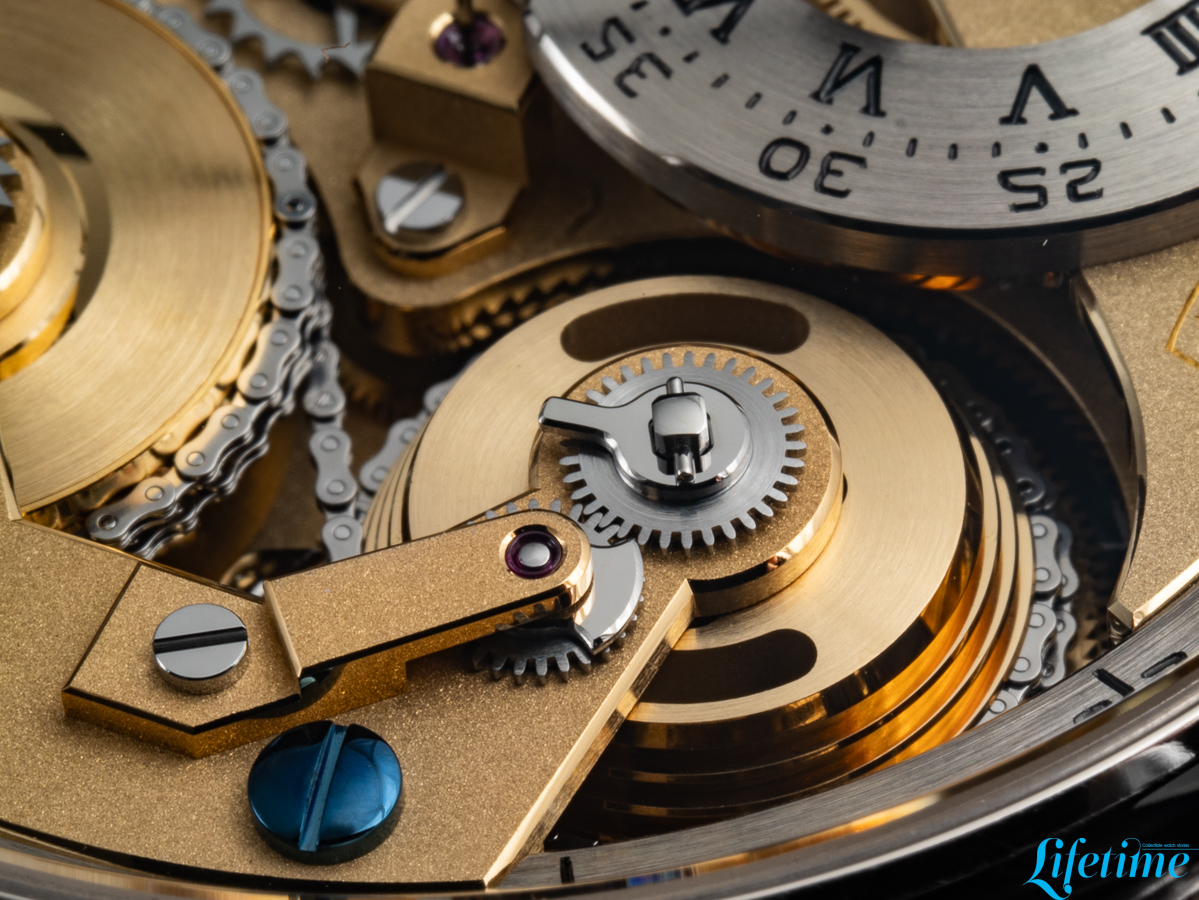
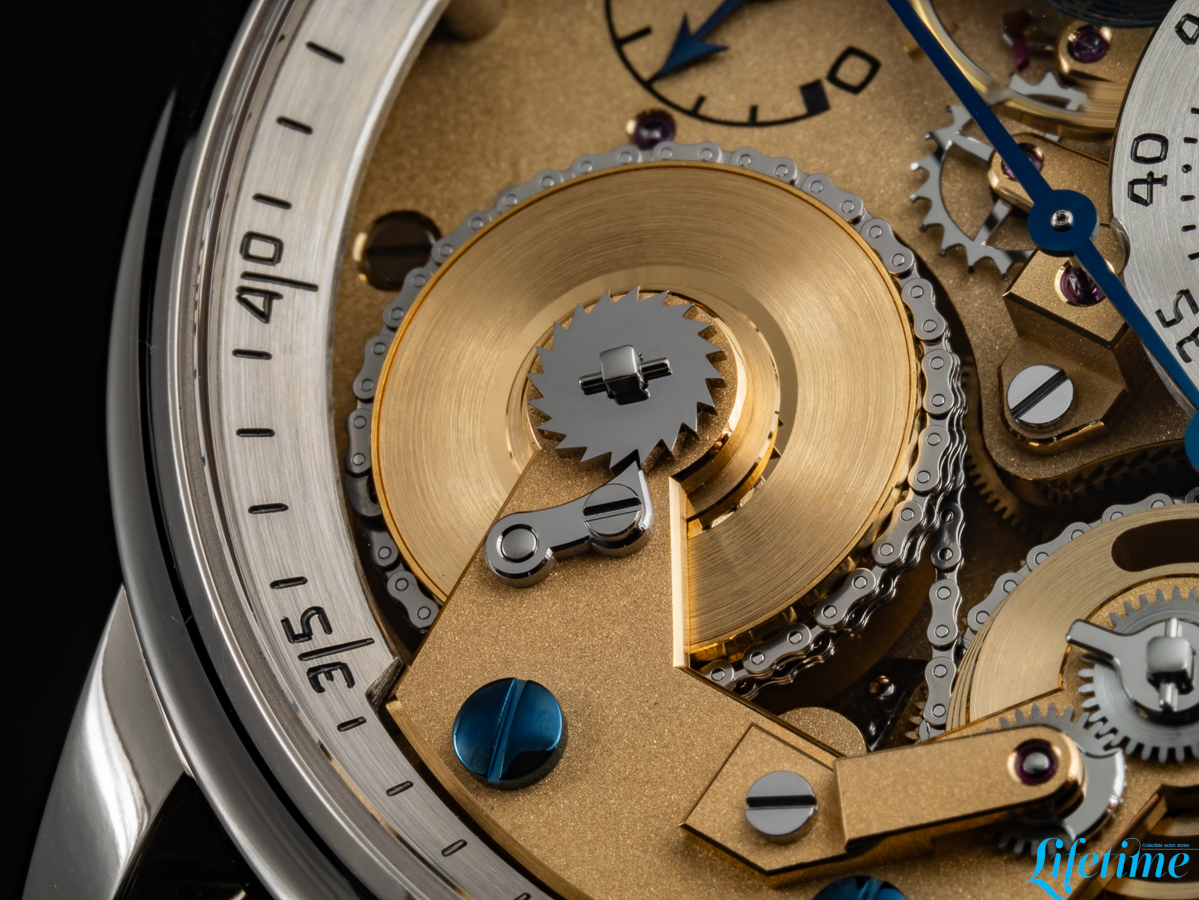
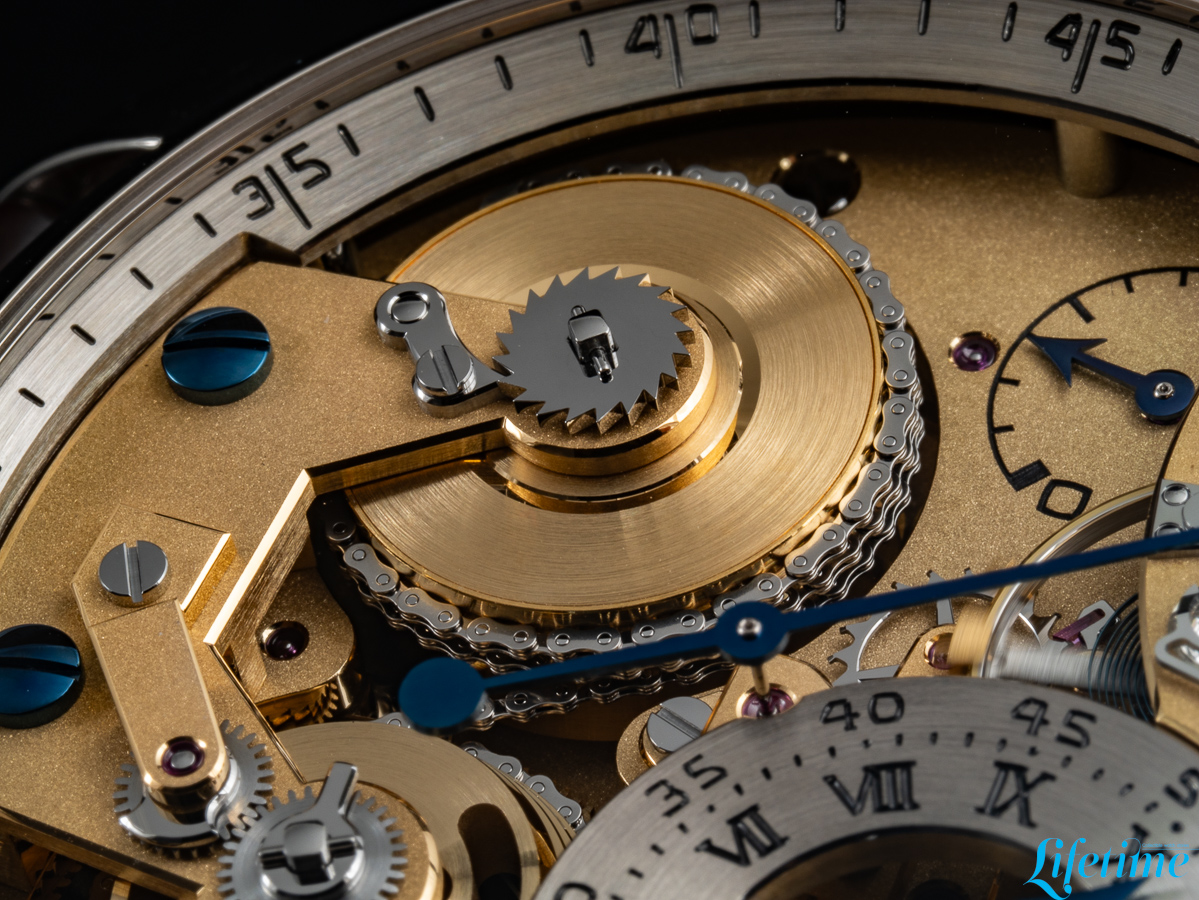
This movement measures 37.50mm in diameter and 8.35mm in thickness; it operates at a frequency of 21,600 vibrations per hour and provides 50 hours of power reserve. Its architecture draws directly from Ferdinand Berthoud‘s Astronomical Pocket Watch No. 3, incorporating a fusée-and-chain mechanism that addresses the fundamental problem of varying mainspring torque.
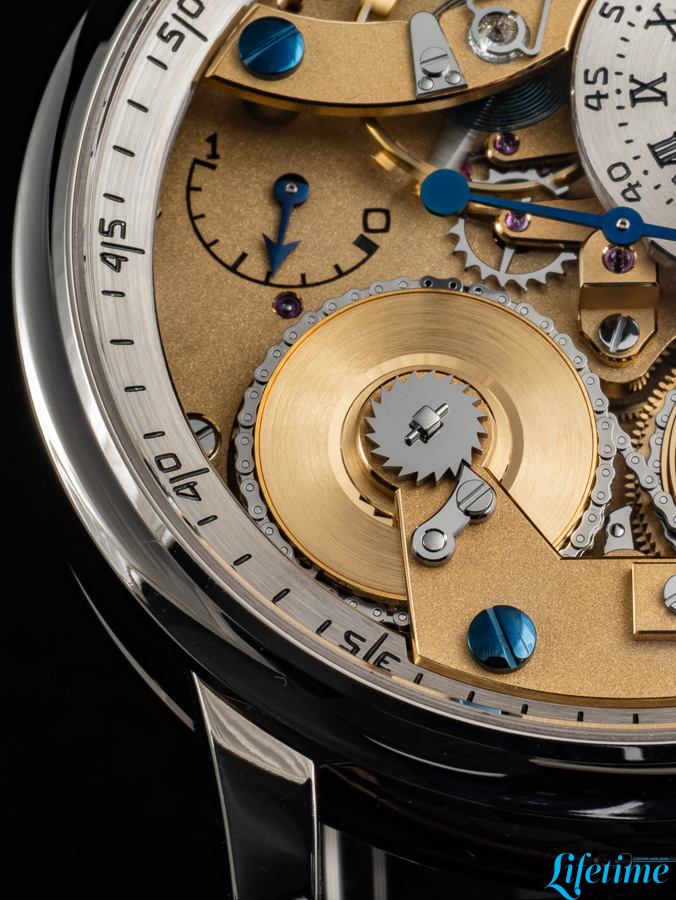
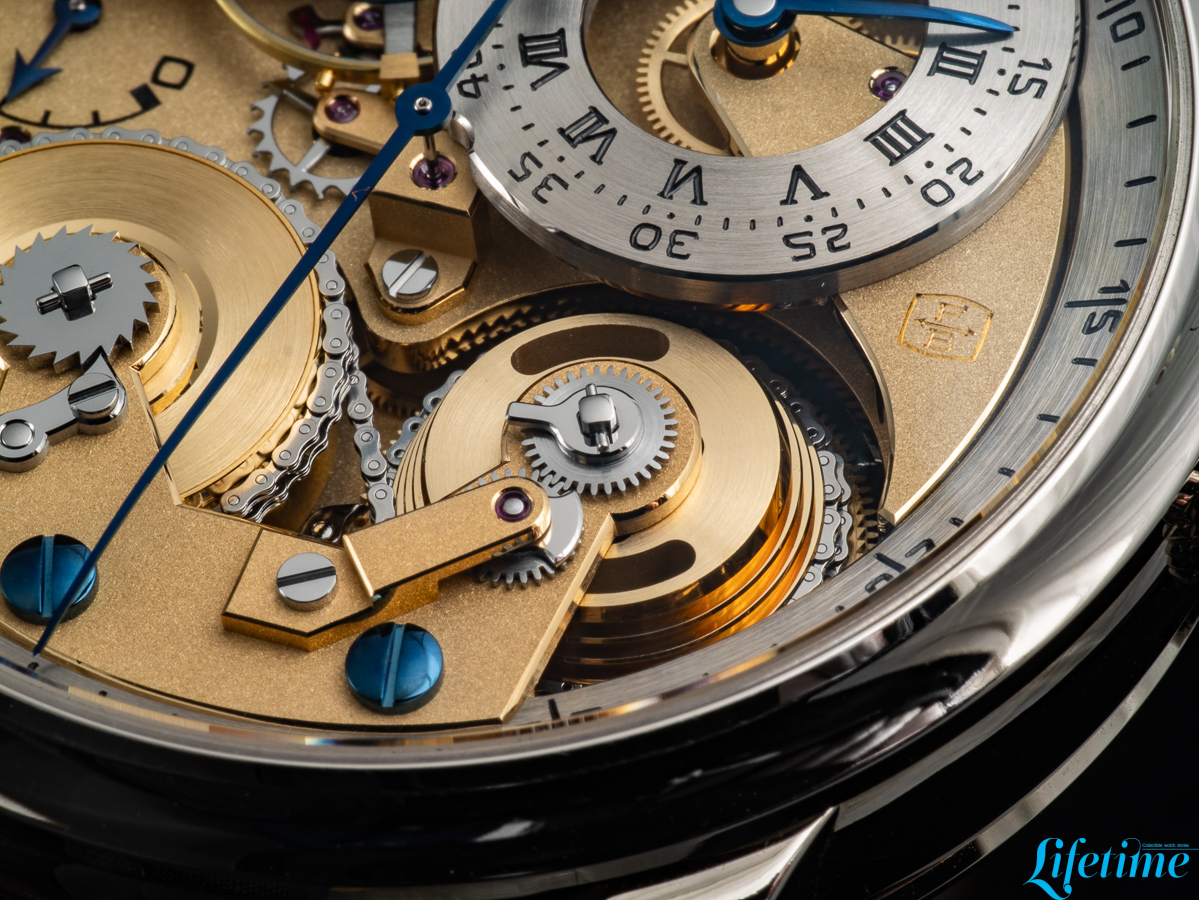
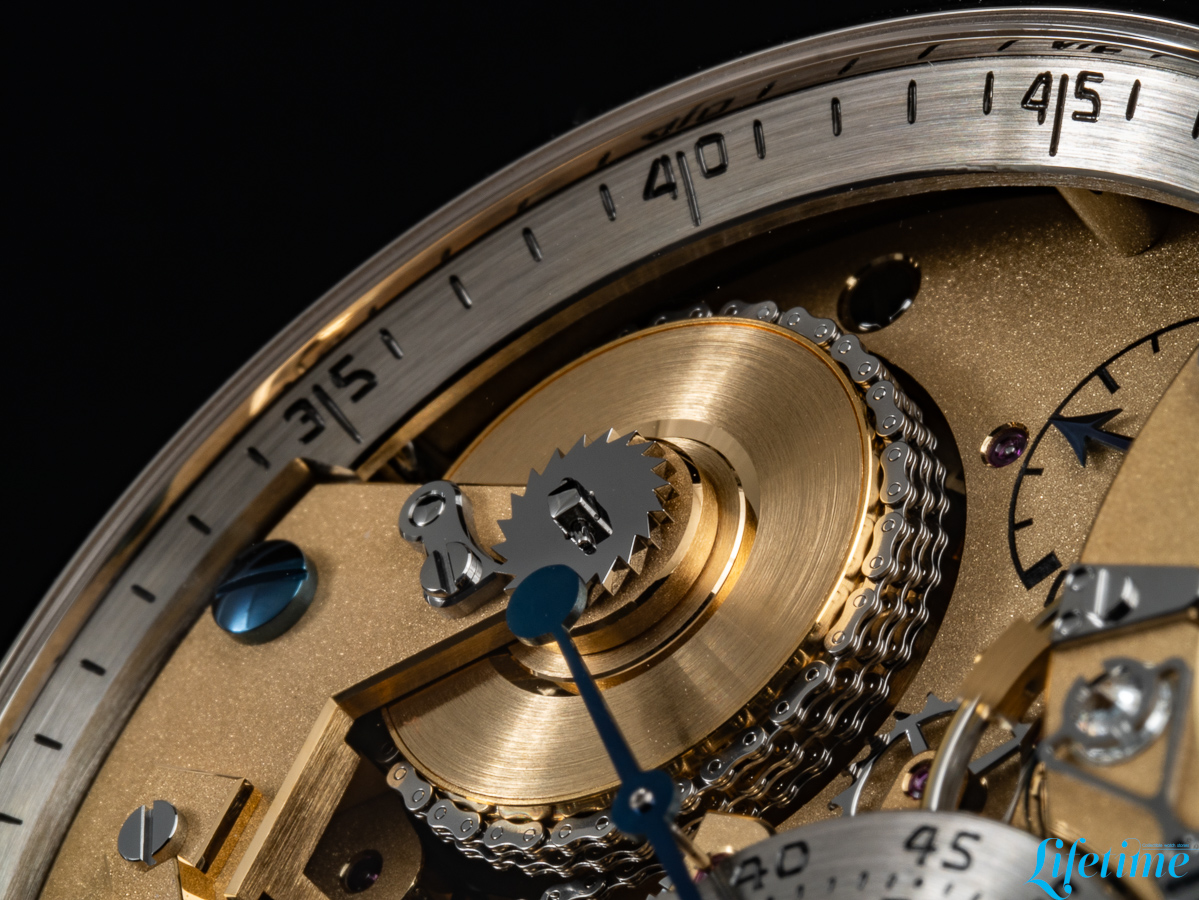
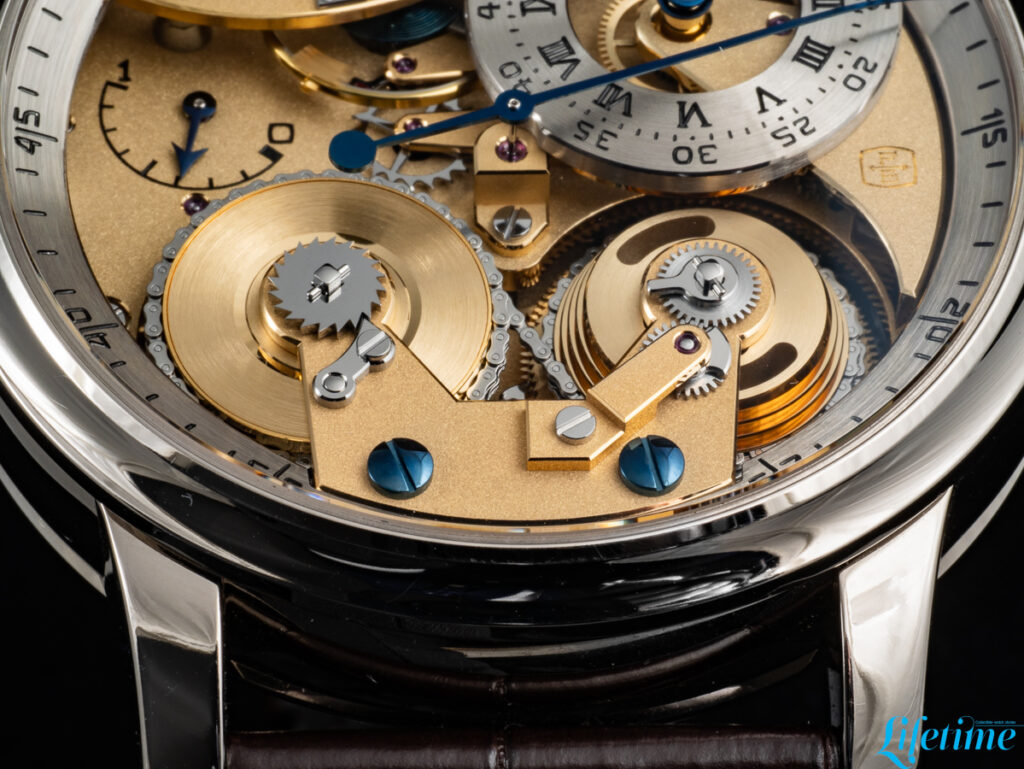 The fusée operates on a lever principle, a cone-shaped component featuring a helical groove. When the mainspring barrel is fully wound, the chain connects to the narrow end of the fusée. As the spring loses energy, the chain moves towards the wider end, thereby lengthening the lever. This increasing radius compensates for the diminishing torque, delivering a constant force to the balance.
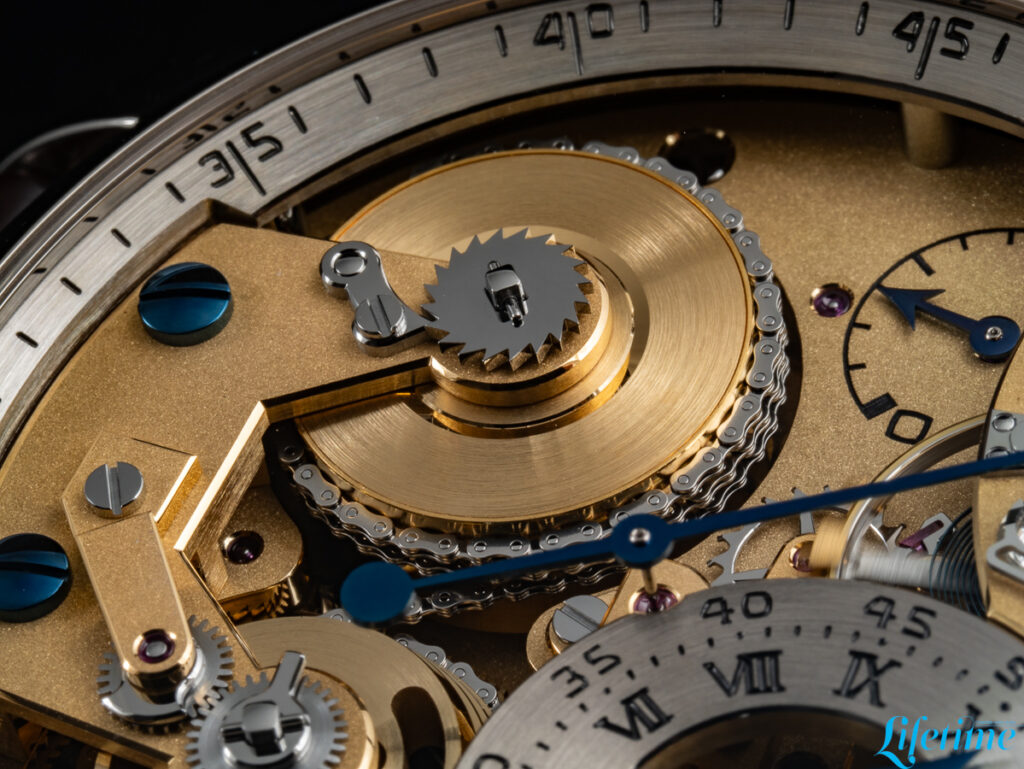 The chain measures 172mm and comprises 477 components, with each link assembled by hand using 191 pins with a maximum diameter of 0.30mm. The level of precision required cannot be overstated. Unlike other Ferdinand Berthoud calibres, the FB-BTC.FC does not use differential gearing for winding. Instead, it employs a winding pawl and an auxiliary spring integrated into the fusée, enabling continued operation for approximately 30 minutes during manual winding.
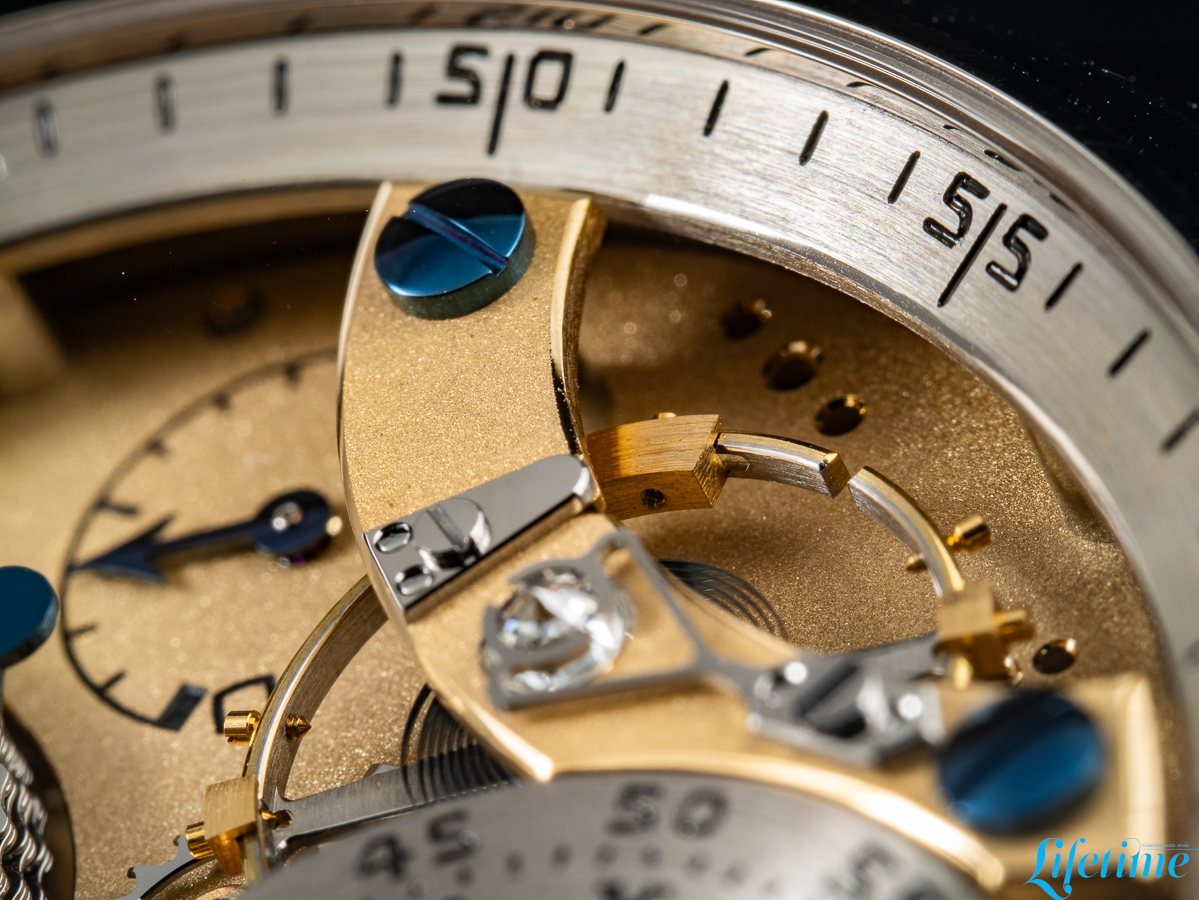
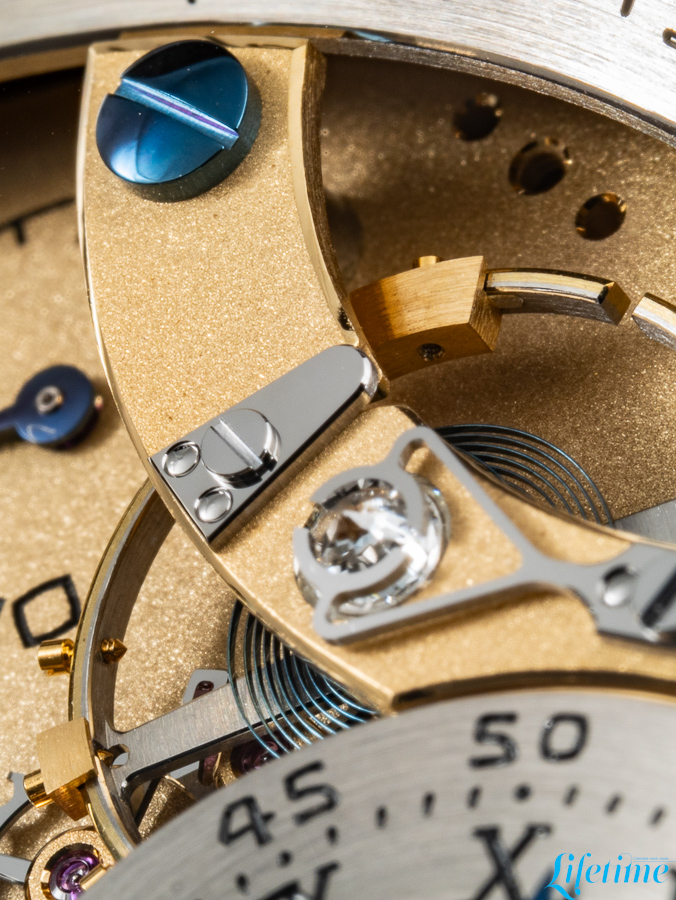
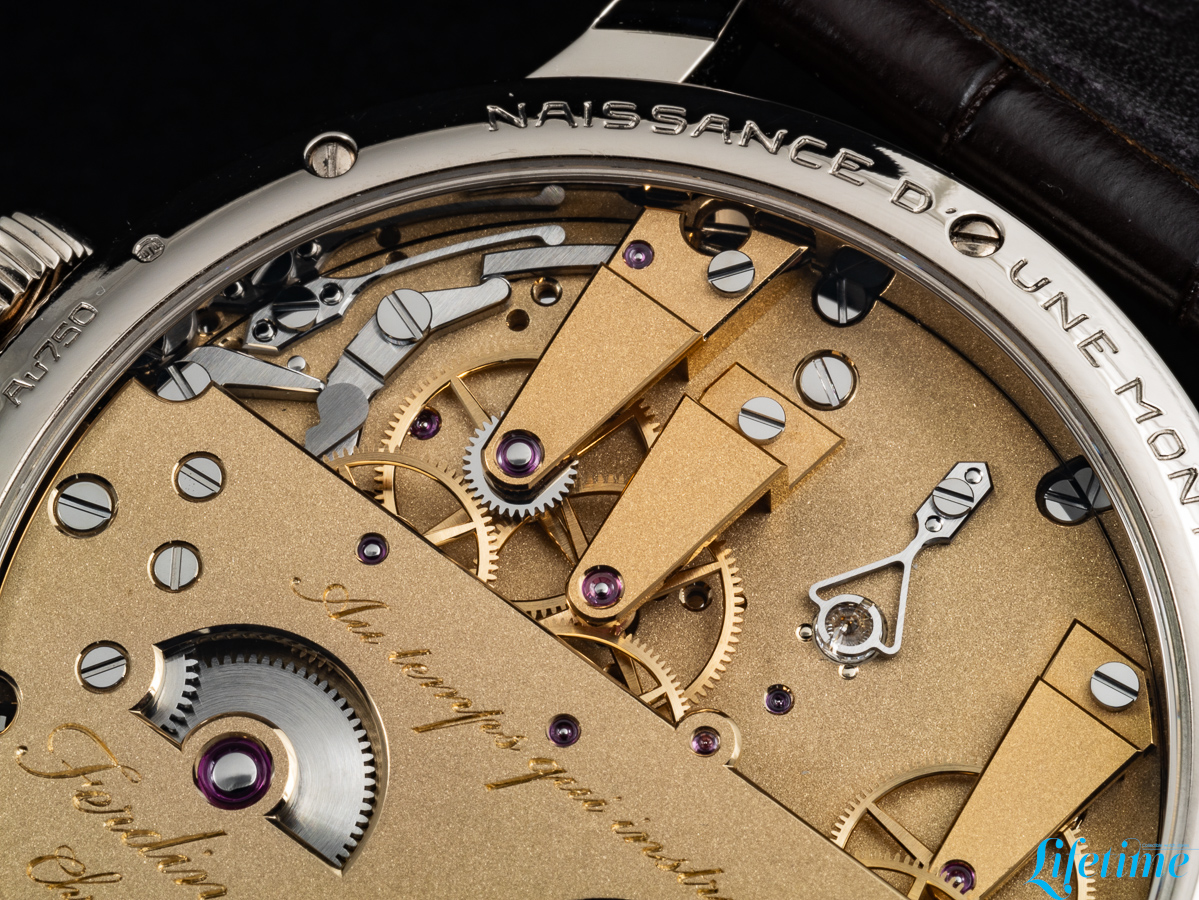
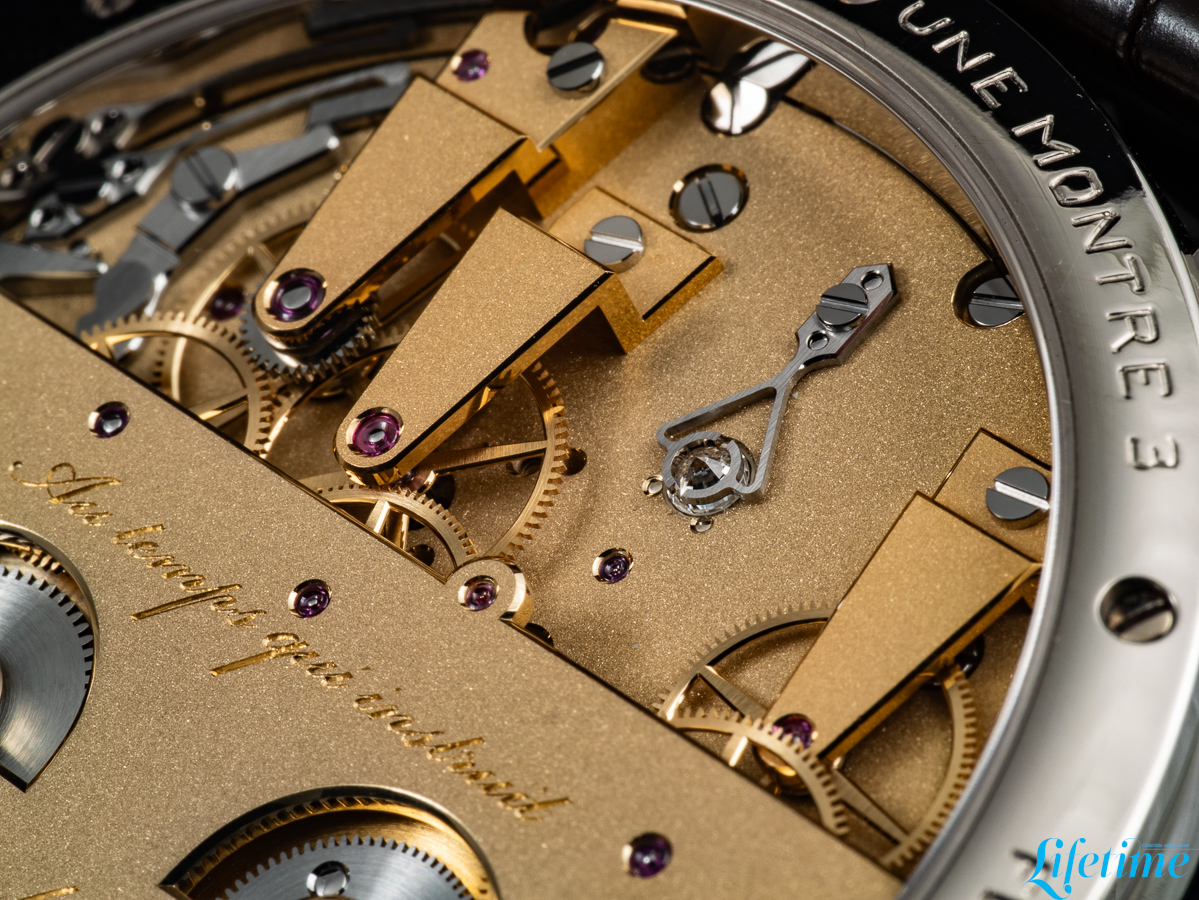
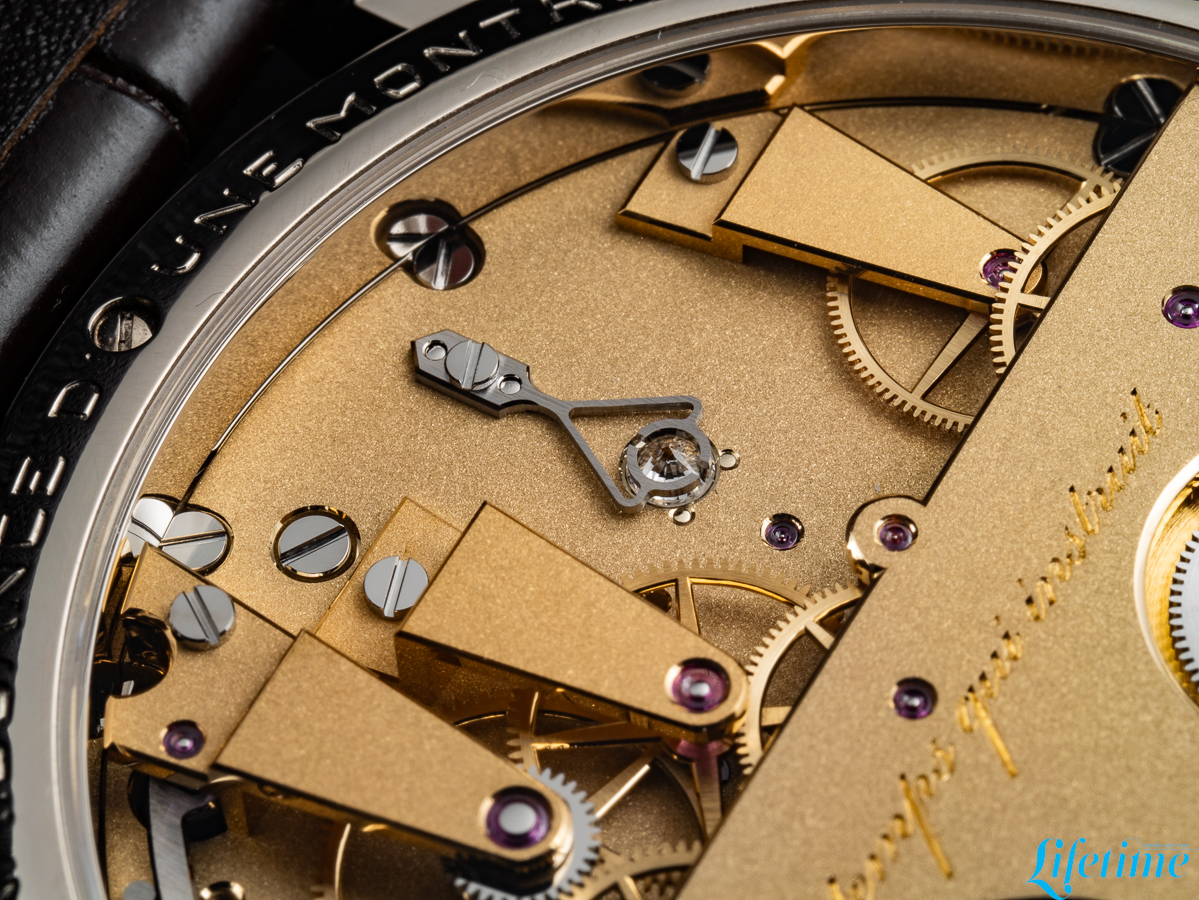
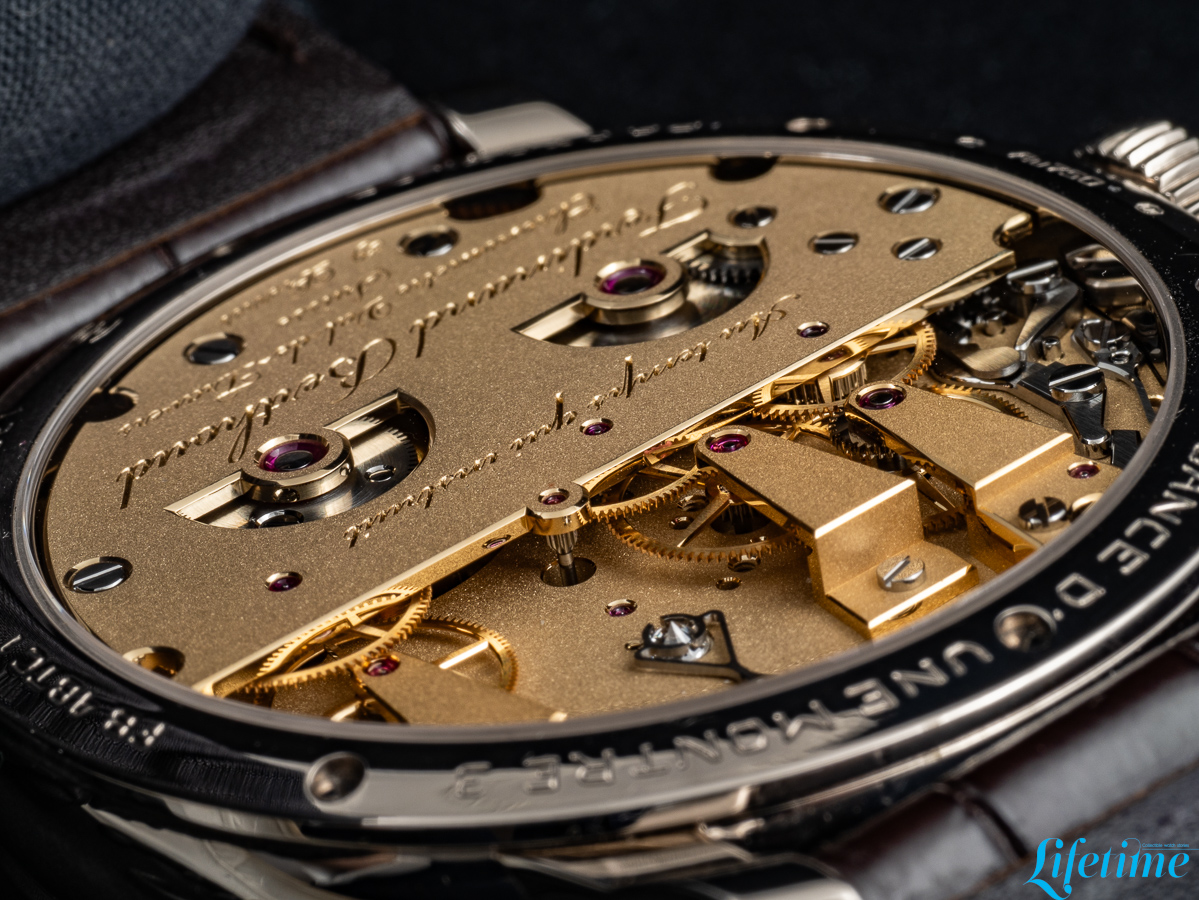
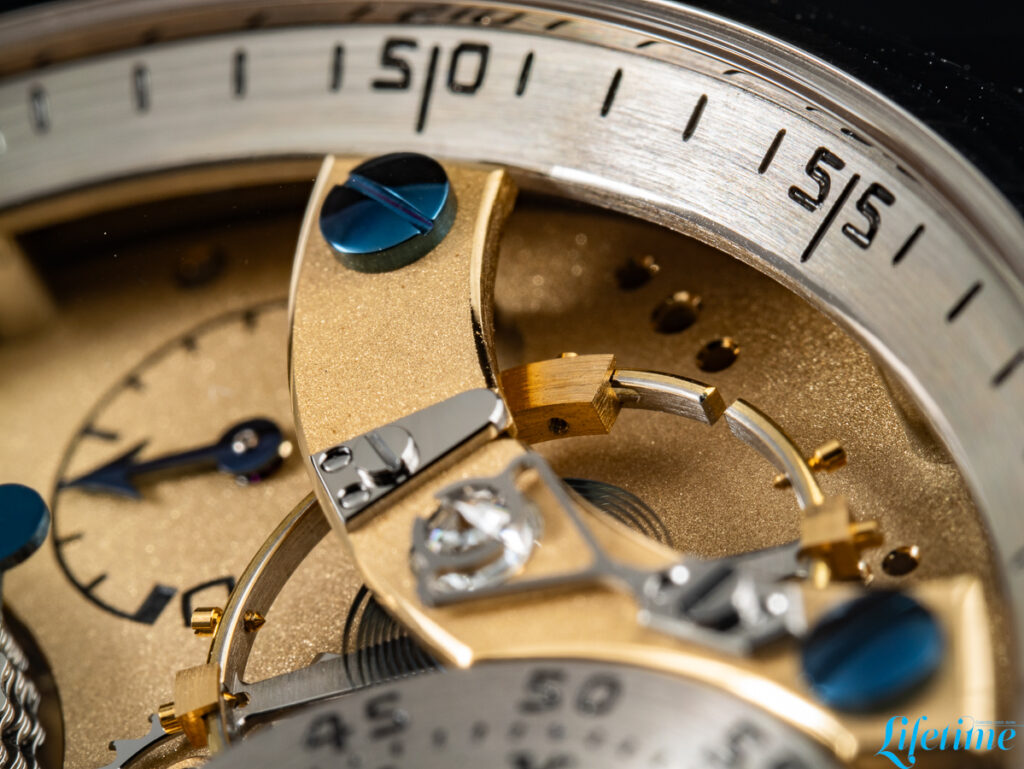 The balance – a 12.56mm-diameter, 18-component Guillaume-type thermo-compensated split balance made of Invar and brass – represents a significant chapter in technical history in its own right. This bimetallic construction compensates for temperature fluctuations through differential thermal expansion, ensuring rate stability across environmental variations. Each steel balance spring is custom-made and hand-finished by a timing specialist prior to final adjustment.
 The Case: Handcrafted Geometry
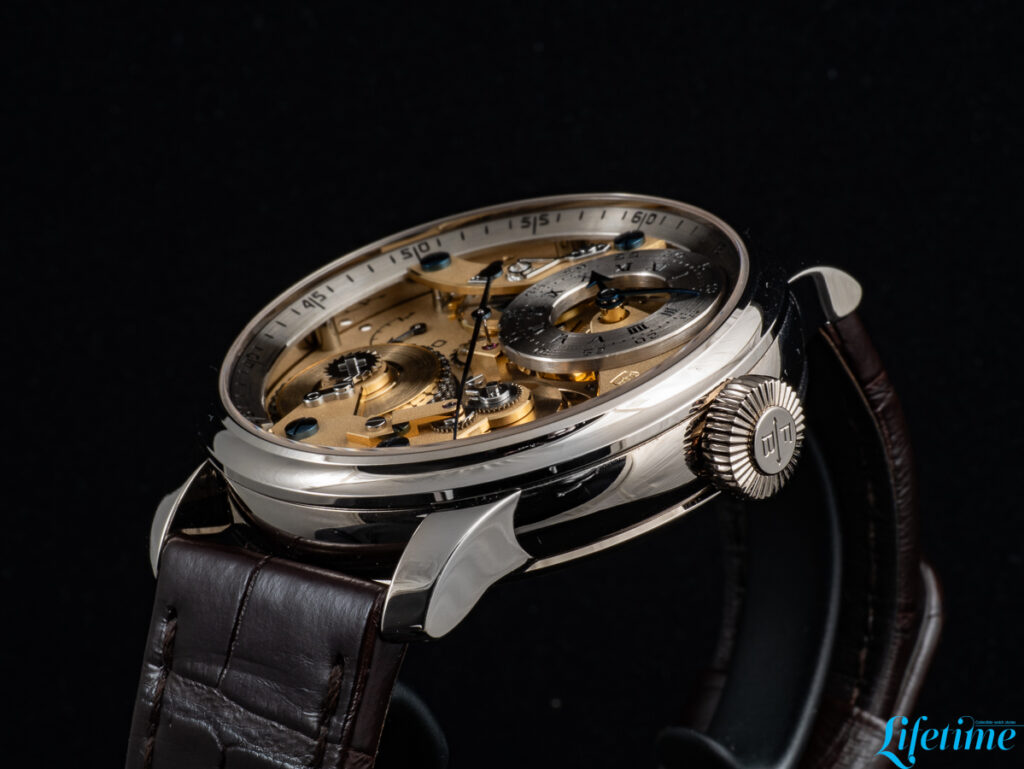
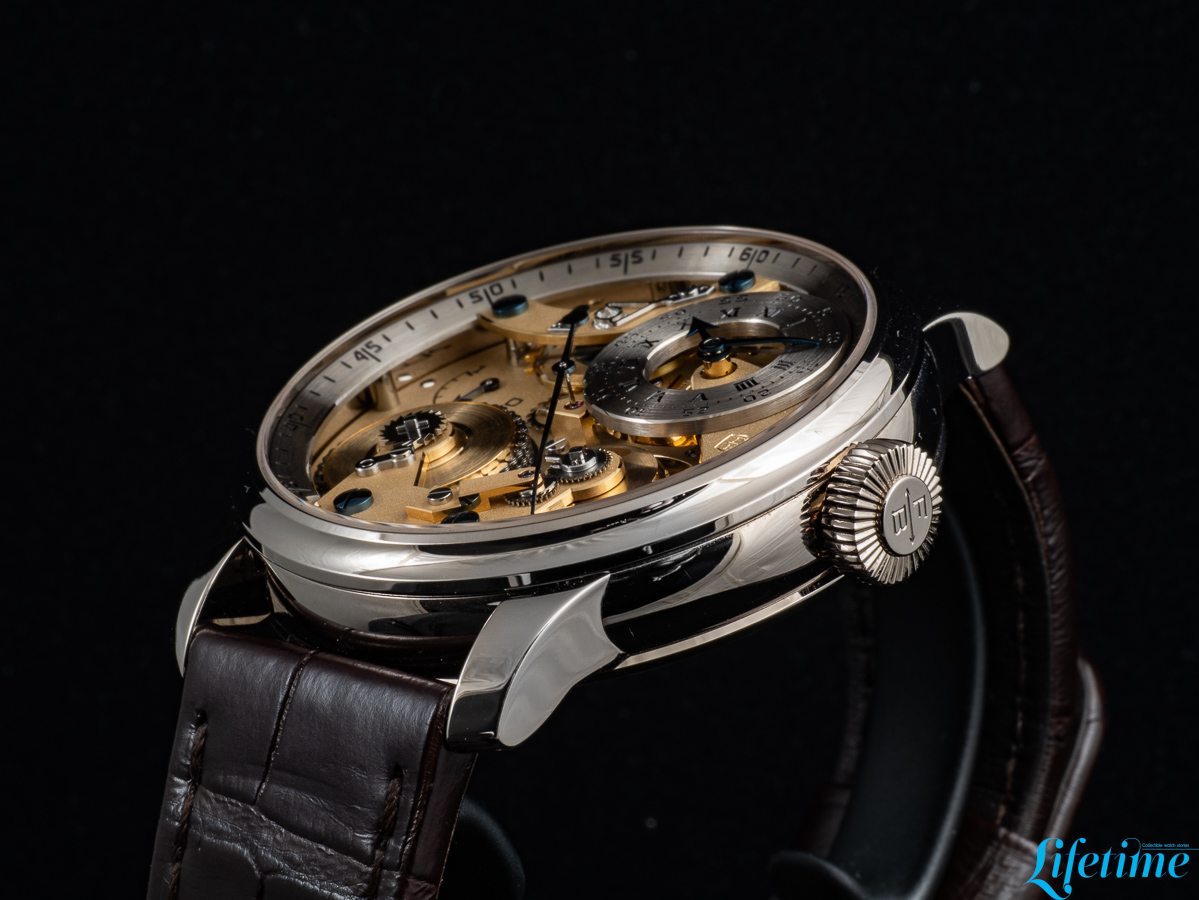
The case measures 44.30mm in diameter and 13mm in thickness. The first piece is made of stainless steel, while subsequent pieces are crafted from 18-carat white gold. The design features curved sides, a concave bezel, and a domed sapphire crystal glare-proofed on both surfaces, as well as welded lugs. These shapes present particular difficulties when being crafted with hand-operated machine tools. A combination of lost-wax casting and turning, milling and tapping enables the production of these complex forms.
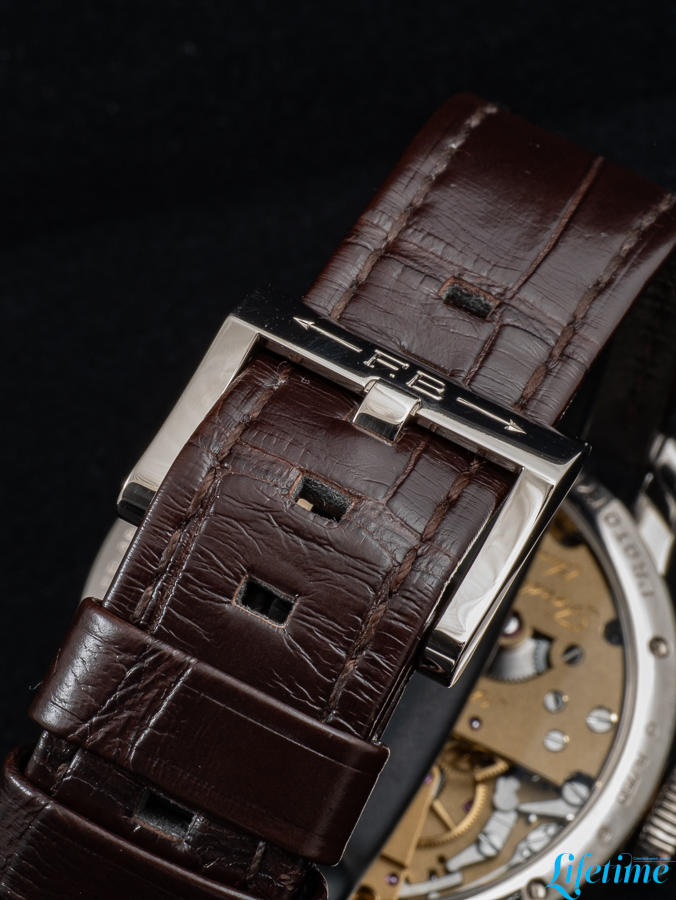
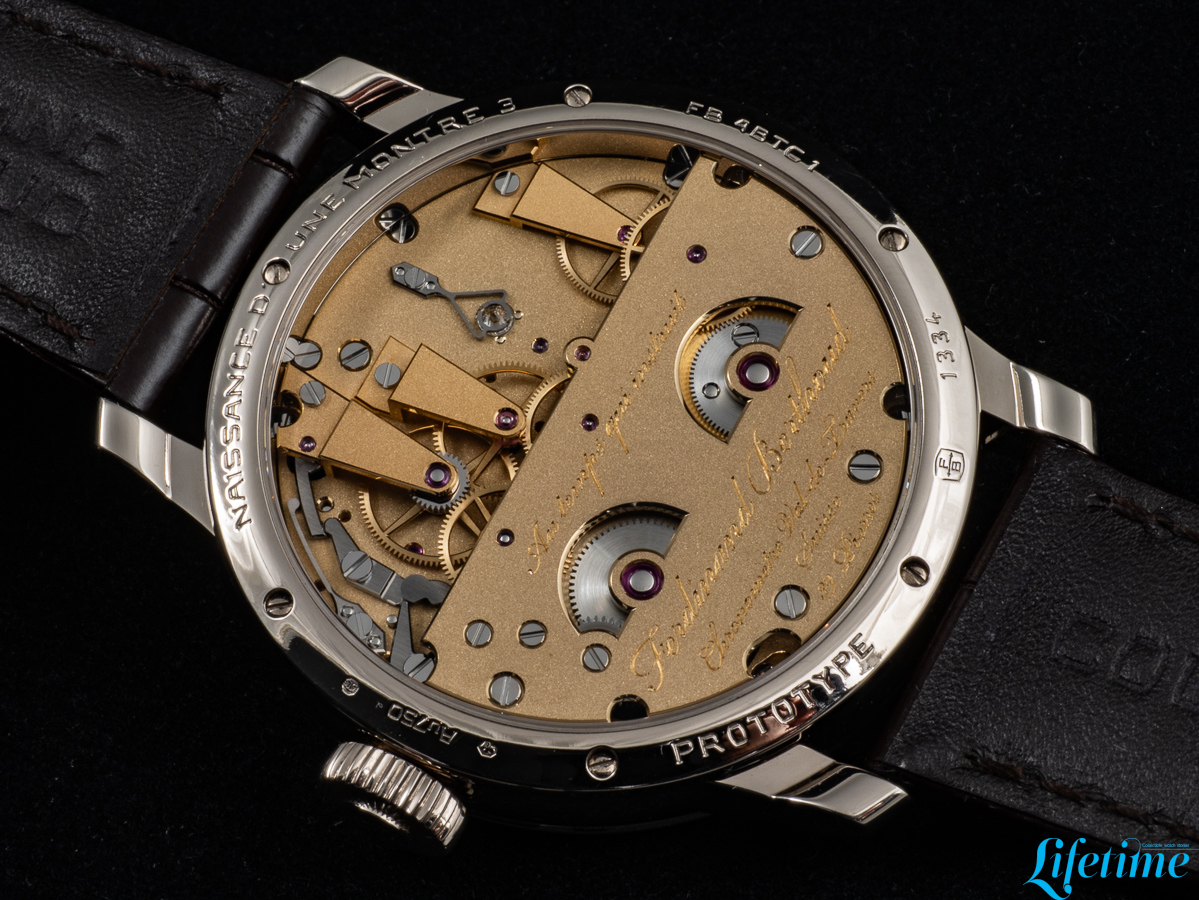
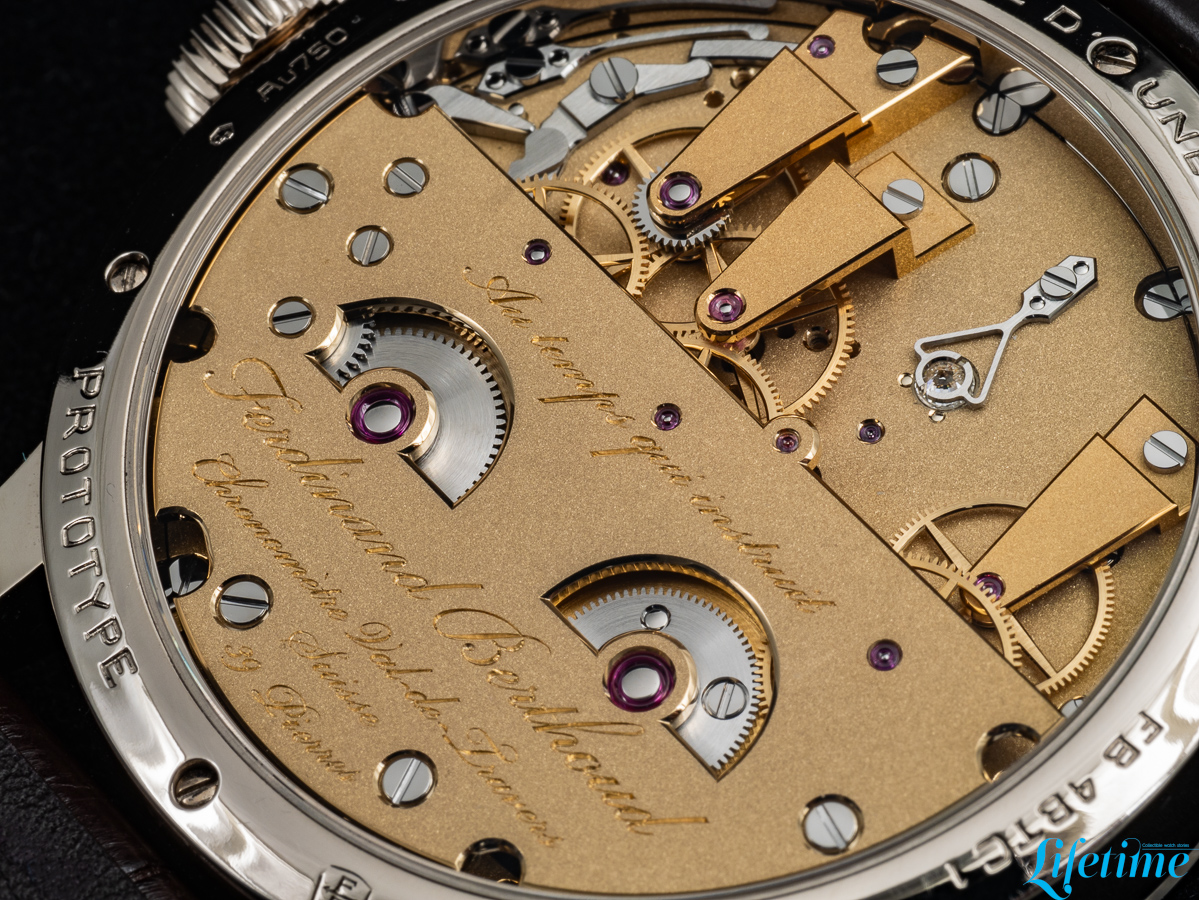
 The water resistance extends to 30 metres. The handcrafted fluted crown measures 8.80mm in diameter and features hand-engraved “FB” branding. The 22mm interhorn width accommodates hand-stitched rolled-edge alligator leather straps. The exhibition caseback, which is handcrafted from 18-carat white gold, is secured with eight screws and houses a glare-proofed sapphire crystal that displays the balance with its diamond endstones.
 Conclusion
Priced at CHF 850,000, the Naissance d’une Montre 3 is an open book showcasing craftsmanship, history and precision. It embodies the legacy of watchmaking from Ferdinand Berthoud to the 21st century, having been passed down from master to apprentice, from hand to hand. The first piece debuted at Phillips’ November 2025 auction, and ten additional gold examples will follow from 2026 onwards, at a rate of two per year. Proceeds will contribute to charities dedicated to preserving watchmaking expertise for future generations. In an industry increasingly seduced by automation and efficiency, this watch asks whether there is still space for knowledge that cannot be digitised. The answer, encapsulated within its 44.30mm case of gold and steel, is that such space must exist.










Share this article

LEAVE A COMMENT
You must be logged in to post a comment.