



Two Faces of One Legacy: Louis Moinet 1816 and 1806 Observatory Chronometer


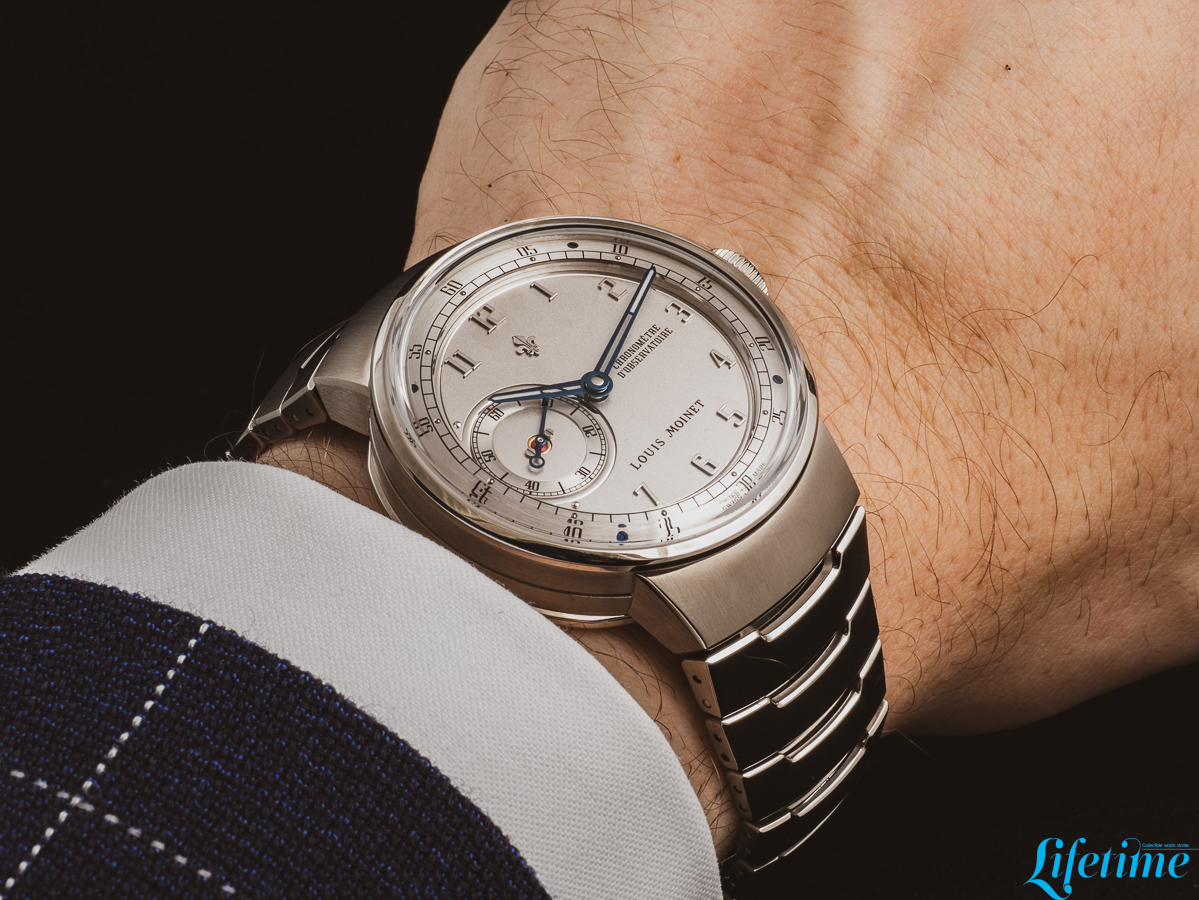

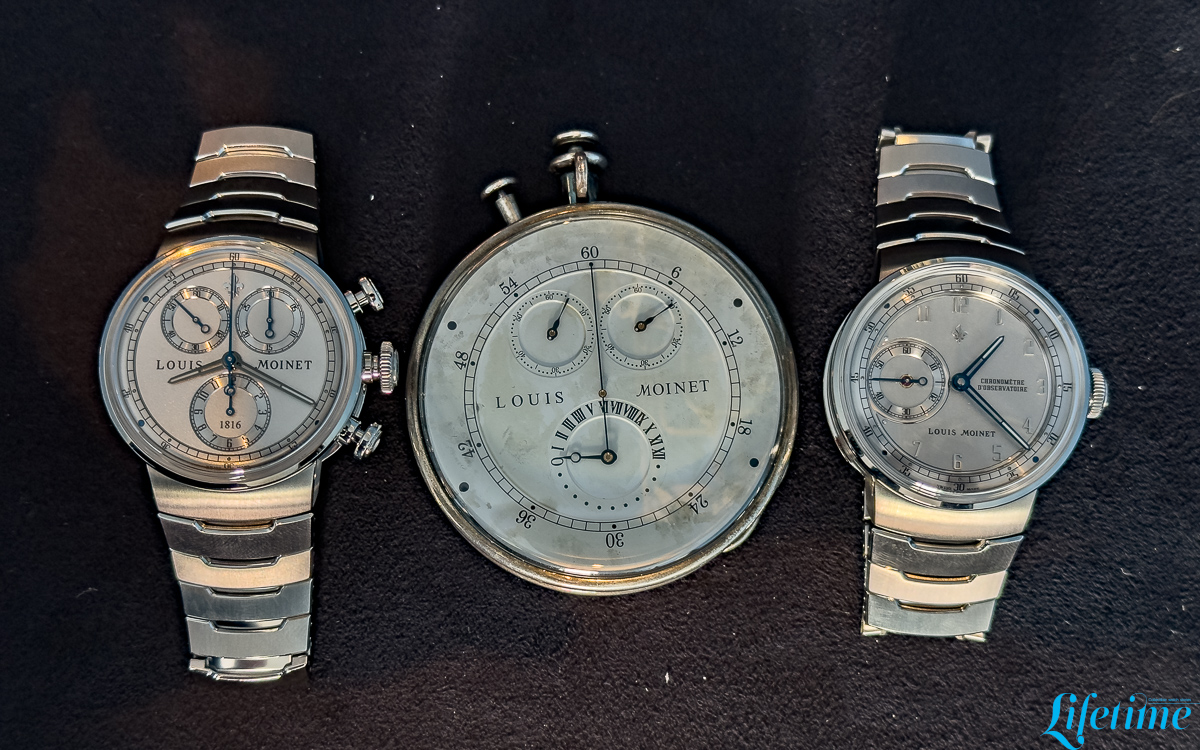
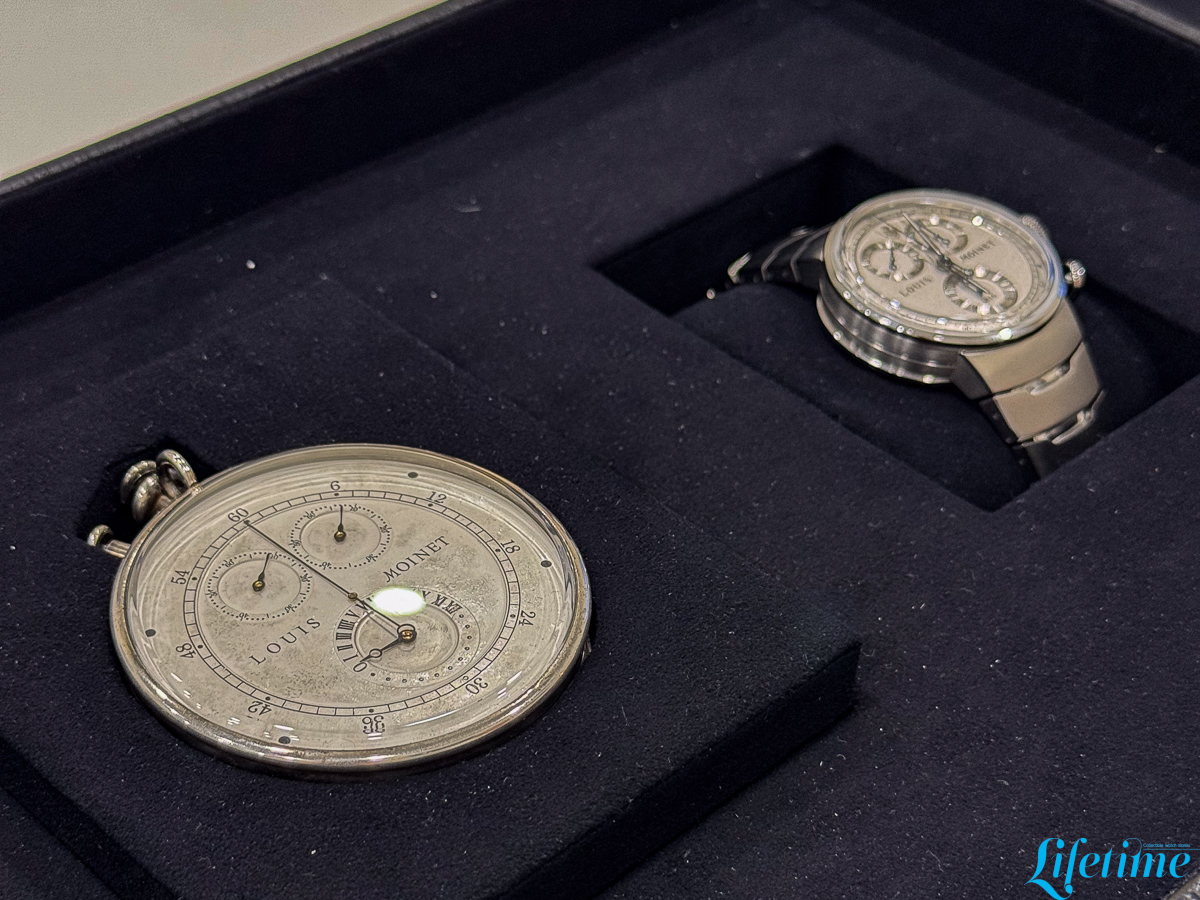
Les Ateliers Louis Moinet has taken one historical obsession and channelled it into two distinct philosophical positions. The 1816 Chronograph honours the world’s first chronograph – Moinet’s 1816 Compteur de Tierces – through a hand-wound column-wheel movement of considerable mechanical complexity. The 1806 Observatory Chronometer traces its inspiration to the precision clock Moinet created for Napoleon, and it carries external certification from the Geneva Astronomical Observatory. While both models share Grade 5 titanium cases, rhodium dials, and the manufacture’s inaugural BRIDGE bracelet, they cater to vastly different collector priorities.


The Dials
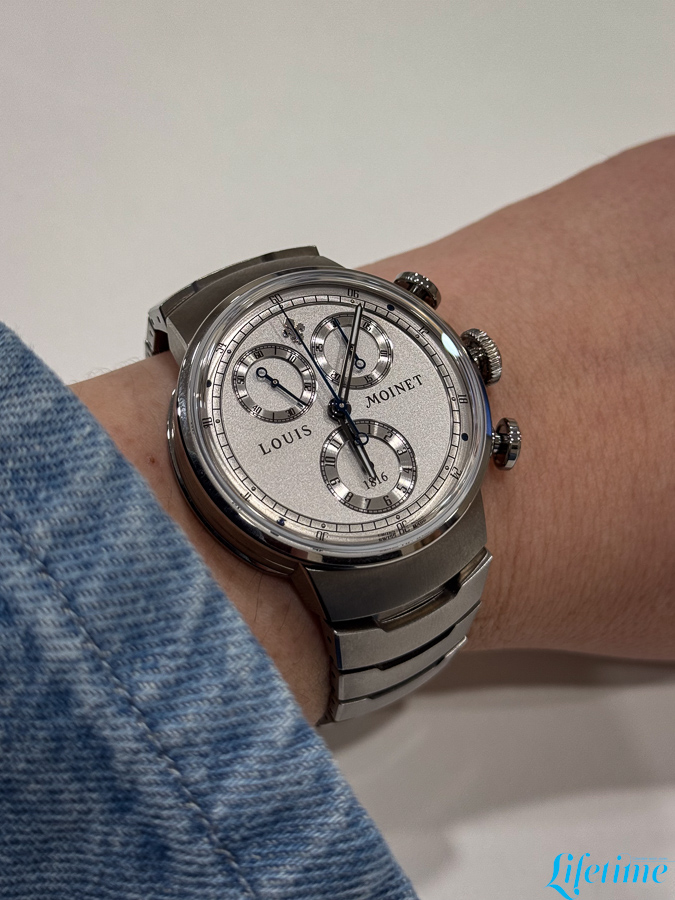
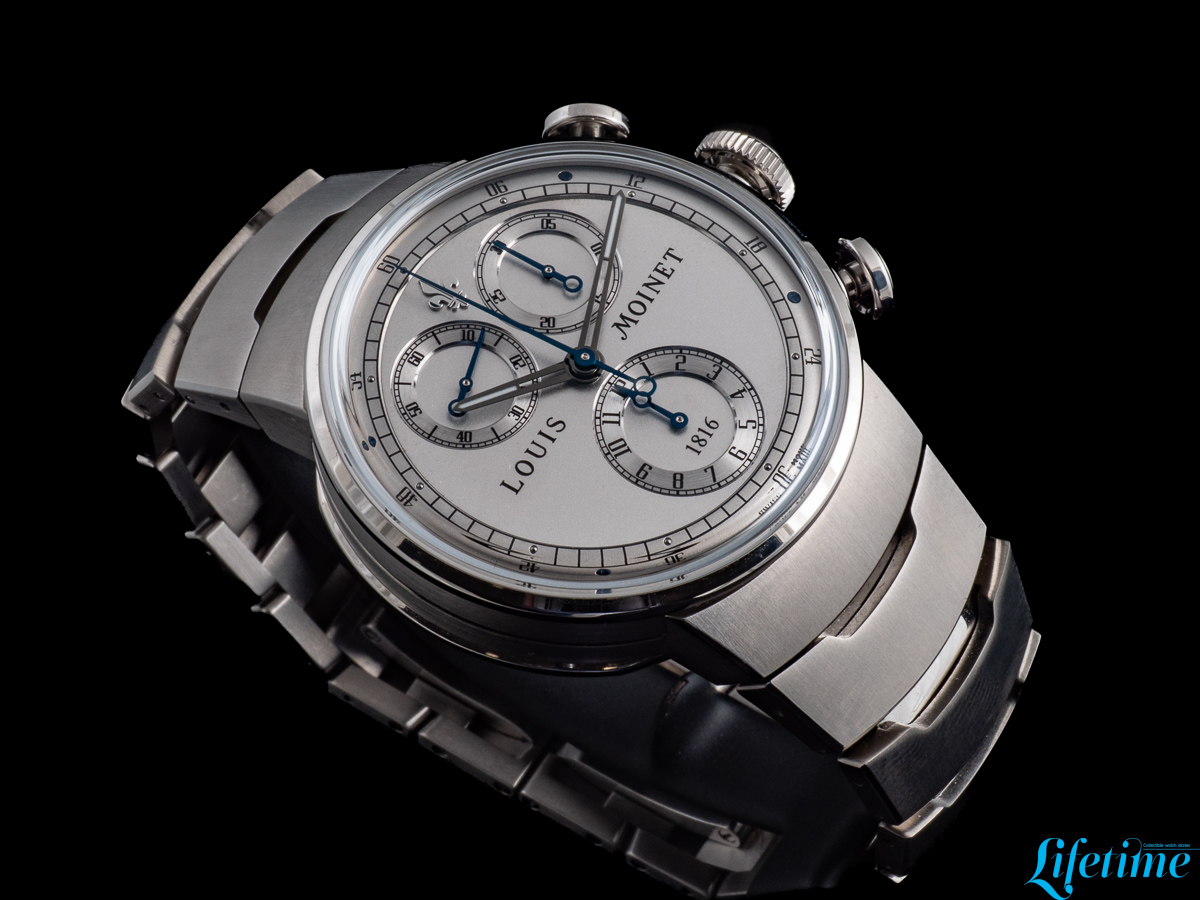
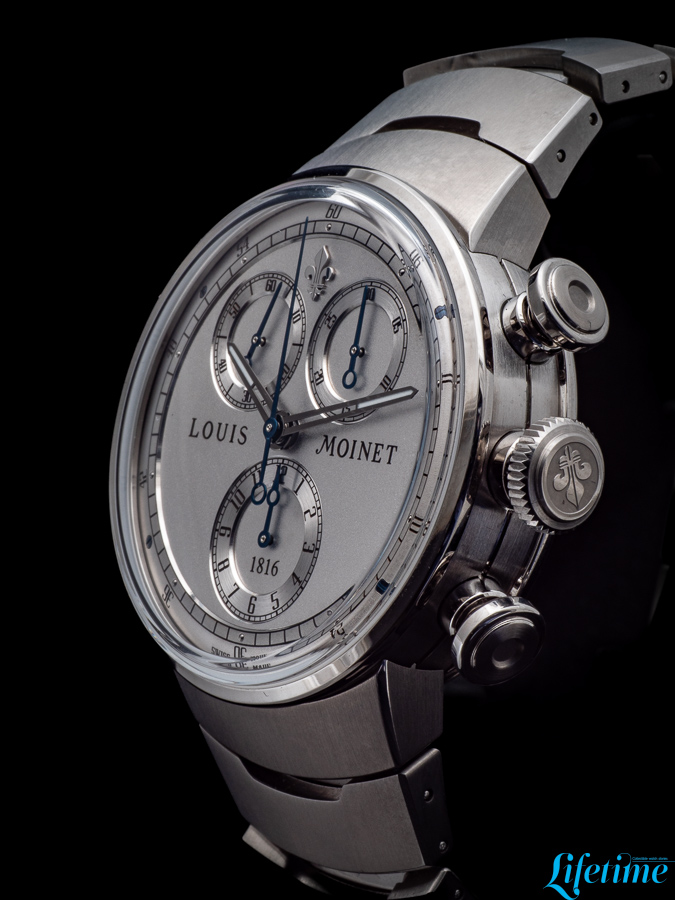
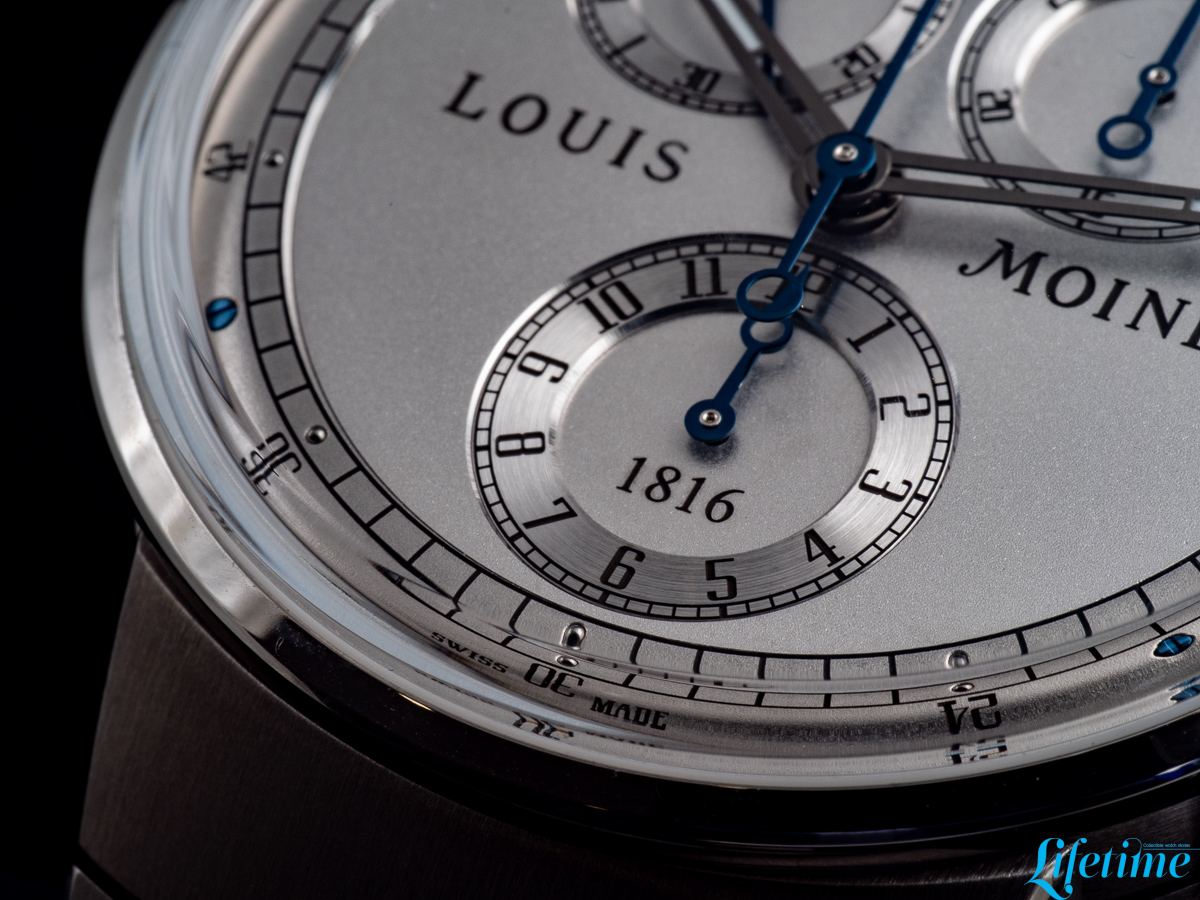
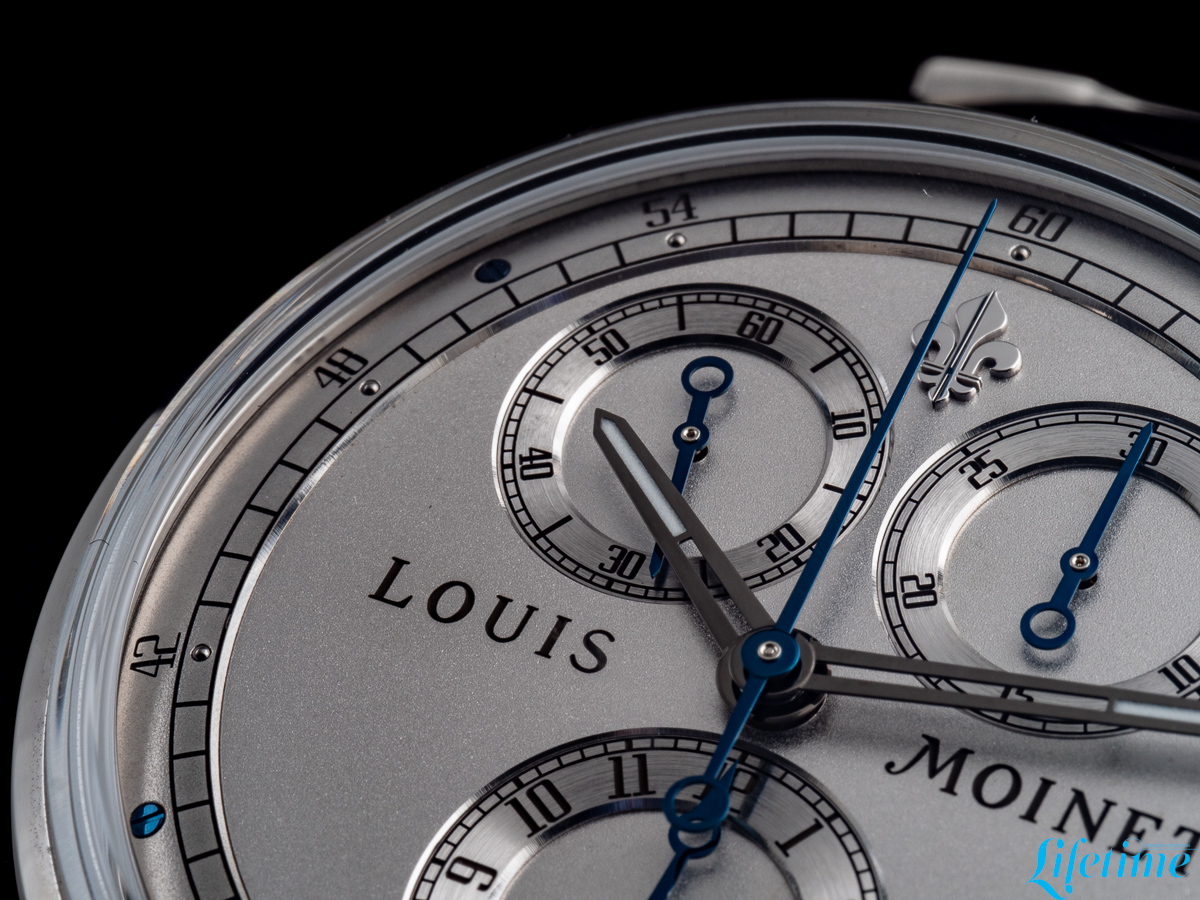
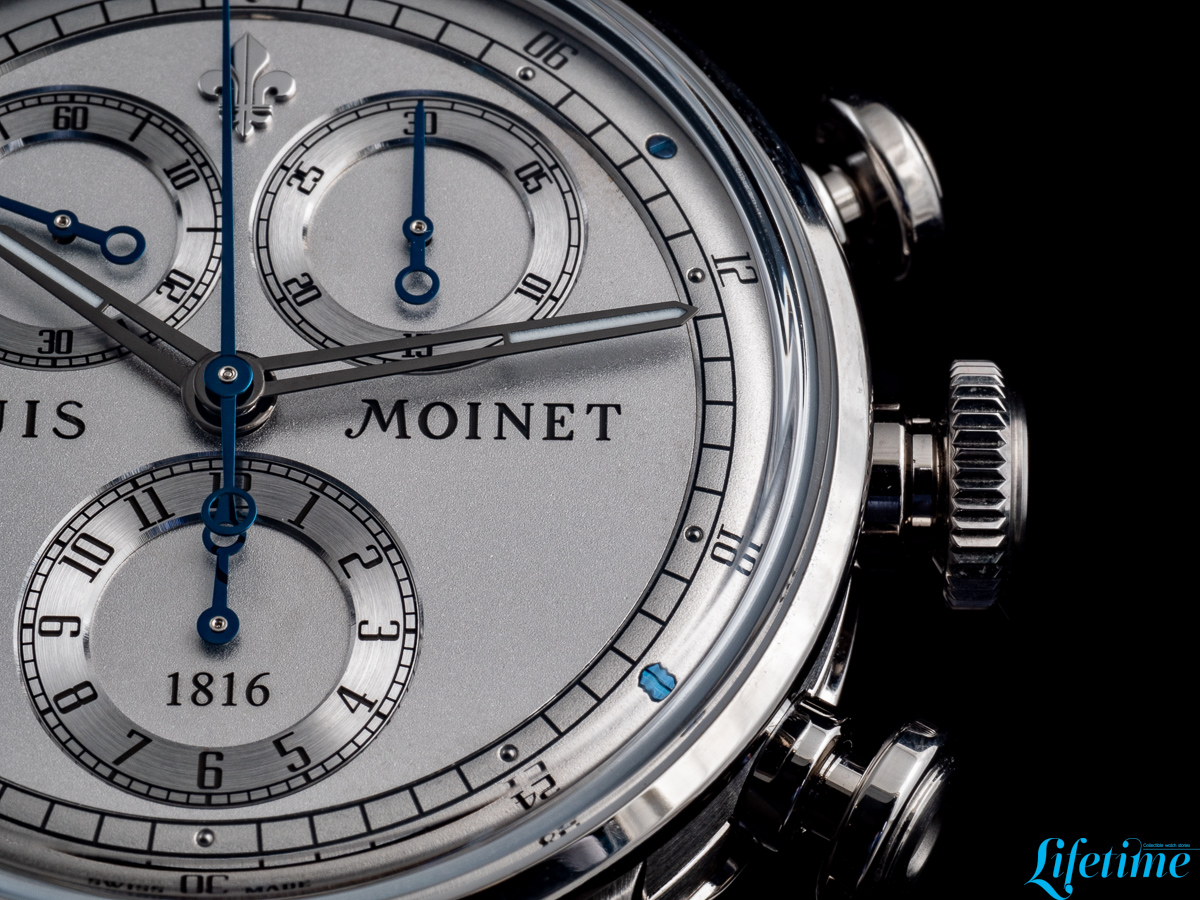
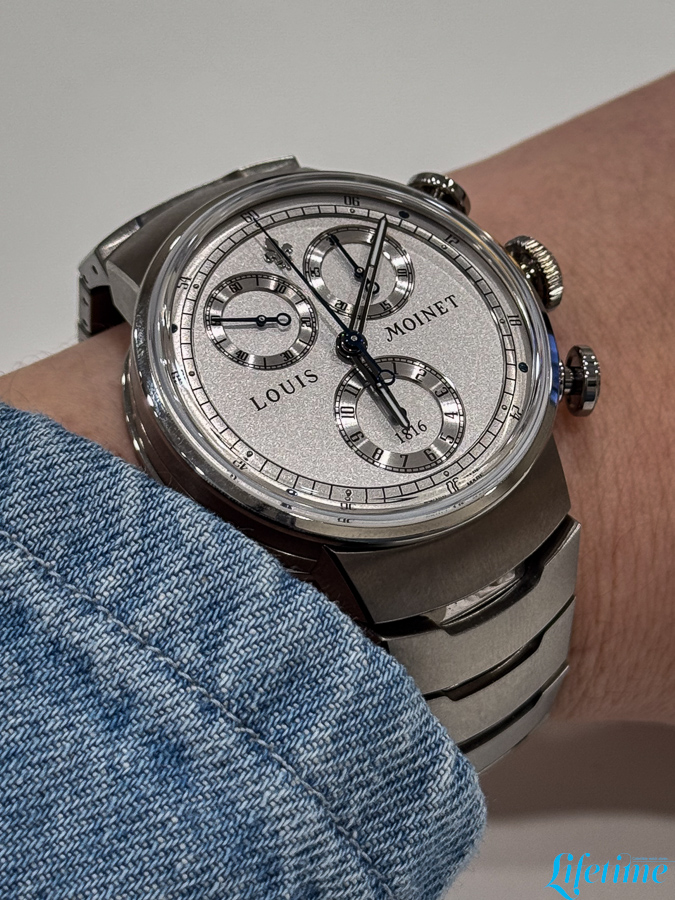
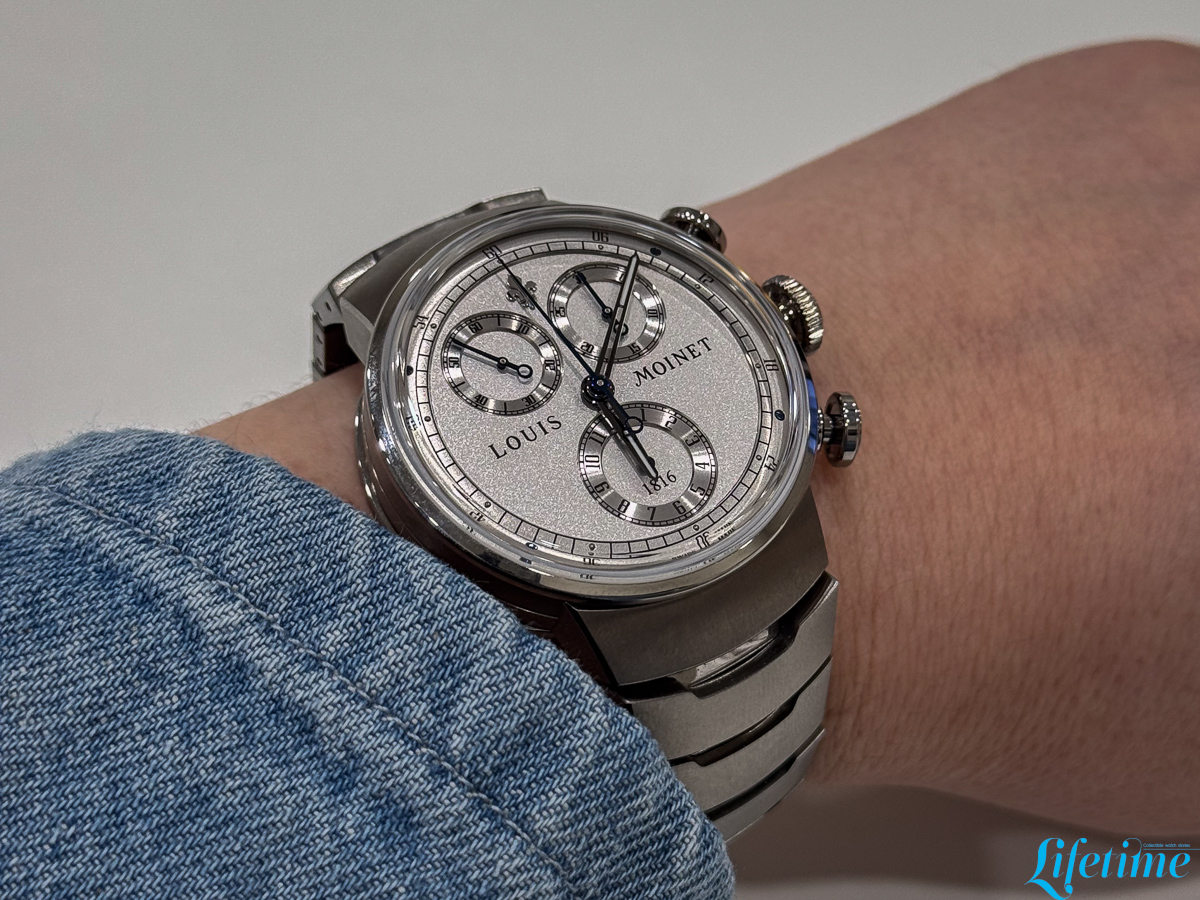
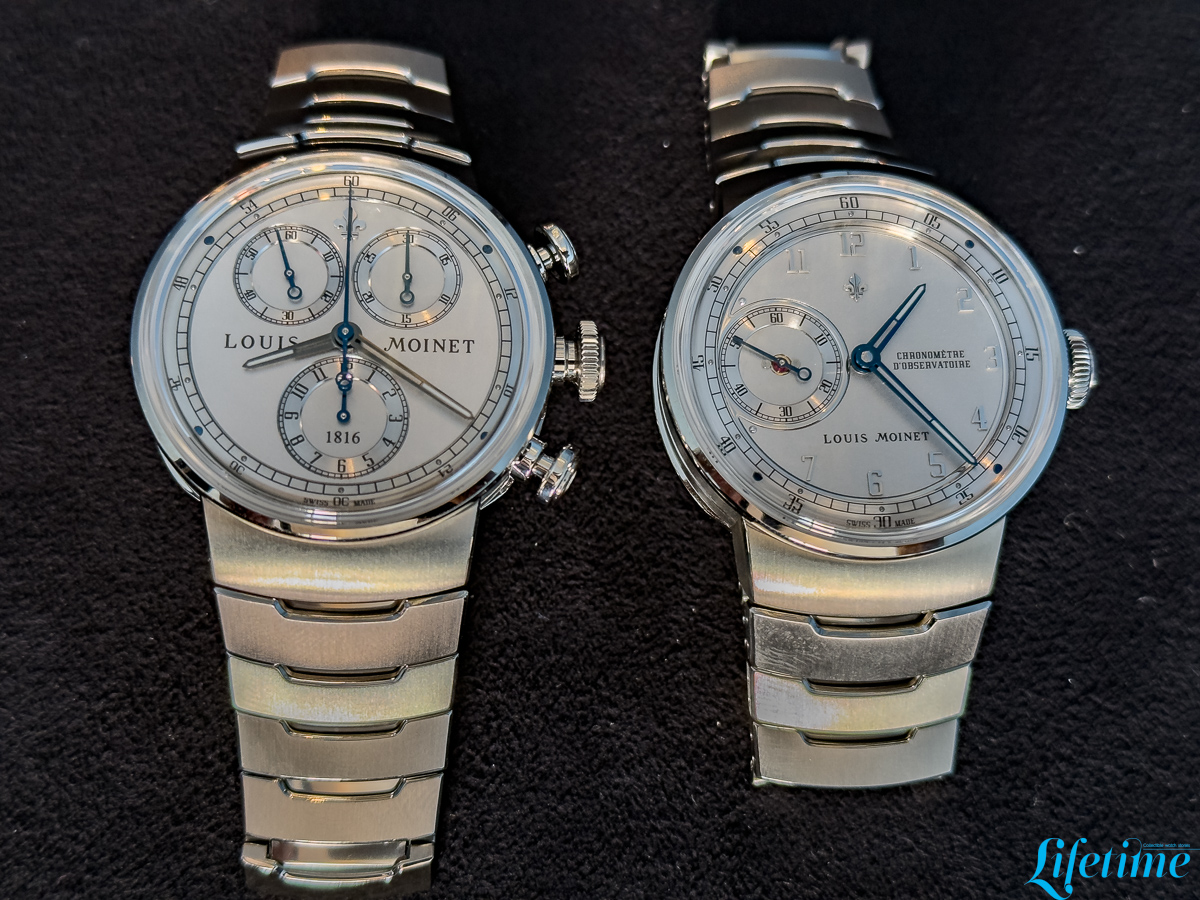
Both dials are finished in rhodium – a shared foundation that creates immediate visual kinship between the two pieces. The 1816’s 23-component dial exudes genuine complexity: a central chronograph hand, set between a 30-minute totaliser and a running seconds subdial at 10 and 2 o’clock, respectively, with a 12-hour counter at 6 o’clock, and a bead-blasted flange divided into six-minute increments that reference the original Compteur de Tierces’s sixtieths-of-a-second scale directly. Ten blackened nickel cabochons and four blued-steel screws punctuate the surface, while the faceted, skeletonised hour and minute hands cut across the cool rhodium backdrop with authority.
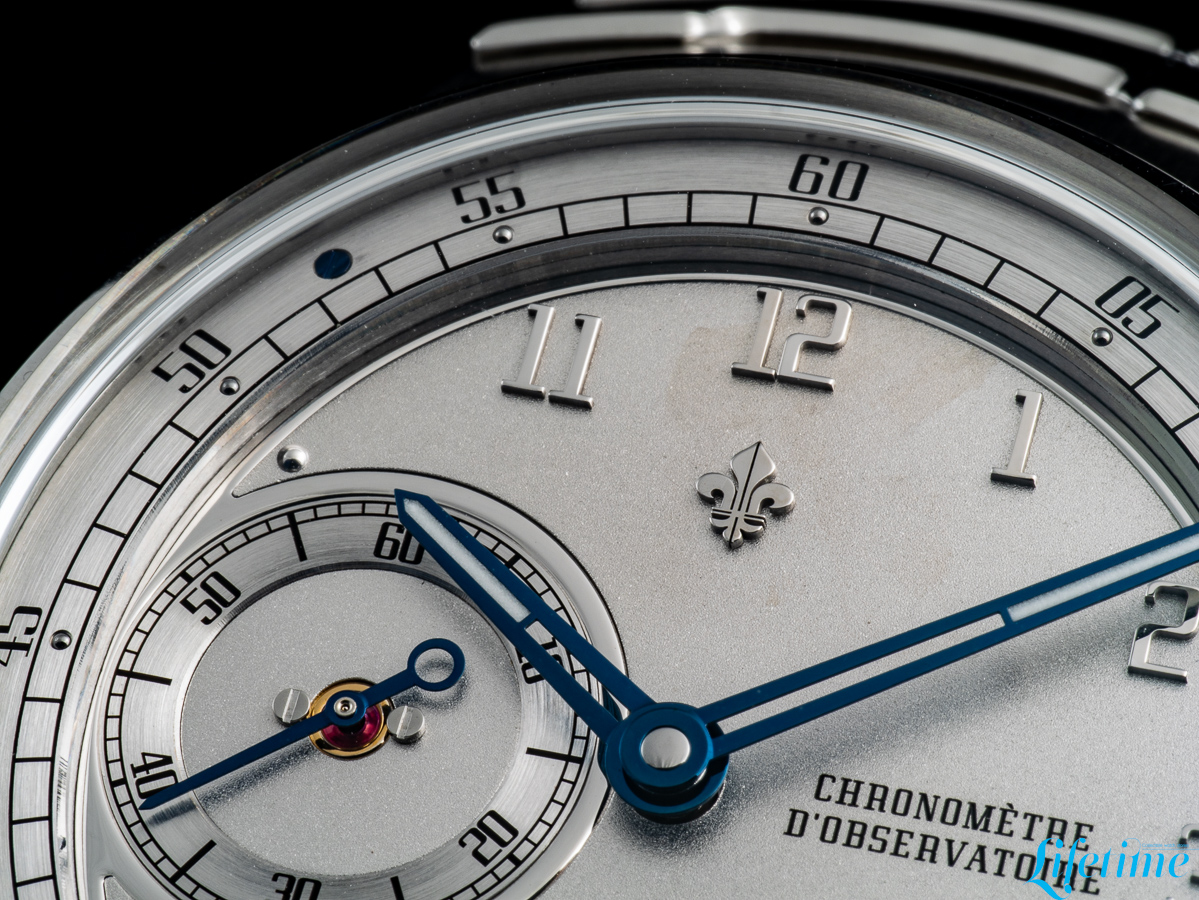

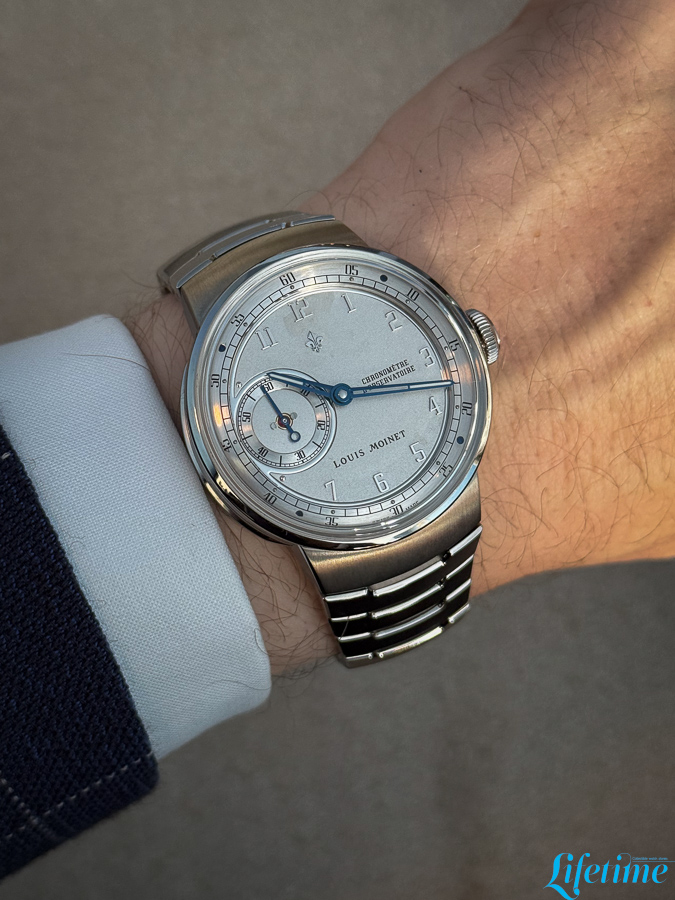
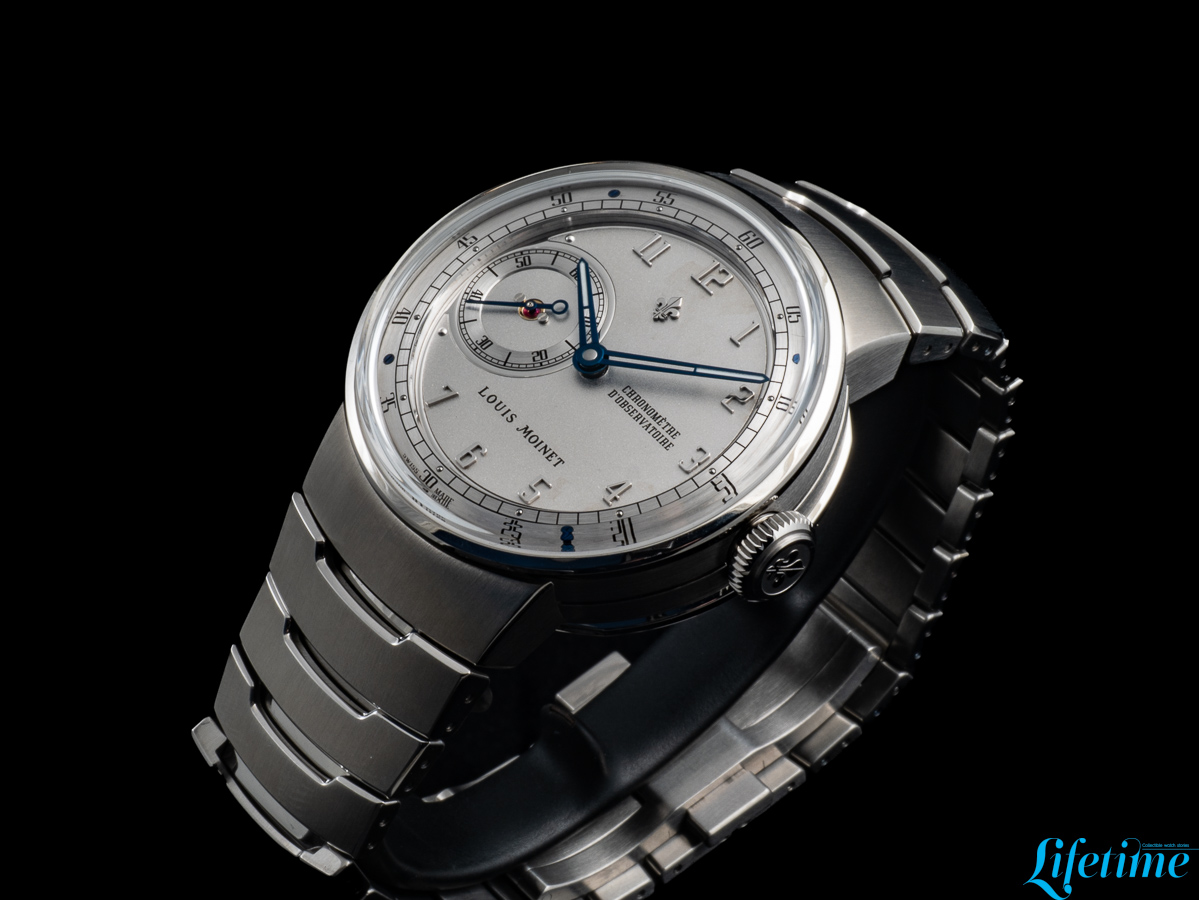
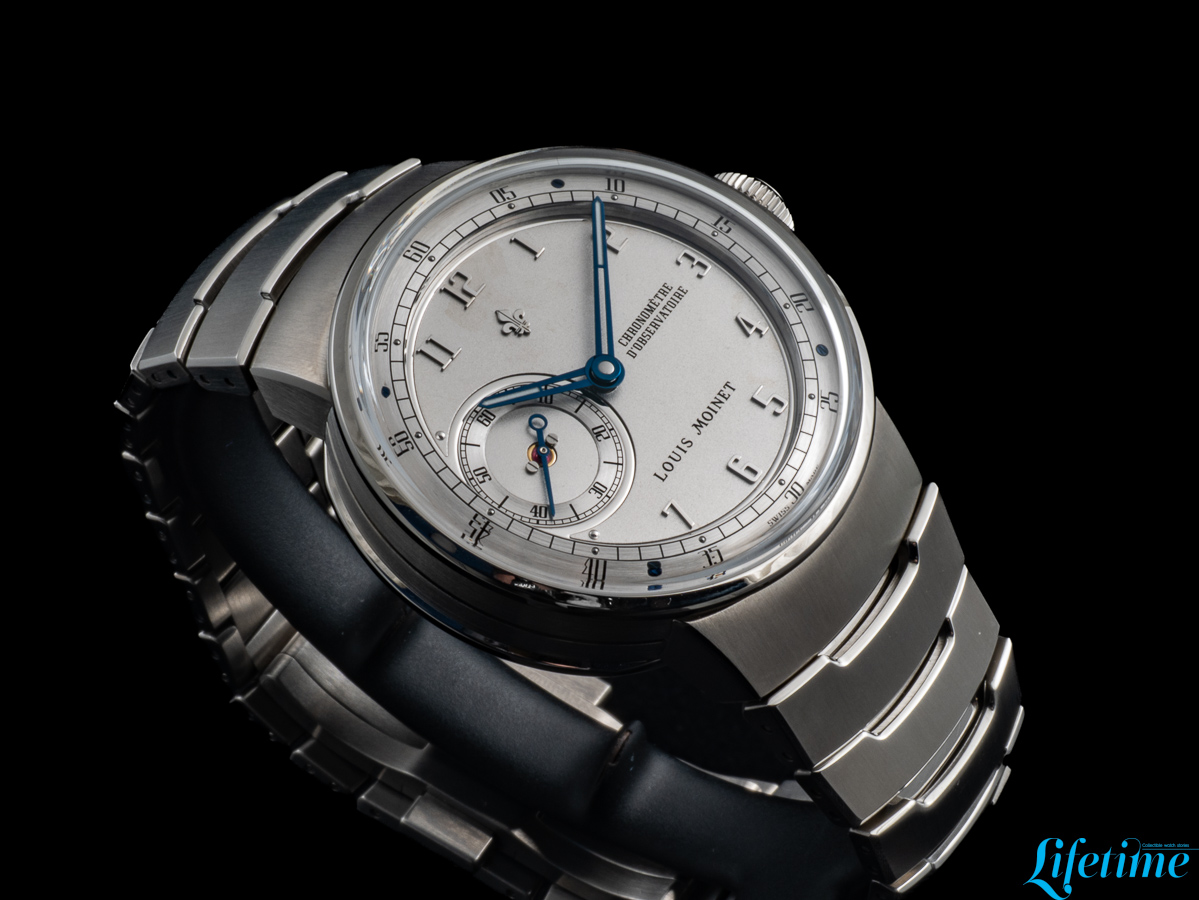
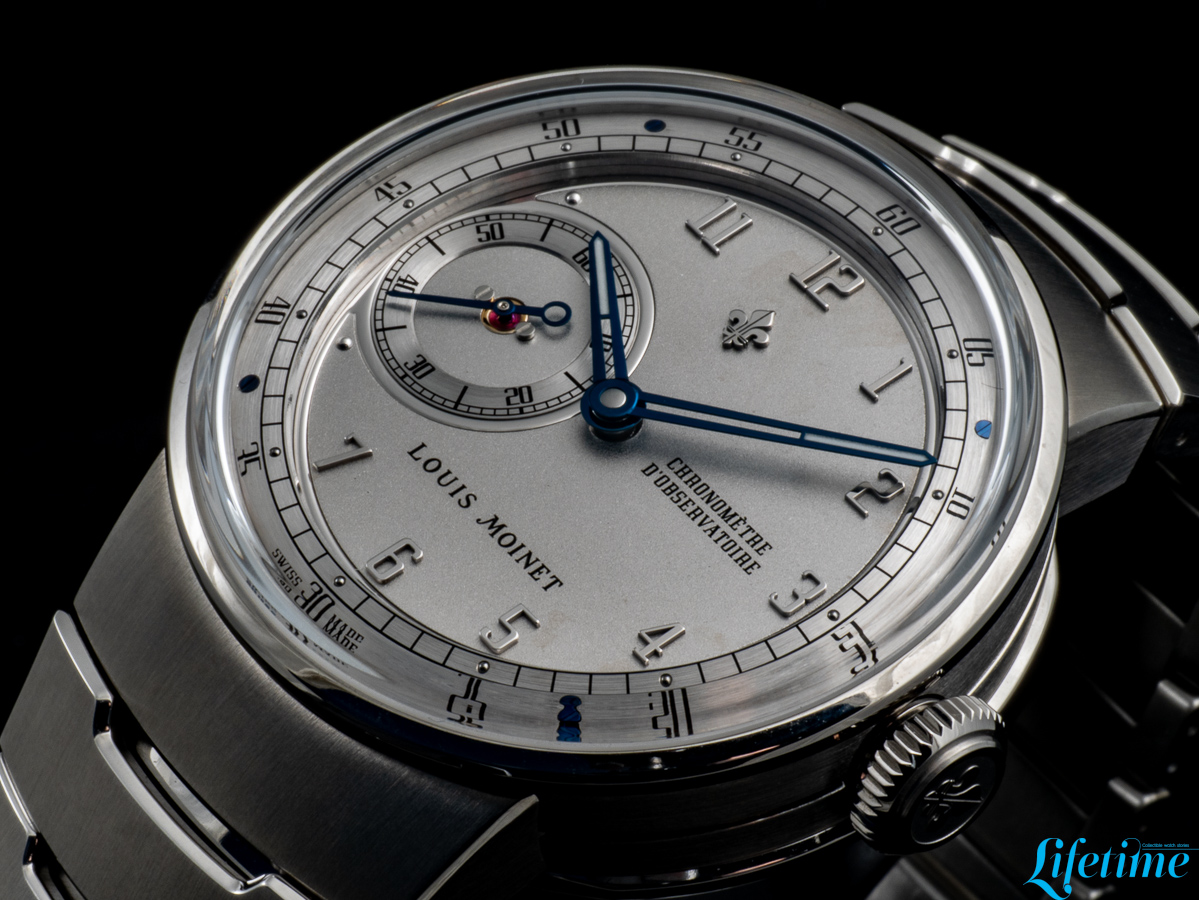
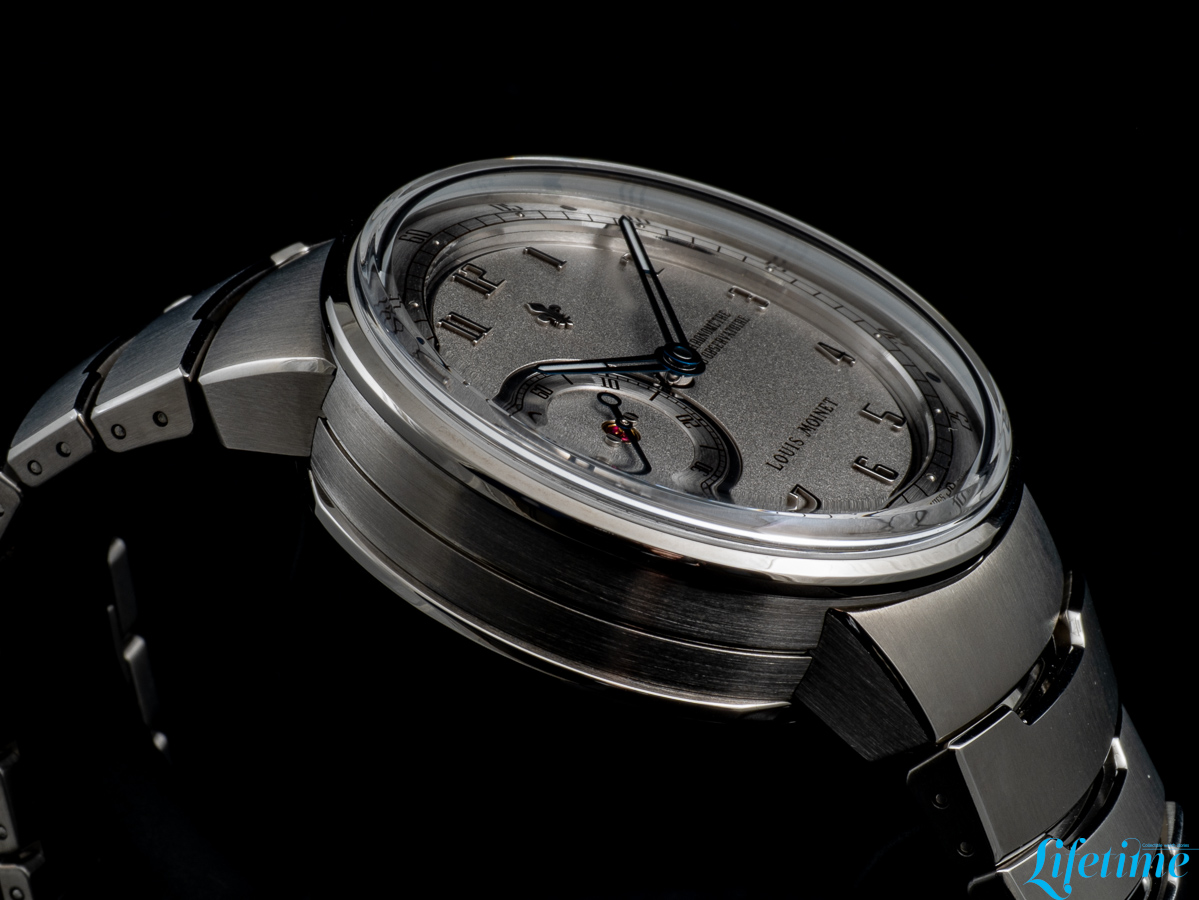
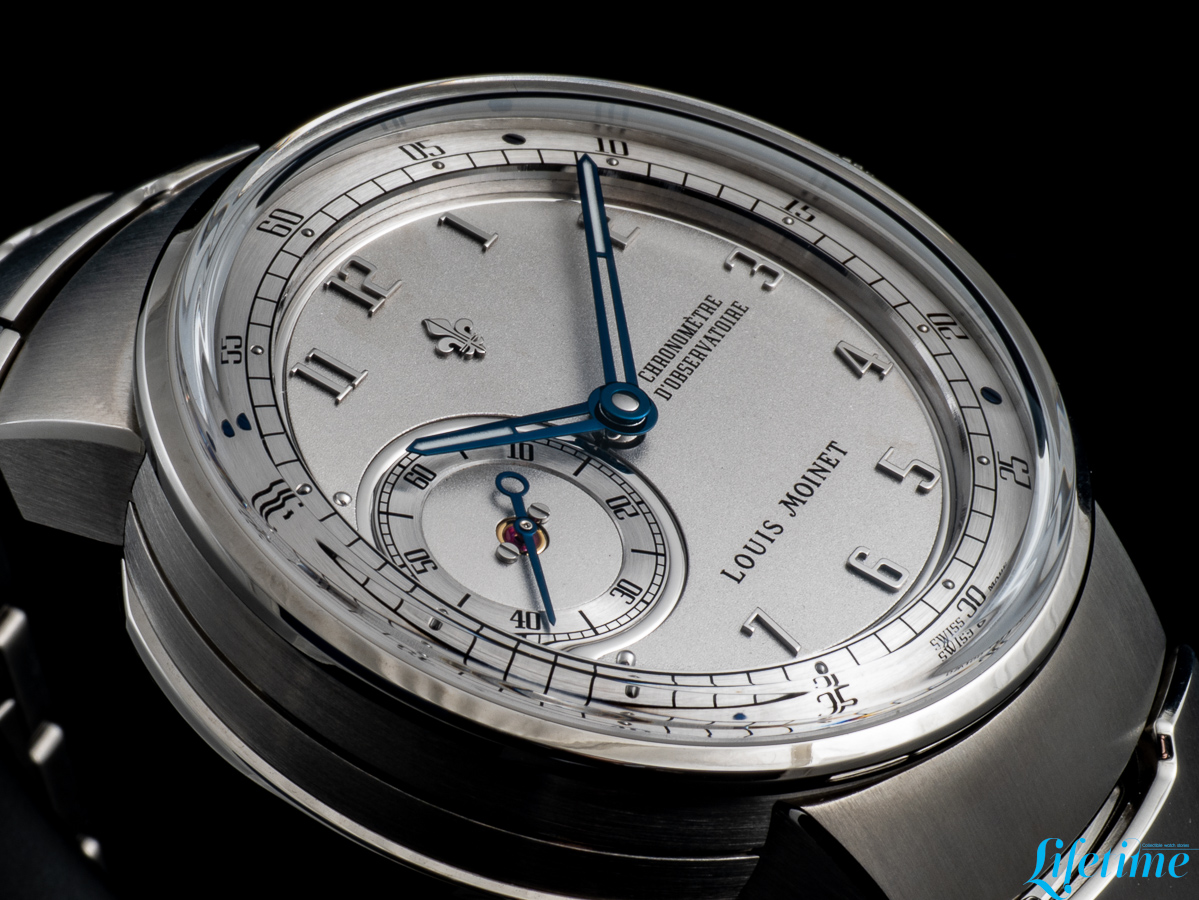
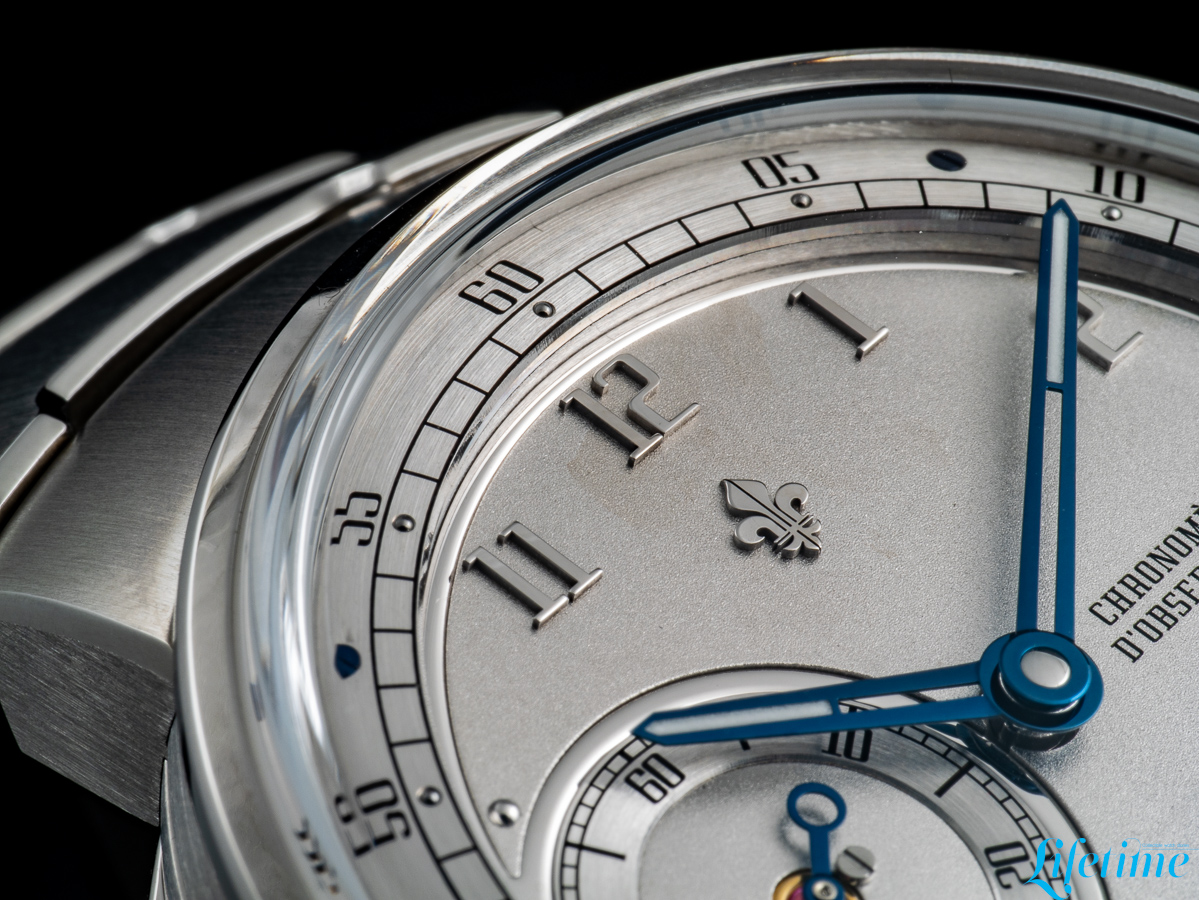
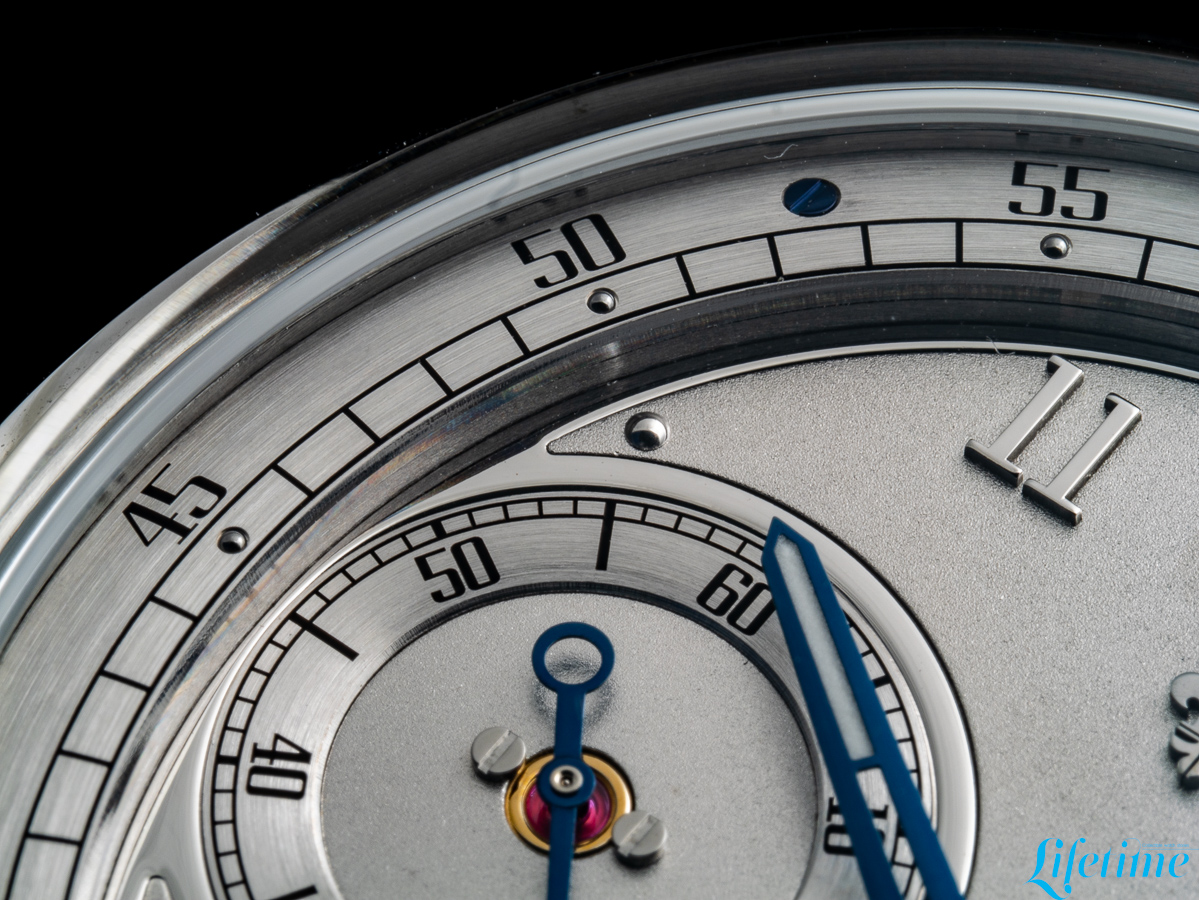
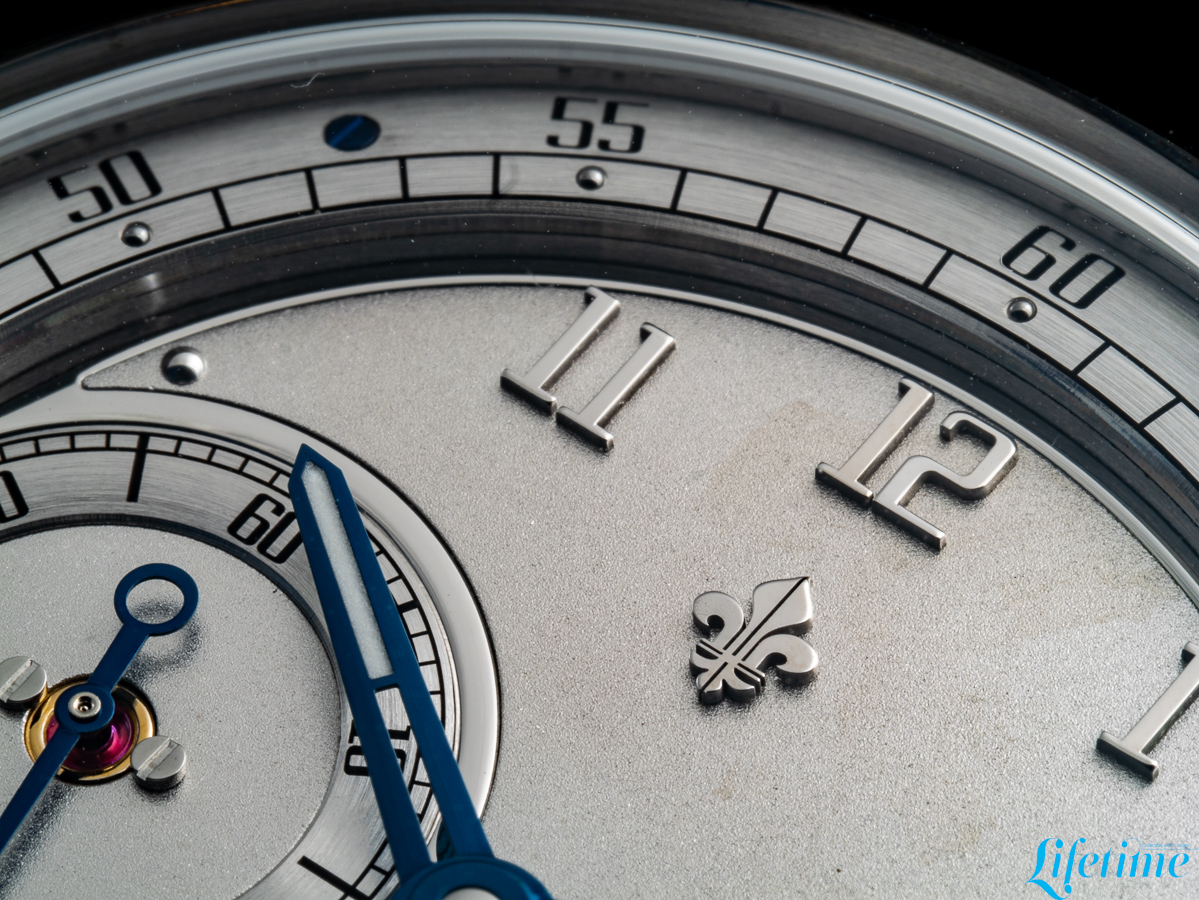
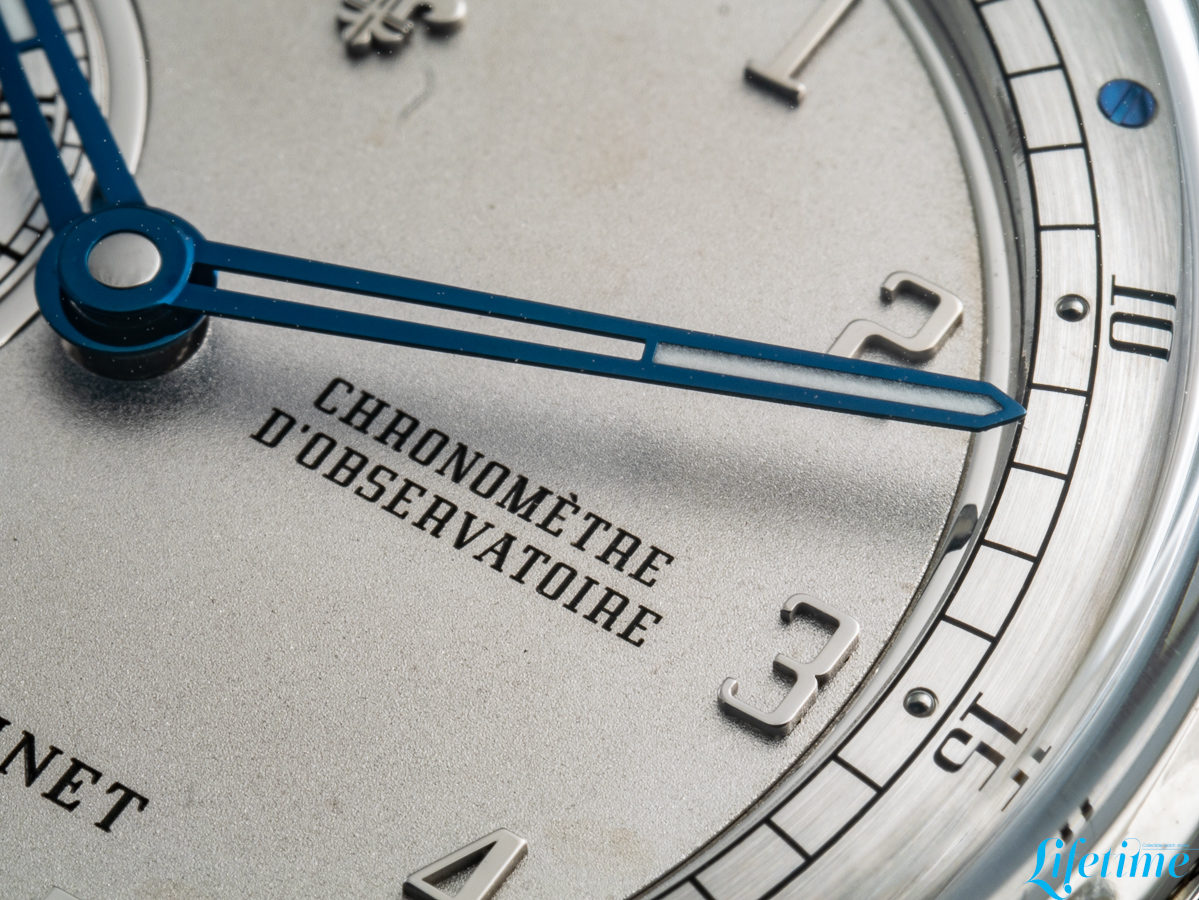
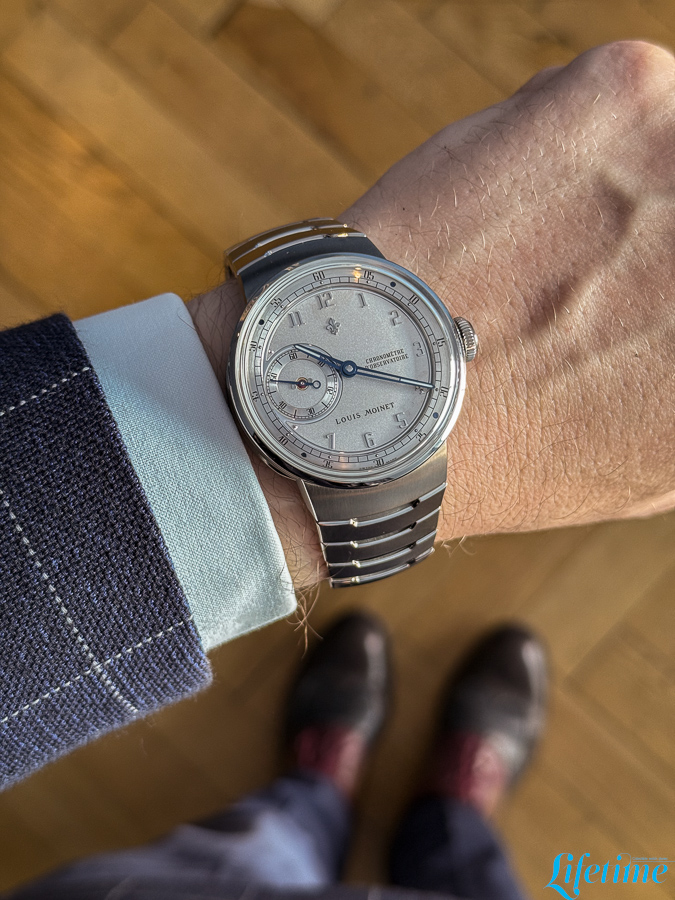
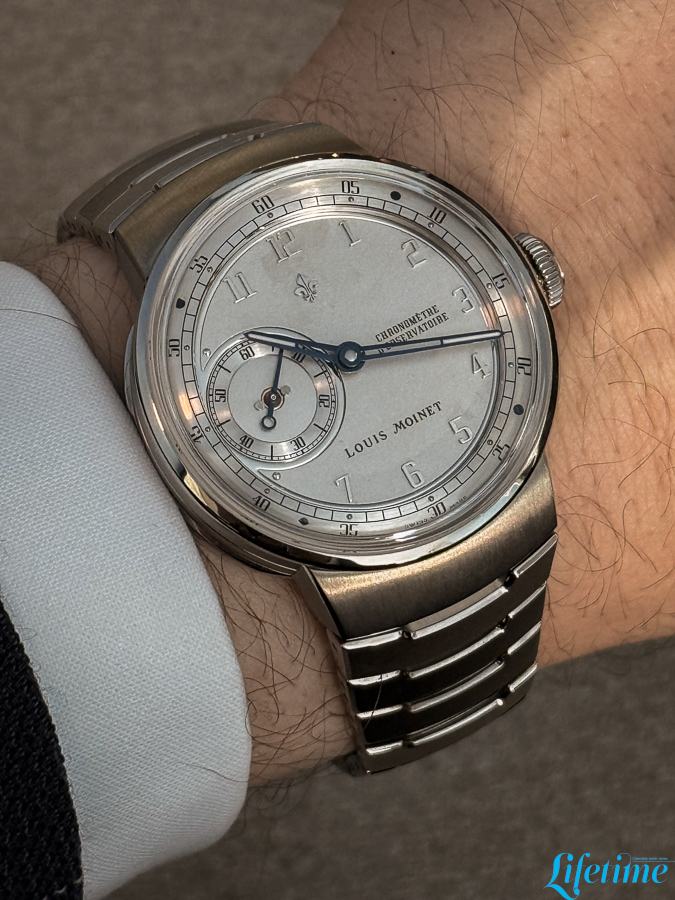
The 1806’s 35-component dial is a study in restraint. Twelve blackened nickel cabochons and four blued-steel screws frame a circular satin flange in place of the 1816’s time-scale reference. The small seconds subdial at nine o’clock features a bead-blasted centre within a polished circular frame, with a ruby-set barrel at its core, flanked by two polished screws. This ruby introduces a touch of warmth against the cool rhodium, signalling the elevation of a functional element into a deliberate decorative decision. The openworked blued-steel hands – particularly the seconds hand with its circular openworked counterweight – reinforce the scientific character of the dial.
 The Movements
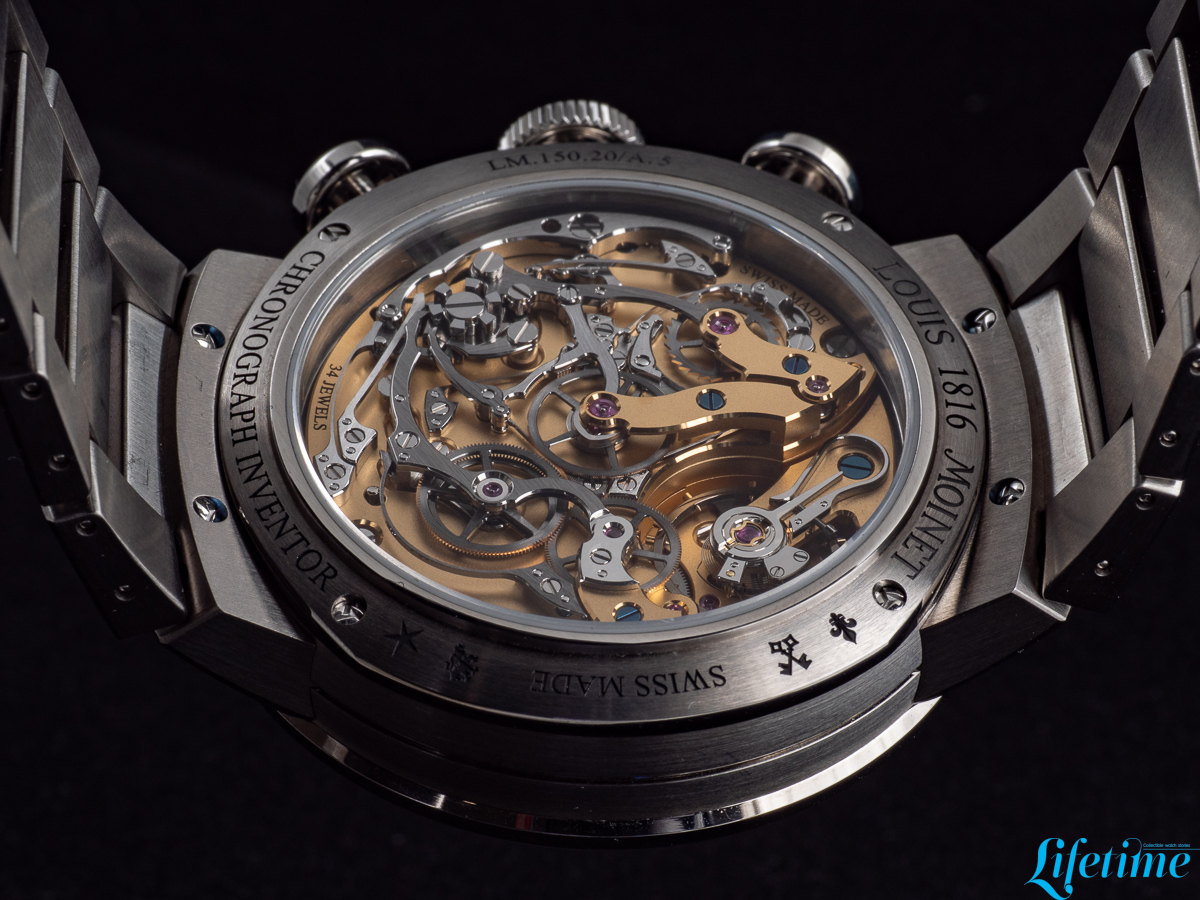
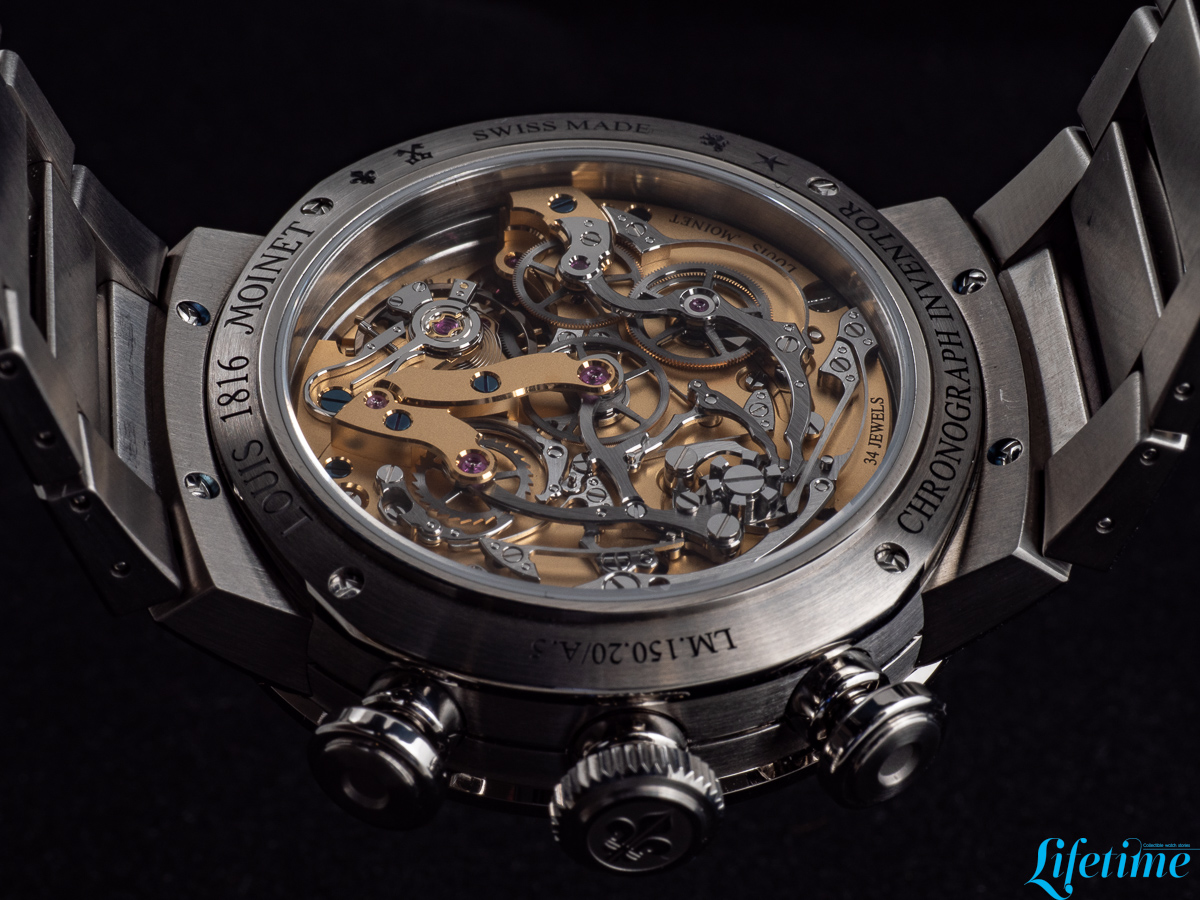
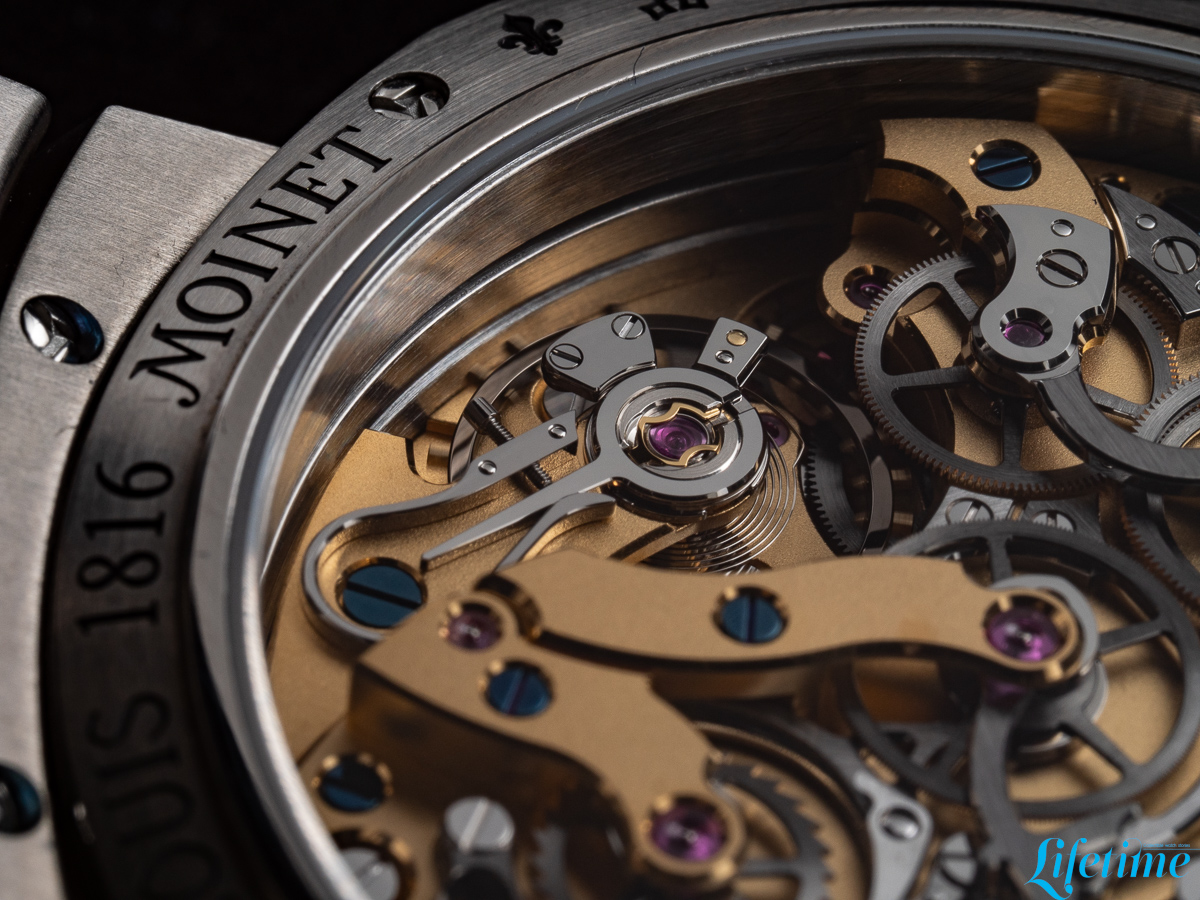
It is here that the two watches diverge most sharply. The LM1816 is a 330-component, hand-wound column-wheel chronograph beating at 28,800 vph, with a 48-hour power reserve and 34 jewels. Its instantaneous minute totaliser advances the counter hand in a single snap at the 60-second mark via a cam-and-rocker system, eliminating the creep characteristic of conventional chronograph designs. The visually distinct, black-polished swan-neck regulator permits precise rate adjustment. The bridges and mainplate receive sanding and 3N gold plating, before being polished and hand-bevelled, while the steel elements throughout carry drawn and bevelled lines.
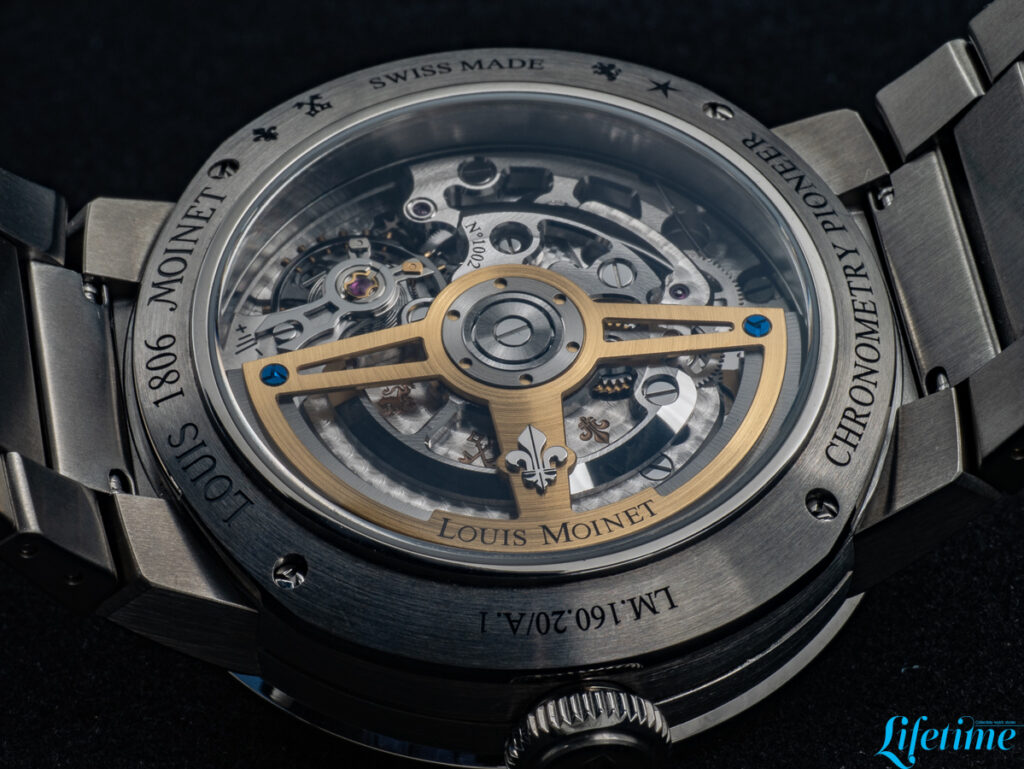
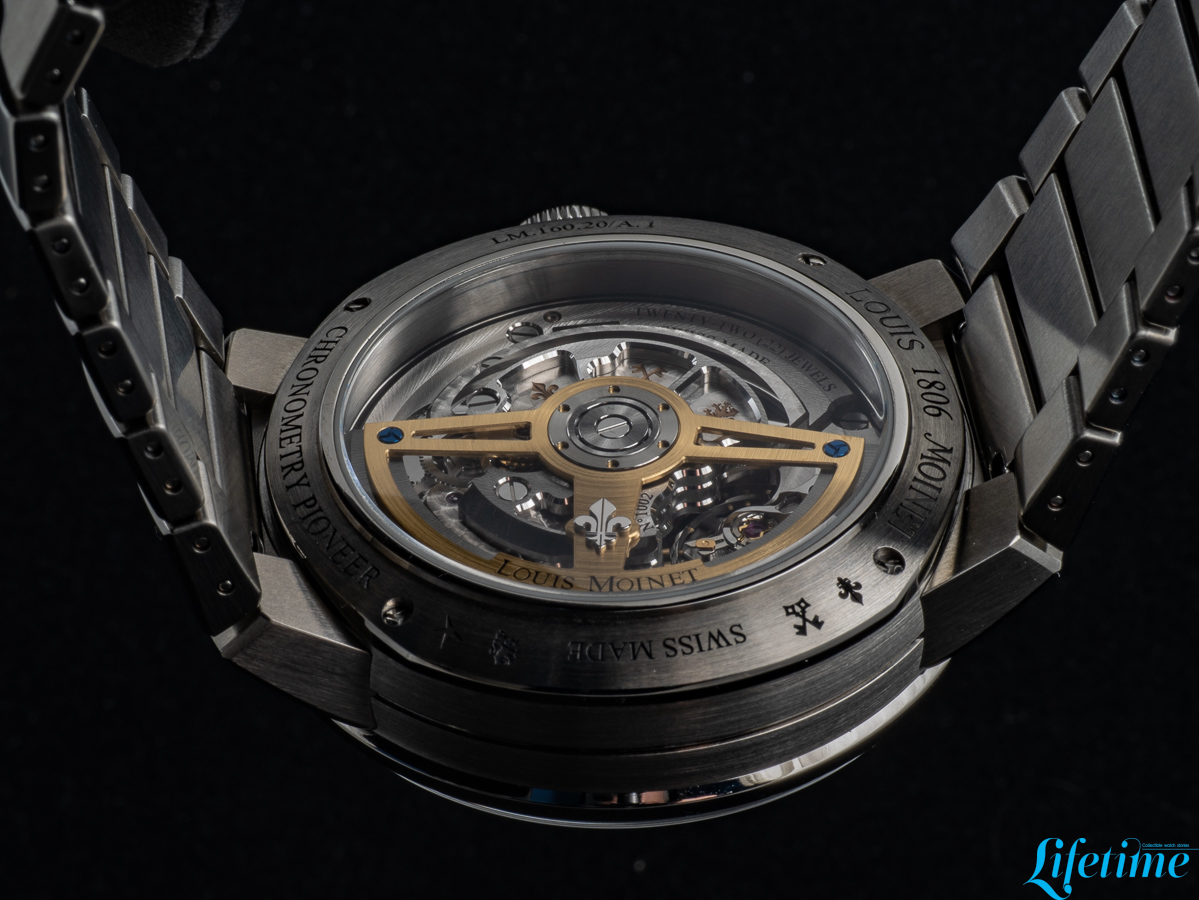
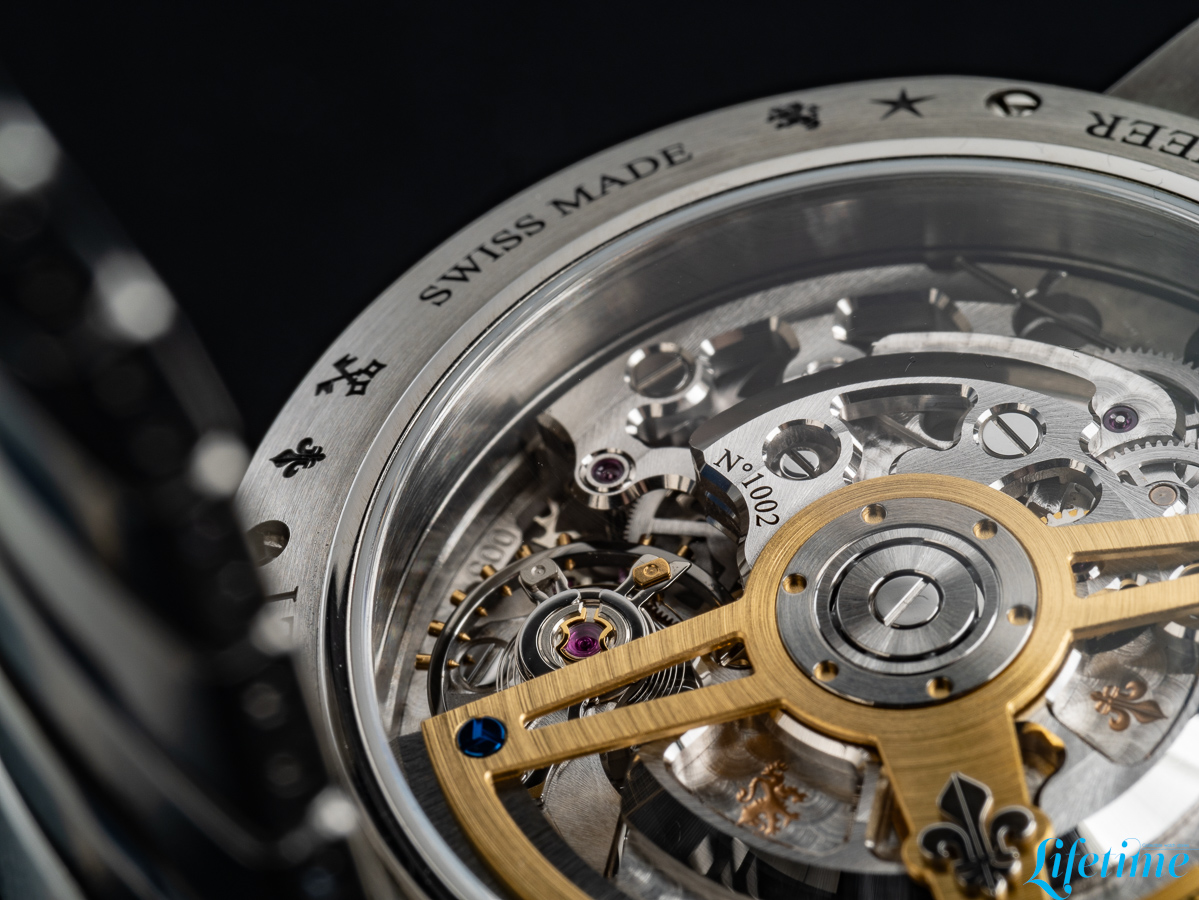
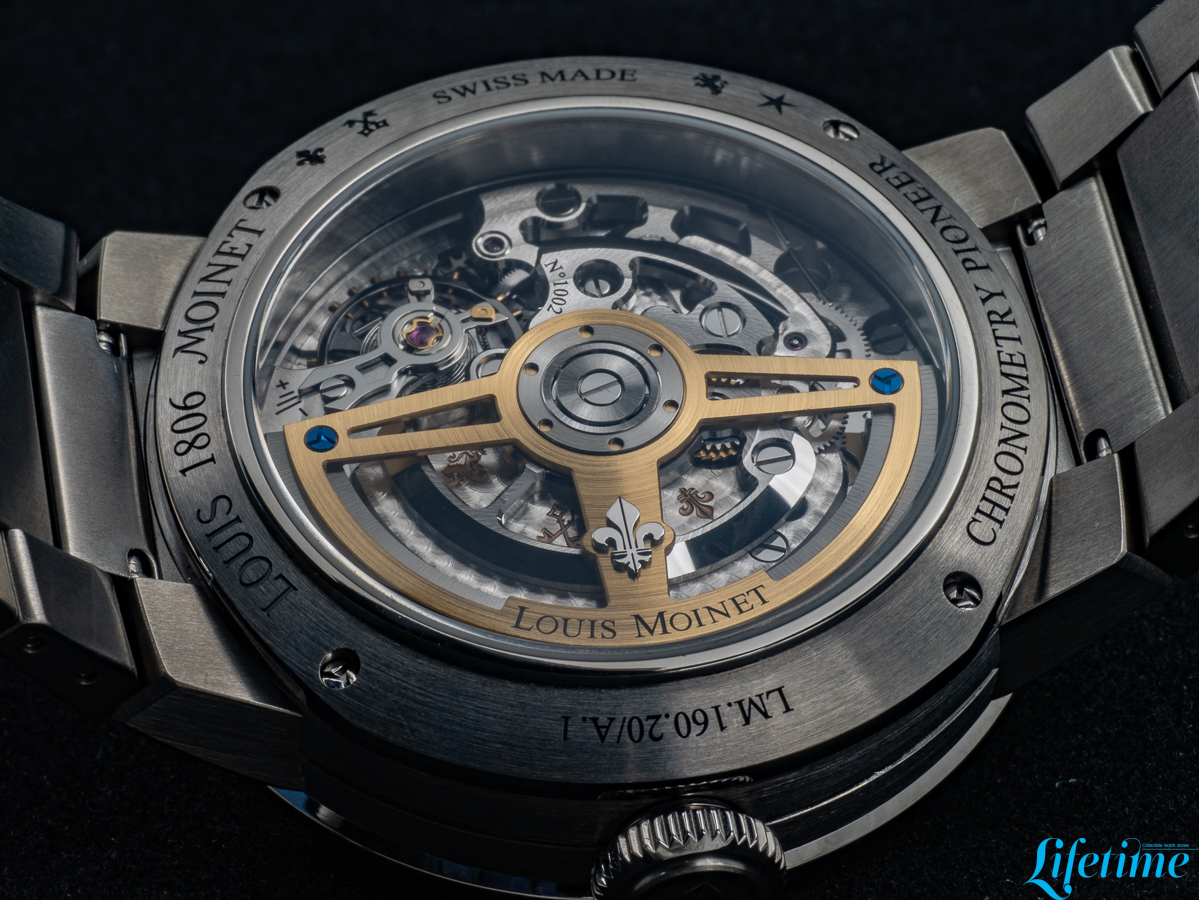
The LM1806 takes a completely different approach: it is a self-winding calibre that endured fifteen days of position and temperature testing at the Geneva Astronomical Observatory before earning its Chronomètre d’Observatoire certification. With 22 jewels and a movement height of 6.6mm against the 1816’s 7.9mm, it operates with less mechanical complexity yet arguably greater daily relevance. The mainplate receives a triple finishing approach, combining circular Côtes de Genève, circular graining, and perlage on a single surface – an unusually layered decorative ambition. The automatic bridge features diamond-cut bevelling alongside engraved and gilded Louis Moinet symbols. The bimetallic, openworked, gold-plated rotor incorporates a six-ball bearing, blued-steel screws, and a fleur-de-lys appliqué that reveals the individual movement number as it rotates.
 The Cases
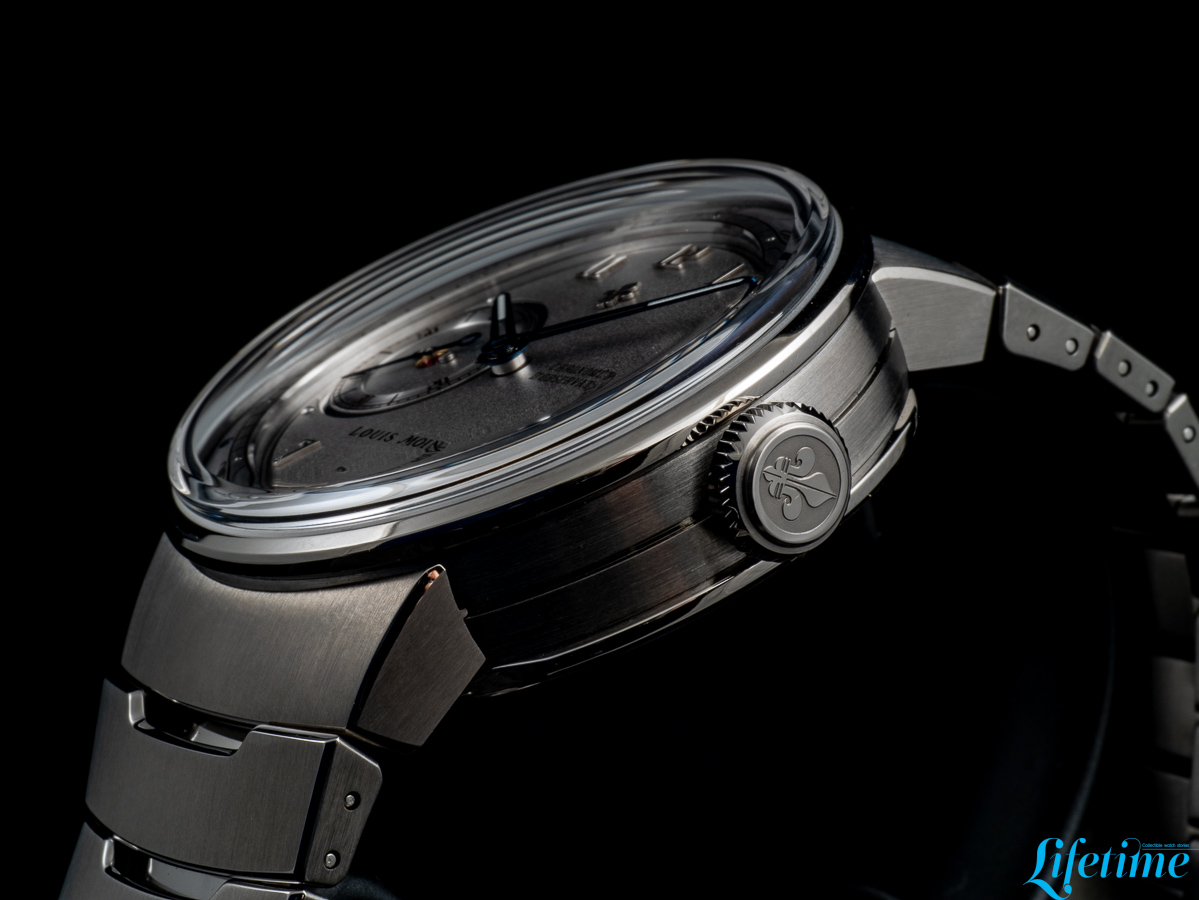
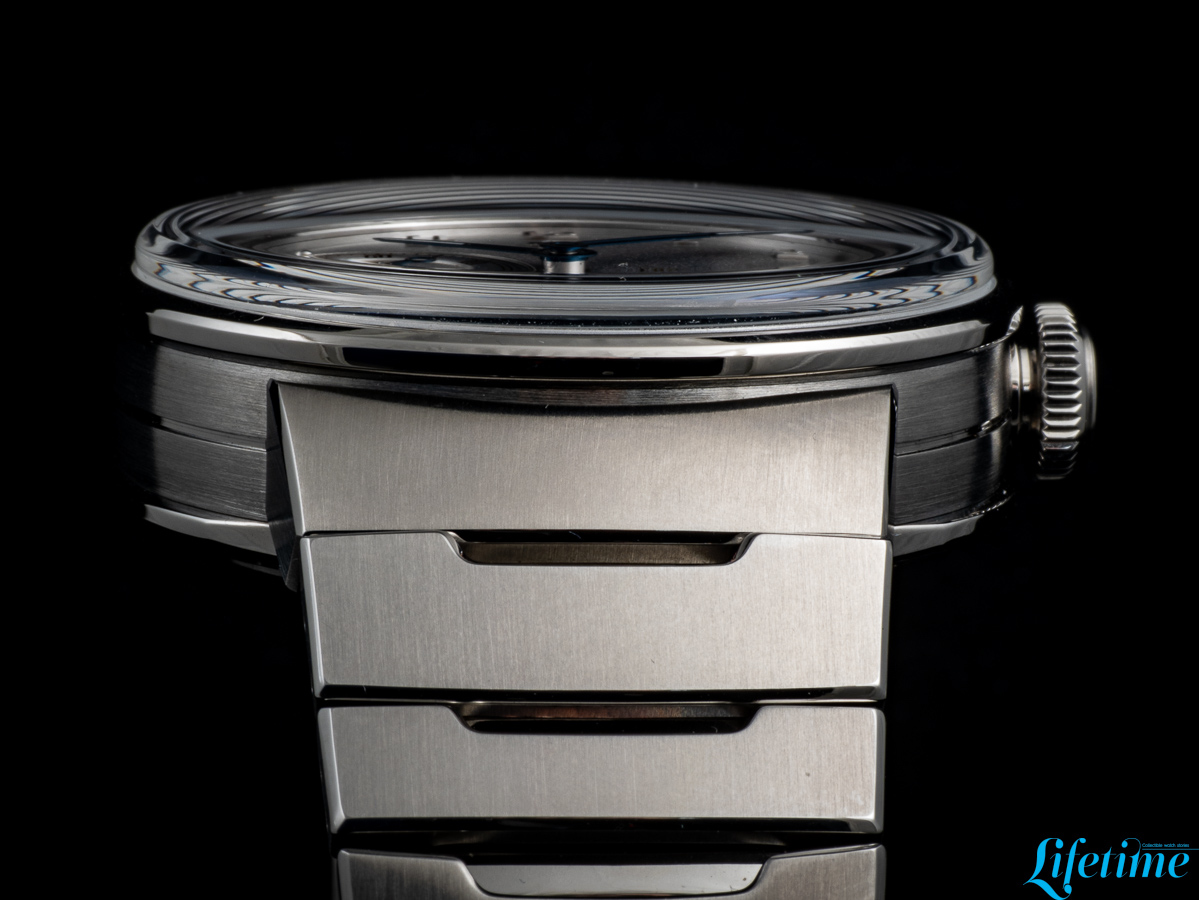
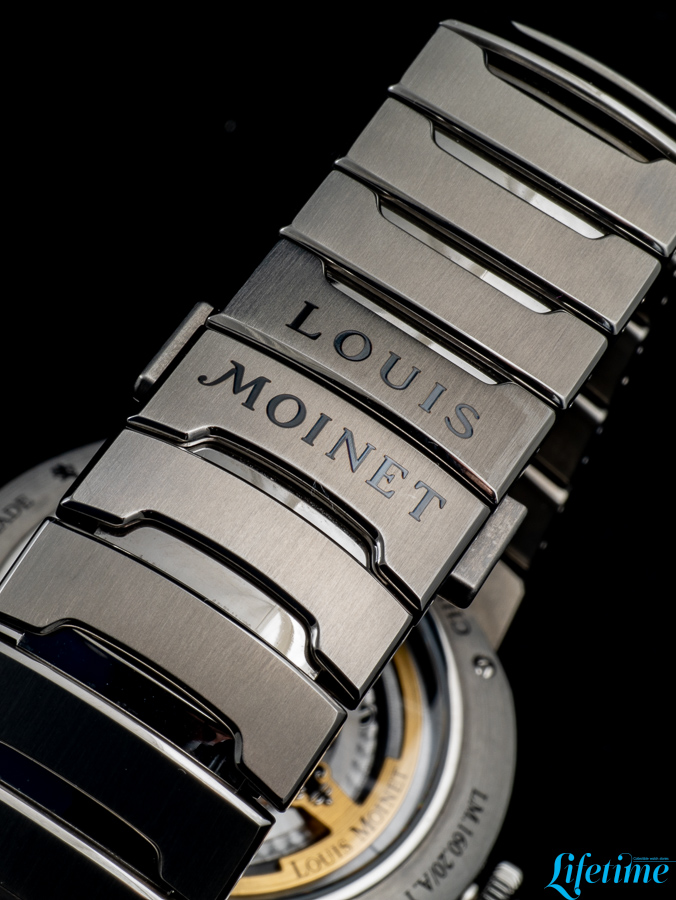
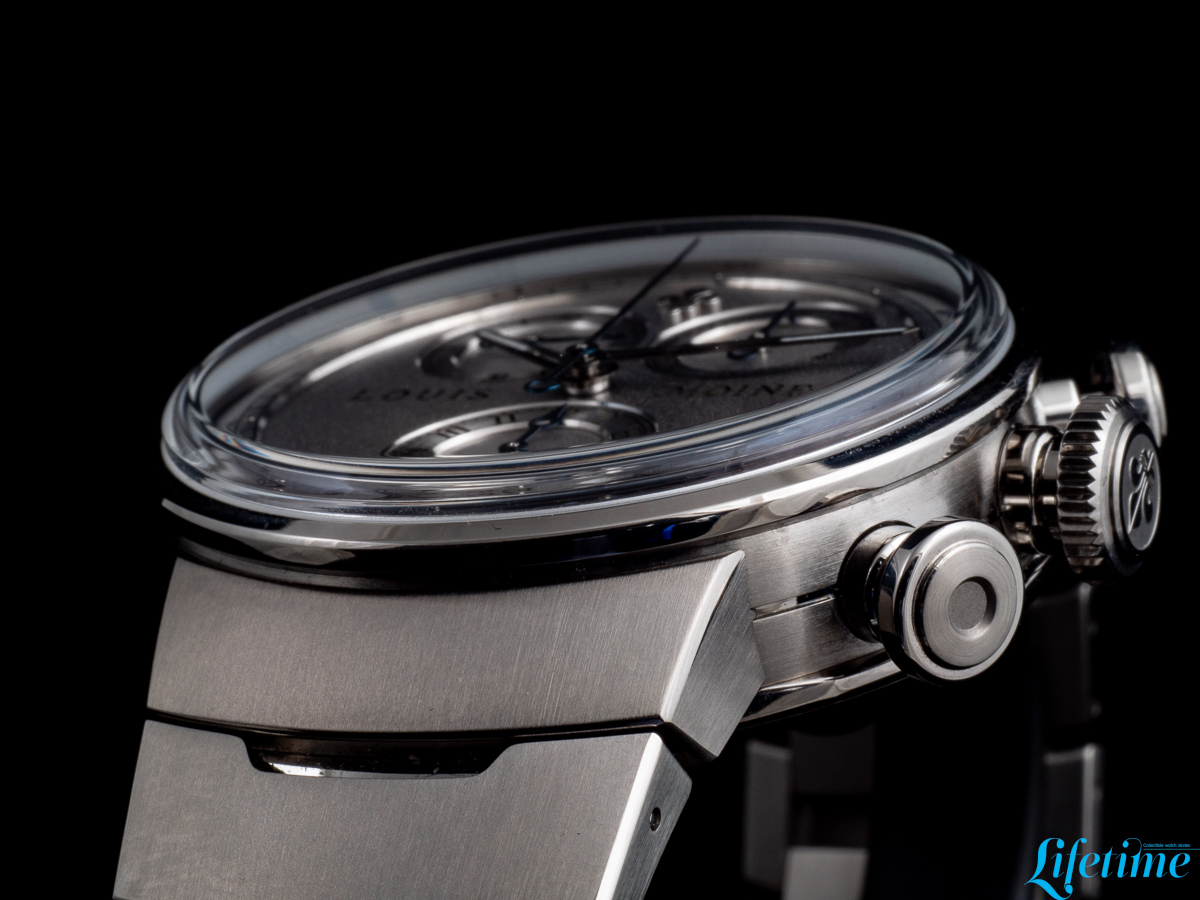
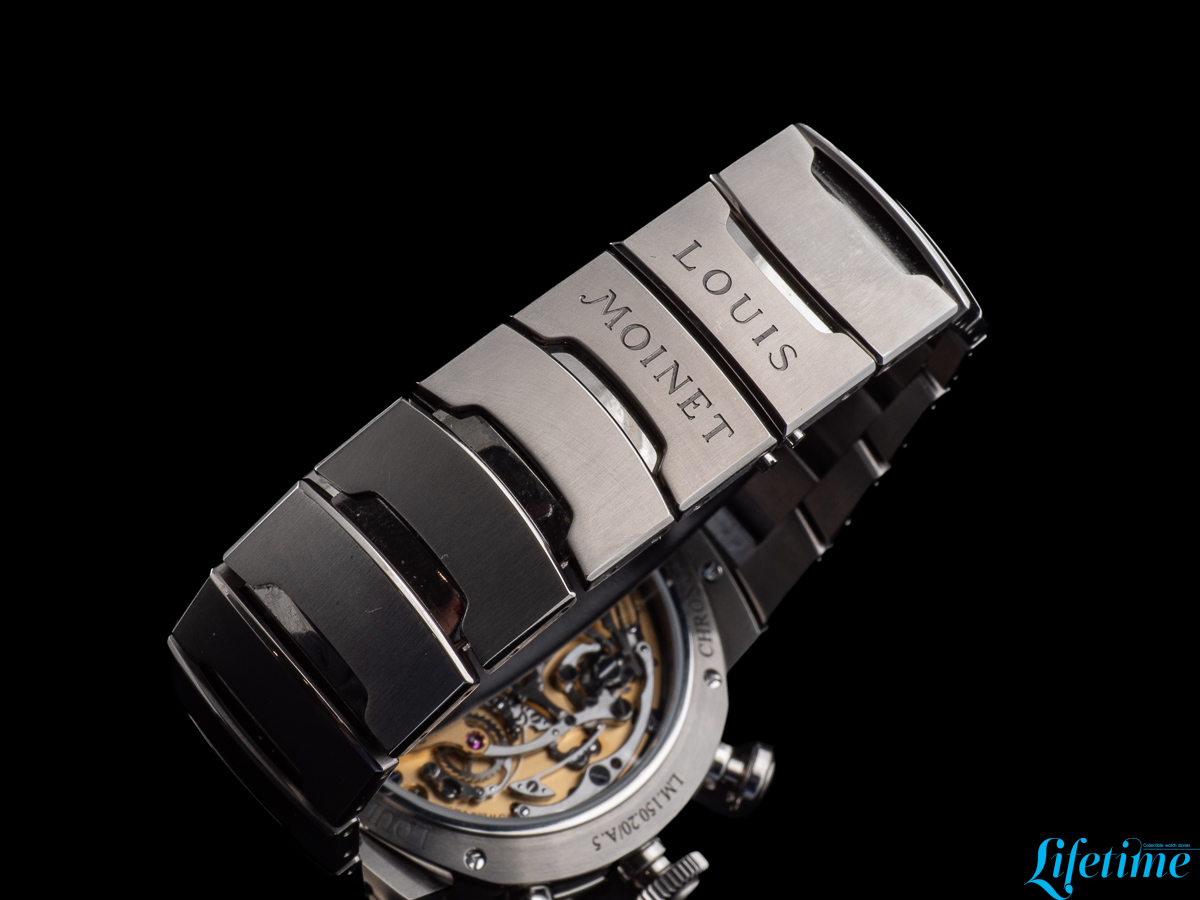
Both cases share an identical 40.6mm diameter in polished and satin-brushed Grade 5 titanium, featuring the same Directoire semi-bassine silhouette with double-gadroon detailing, and double-sided anti-reflective sapphire crystals. The case thickness diverges slightly: while the 1816 measures 14.7mm to accommodate its chronograph architecture, the 1806 stands at 15.15mm. The fleur-de-lys crown engraving graces both models. Both feature the BRIDGE titanium bracelet, whose alternating polished and satin-brushed wide links integrate into the case with seamless continuity.
Which One Speaks to You?
Personally, I find the 1816 more intellectually demanding as a daily companion: the hand-winding ritual, the column-wheel architecture, the instantaneous totaliser, and the gold-plated bridges with hand-executed bevels represent a level of mechanical craftsmanship that is truly exceptional. It is priced at CHF 28,900 excluding taxes. The 1806, priced at CHF 18,900 excluding taxes, offers something equally compelling in the form of its Geneva Observatory certification – an external validation of precision that provides real reassurance in everyday situations. Since the case geometry and BRIDGE bracelet remain identical across both references, comfort and wrist presence prove indistinguishable. Ultimately, your decision rests on whether you want your watch to measure time brilliantly, or to prove it rigorously.














Share this article


LEAVE A COMMENT
You must be logged in to post a comment.