


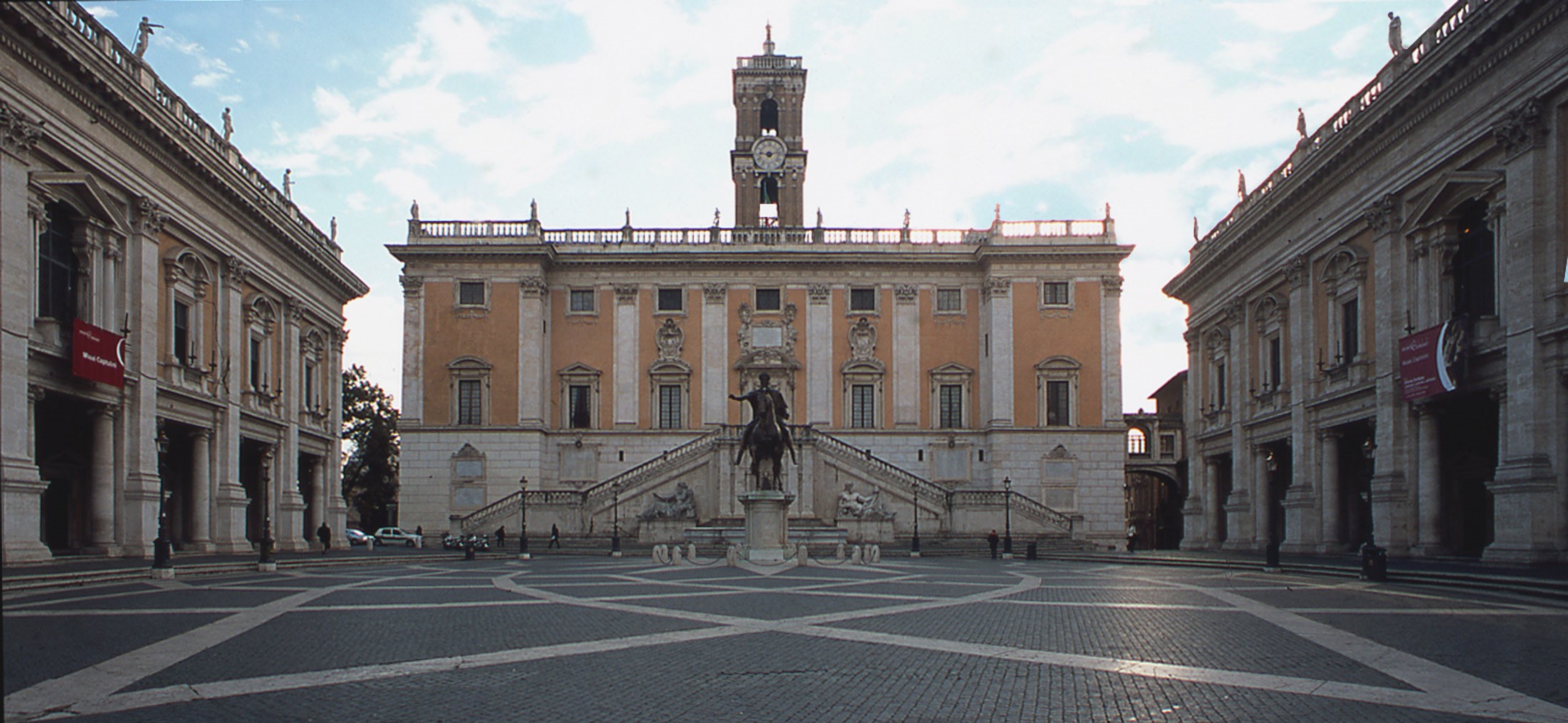
Cartier & Myths at the Capitoline Museums


Curated by jewellery historian Bianca Cappello, archaeologist Stéphane Verger, and Capitoline Superintendent Claudio Parisi Presicce, the exhibition is the result of a broad institutional collaboration. Promoted by Roma Capitale and the Department of Culture, organized with Maison Cartier and supported by Ze tema Progetto Cultura, the project also benefits from the scenographic vision of Sylvain Roca and a creative contribution by Dante Ferretti, whose input shapes the show’s theatrical atmosphere.
At the heart of the exhibition is a dialogue between Cartier’s designs—many drawn from the Cartier Collection—and the marble masterpieces that once belonged to Cardinal Alessandro Albani, the nucleus of the Palazzo Nuovo’s holdings. Loans from the Capitoline Superintendency, other Italian and international museums, and private collections enrich the display, creating a layered encounter between decorative art and classical form.
The narrative traces Cartier’s long engagement with Greco‑Roman imagery, showing how motifs from antiquity have been studied, adapted, and transformed into modern jewellery language. From the mid‑19th century onward, Cartier designers mined myth, iconography, and classical ornament to produce pieces that are at once archaeological homage and contemporary invention.
A dedicated section examines technical affinities: gem‑cutting, glyptic work, and goldsmithing techniques are presented alongside references to Roman craftsmanship. Visitors can see how processes once used to carve hard stones and fashion metal in antiquity reappear, reinterpreted, in Cartier’s workshops and in the Maison’s approach to material and finish.
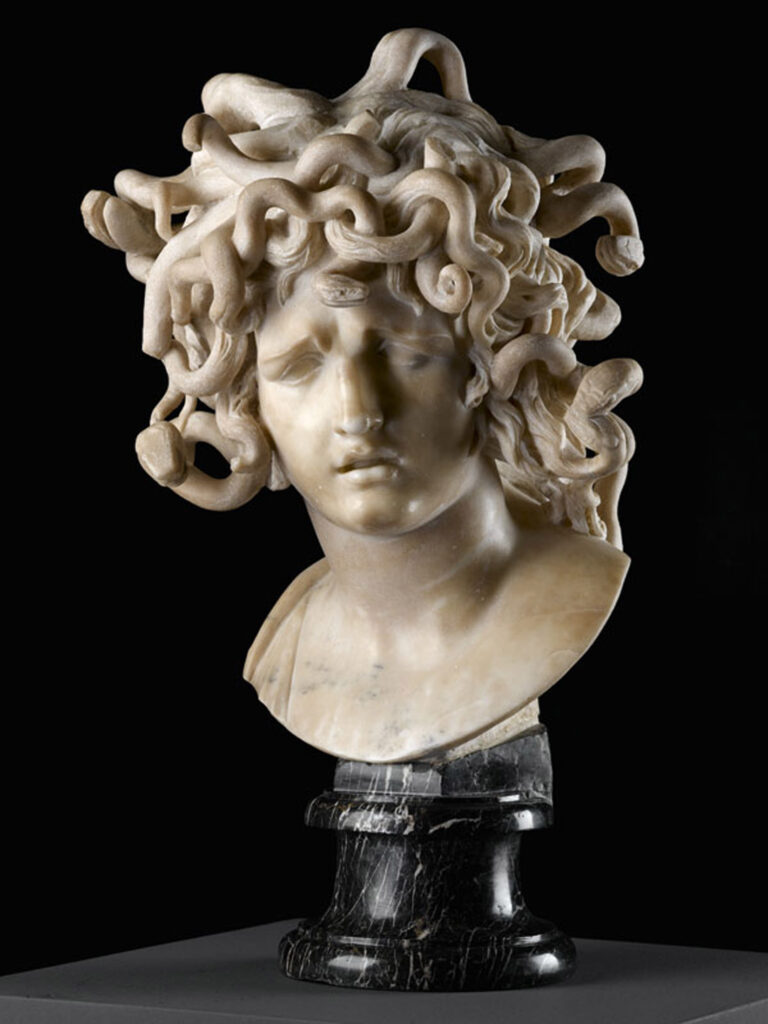
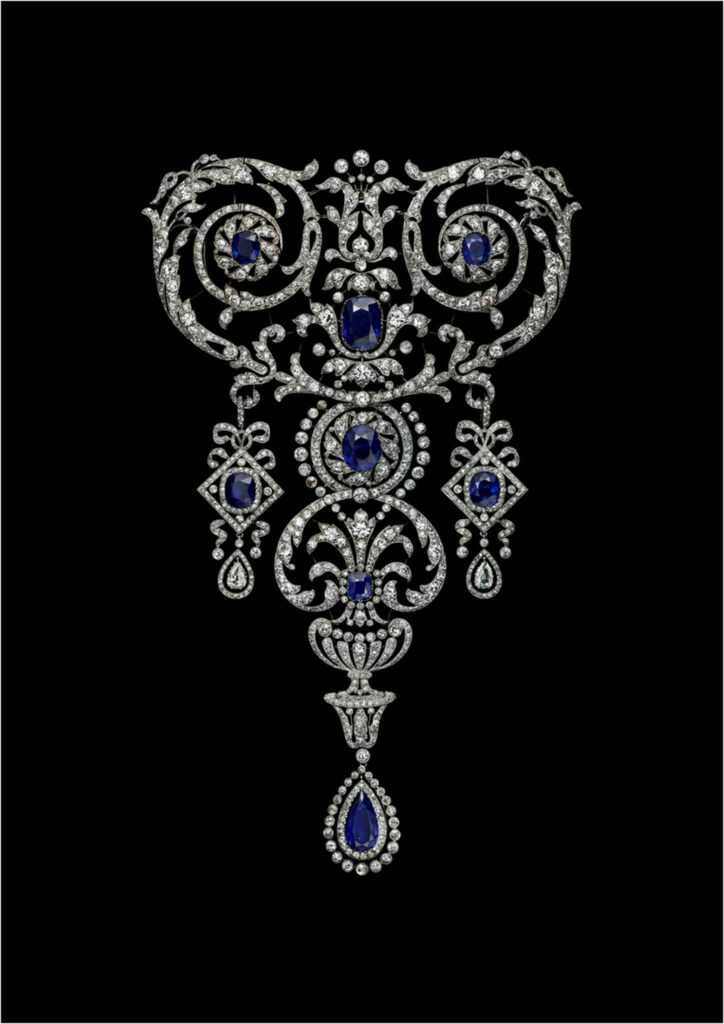
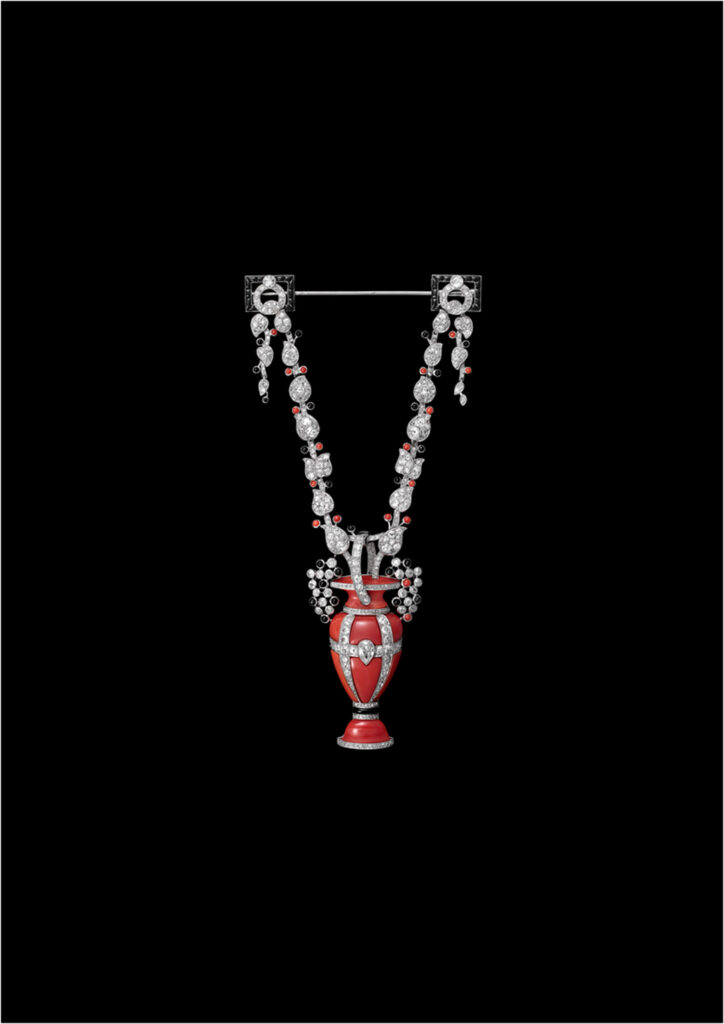

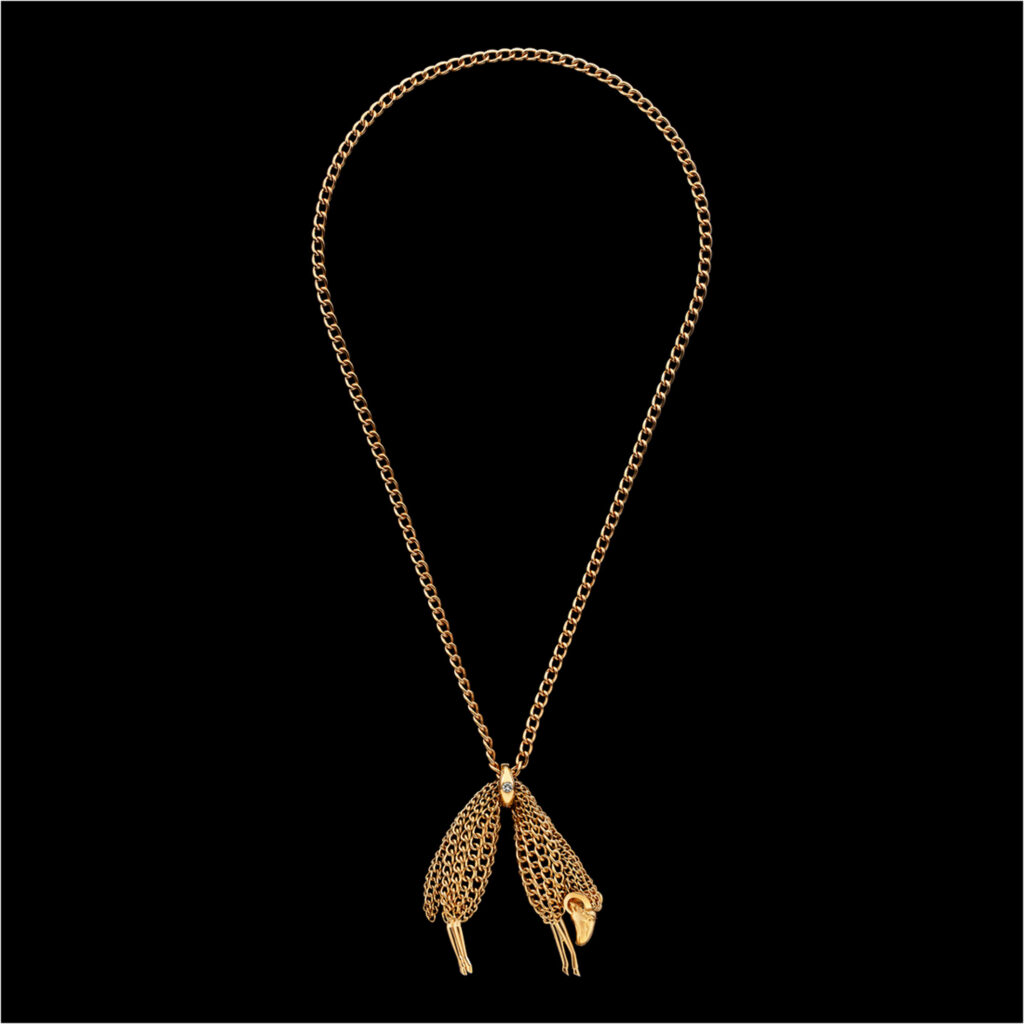

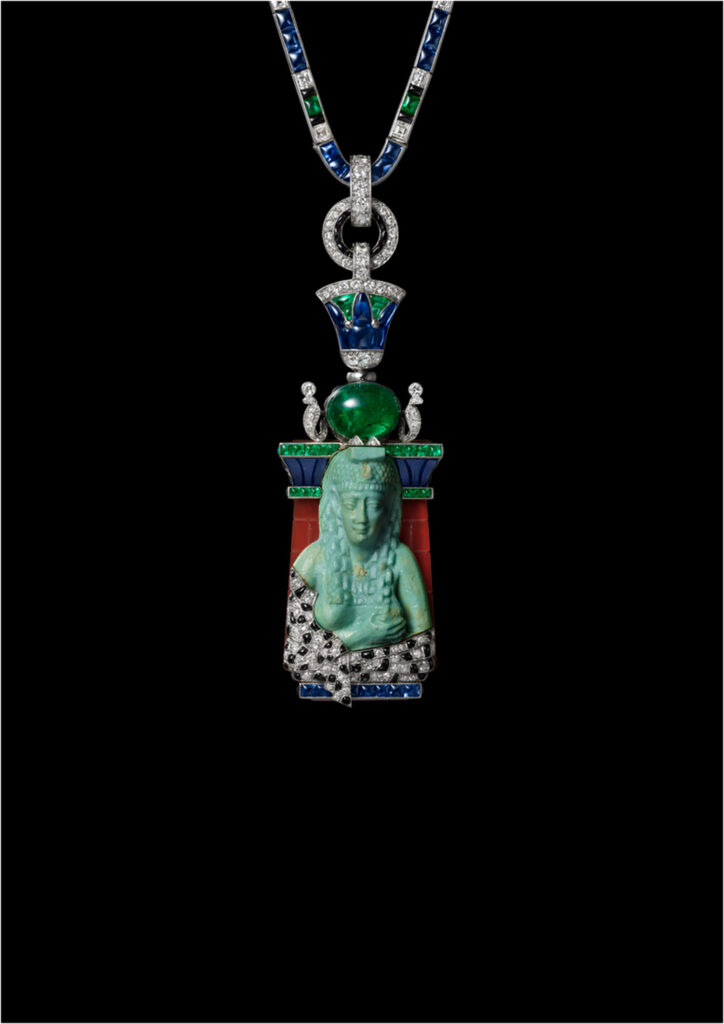
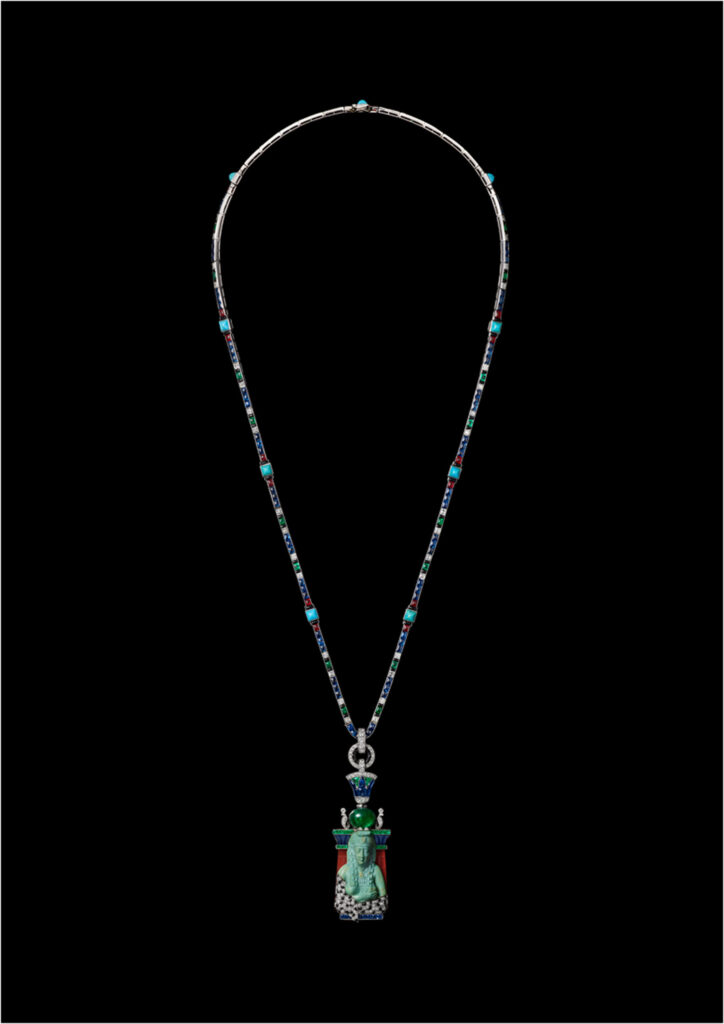


Mythology provides the exhibition’s thematic backbone. Pairings of Cartier jewels with sculptures of Aphrodite, Dionysus, Apollo, Heracles, Zeus, and Demeter invite a reconsideration of how gods and narratives have been visualized across media. These juxtapositions reveal not only iconographic continuities but also shifts in taste and meaning from the 19th century to the present.
The show is conceived as an immersive experience: audiovisual installations set mood and context, while olfactory compositions by Cartier perfumer Mathilde Laurent add a sensory dimension that links scent to memory and myth. Hard stones from Cartier’s glyptics workshop are displayed as tactile echoes of the deities and stories that animate the rooms.
Contextual panels and archival material chart the formation of the Cartier Collection, which began in earnest in the 1970s and was institutionalized in 1983. The Collection’s holdings—spanning the 1860s through the early 2000s—serve as a material chronicle of Cartier’s evolving aesthetics and of broader shifts in decorative arts and social history.
With roughly 3,500 objects, the Cartier Collection has been the basis for numerous monographic exhibitions worldwide; this Roman presentation marks the Maison’s second solo show in Italy. By situating Cartier within the Capitoline’s ancient setting, the exhibition underscores the Maison’s particular relationship with Italy and with Rome’s artistic legacy.
Beyond spectacle, the exhibition proposes a reflection on how antiquity is reused and reimagined: from 19th‑century pastiches and the Neoclassical garland style to 20th‑century reinterpretations and contemporary dialogues. It asks visitors to consider how jewellery can function as a form of cultural memory, translating stone into metal, myth into ornament.
The temporary installation at Palazzo Nuovo offers a rare opportunity to experience Cartier’s jewels in direct conversation with the sculptures that helped shape European artistic language. For scholars, collectors, and the curious public alike, “Cartier & Myths at the Capitoline Museums” promises a richly layered encounter where craftsmanship, history, and imagination meet.
Share this article



LEAVE A COMMENT
You must be logged in to post a comment.