



Piaget enriches its iconic Possession collection with three new Rainbow creations


and a ring make up a playful and joyful day set.
Since its debut in 1990, Piaget’s Possession line has marked the Maison’s first plunge into everyday jewelry, shifting from decades of crafting exceptional precious pieces and straddling the worlds of watchmaking and jewelry as the 1960s dawned. At its heart lies a rotating band set within a ring—an ingenious nod to Piaget’s timepiece know-how—that captured the imagination of those seeking bold yet enigmatic adornments. This signature spinner ring functions like a modern talisman, inviting the wearer to fidget, play and connect through a simple, instinctive gesture.
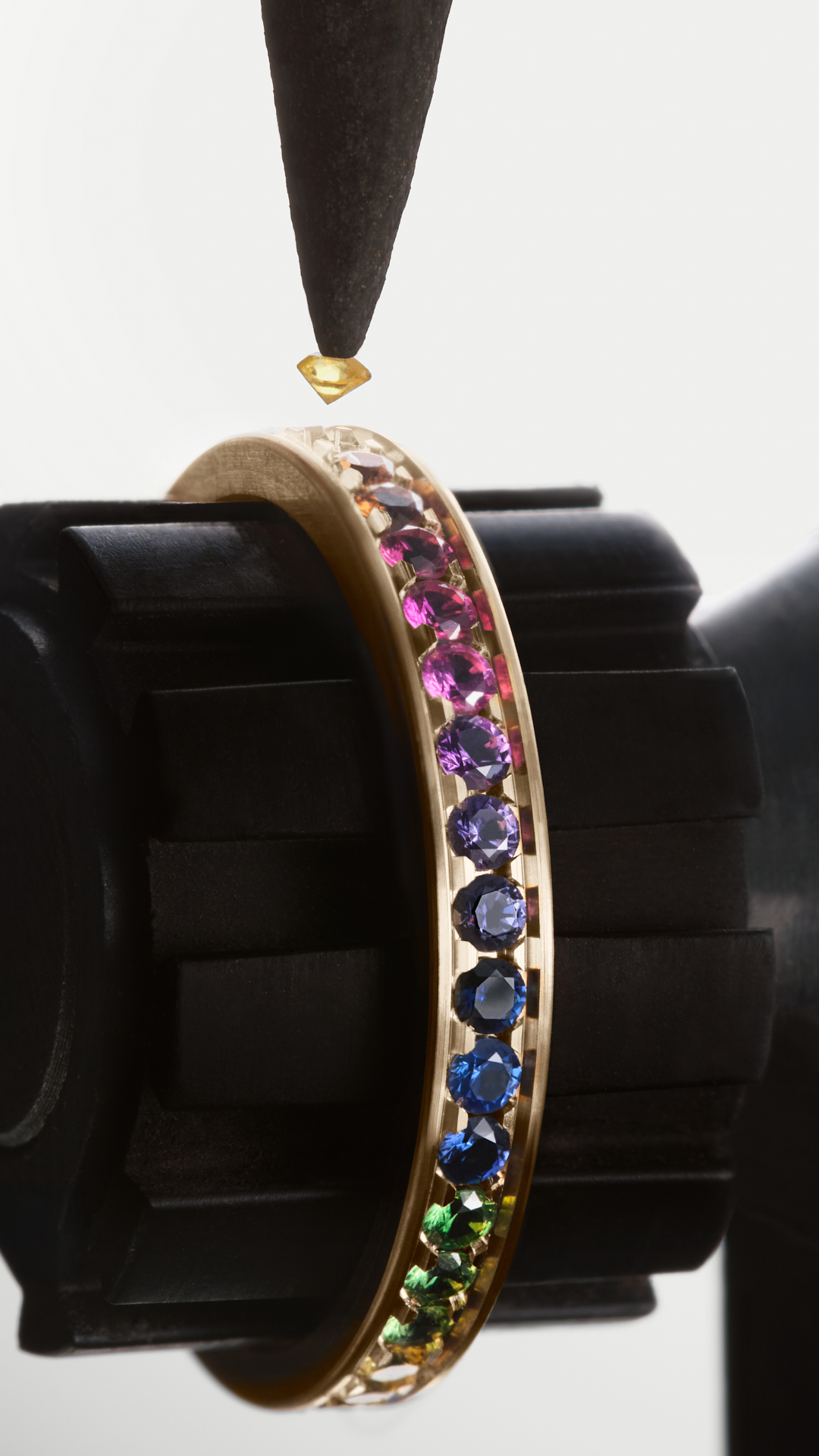
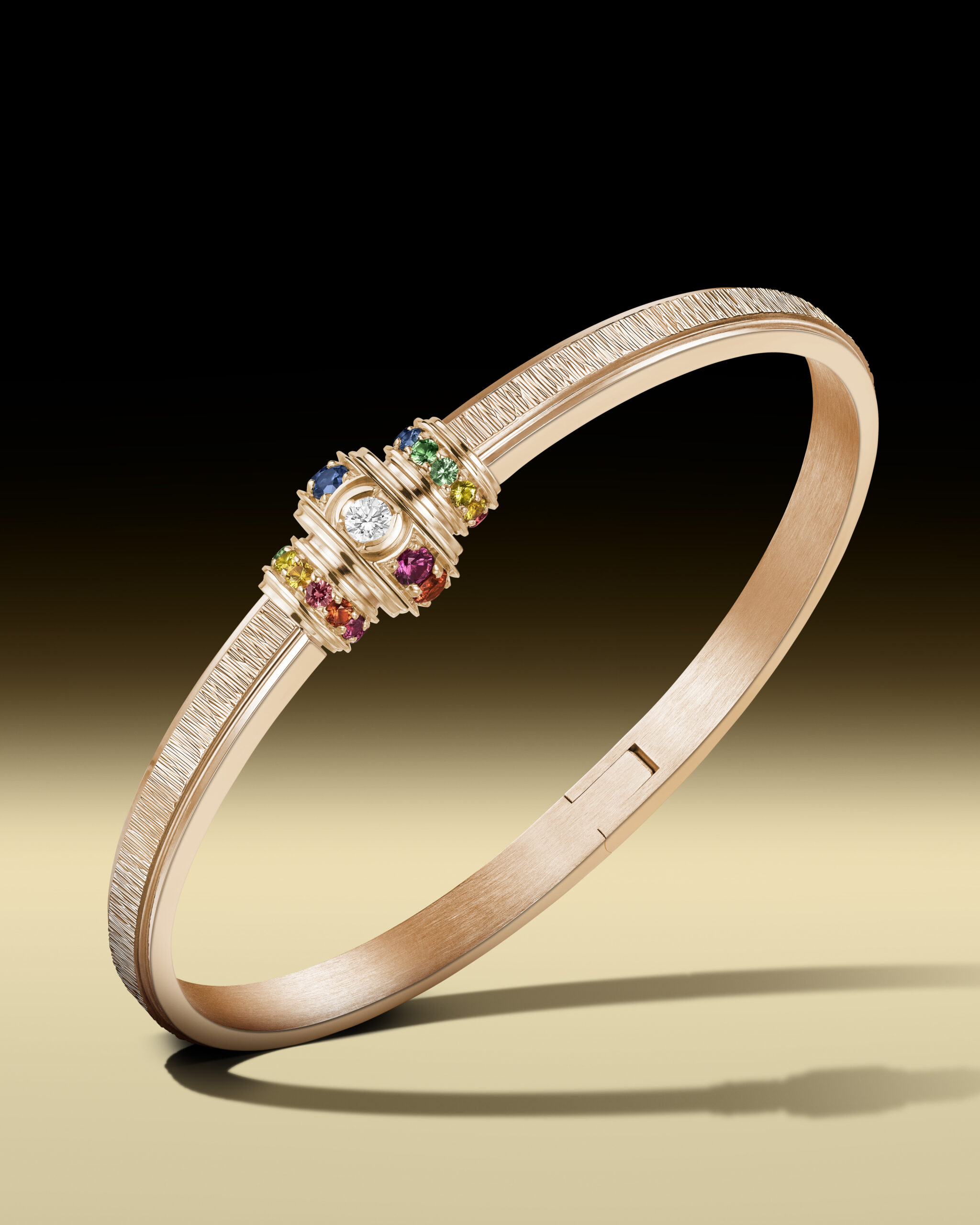
After years of shining in its iconic plain gold finish, Possession now glitters with a spectrum of multicolored stones framed by Piaget’s rare Décor Palace engraving. Pastel yellow sapphires and pink sapphires sit alongside vivid tsavorites and diamonds, each hue chosen and sized by a gemologist to deliver a seamless rainbow gradation. The result marries the vibrant energy of color with the Maison’s virtuoso goldsmithing—a complex technical feat that elevates every piece into a tiny marvel of precision.
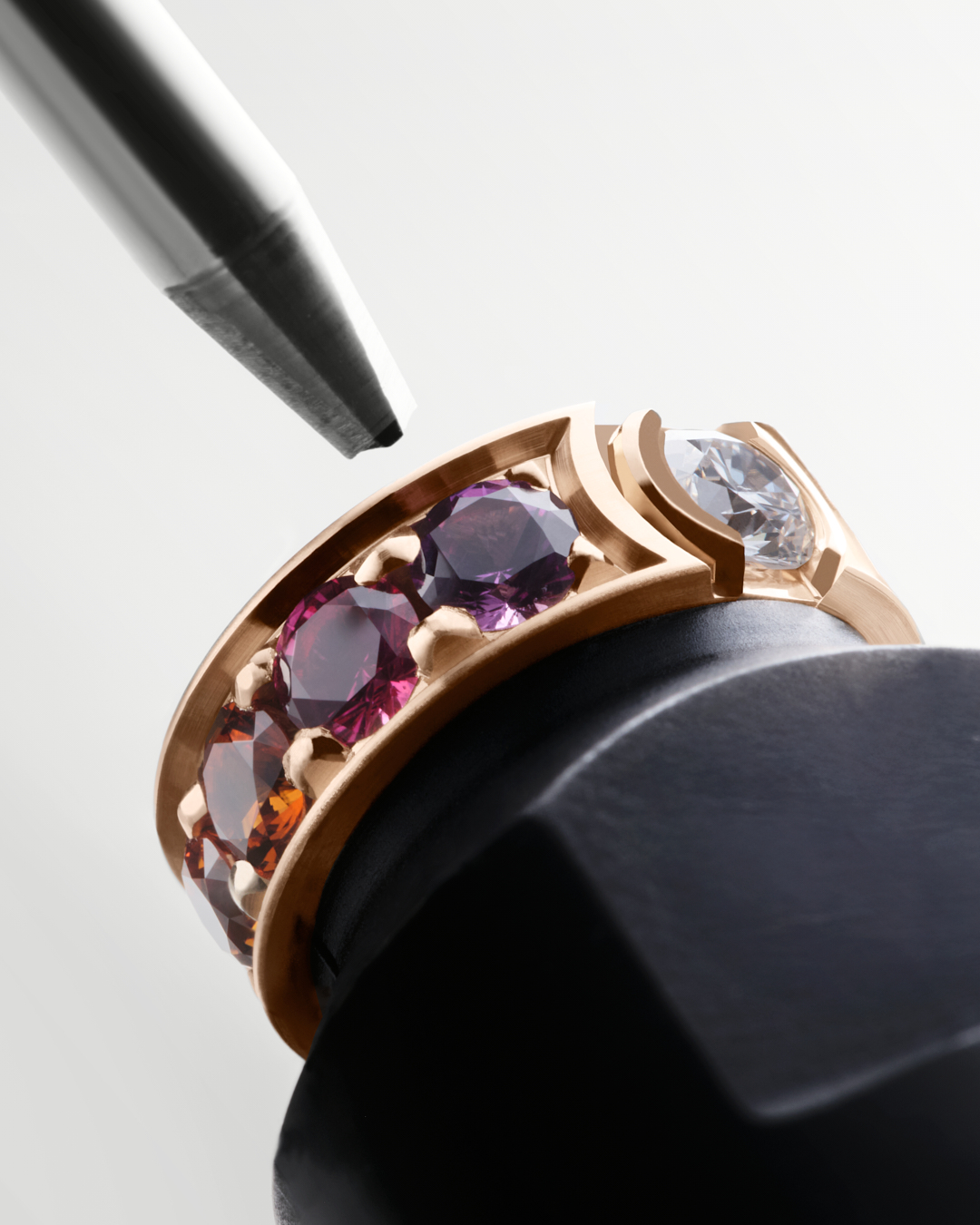
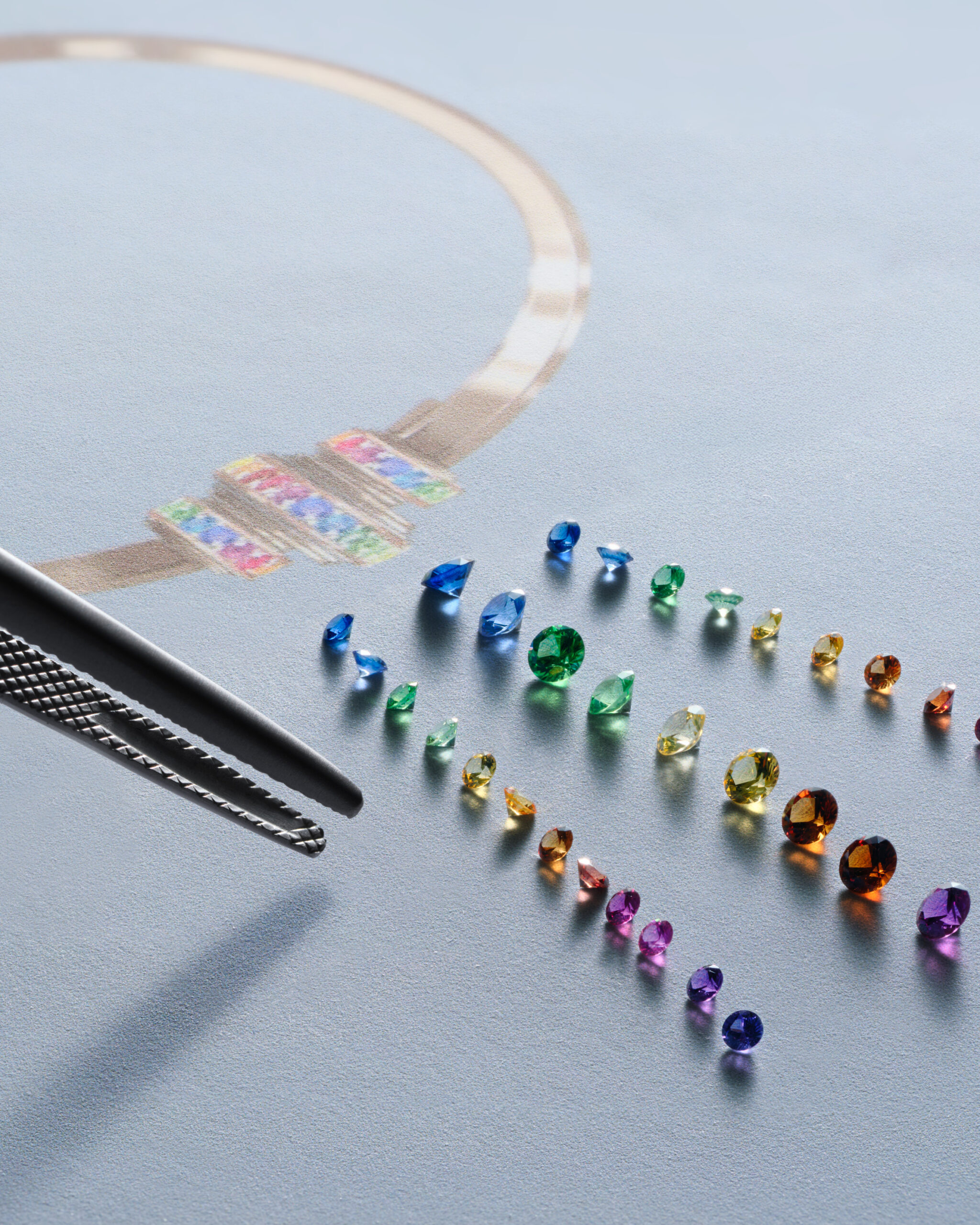
Color has been part of Piaget’s DNA since the 1960s, when ornamental materials like turquoise, malachite, tiger’s eye and lapis lazuli first graced its creations. Those same gemstones later edged the bezels of the brand’s inaugural jewelry watches and found their way into its first high-jewelry sets. Now, the rainbow signature signals a fresh chapter in that chromatic tradition, tracing arcs of gemstone brilliance across the curves of a Limelight Gala case, the sleek profile of a Piaget Polo Date 36 mm, or the generous lines of a Possession ring.
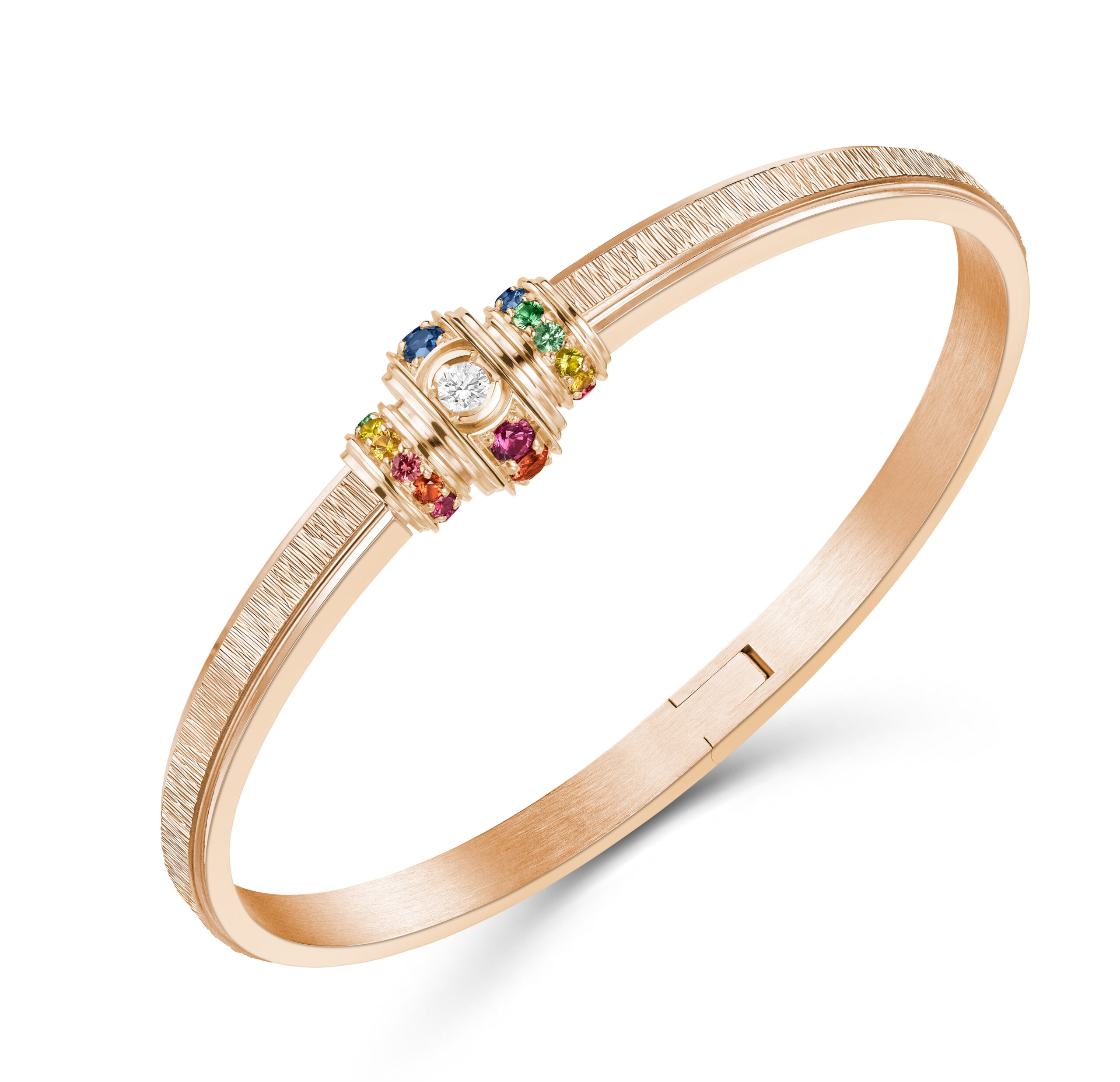
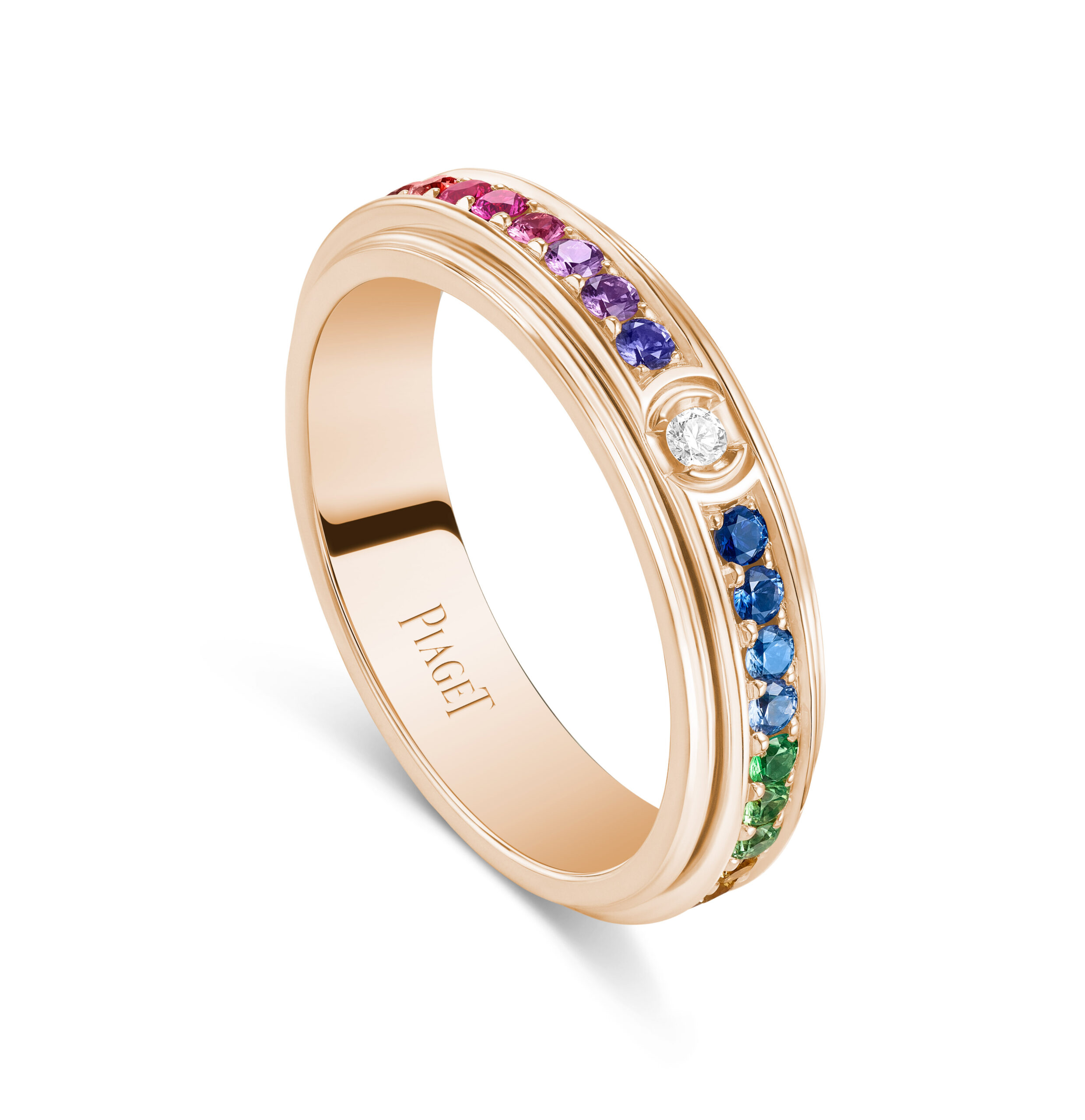
The rainbow setting demands millimeter-perfect precision: every stone—diamond, ruby, sapphire, tsavorite—is hand-picked for color and size to ensure flawless tonal progression. This painstaking process dovetails with the Maison’s distinctive Décor Palace finish, a gold-texturing technique created in 1961 and rediscovered in the early 2000s. Under each artisan’s tools, the gold surface comes alive with unique, irregular reflections, making every object a one-of-a-kind testament to Piaget’s singular charm.
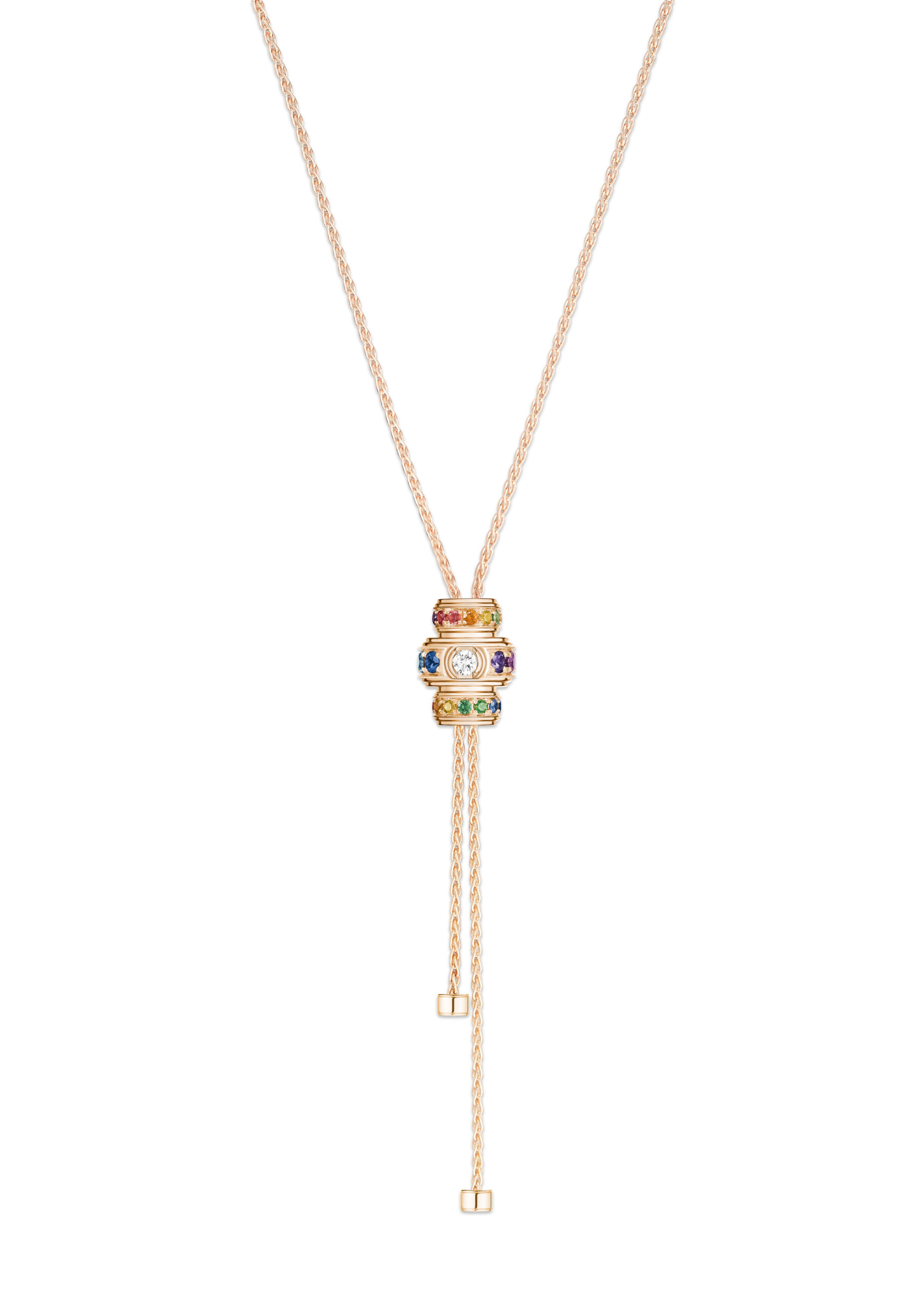
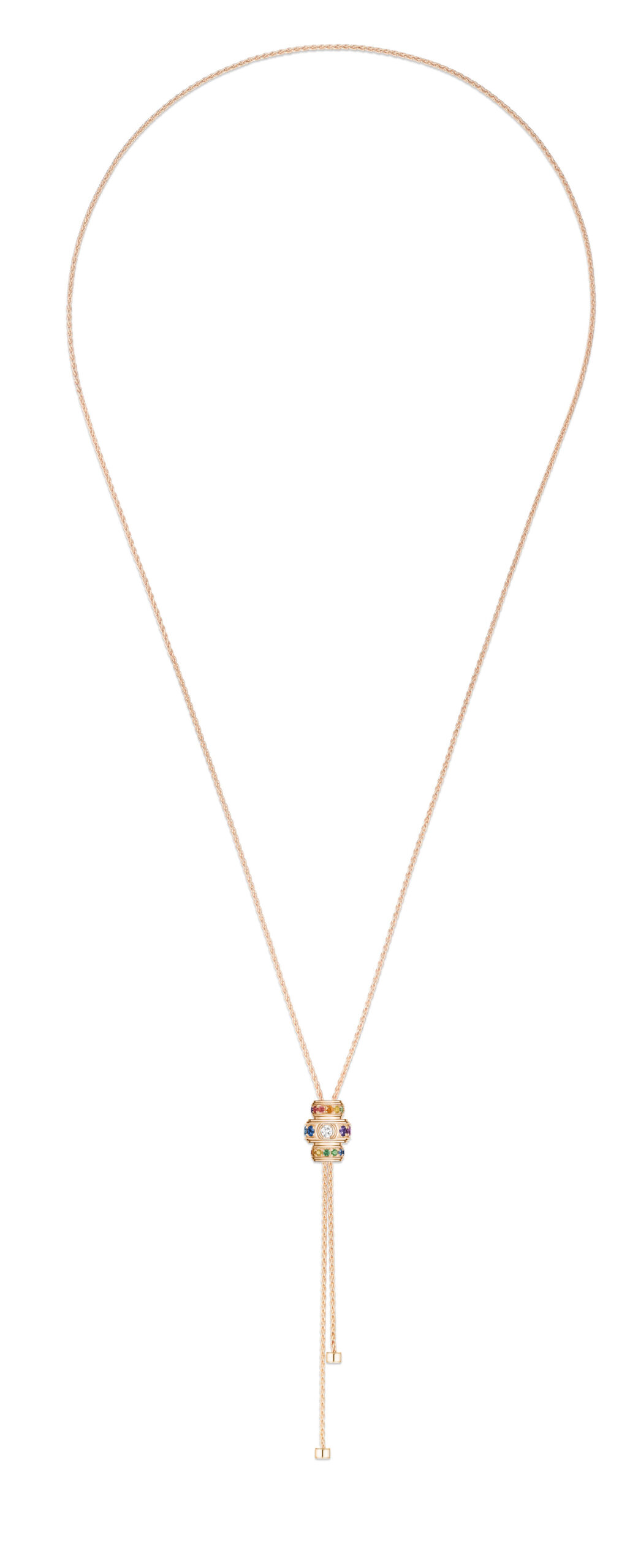
Creativity and technical daring have defined Piaget since Georges-Édouard Piaget set up his first workshop in La Côte-aux-Fées in 1874, dedicating himself to crafting ultra-precise movements. Those early feats laid the groundwork for Piaget’s legendary ultra-thin calibers unveiled in the late 1950s—the very lifeblood of today’s Altiplano line. Inside the Ateliers de l’Extraordinaire, master artisans still cultivate those rare skills, transforming gold, ornamental stones and precious gems into radiant works of art. From Altiplano to Piaget Polo and beyond, each collection stands as an emblem of the Maison’s enduring pursuit of craftsmanship and bold innovation.
Share this article

LEAVE A COMMENT
You must be logged in to post a comment.