



”La Quête du Temps”, a tribute to the Vacheron Constantin’s 270 years legacy


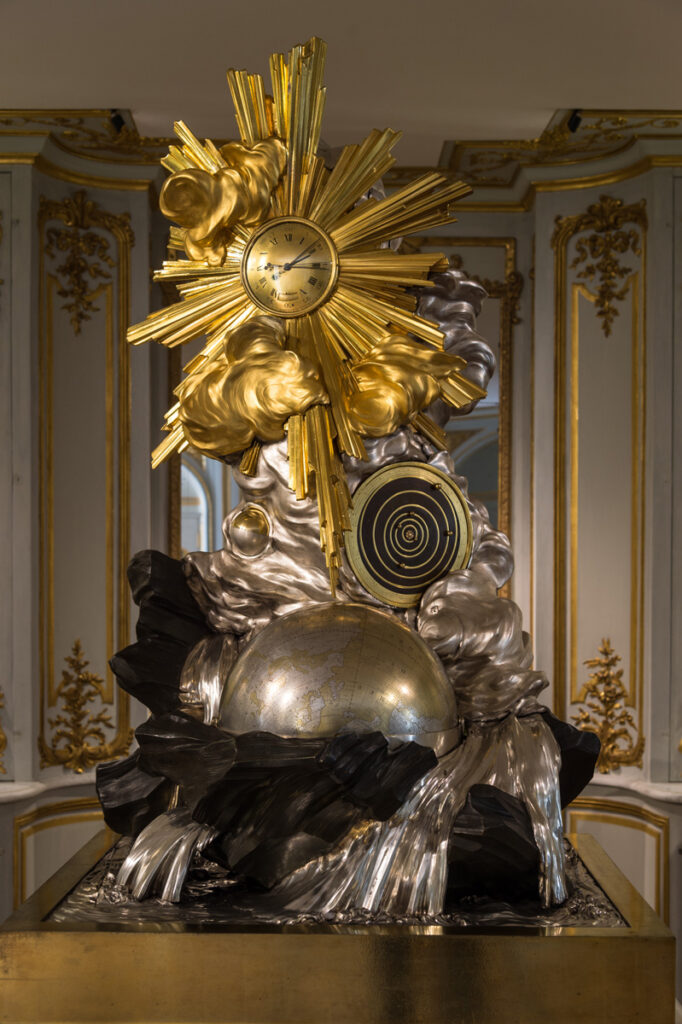
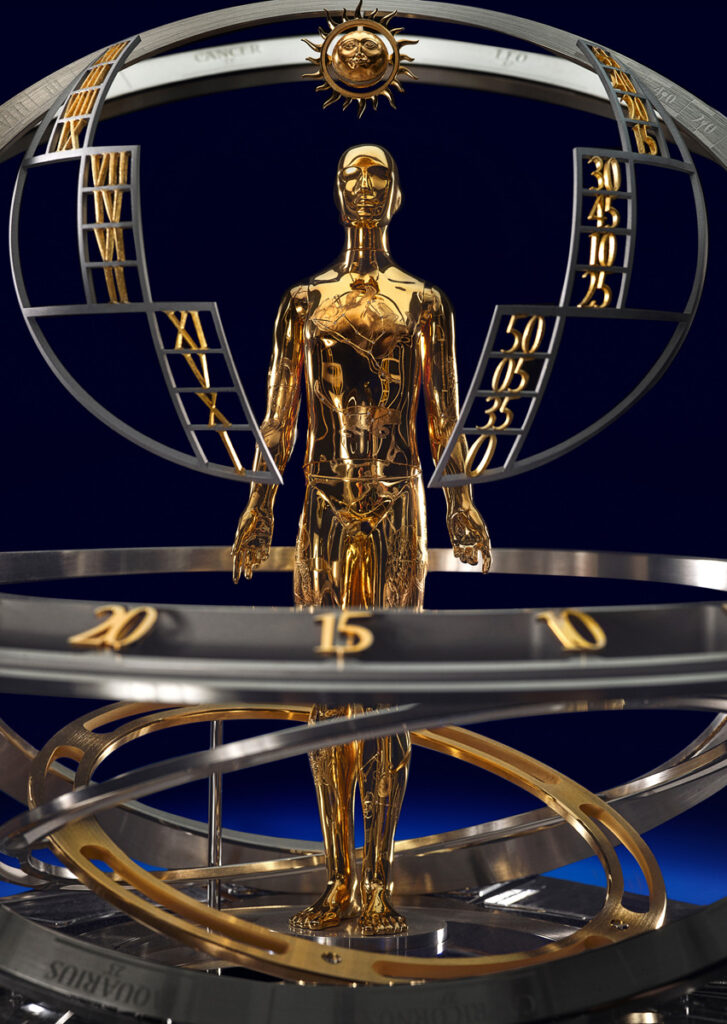
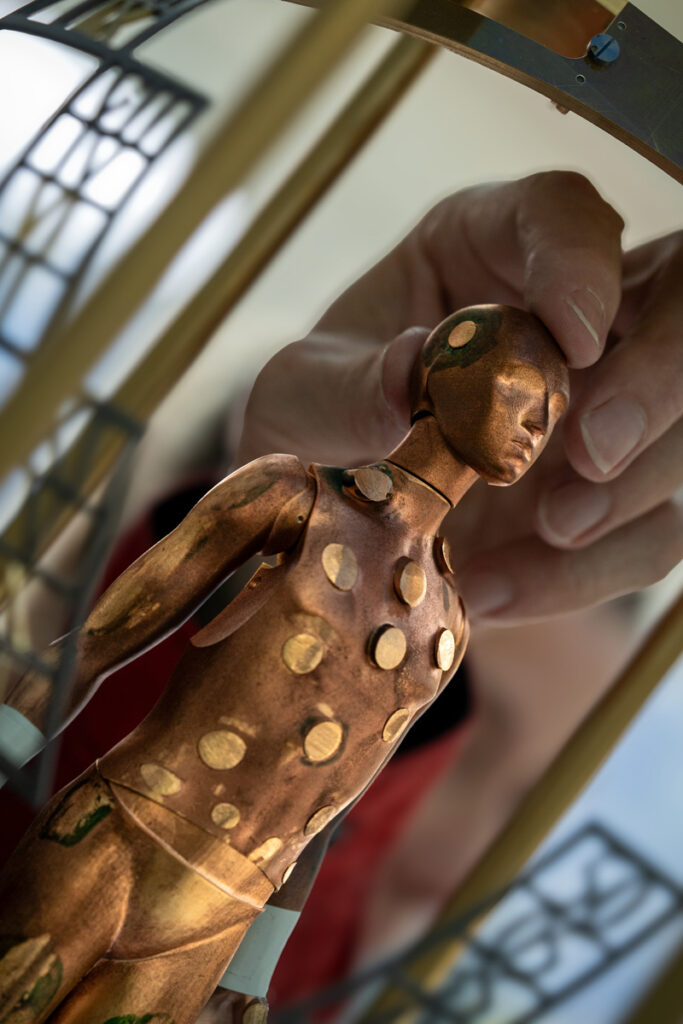
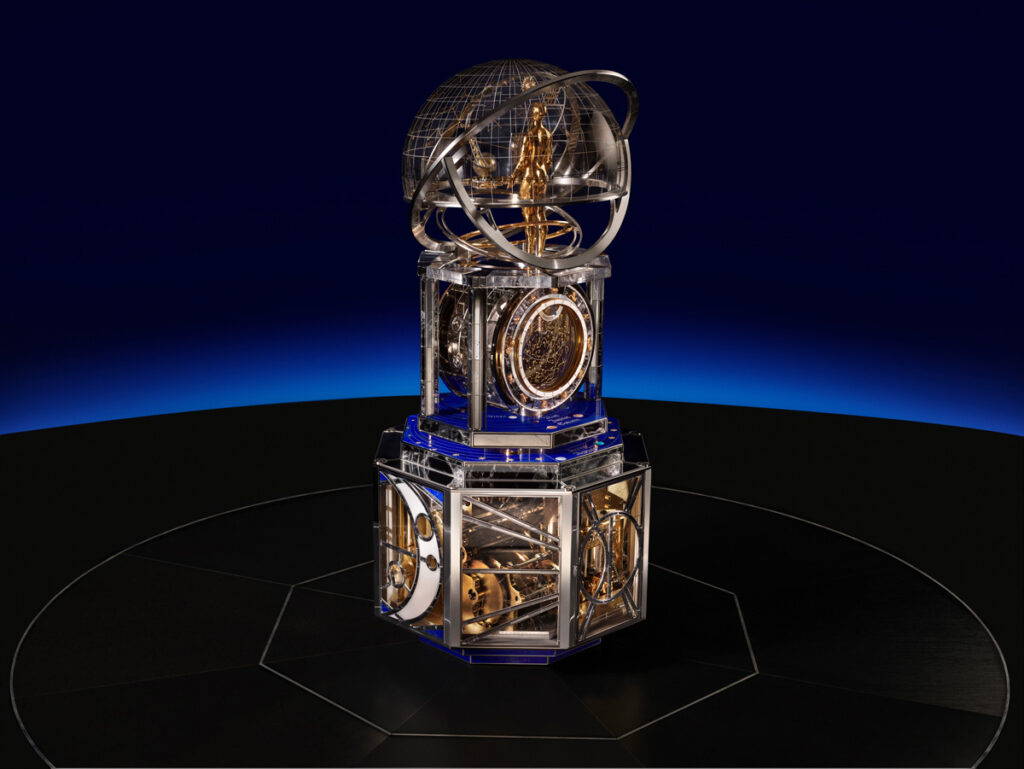
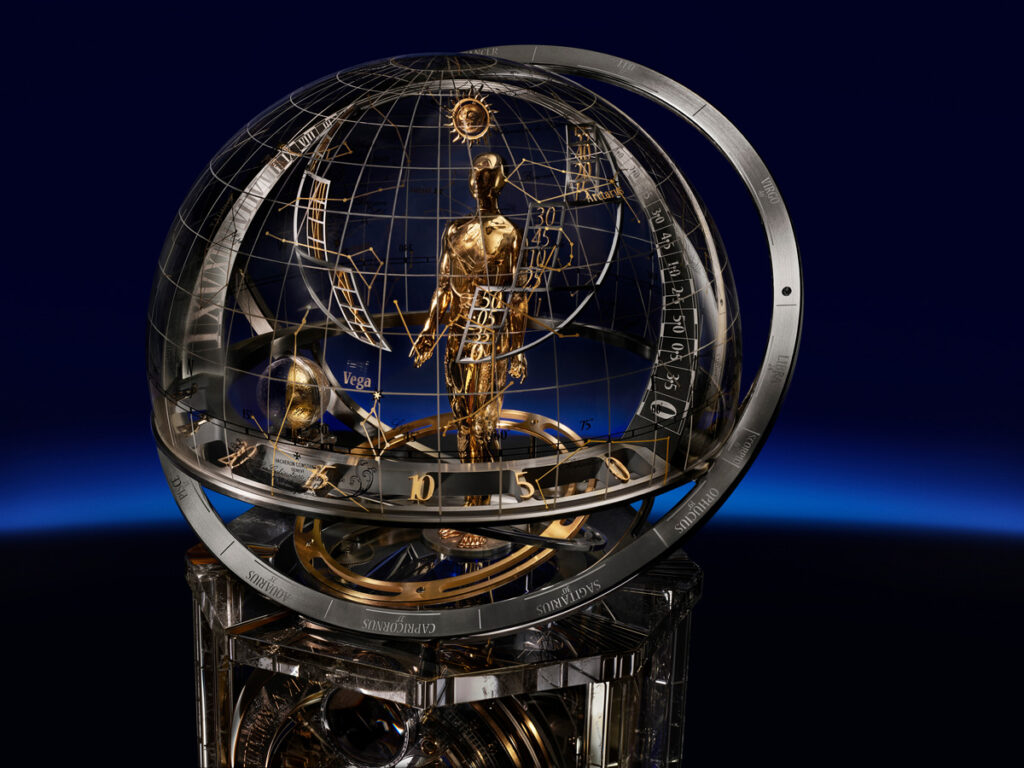
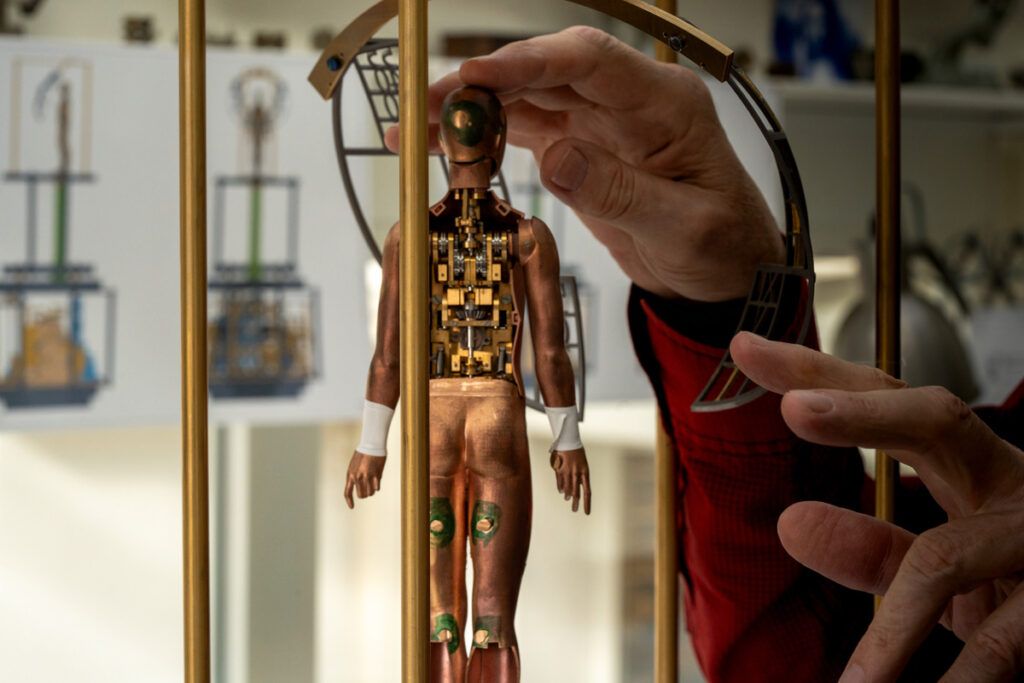
The centerpiece of the amazing automaton is the guise of an astronomer whose movements tell the time. With each sweep of its articulated arms, it not only marks hours and minutes but also beckons onlookers to reflect on the vastness of the heavens and the celestial rhythms that underlie our measurement of time. Since humanity first lifted its gaze skyward—charting the rising and setting of the Sun, the waxing and waning of the Moon, and the dance of the stars—our daily lives have been governed by those cosmic cycles. Over centuries, horologists harnessed this celestial clockwork, translating astronomical motion into gears and springs. Vacheron Constantin has embraced that legacy of stargazing and technical ingenuity from its founding in 1755, and its “Astronomer” automaton embodies that dual passion for the cosmos and mechanical craft.
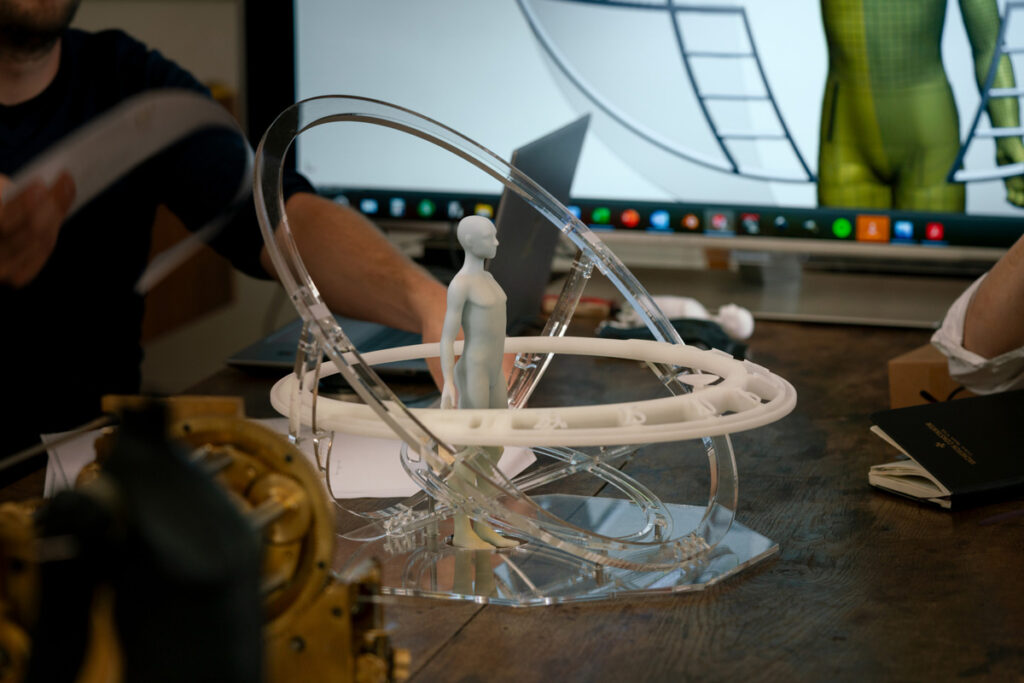
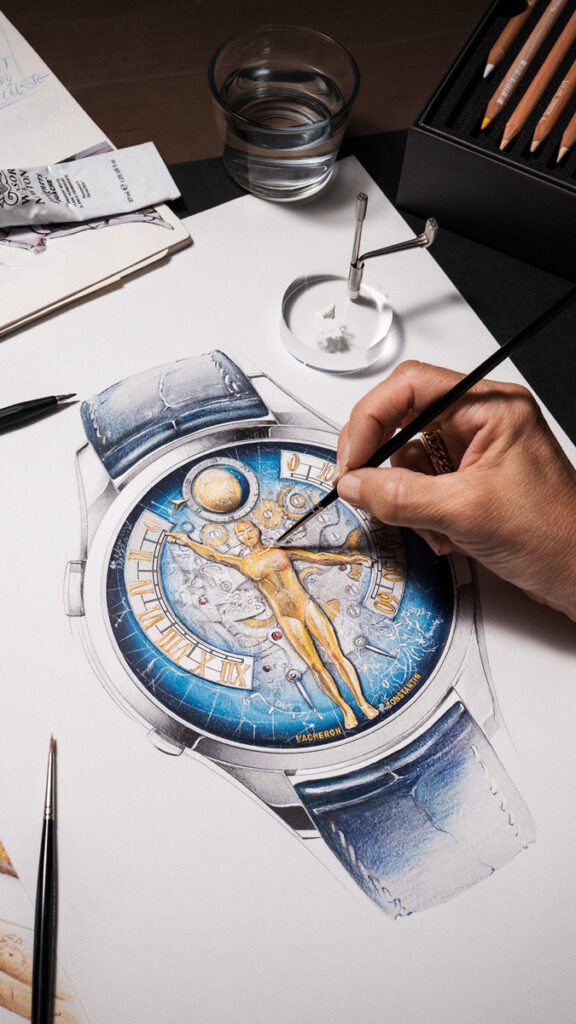
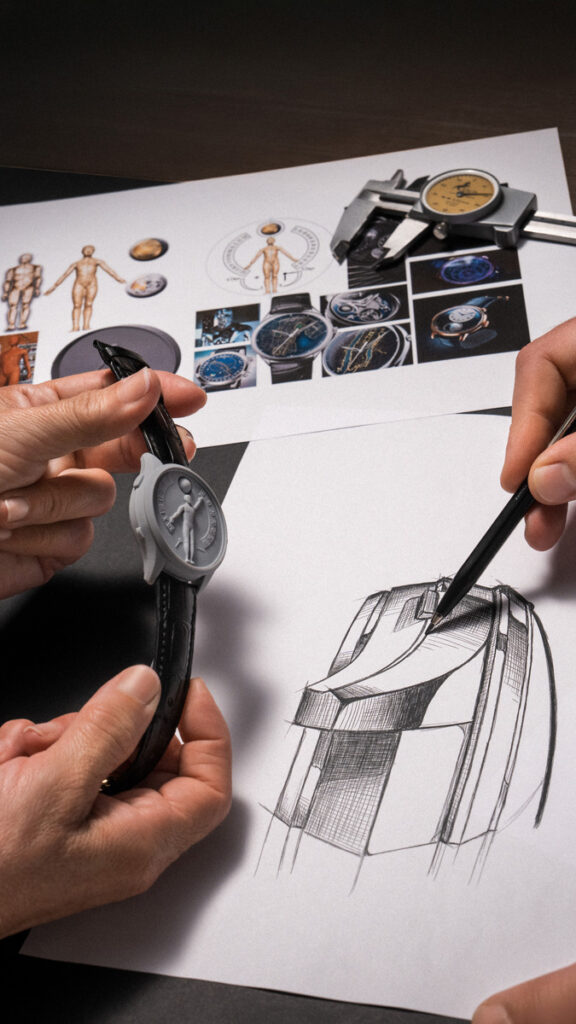
La Quête du Temps pays tribute to the grand tradition of 18th-century “merveilles” and Follies—those marvels of art and engineering designed as much to astonish the public as to serve a practical purpose. At the height of the Enlightenment, natural philosophy sparked a craze for demonstrating cutting-edge inventions in public salons. The most elaborate of these, the merveilles, combined scientific breakthroughs with exquisite ornamentation and became treasured objets d’art in European collections—an era that coincides with Vacheron Constantin’s own birth. Bringing La Quête du Temps to life demanded a synthesis of multiple disciplines. In true Genevan spirit, the Maison re-embraced the practice of établissage, inviting specialists across fields to join forces. In workshops that echo the historic “Fabrique,” horological engineers, celestial cartographers, master casemakers, and decorative artisans all contributed their expertise.
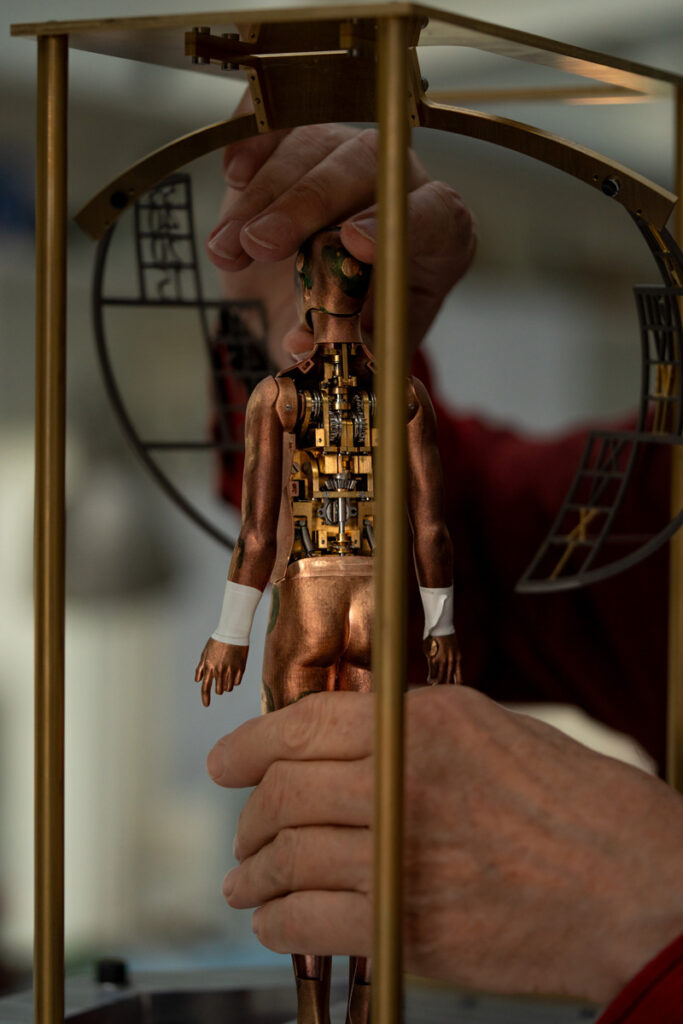
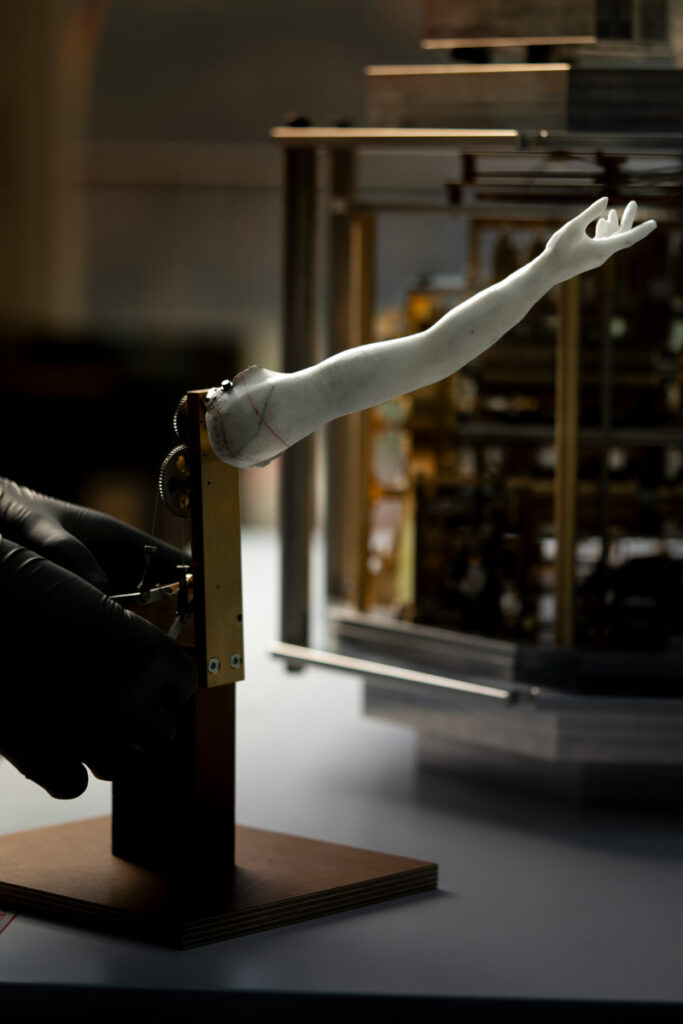
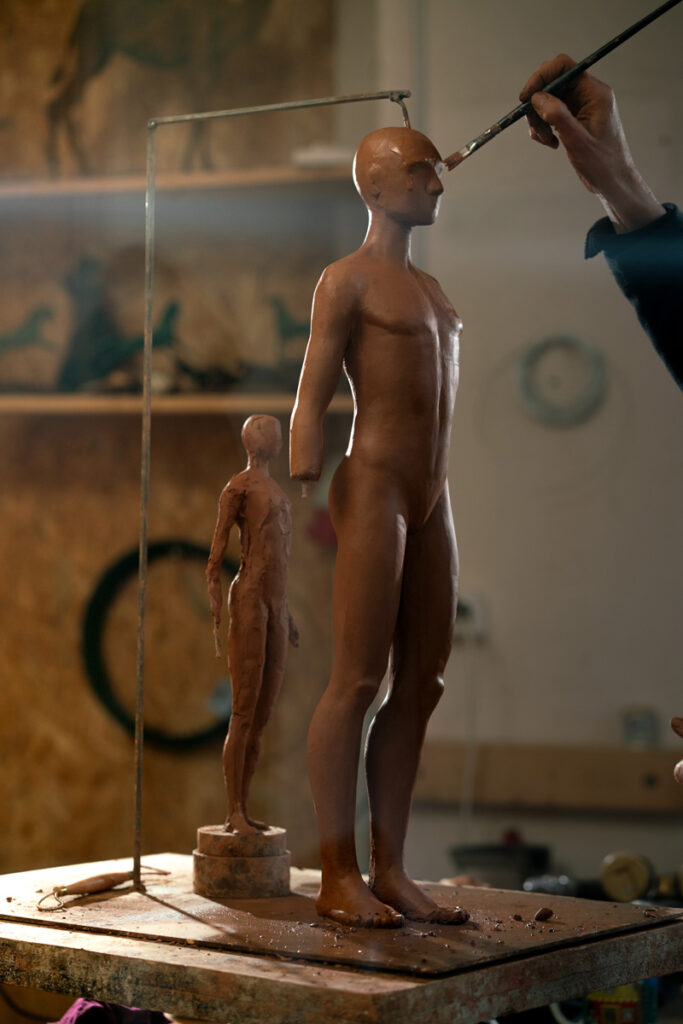
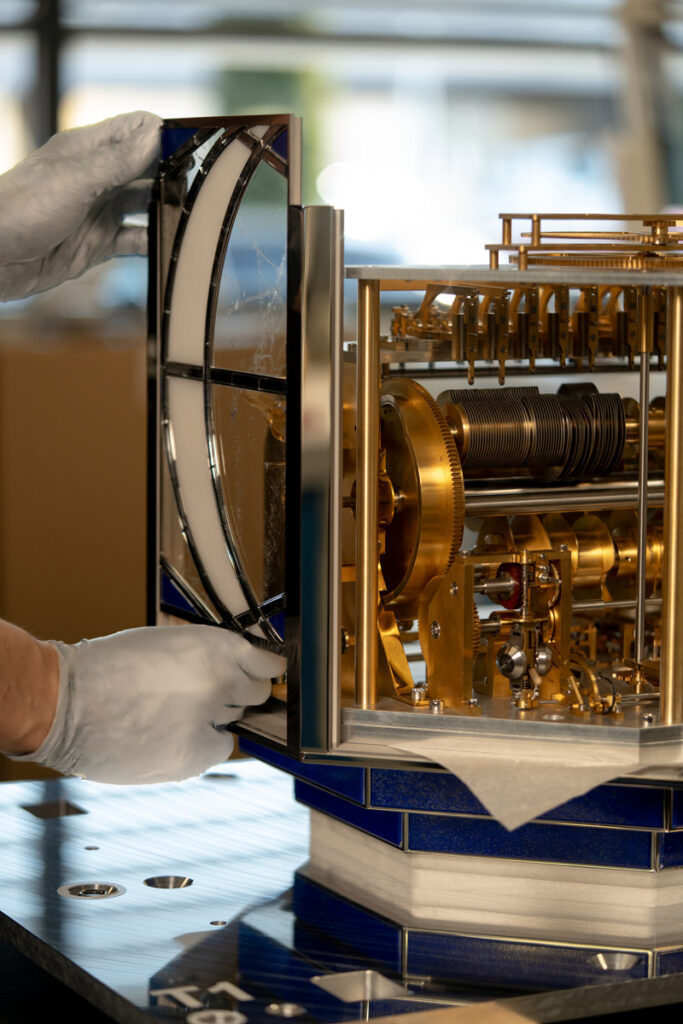
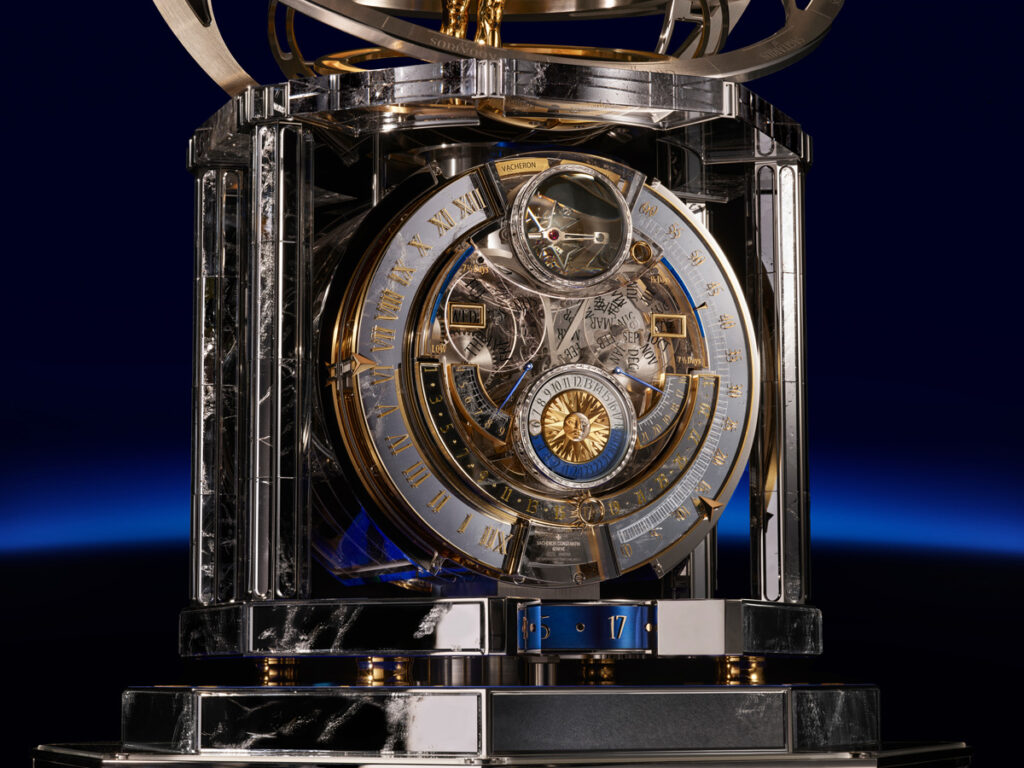
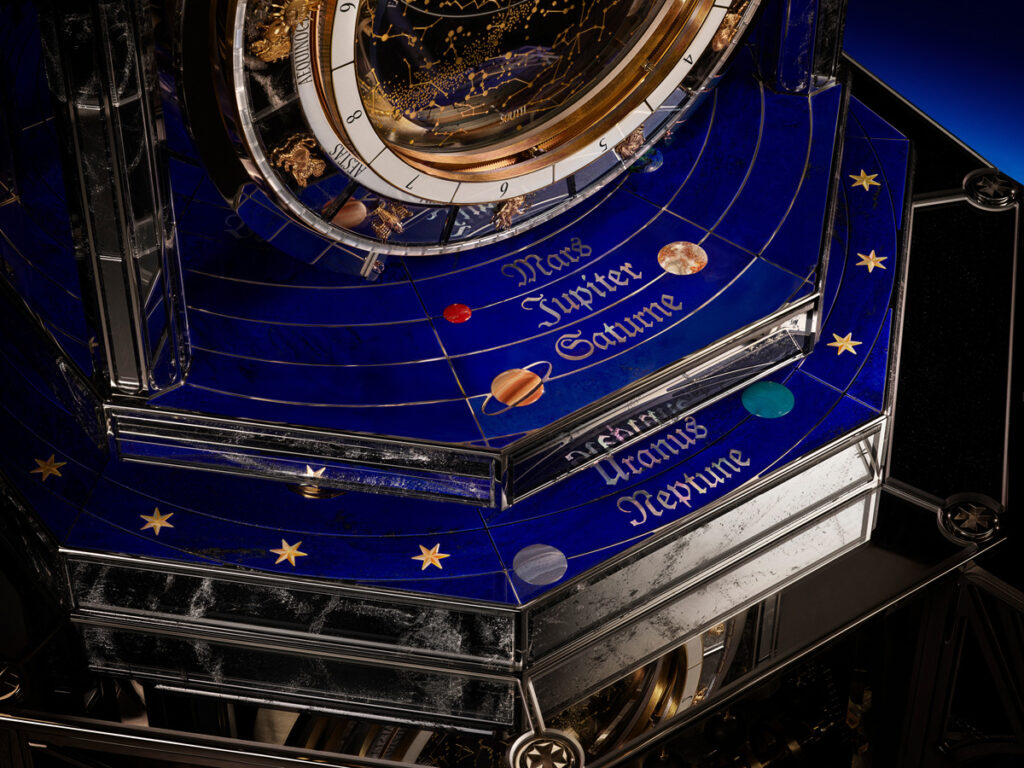
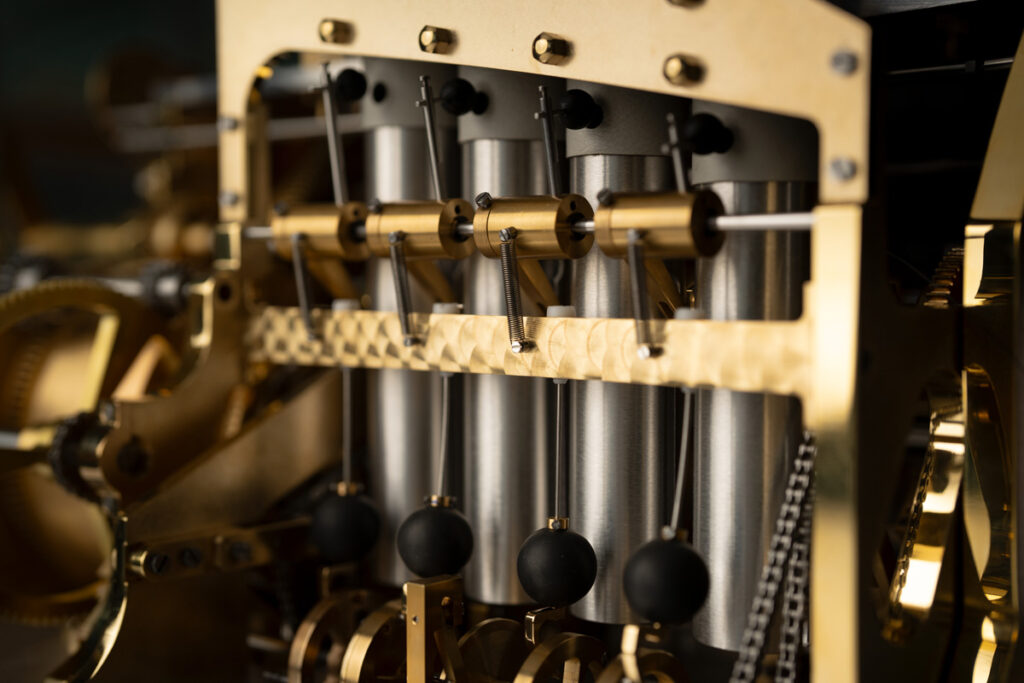
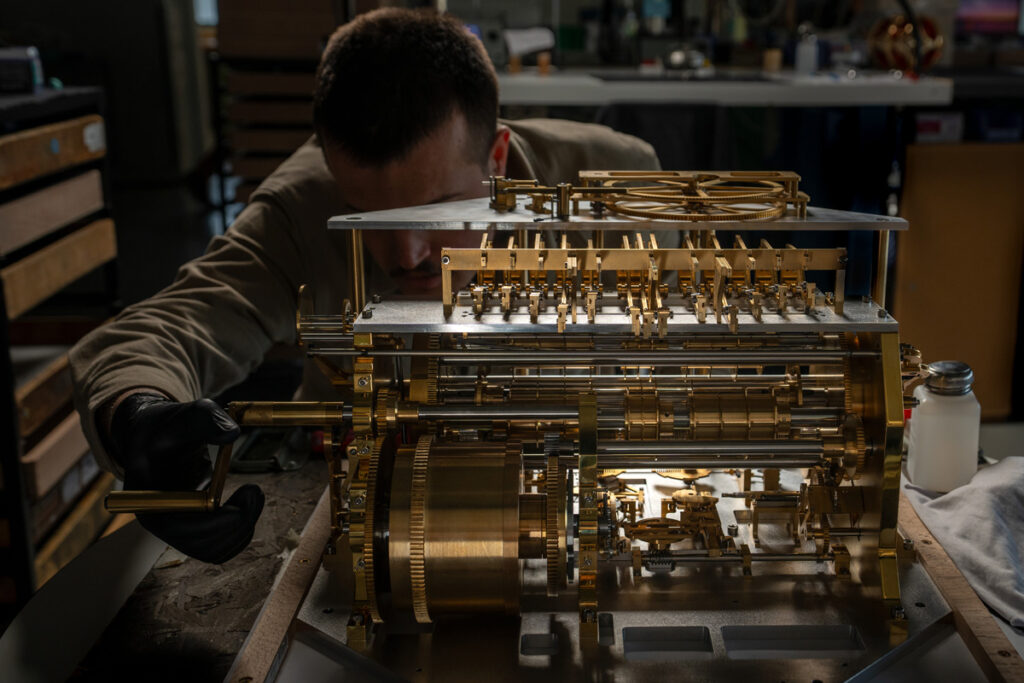
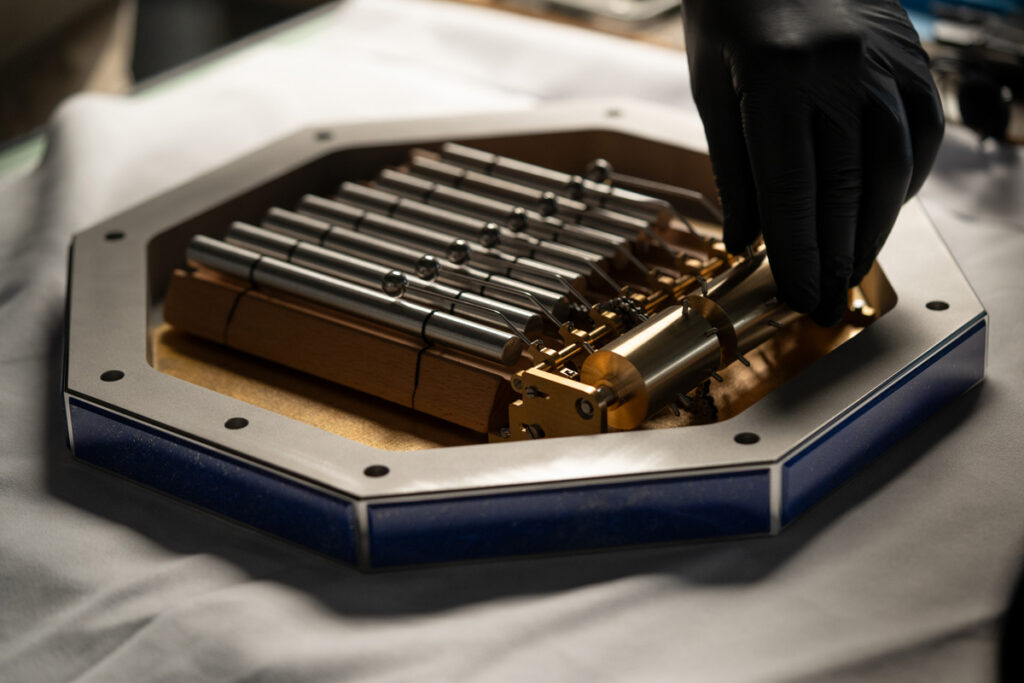
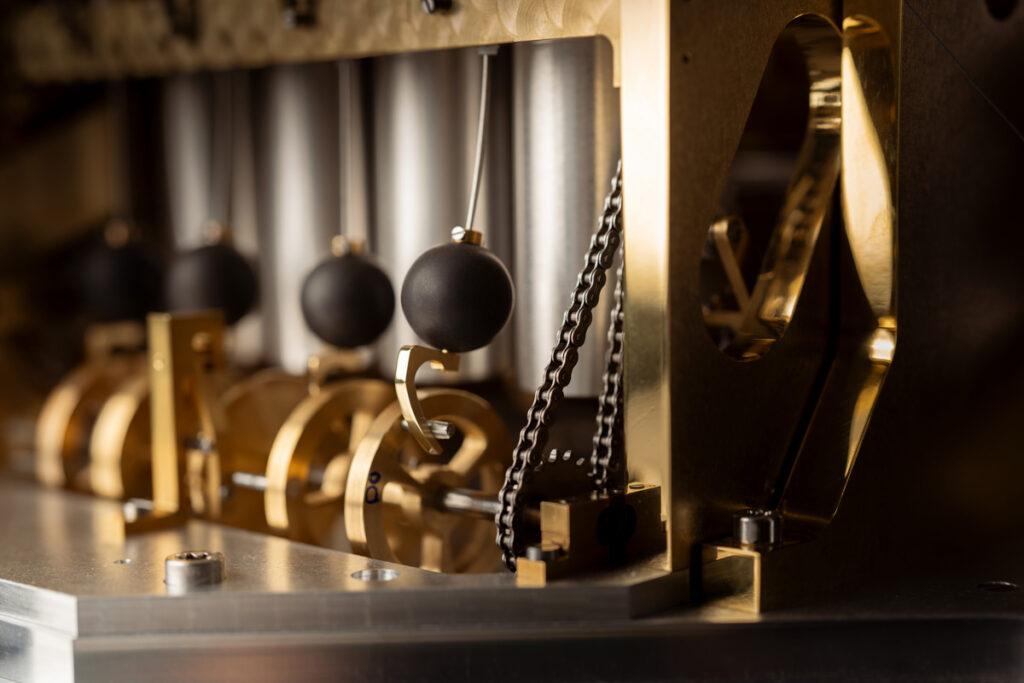
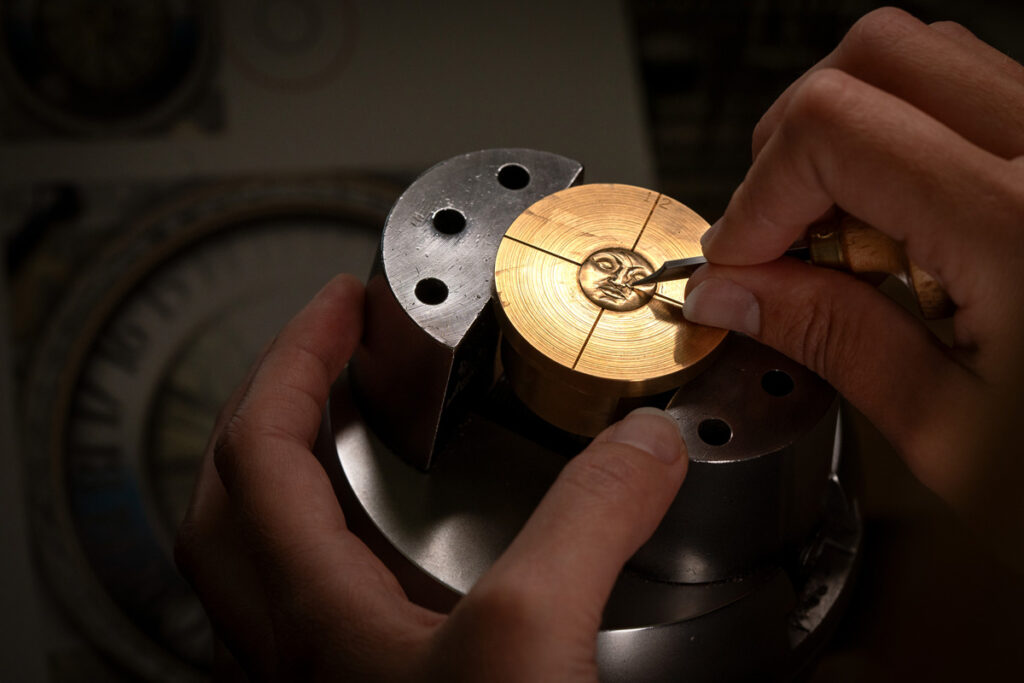
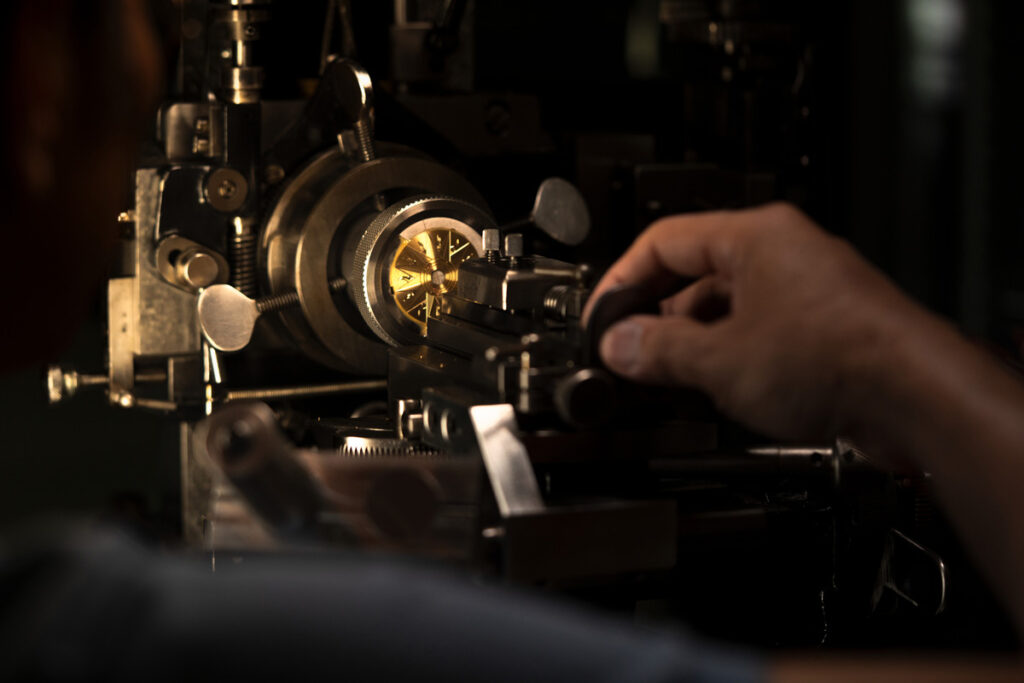
The automaton itself was realized in partnership with François Junod, acknowledged as the world’s foremost automatier. L’Épée 1839 engineered the clockwork and its protective housing, delivering a movement of breathtaking precision. Meanwhile, astronomers from the Geneva Observatory fine-tuned the star charts and celestial displays, ensuring that every dial faithfully echoes the passage of sidereal time. Finally, a cadre of artisans applied traditional techniques—hand-engraving, miniature painting, and guilloché—to adorn both astronomer and case, transforming La Quête du Temps into a sculptural homage to the union of science and art. The result is more than a timepiece: it is a living tableau, an invitation to pause, to observe, and to marvel at how human creativity can mirror the infinite clockwork of the universe.



“Is it always possible to do better? Is it always possible to be amazed? Undeniably.” said Laurent Perves, CEO of Vacheron Constantin. “At Vacheron Constantin, the pride and emotion we feel with each new project comes from the freedom and passion to create, which is fuelled by the quest for excellence and innovation. The result of seven years of work, this unparalleled collaborative project has given life to a marvellous object, a mécanique d’art that brings together mankind and the universe, in an unprecedented cultural and artistic statement. It also inspired, as is always the case at Vacheron Constantin, a Métiers d’Art wristwatch like no other.”










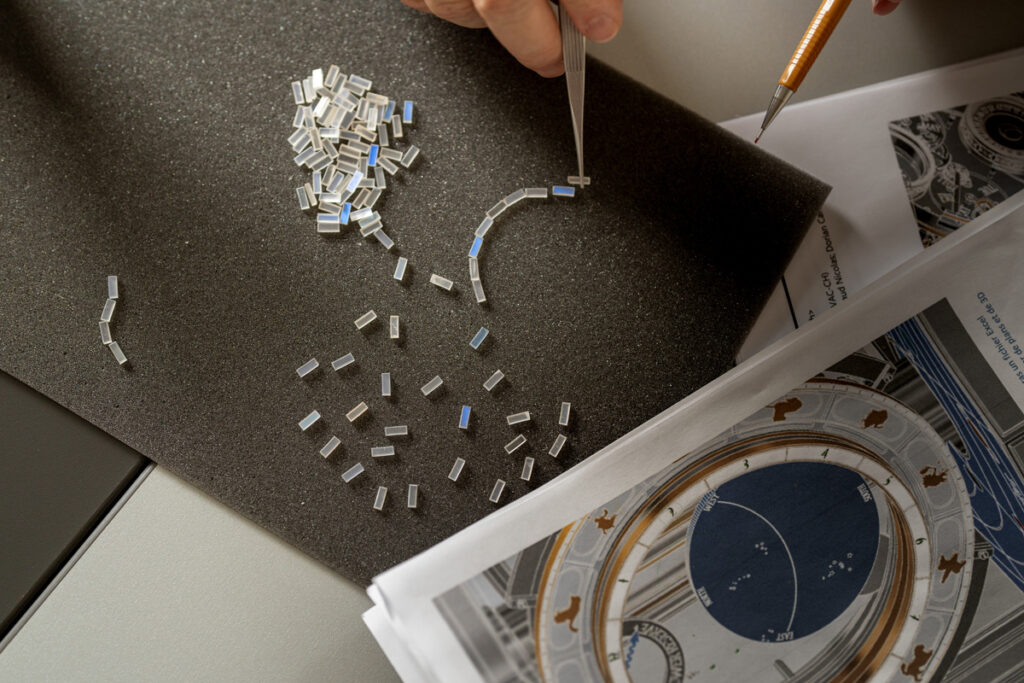




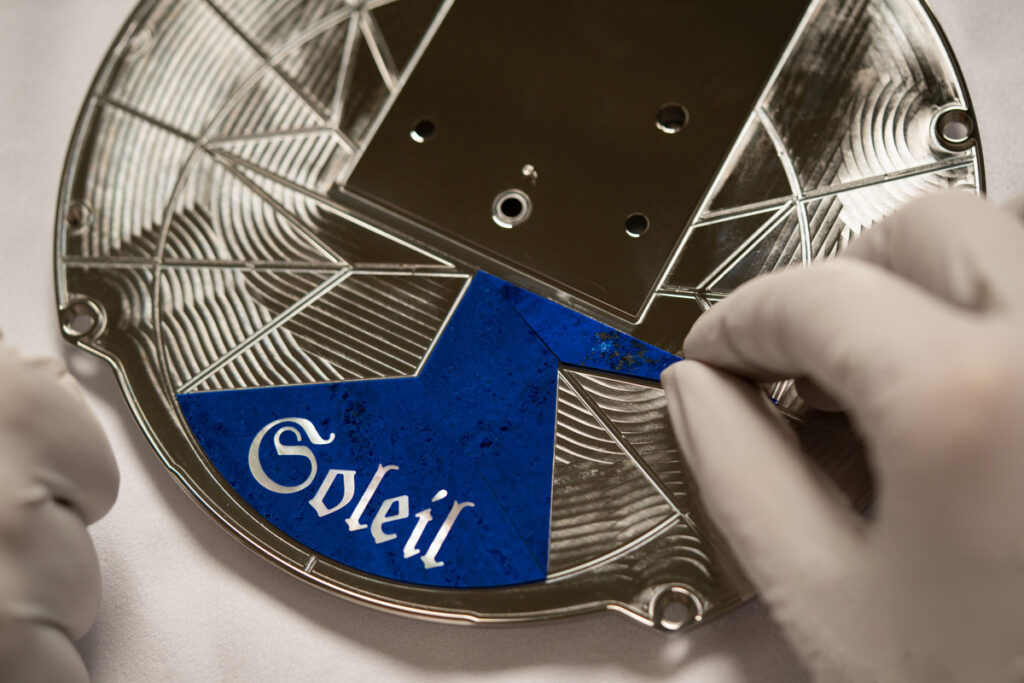


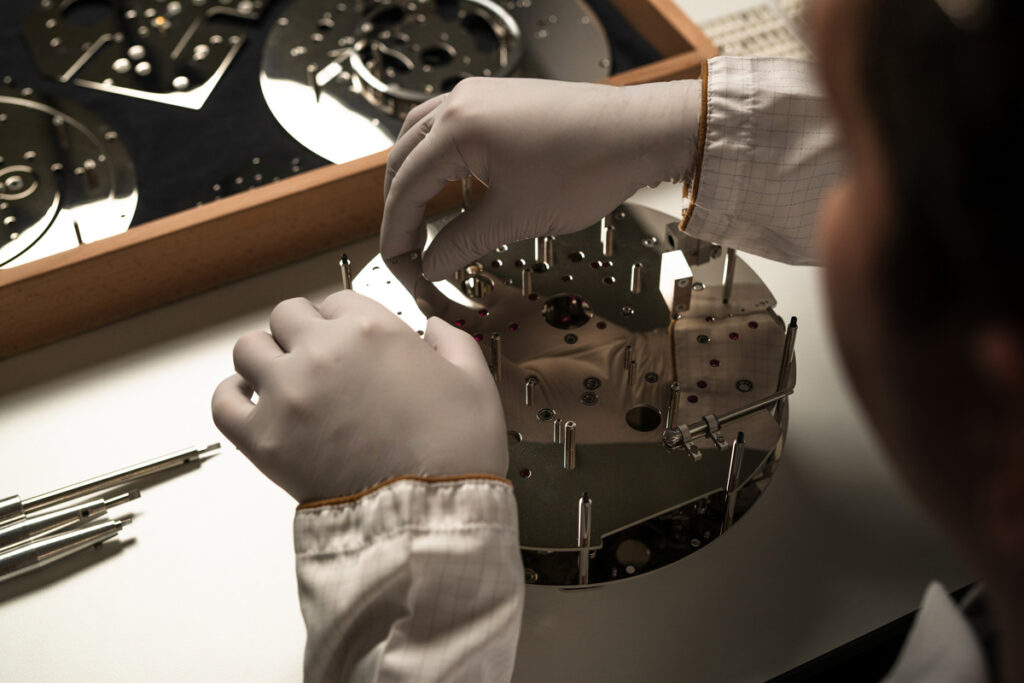
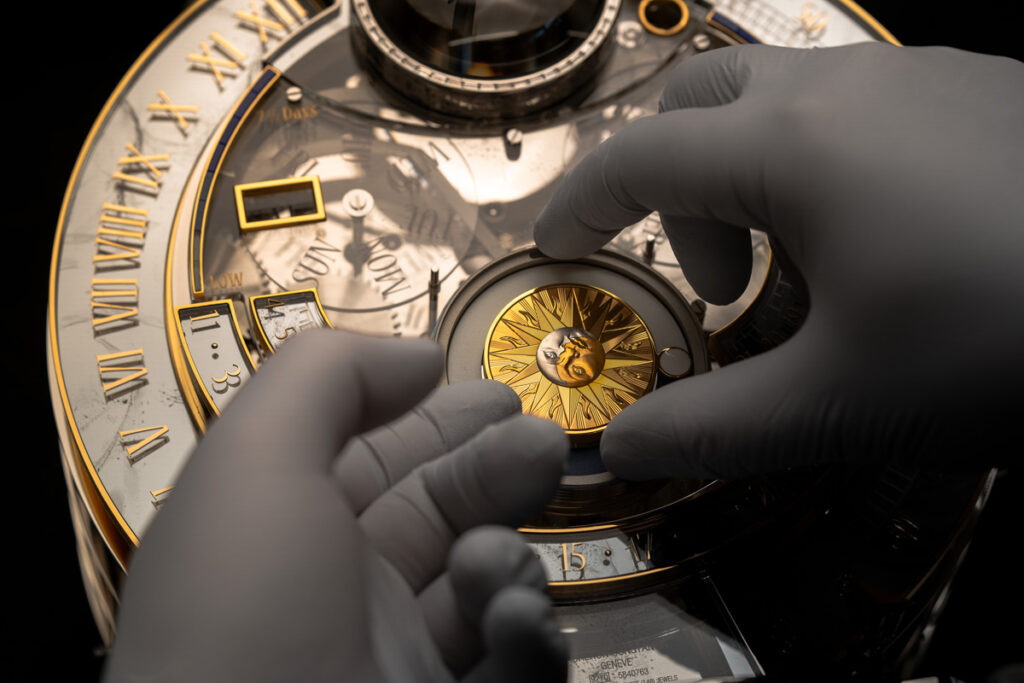
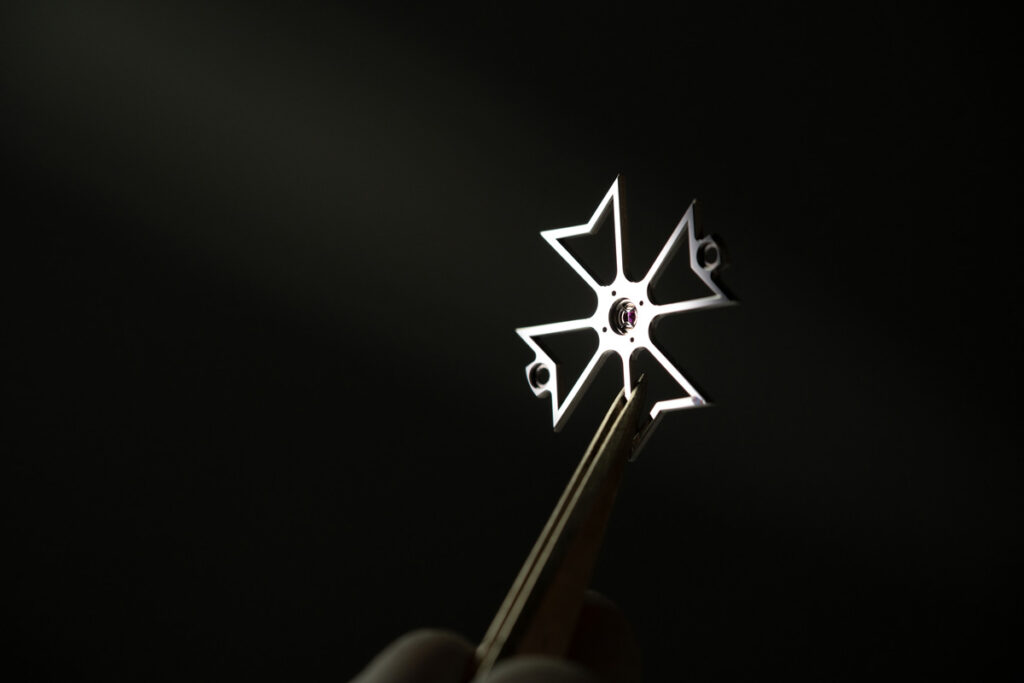
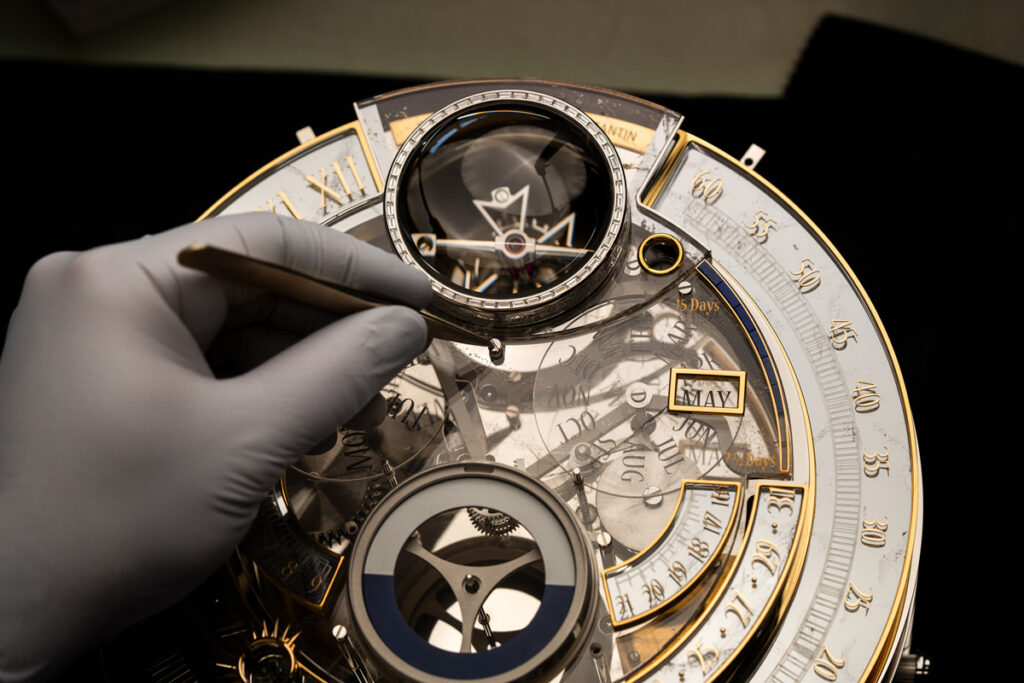

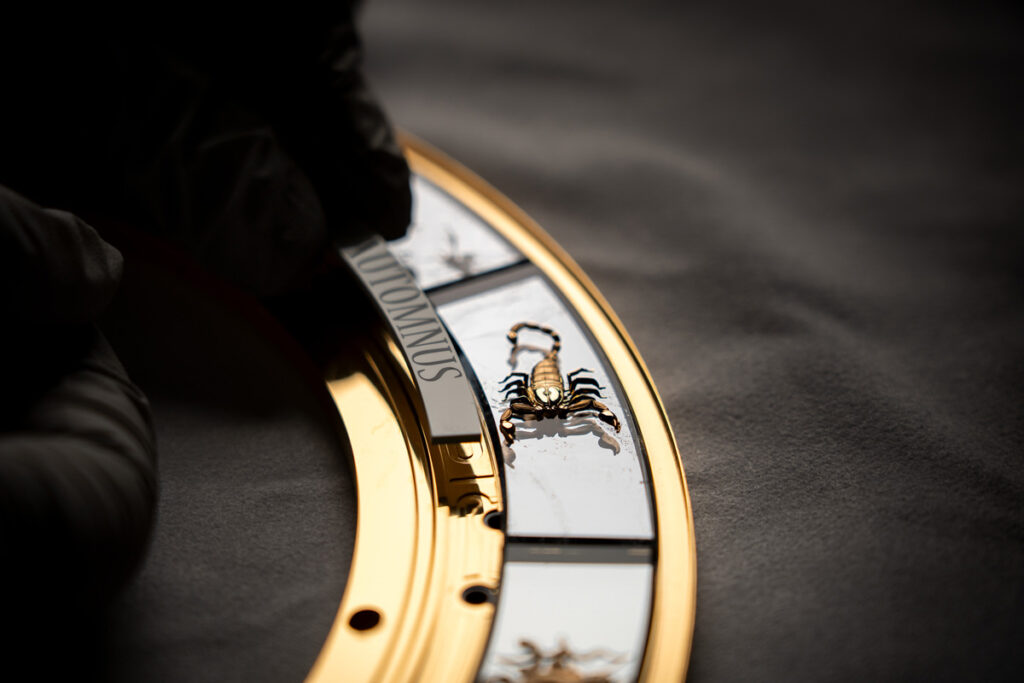
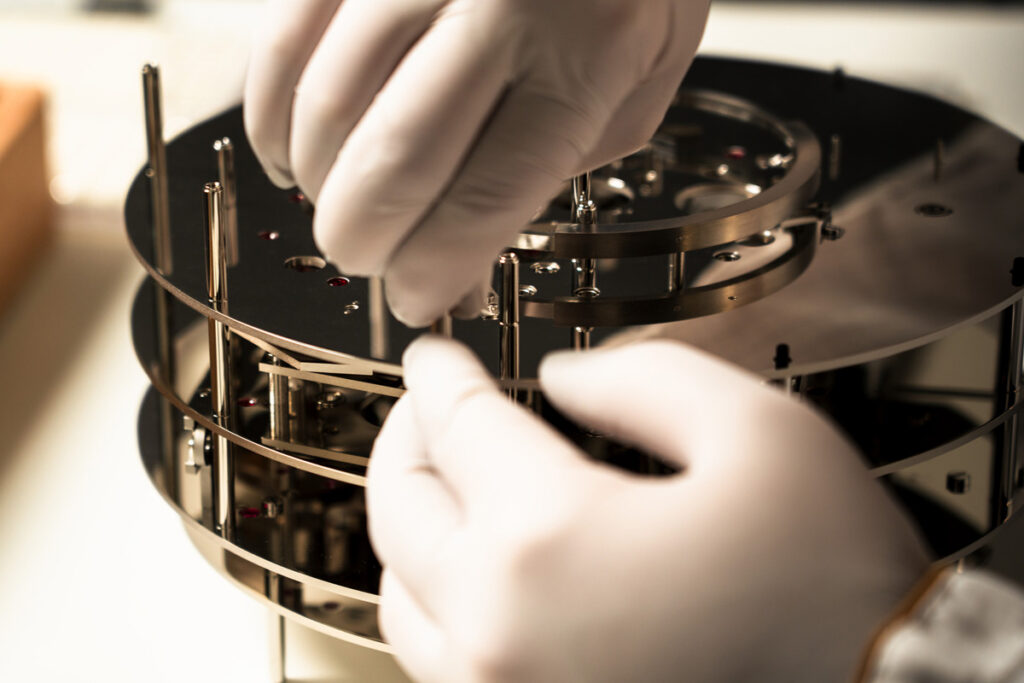
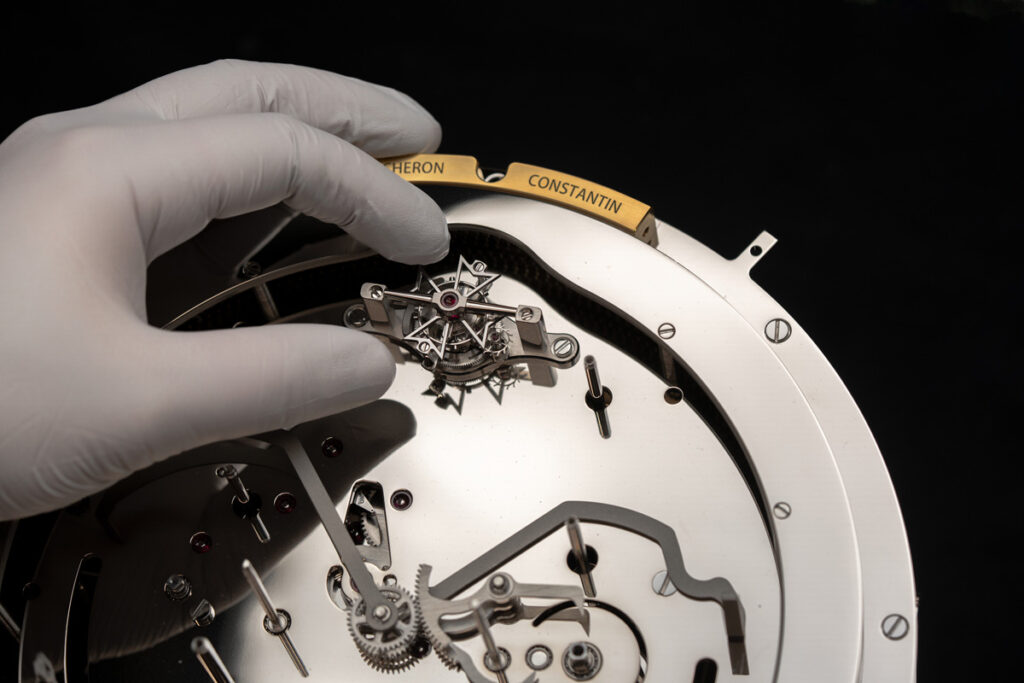
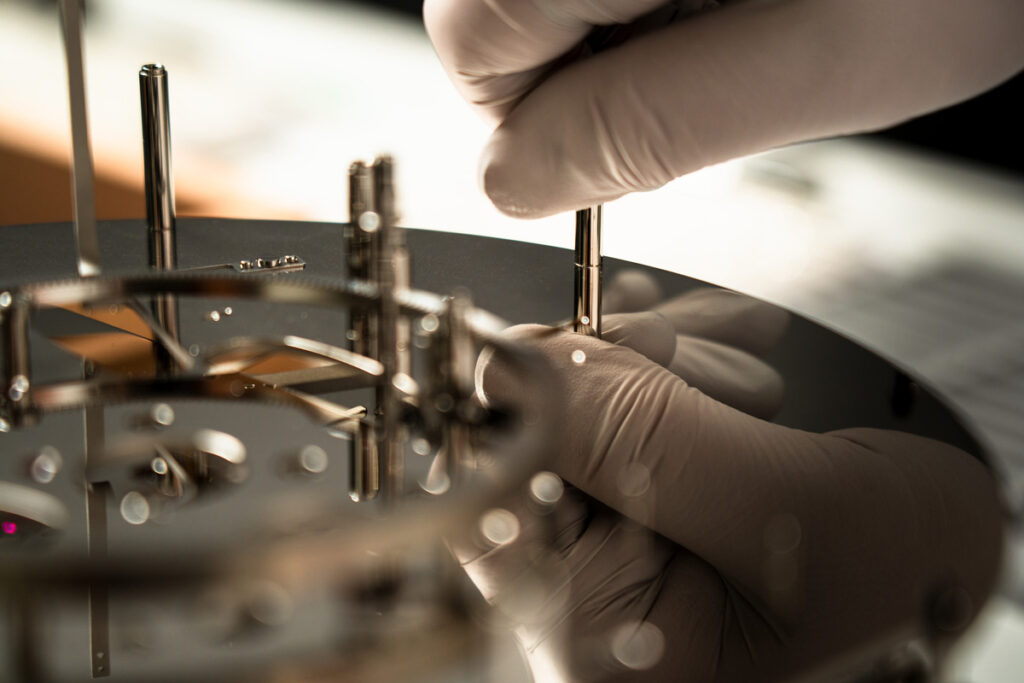
Drawing inspiration from the legendary La Quête du Temps clock, Vacheron Constantin marks its 270th anniversary with the Métiers d’Art Tribute to the Quest of Time wristwatch. Three years in the making, this dual-faced creation is limited to just 20 pieces and powered by the new hand-wound Manufacture Calibre 3670—an extraordinary exercise in miniaturization comprising 512 components and protected by four patent filings.
On its front side, a finely sculpted human form becomes the timekeeper: outstretched arms sweep across a double-retrograde display of hours and minutes. Behind it, a star chart recreates Geneva’s night sky on the exact day the Maison was founded in 1755. A matching double-retrograde power-reserve indicator and a three-dimensional moon-phase complication—with precise lunar-age readout—complete this poetic tableau.
Flip the watch and the reverse dial unveils a real-time sidereal sky map, tracking the constellations with an astonishing accuracy of one day’s variation every 9,130 years. Throughout, Vacheron Constantin’s dedication to traditional handcrafts harmonizes with cutting-edge decorative methods, forging a seamless dialogue between centuries-old métiers d’art and fresh innovation.
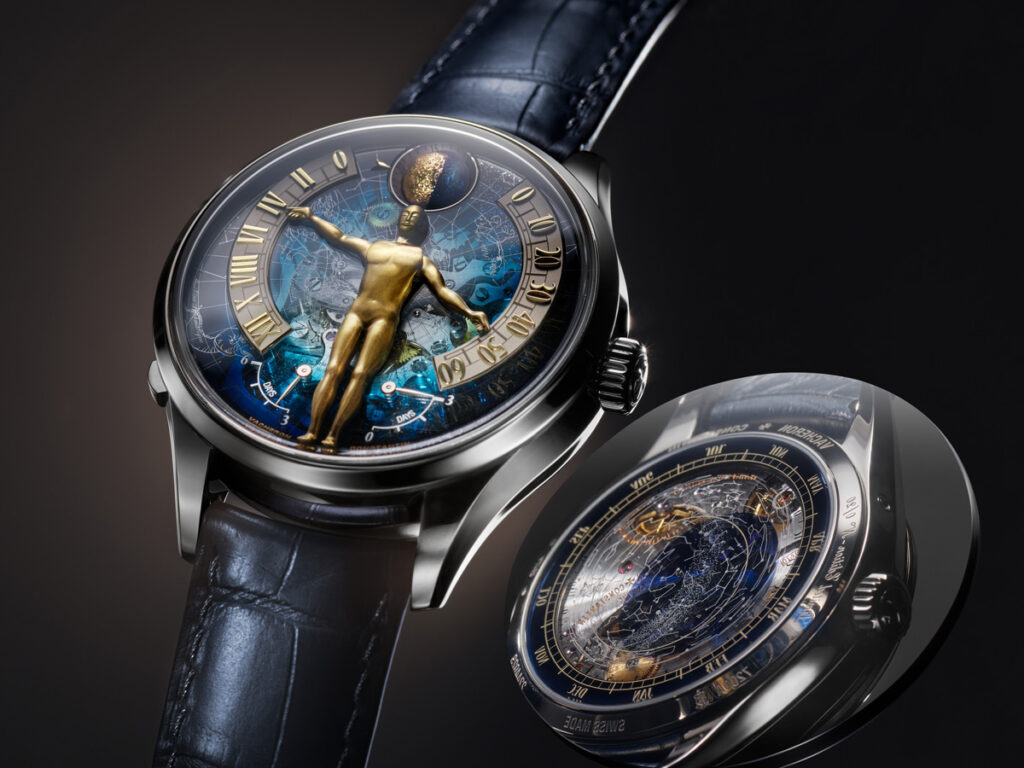

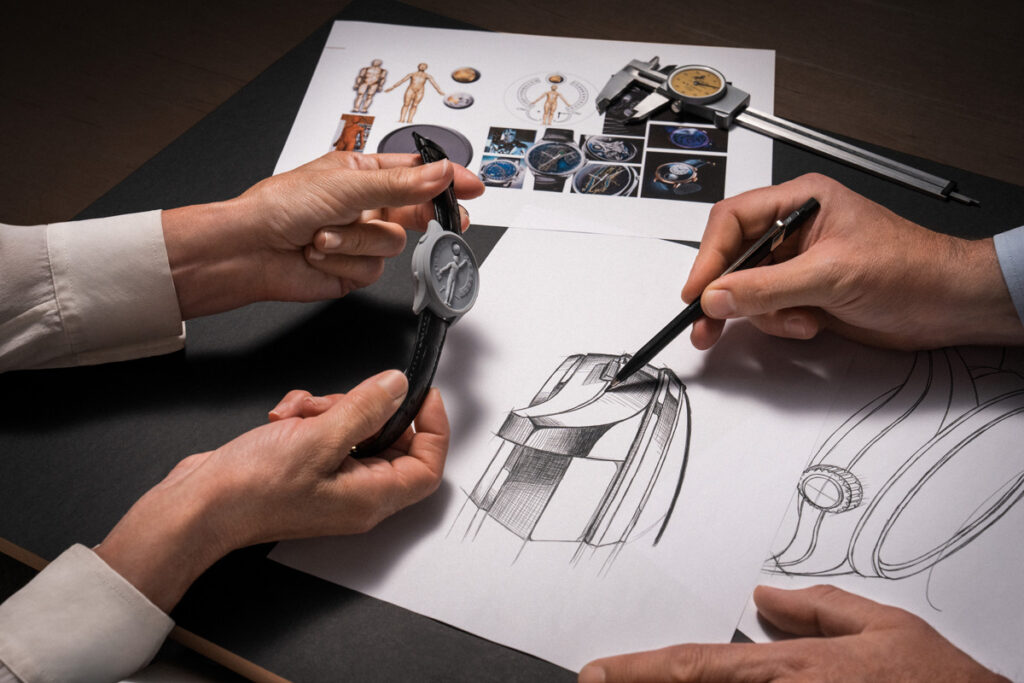


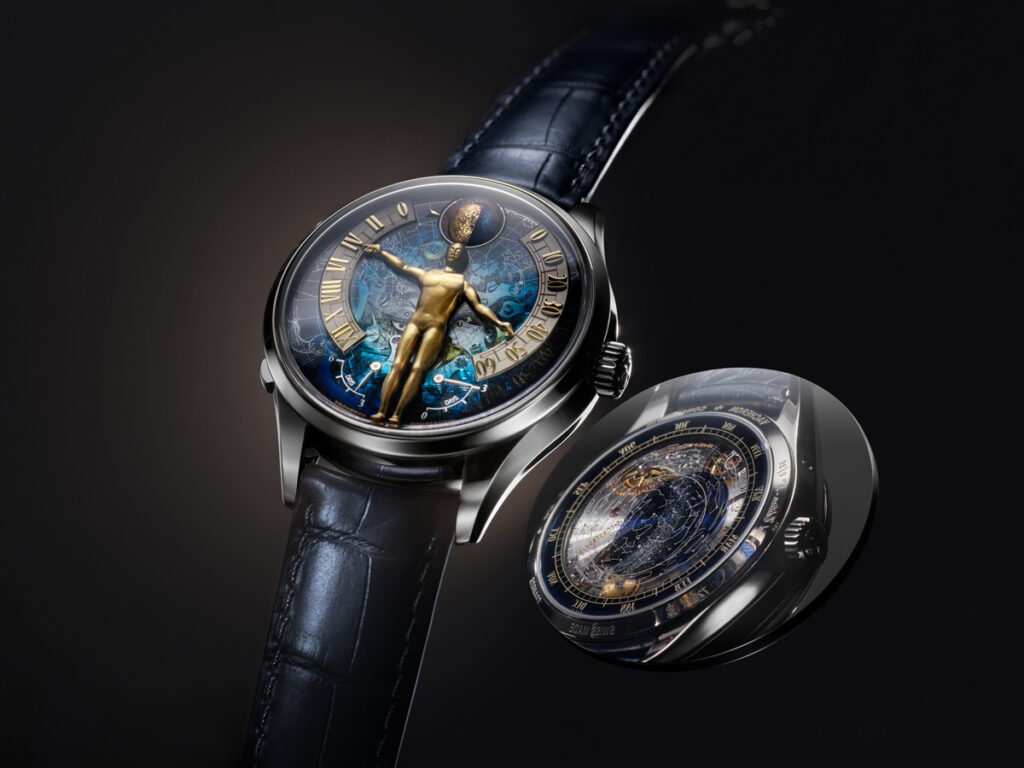
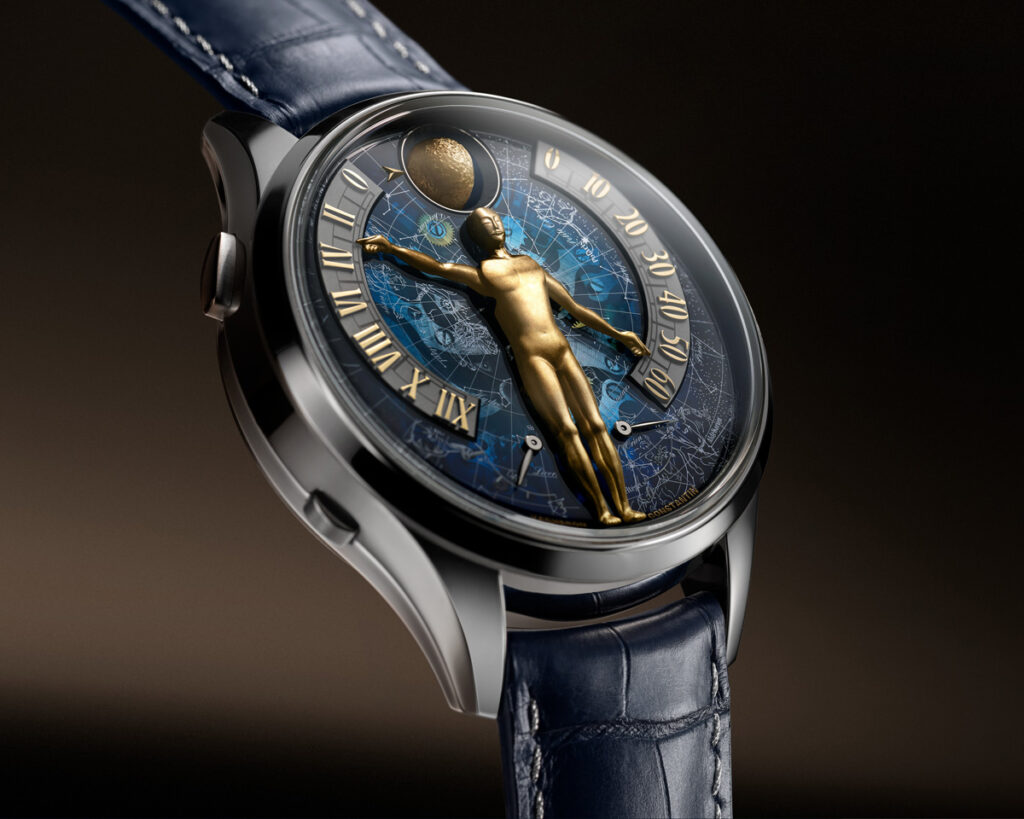
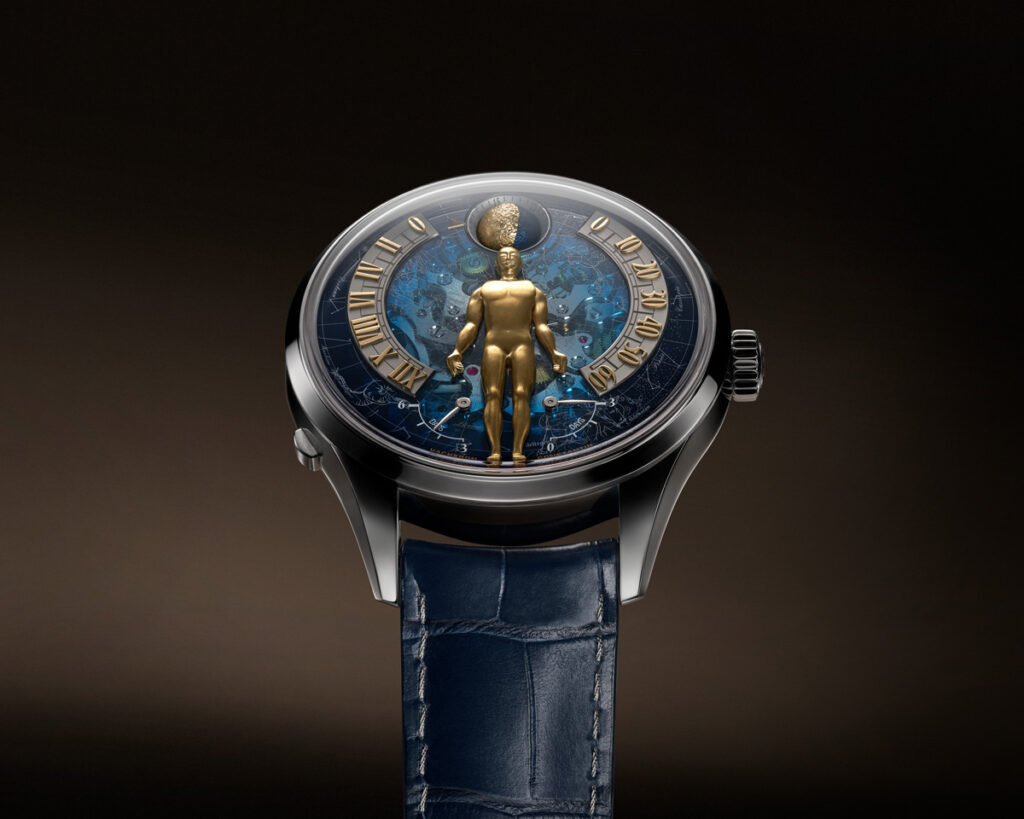
A masterpiece which was made in three years, the double-sided wristwatch houses the new hand-wound Manufacture Calibre 3670, a movement currently protected by four patent applications. Its innovative design pays homage to Vacheron Constantin’s 270th-anniversary astronomical clock, La Quête du Temps, while setting new standards in haute horlogerie. On the front dial, a sculpted human figure takes centre stage: its outstretched arms trace the hours and minutes in a double-retrograde display that can be read in two ways—on demand, when you glance at it, and continuously, as time flows. This kinetic tableau transforms the mere act of checking the time into a moment of theatre.
Crafted with a marriage of centuries-old artistic métiers and cutting-edge decorative techniques, the figure stands against a celestial map depicting the constellations visible from Geneva on the day Vacheron Constantin was founded in 1755. Below, a double-retrograde power-reserve indicator and a three-dimensional precision moon-phase with lunar-age display round out the front’s poetic complexity. Flip the case and you’ll find the reverse dial—a sky chart calibrated to the sidereal day that tracks the stars in real time with an astonishing accuracy of one day’s error every 9,130 years. This astronomical caliber transforms the wristwatch into a personal observatory, connecting wearer and cosmos at every turn.
Encased in 43 mm of polished white gold, the Métiers d’Art — Tribute to the Quest of Time is released in a strictly limited series of 20 numbered pieces. Each example carries the Poinçon de Geneve seal and is available exclusively through Vacheron Constantin boutiques worldwide.
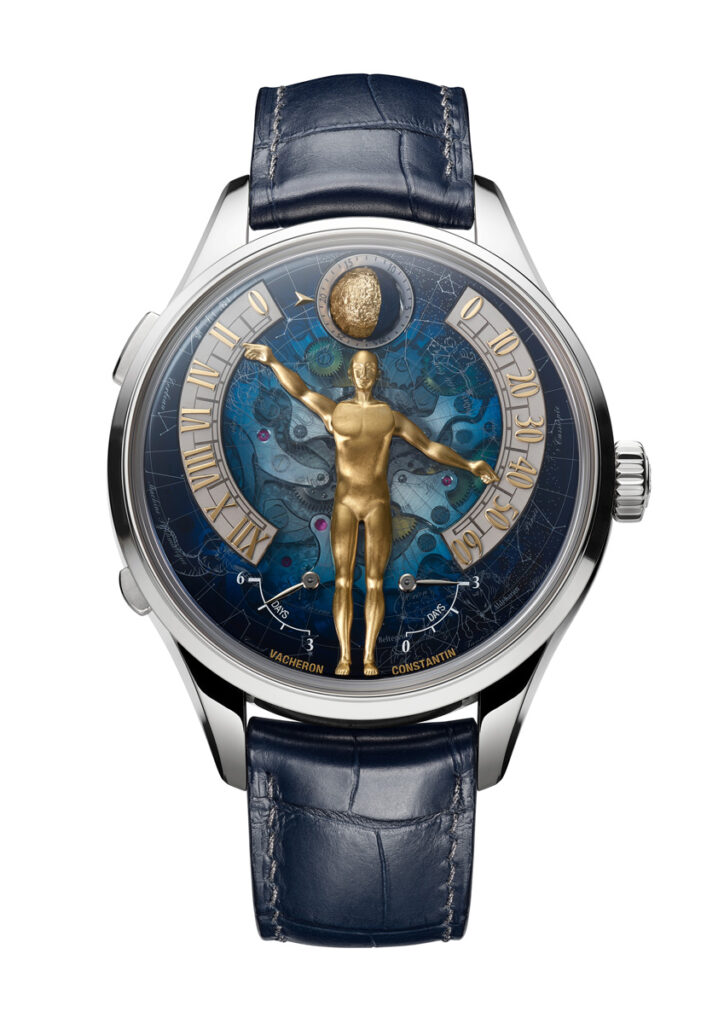

The Métiers d’Art – Tribute to the Quest of Time wristwatch stands as a testament to Vacheron Constantin’s unwavering ambition to fuse mechanical prowess with artistic expression. At its heart beats the new hand-wound Calibre 3670, the product of three years of dedicated research and development. This movement, comprising 512 components, is also protected by four patent applications, underscoring the Manufacture’s commitment to innovation and technical excellence. One of the watch’s standout features is its dual-stage power-reserve display, which elegantly charts the six days of autonomy through two sequential arcs. As the reserve wanes, the indicator first travels from six to three days, then continues its descent from three to zero. This inventive layout offers a clear and intuitive reading of remaining energy, marrying functionality with a poetic sense of time’s passage.
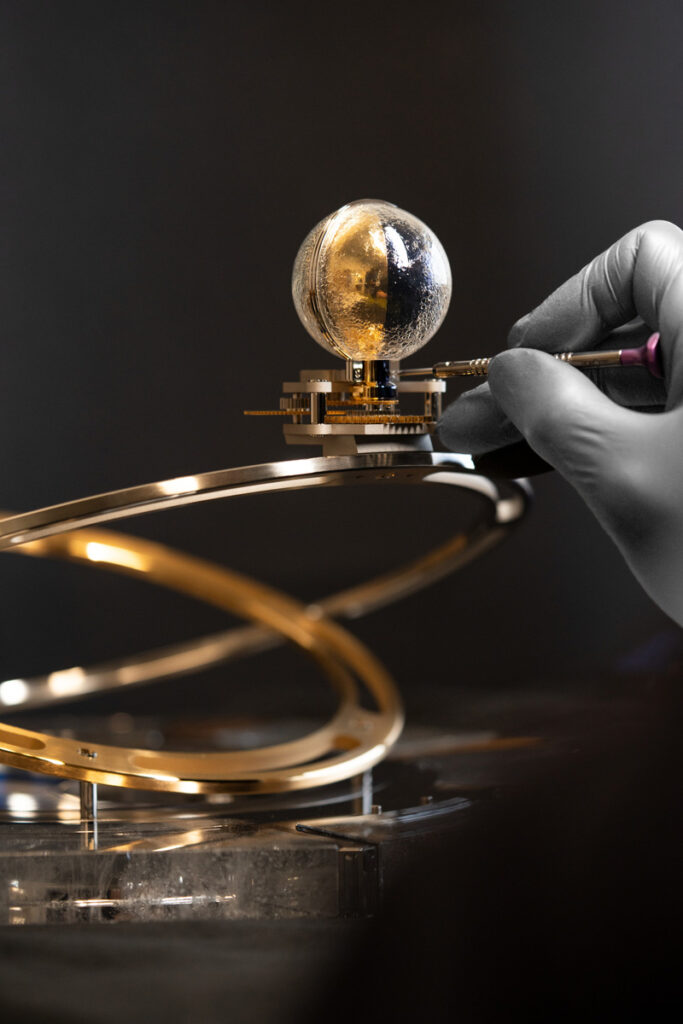
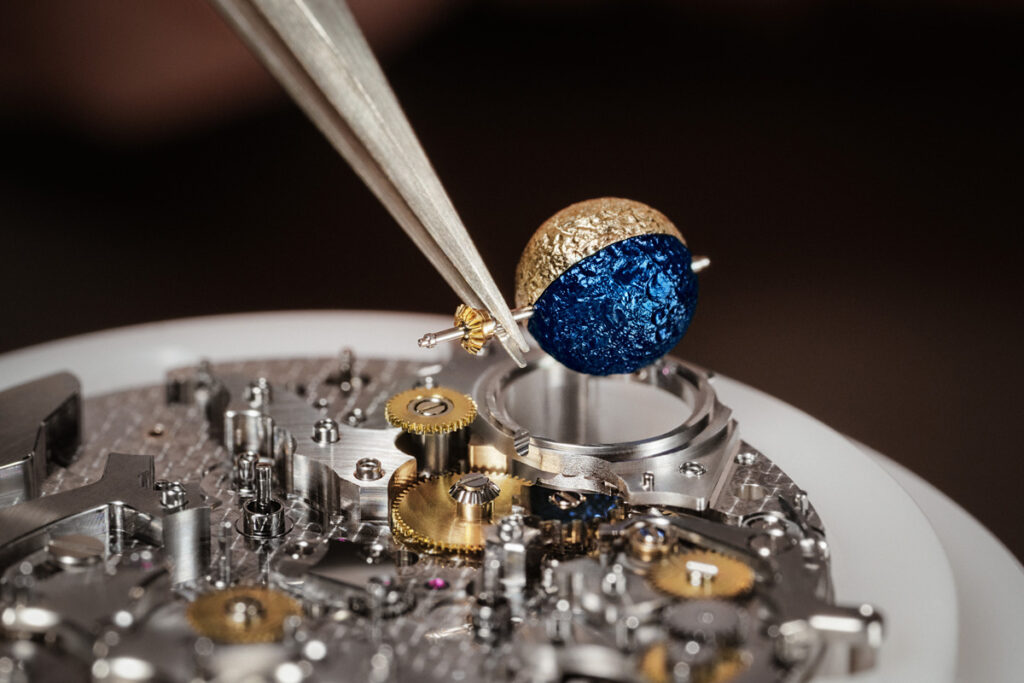
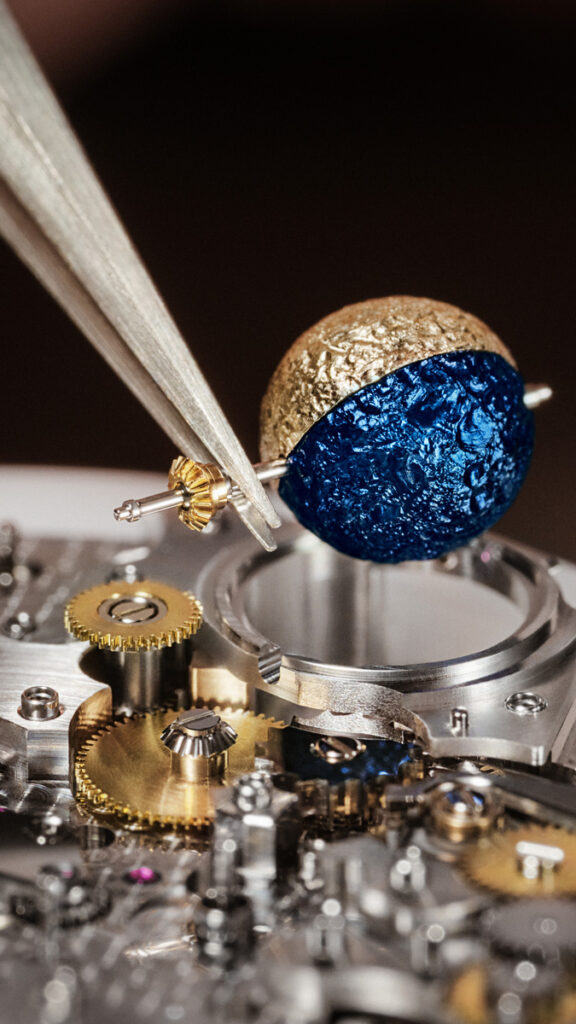
Retrograde timekeeping presents its own challenges, particularly when resetting hour and minute hands that advance at different rates. To address this, Vacheron Constantin has devised a governor mechanism that orchestrates both hands to snap back in perfect synchrony. At 11:59, for example, the hour and minute indicators leap together to their starting positions, ensuring a seamless transition that preserves both accuracy and visual harmony. A sculptural three-dimensional moon-phase complication adds further depth to the dial. A miniature spherical moon rotates in tandem with a surrounding ring marked in lunar days, completing a full cycle every 29.5 days. This dual‐element system not only depicts the Moon’s current phase but also reveals its precise age, transforming a familiar astronomical feature into a miniature work of art.
Complementing this lunar display is an instant-set correction function that allows wearers to adjust the moon phase at any moment without stopping the movement or risking damage to its delicate parts. This user-friendly solution guarantees that the celestial indicator remains accurate over time, reflecting Vacheron Constantin’s belief that true sophistication lies in both complexity and practicality. Altogether, these patented innovations converge to elevate the Tribute to the Quest of Time into a horological masterpiece. By weaving poetic complications into a robust and meticulously finished movement, Vacheron Constantin reaffirms its role at the vanguard of watchmaking—where art, science, and tradition meet to chart new territories in the measurement of time.
Share this article

LEAVE A COMMENT
You must be logged in to post a comment.