

Watches and Winners


It is particularly popular in Australia and New Zealand, France and Switzerland. Tennis players are not only global celebrities, but also great ambassadors for mechanical watches.
Many iconic watches are historically linked to sport. Due to the development of professional sports in the 20th century, accurate timepieces, especially chronographs, were needed. Over the years, wristwatches became an essential tool not only for pilots, but also for racing car drivers and divers. Watch brands were quick to sense the huge potential in the unploughed field of spectator sports. And so they began to become the official timekeepers of various events – think Omega and the Olympics, or Longines and Alpine skiing. What’s more, the accuracy and durability of the watches could also be vouched for by the sportsmen and women themselves, who began to become internationally renowned thanks to their performance.
The story of swimmer Mercedes Gleitze, who in 1927 was the first British woman to swim the 33.5-kilometre-wide English Channel, with a summer water temperature of around 18 degrees Celsius, has become legendary. During one of her attempts she wore round her neck a Rolex watch with a waterproof Oyster case, introduced just a year earlier. Mercedes became the first of a number of brand ambassadors for Rolex, which now includes a number of top tennis players.
Adorning the wrists of the pros
While today we can scarcely imagine famous tennis players without a contract with a Swiss watch brand, tennis was generally overlooked by watchmakers until the 1970s. The reason is quite clear. Tennis players hit the ball at 190–240km per hour when they serve, and the wristwatches of the day would have restricted their movements and could easily have been damaged by their violent strokes.
Even today, when watches weigh much less and their movements are more resistant to shock, we can count on one hand the tennis players who wear them during tournaments. Star Serena Williams has played several US Open matches sporting an Audemars Piguet quartz watch. At Wimbledon last year, Croatia’s Donna Vekic matched the delicate pink strap of her Élegante timepiece, from independent legend F.P. Journe, with her jersey.
Without a doubt, the only tennis player who has not been seen playing without a watch for years is Rafael Nadal. The best clay-court player in history may have retired from professional tennis last November, but he remains a Richard Mille brand ambassador. This is despite the fact that he initially turned down the offer to collaborate with the watch brand. Even when the founder of the Richard Mille manufacture flew to Mallorca to meet him to discuss it, the idea did not appeal to him. However, when he saw the prototypes of the watch, he changed his mind and gave the model, weighing just 20g, a chance – first in training, then in 2010 at the French Open. Today, he also wears a watch from another model line, the RM-35, but it is not designed for the tennis court.
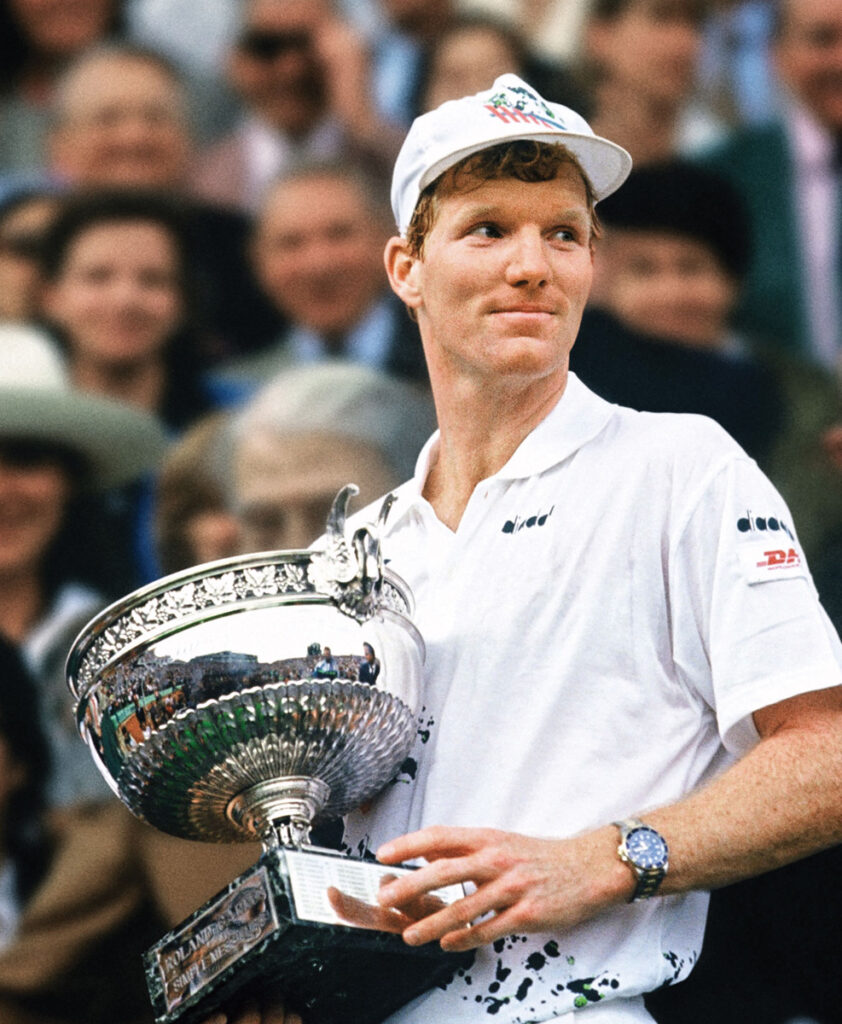
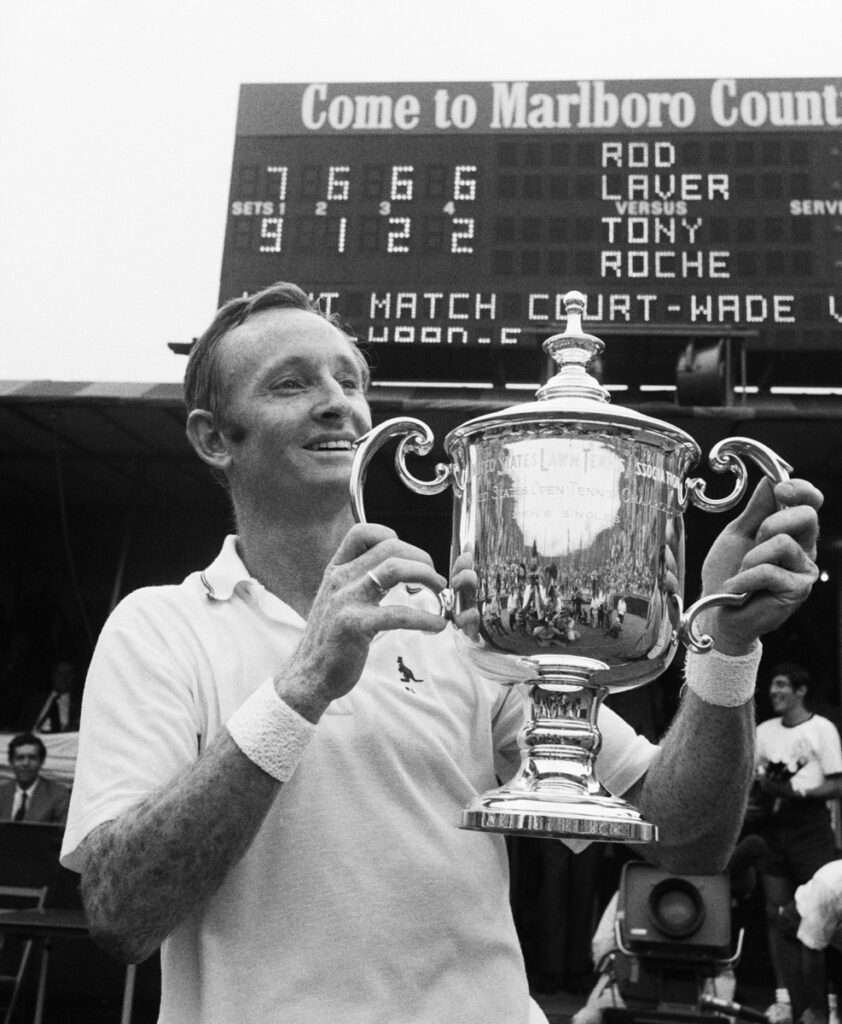
Even if tennis players don’t model their watches during matches (yet), they have more than enough opportunities to show them off: especially when they arrive at the court, or during the joyful moments when they lift the winning trophy above their heads. What’s more, athletes can buy any mechanical marvel they want and, thanks to a life free of scandals – they would certainly not be at the top of the ATP rankings if they became known for dissolute habits – they are the perfect ambassadors for watch brands.
And so the big tennis tournaments are literally teeming with watches and are starting to resemble big social events. This January, Australian tennis player Alex de Minaur, who is currently on the best form of his life and in the top ten of the ATP rankings, attracted attention at the Australian Open. He wasn’t afraid to take to the court wearing the Reverso Tribute Chronograph by Jaeger-LeCoultre. The watch is now seen as a classic dress watch and loved by movie stars, but it was originally developed for polo players in British India in 1931. To avoid damaging the glass, its rectangular case can be twisted so that the back is on top. The steel model worn by Alex de Minaur is very striking, sporting a blue dial with a sunburst-like effect, its back revealing a beautiful skeletonised chronograph.
Rolex was the first
As with many other sponsorship deals, the popular association between watches and tennis players was started by the Swiss brand Rolex. In 1978, it became the official timekeeper of the prestigious Wimbledon tournament. And, as is the rule for Rolex, it didn’t stop there: the brand added three more Grand Slams to Wimbledon (the Australian Open in 2008, the US Open in 2018 and finally Roland-Garros in 2019). It supports the ATP and WTA tournaments, has sponsored the Davis Cup since 2007, and is one of the co-founders of the Laver Cup.
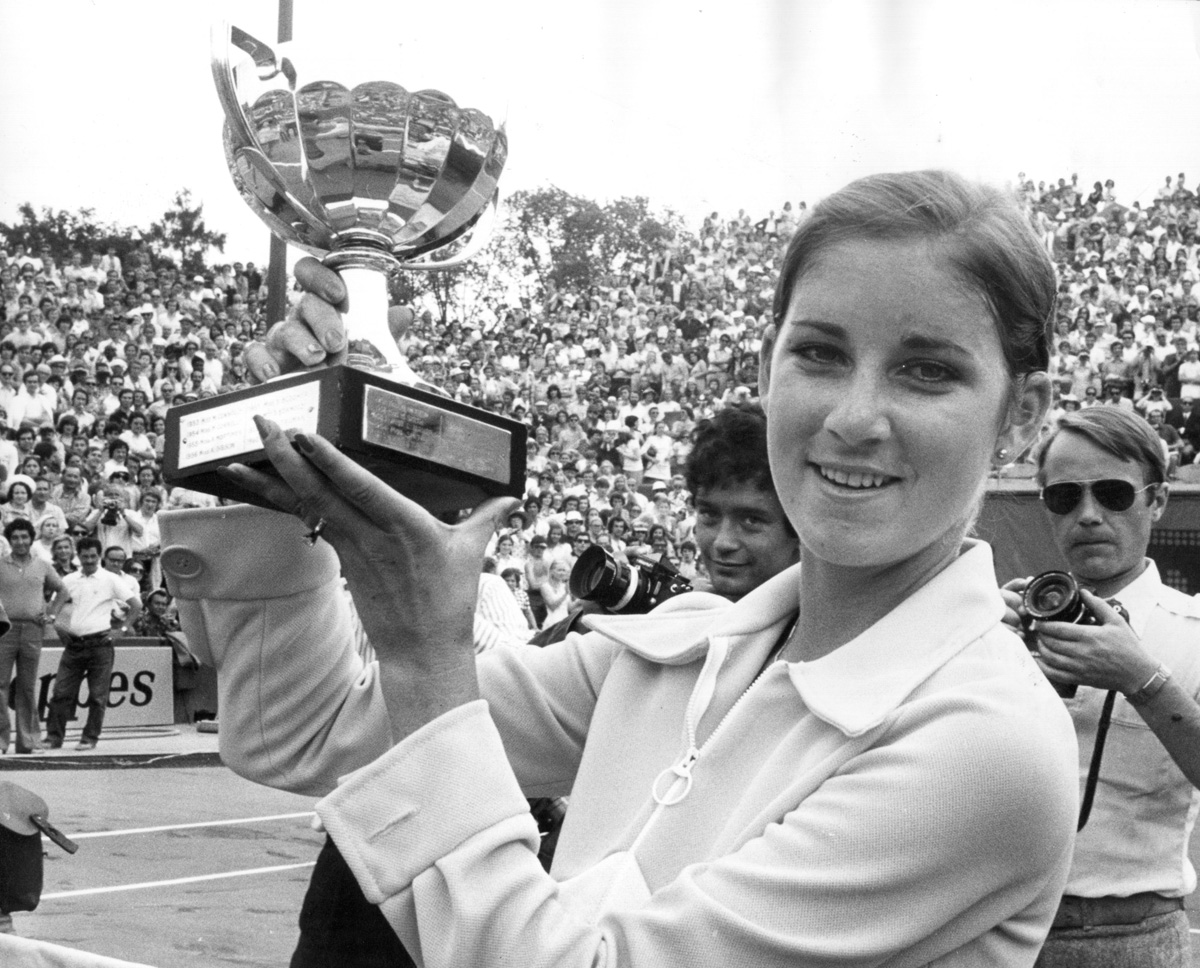
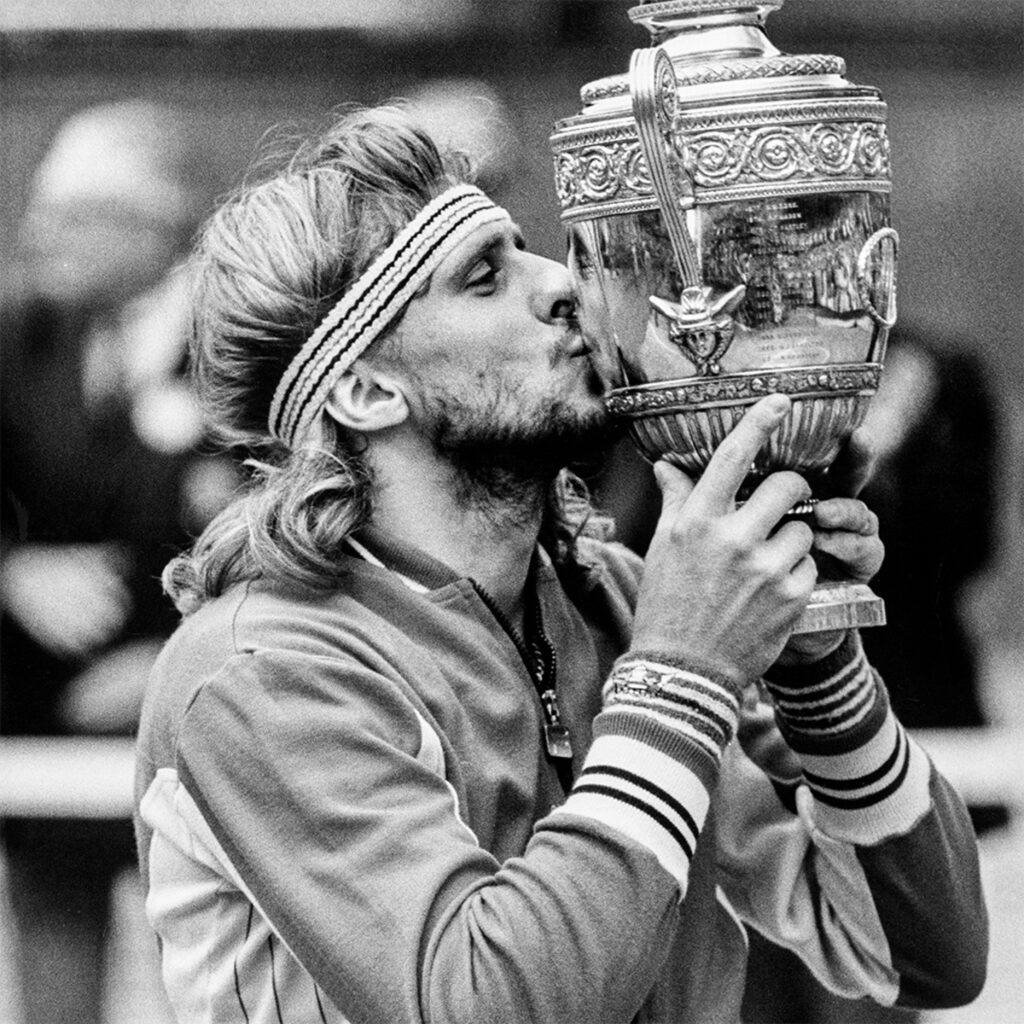
The brand is proud to include among its ambassadors tennis legends such as Björn Borg, Chris Evert and 20-time Grand Slam winner Roger Federer, with whom Rolex has enjoyed a special relationship since 2001. Federer, who retired from professional tennis in 2021, has never in his career worn a watch without the famous crown in the emblem, and famously said that when he walked onto the court at Wimbledon and saw the famous logo, he immediately felt at home.
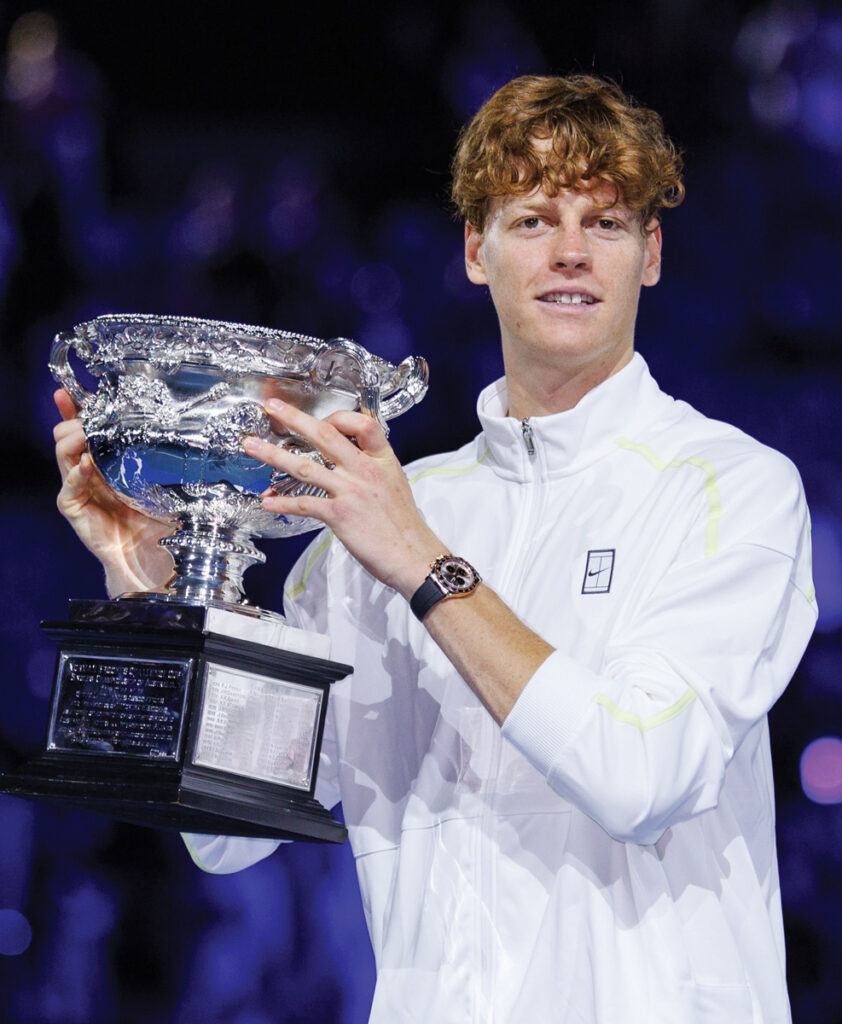
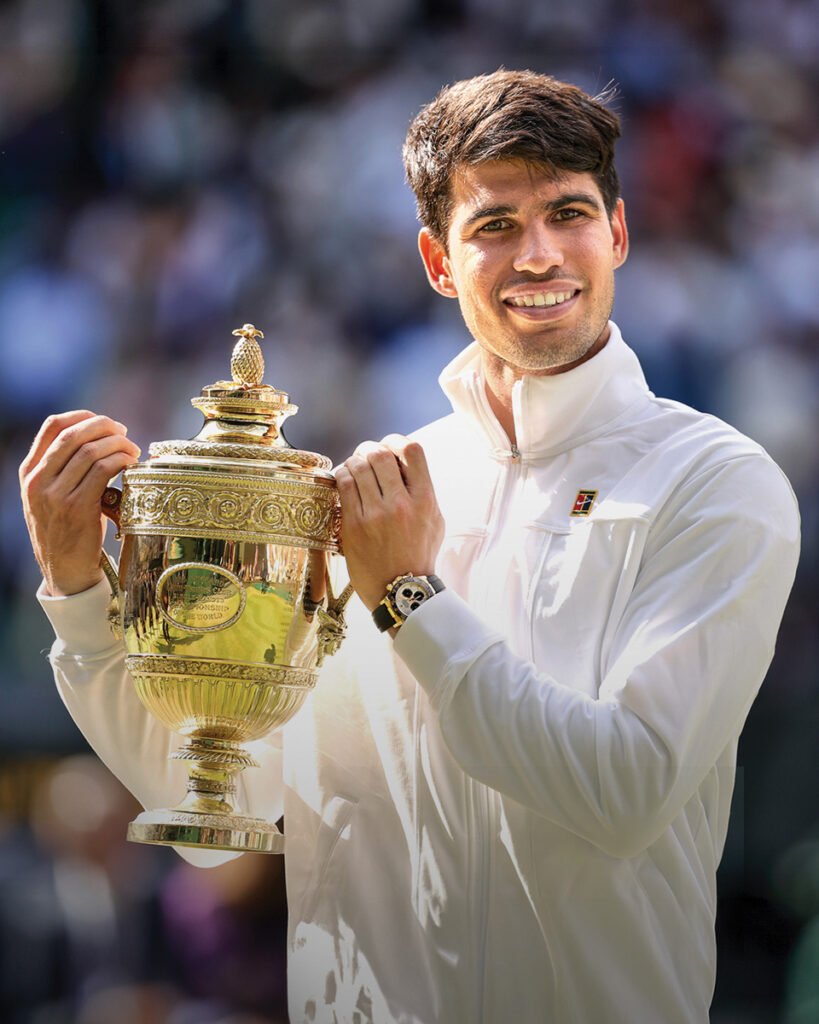
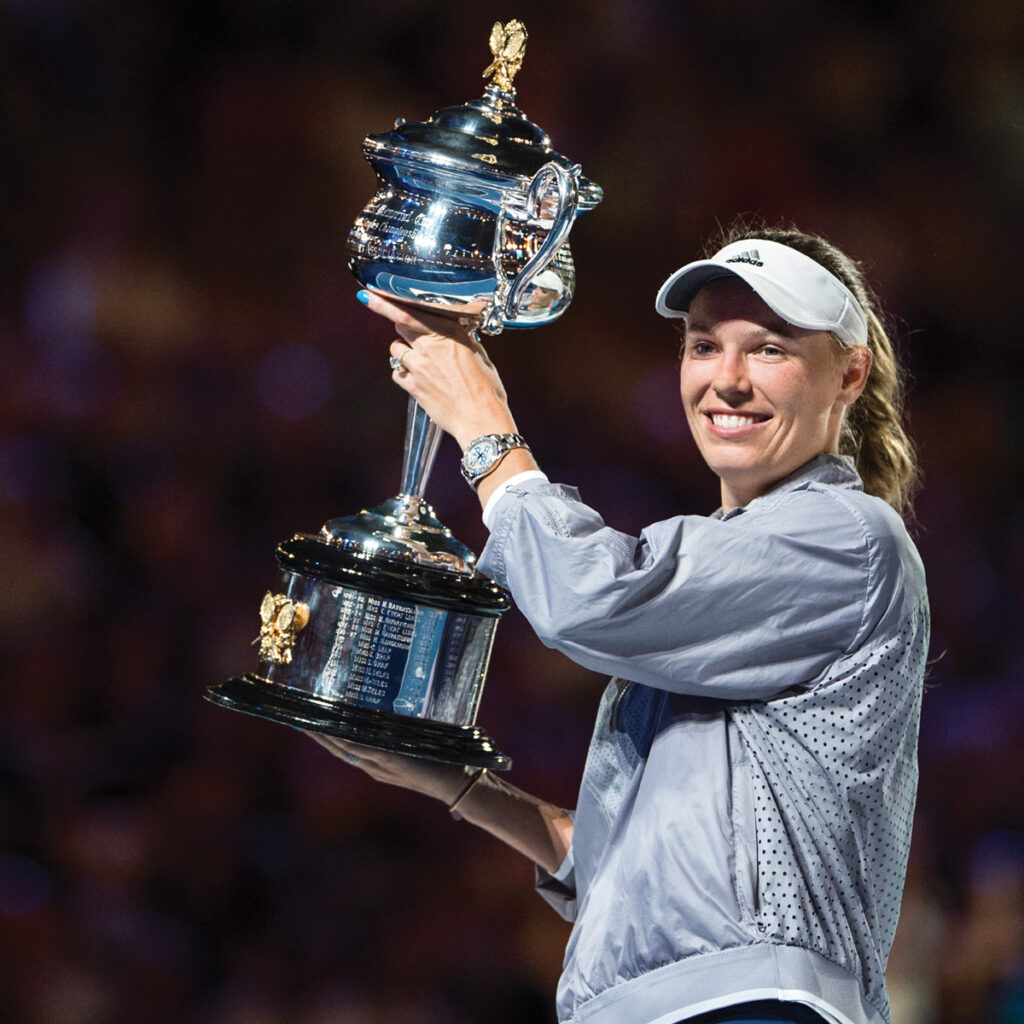
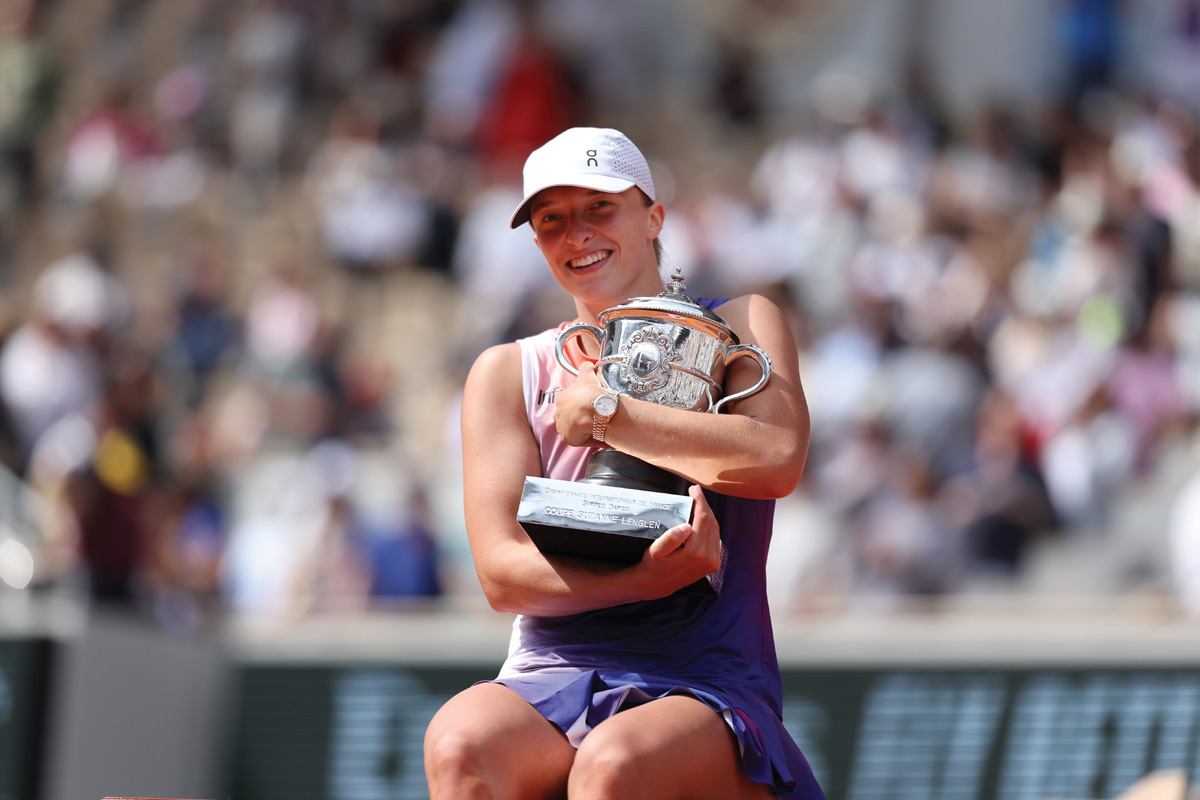
Since 2022, Rolex watches have been worn on the wrists of current tennis star Carlos Alcaraz and other tennis players of the younger generation, such as this year’s Australian Open winner Jannik Sinner of Italy. And the female Rolex aficionados among tennis pros are no less numerous, including Iga Świątek, the Polish world number one in singles from 2022–2024, and Caroline Wozniacki of Denmark, winner of the 2018 Australian Open, who started collaborating with Rolex in 2021.
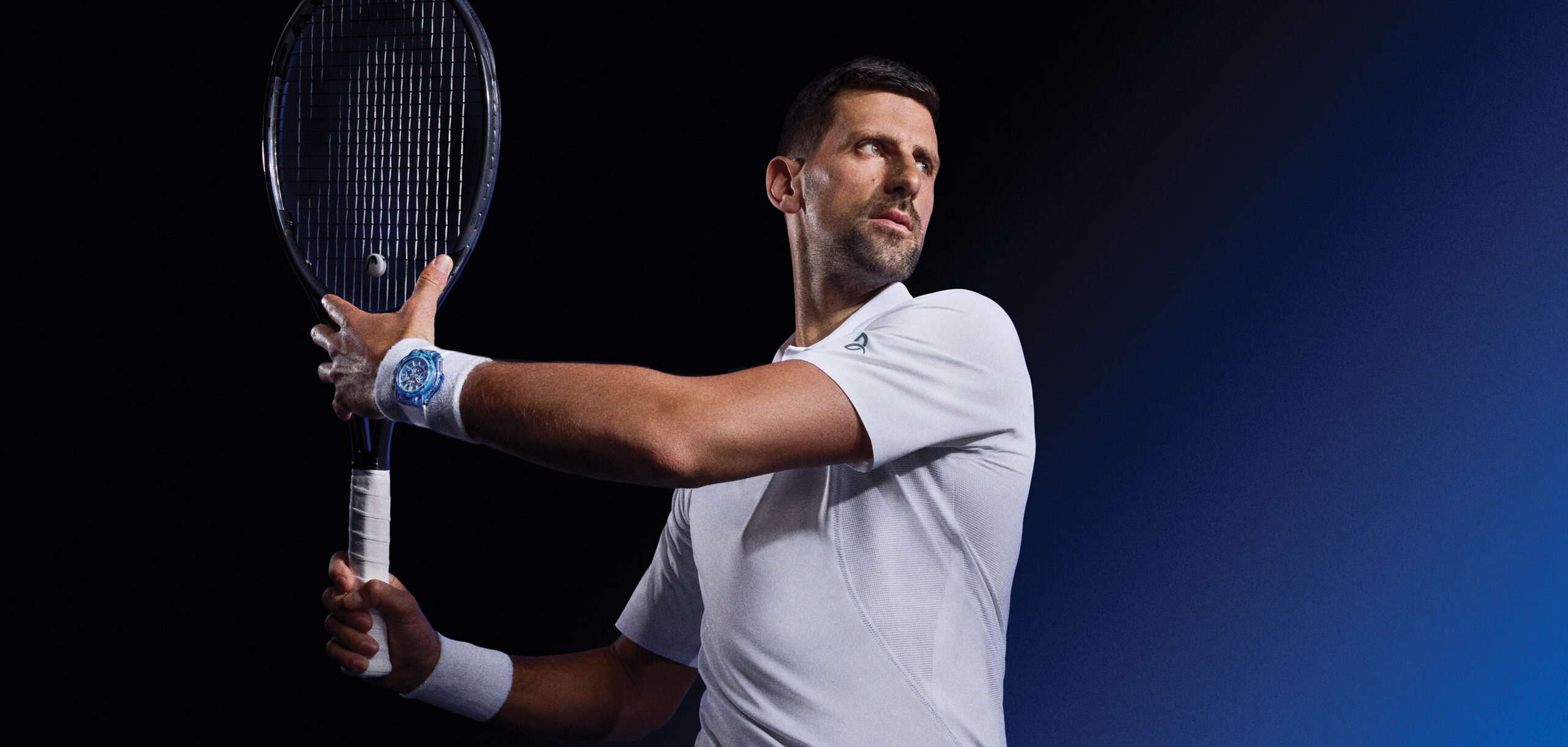
Other major watch brands are following in Rolex’s footsteps. Since 2019, Novak Djokovic has been Hublot’s brand ambassador; having finished his contract with the Japanese company Seiko, he is now sponsored by the Swiss brand. In addition, the legendary Serbian tennis player, who is the only one among the Nadal-Federer-Djokovic trio to be still active on the court, was able to present a new model in Paris last December. It is a limited edition – only 100 pieces – of Hublot’s Big Bang Unico Novak Djokovic, which stands out due to the beautiful blue-grey colour of the case. For it, the brand used material that was created using 25 of Djokovic’s rackets, made by Head, and his light and dark blue Lacoste polo shirts. Even with the special strap, the watch weighs just 49.5g, making it lighter than a tennis ball, which is referenced, for example, by the yellow colour of the start-stop chronograph button as well as other yellow touches on the watch dial, including the seconds scale.
‘Novak is the best player in the world for me, but he’s also an incredible personality. I appreciate his perseverance, his fighting spirit and his indomitable grit. I think we at Hublot share the same values as Novak. Hublot is not a conventional, boring brand, just as Novak is simply Novak,’ Julien Tornare, the brand’s new CEO, told Lifetime last December. Tonnare is a big tennis fan and also showed his passion for the white sport at the Zenith manufacture, where he worked until last year.
Independent brands
In the world of tennis, there is also the Zenith manufactory, which is the official timekeeper of the UTS (Ultimate Tennis Showdown) tournaments. These tournaments were founded in 2020 by French tennis coach Patrick Mouratoglou, who is especially famous for his collaboration with Serena Williams and Coco Gauff.
The partnership between the UTS and Zenith was initiated by Zenith’s then CEO Julien Tornare himself. With the help of the UTS, the Zenith manufacture is currently promoting the beautiful Chronomaster Sport line of chronographs, in particular the titanium model, which is 30% lighter than its steel equivalent. The brand introduced the titanium chronograph with the El Primero movement last year.
But smaller, independent brands are not left behind either. Take the collaboration between BOVET 1822 and Russian tennis player Daniil Medvedev. ‘It was after I won my first Masters,’ said Medvedev at the time. ‘The higher you rise in the rankings, the more companies want to work with you. My agent got in touch and as soon as he told me about it, I thought it was a great project.’ The player didn’t hesitate for a moment over a collaboration with the manufacture, which excels in the beautiful handcrafting and decoration of its movements. From among all the BOVET models he was shown, the tennis player chose the Battista Tourbillon. After all, the tennis player likes fast cars, and the Pininfarina Battista is an electric hypercar that is faster than a Formula 1 car. Daniil Medvedev is one of only 30 people in the world to wear this unique, limited-edition titanium model.
The Gerald Charles brand is also active in the tennis world, thanks to the Polish pro Hubert Hurkacz, who wears the Maestro GC Sport Clay in titanium, which is limited to only 200 pieces. And let’s not forget the relatively new brand Norqain, founded in 2018 by Ben Küffer. Its ambassador is the Swiss tennis player Stan Wawrinka. He wears the Wild ONE Skeleton watch from their Independence collection and, thanks to him, it is the most popular model of the brand so far.
When Lifetime spoke to Ben Küffer last year, the Norqain founder mentioned one of the anecdotes with which the watchmaking world abounds. The story goes that well-known watch collector and entrepreneur Mark Wahlberg noticed a Wild ONE Skeleton watch in turquoise on Wawrinka’s. He bought the watch and wore it on The Late Show with Stephen Colbert last February. And the turquoise watch sold out immediately.
Share this article
LEAVE A COMMENT
You must be logged in to post a comment.