


A fascinating journey


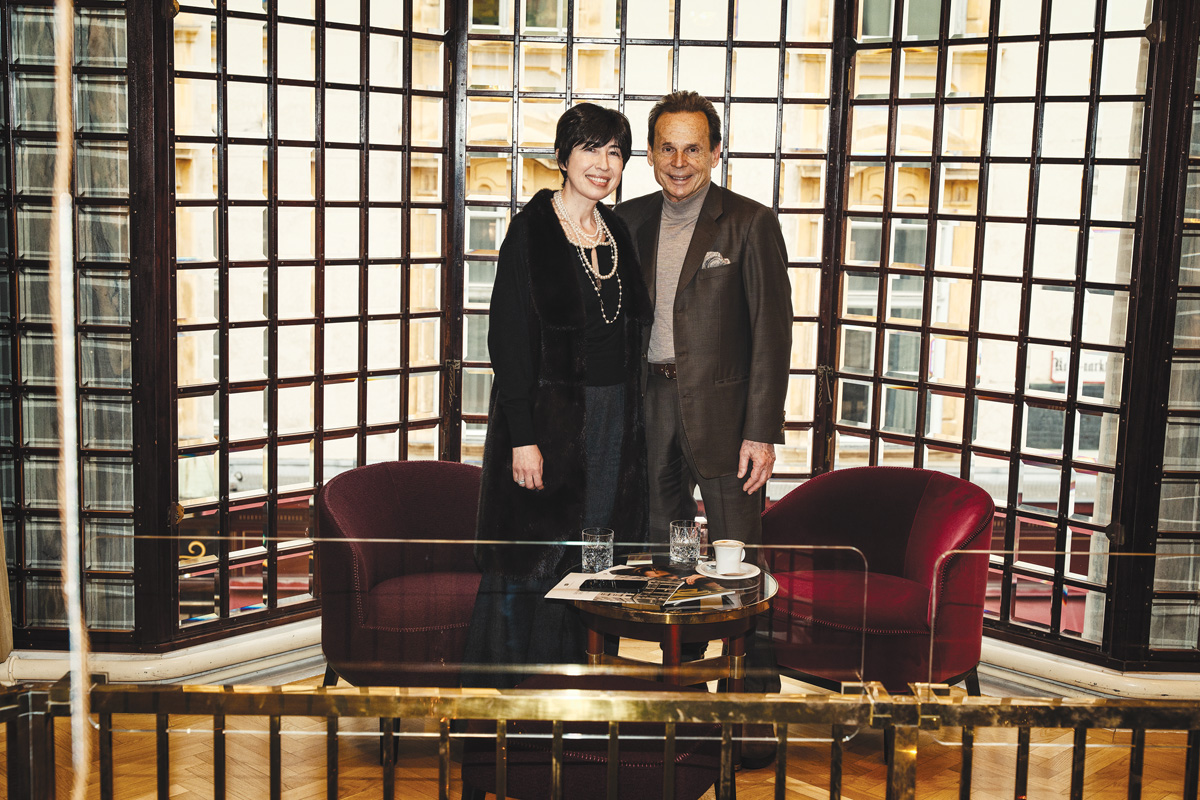
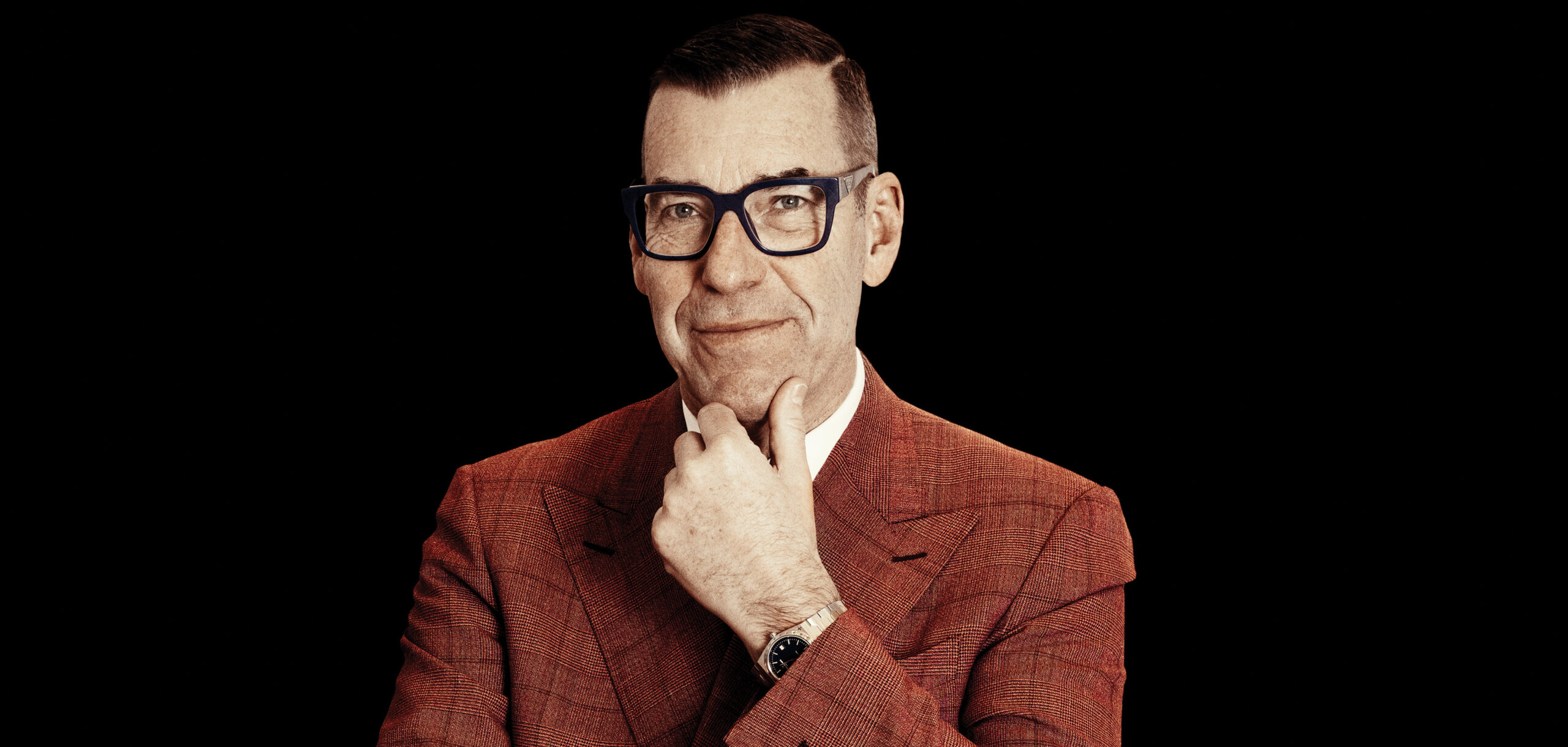
Lifetime Magazine had the privilege to attend the very exclusive opening of the new Schullin Wien store and also to interview the leader of the Schullin family and business – Mr. Herbert Schullin.
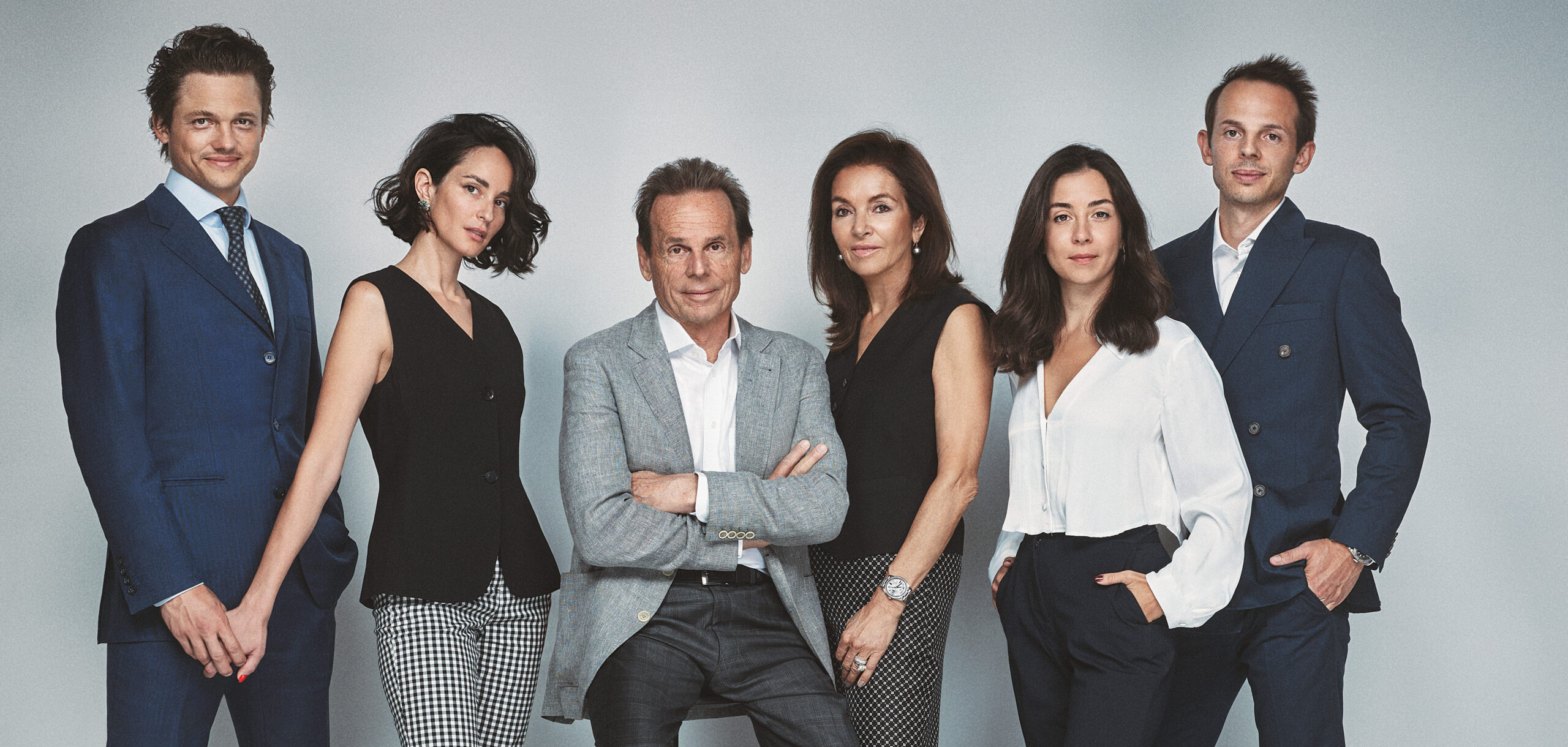
Schullin Wien is an old-school family-owned business, where the patriarch, his wife and their two sons are very committed to beauty, as we can easily see from the superb selection of jewellery and watches in their shops.
And speaking of shops, the Schullin family have recently celebrated the move of their ‘headquarters’ to the famous Looshaus – one of the very first modernist, reinforced concrete buildings in Vienna. The Looshaus, designed by celebrated architect Adolf Loos, was highly controversial: at first the building was deemed ‘inappropriately naked’, so the builders were forced to add flowers in window boxes, while emperor Franz Joseph so hated the sight of it that he ordered that the curtains of the Hofburg were to remain permanently closed on that side of the palace.
Raluca Michailov: Can you please tell me a bit about the history of the Schullin family and brand and what it represents nowadays, in your opinion?
Herbert Schullin: I come from a family in Graz, where my father owned a jewellery and watch shop. I moved to Vienna in 1972, starting with a relatively small shop designed by Hans Hollein – very nicely designed, but rather small. So, after six years, I decided I needed to find something else. I had the option of going to the left, into Kärntner Strasse, which at the time was the best street, or to the right, into Kohlmarkt. Personally, I loved Kohlmarkt, although it was a bit old-fashioned, with its old traditional shops.
But old-fashioned is nice!
Yes, old-fashioned is nice, but it was also a very quiet street at the time. So, I decided to go there. I found an old antique shop that I could take over, and once again, I worked with Hans Hollein to create a shop there. At the time, Casa Vogue was very interested in seeing the shop finished, but everything took longer than we had expected. In the end, the shop was featured across nine pages of Casa Vogue. And three months later, that issue, which was dedicated to Vienna, was gone. I couldn’t get it anymore, and I only have two copies left.
I see.
But that was a good start on Kohlmarkt, which then developed very nicely. It became a pedestrian zone and one of the most important shopping streets in Vienna. However, I also had the watches, and I decided that the shop might be a little too small to accommodate both watches and jewellery. This is why I opened a new shop here, at the side of Kohlmarkt.
I saw it just now, with your son.
Finding a bigger shop was not easy. The building was, to me, one of the most important in Vienna. I knew it would be complicated to renovate it and adapt it to our needs, but at the same time, I realised we were the only company that could work in this building. There were many large display cabinets, which we could adapt very nicely for watches and jewellery. Now, going back to our earlier days: my grandfather was a watchmaker, who made his own clocks at the end of the 19th century. He opened a shop in 1911. Then my father started in Graz, and, as the youngest member of the family, I was sent to Vienna. My family believed I could make it here.
To conquer the big city.
Yes. And I had to compete with all these well-known brands in Vienna.
Huge, some of them.
And, as you can imagine, when it comes to newcomers, people don’t take them too seriously.
Of course.
But today I’m one of the oldest shop owners in the street.
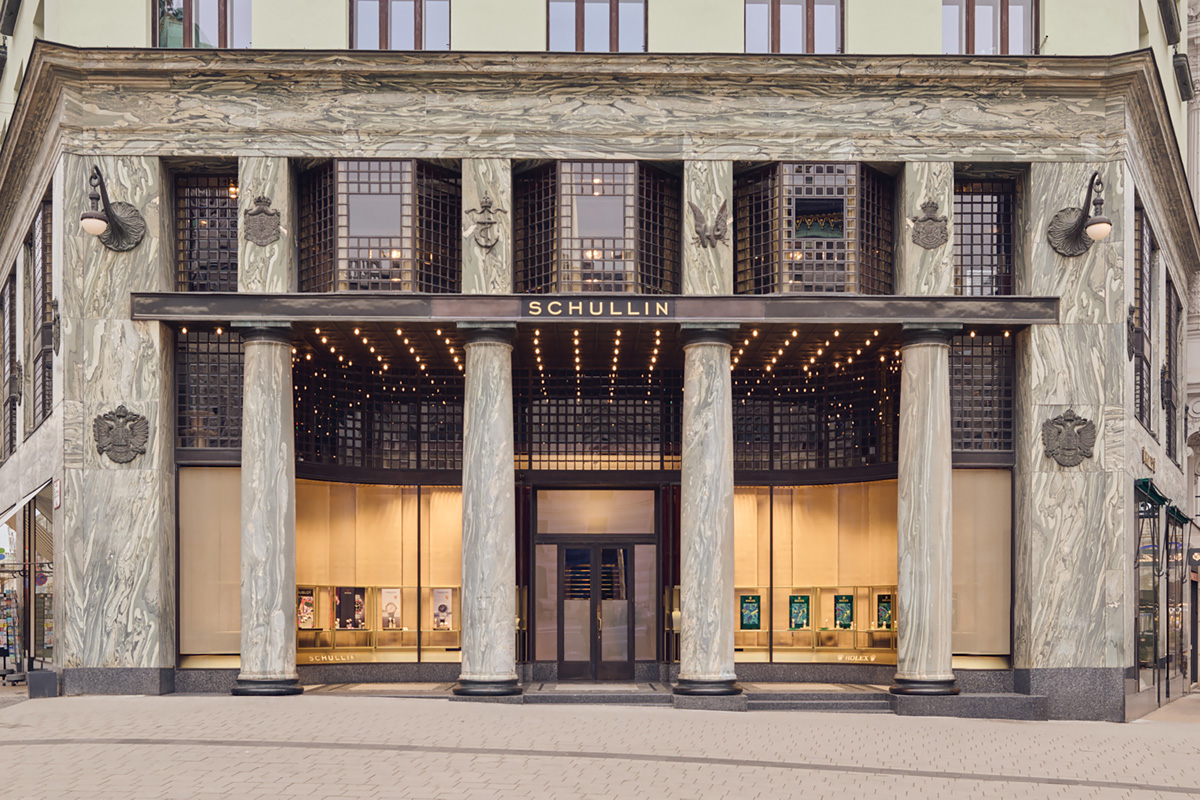
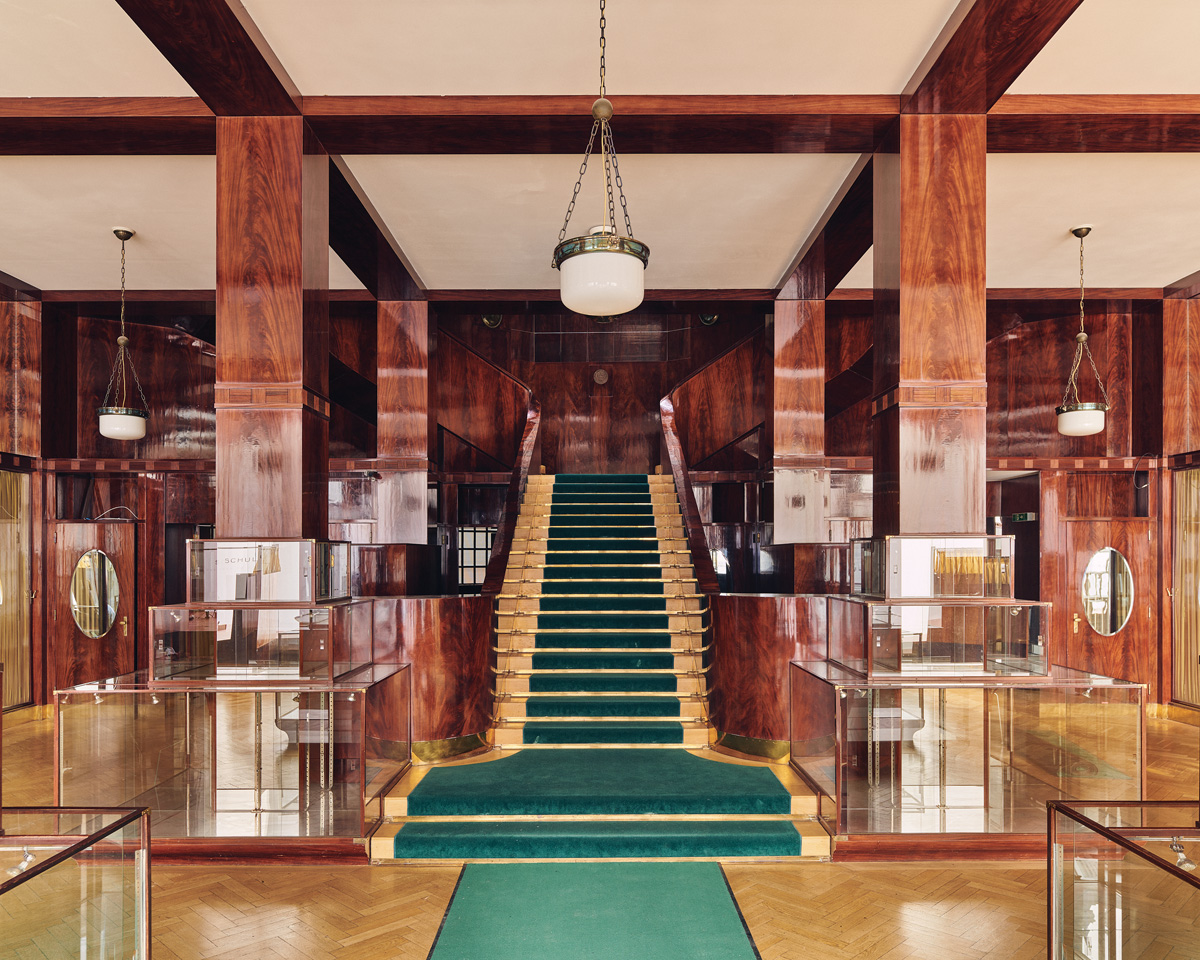
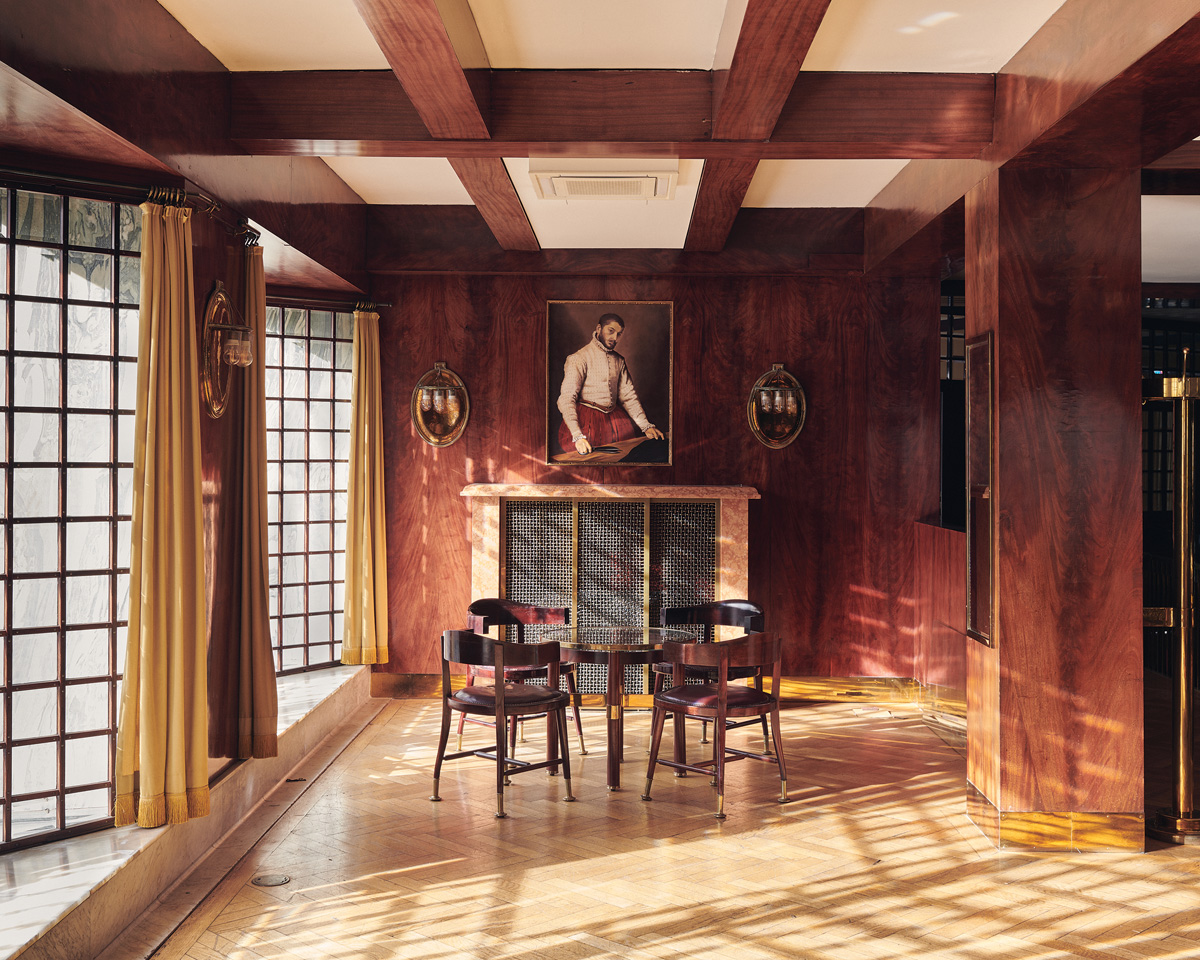
How do you see the future with this place for instance – this beautiful place? What else would you like to do in the future here?
To be honest, I would like to concentrate on this place, as it is a one-time opportunity that I never expected to have. We will do our best to establish a company within this beautiful building and demonstrate our skills. In the early days, this shop was made for a tailor, who had a workshop over here, and we want to bring that same energy back into the building. We’re going to set up a watchmaking service station here. I was also considering bringing the goldsmith’s workshop here, but that’s a bit difficult now due to safety concerns. We work with fire and heat, and those things are very tricky.
Oh, I see. That’s very difficult.
But we could bring the design studio here, for example, just to showcase what we do and the level of skill we have – something you can’t display in a small jewellery shop. At the same time, we have a stone-cutting facility that we want to highlight as well. These will be our next steps. In fact, there are many things we can do to bring life into this vast building.
And which part do you like best? The jewellery or the watch retail?
Actually, I’m the jewellery guy, you know? I learned the manufacturing process from scratch, then I became a master jeweller, and opened my first atelier… This is more or less my life. And then, I inherited the watch side of the business from my family.
Okay, I understand. As for the jewellery side of it – where do you source the stones, and how do you decide on the design? Is it based on the stone, so you design around a specific stone? Or do you have your own design in mind first, and then find the stone that suits it? How does it generally work? Because I saw some amazing pieces downstairs.
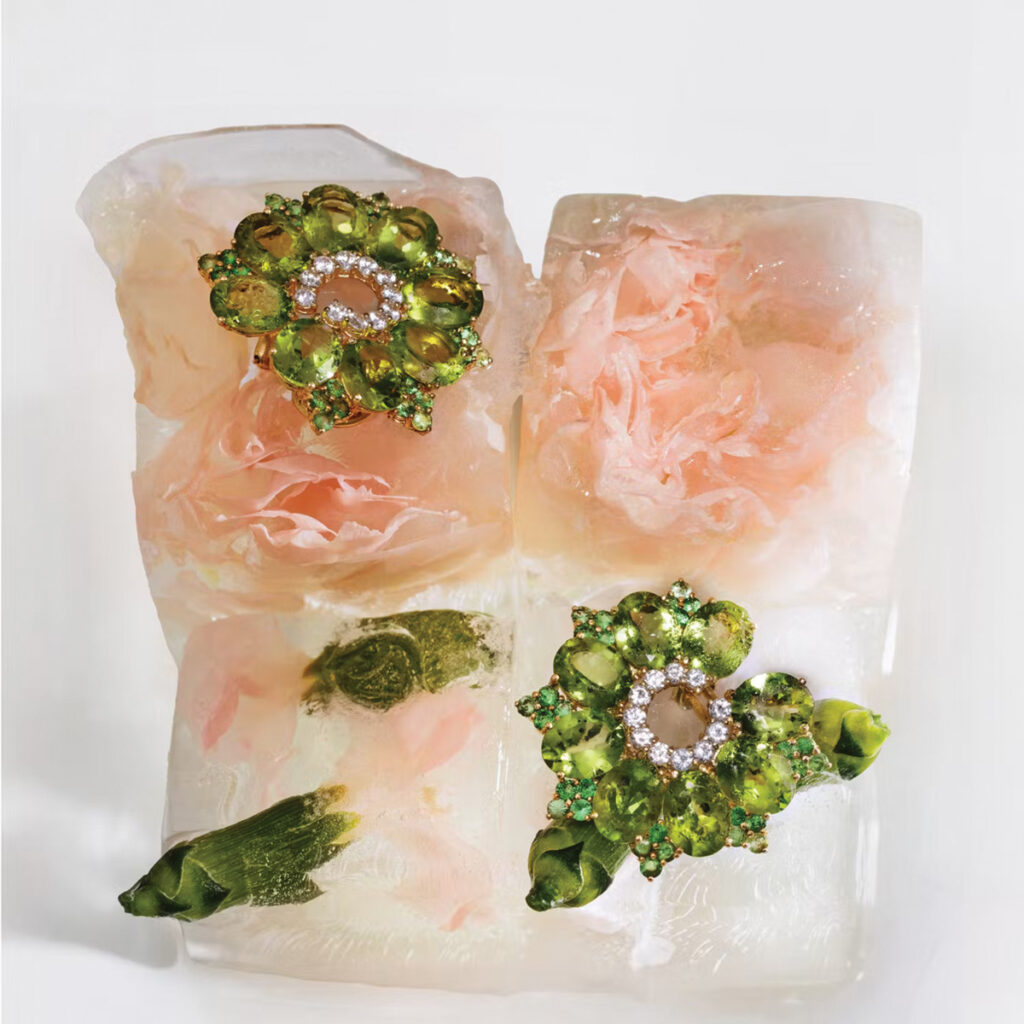
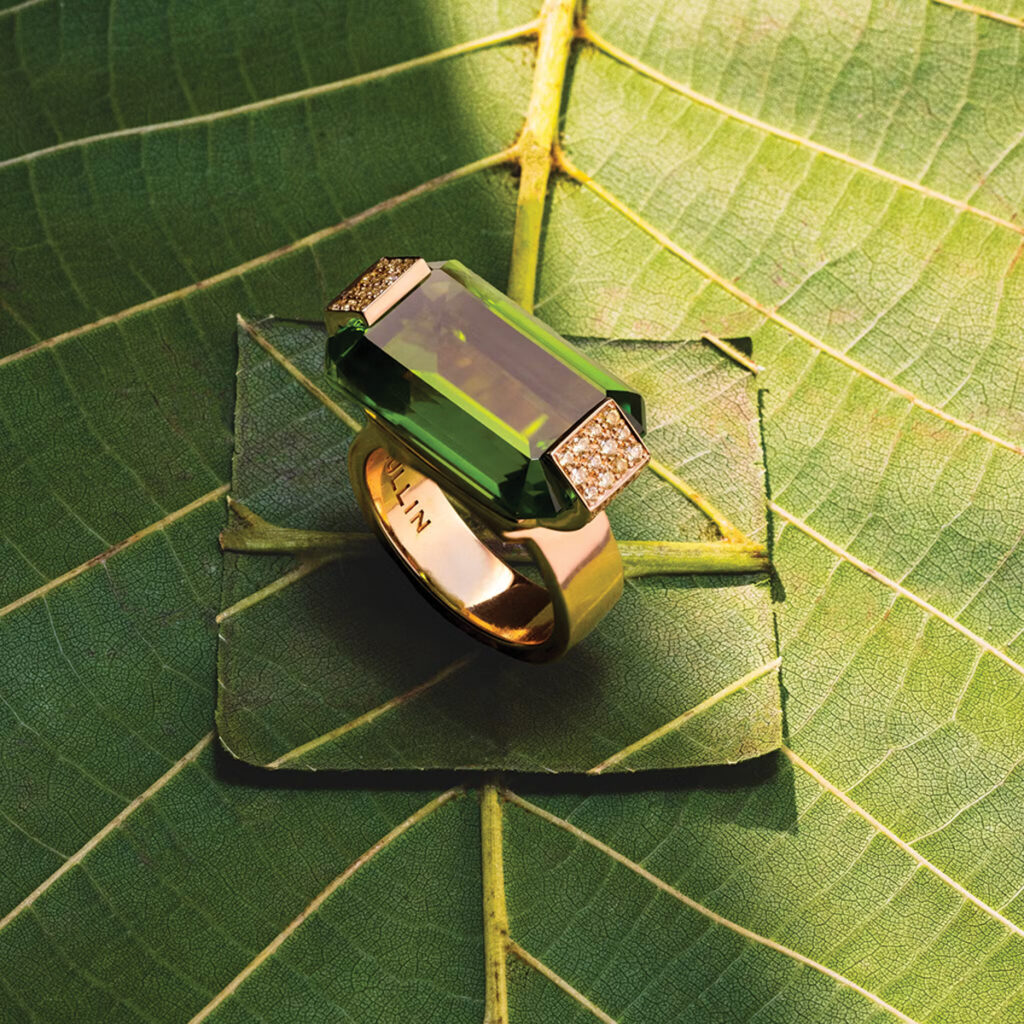
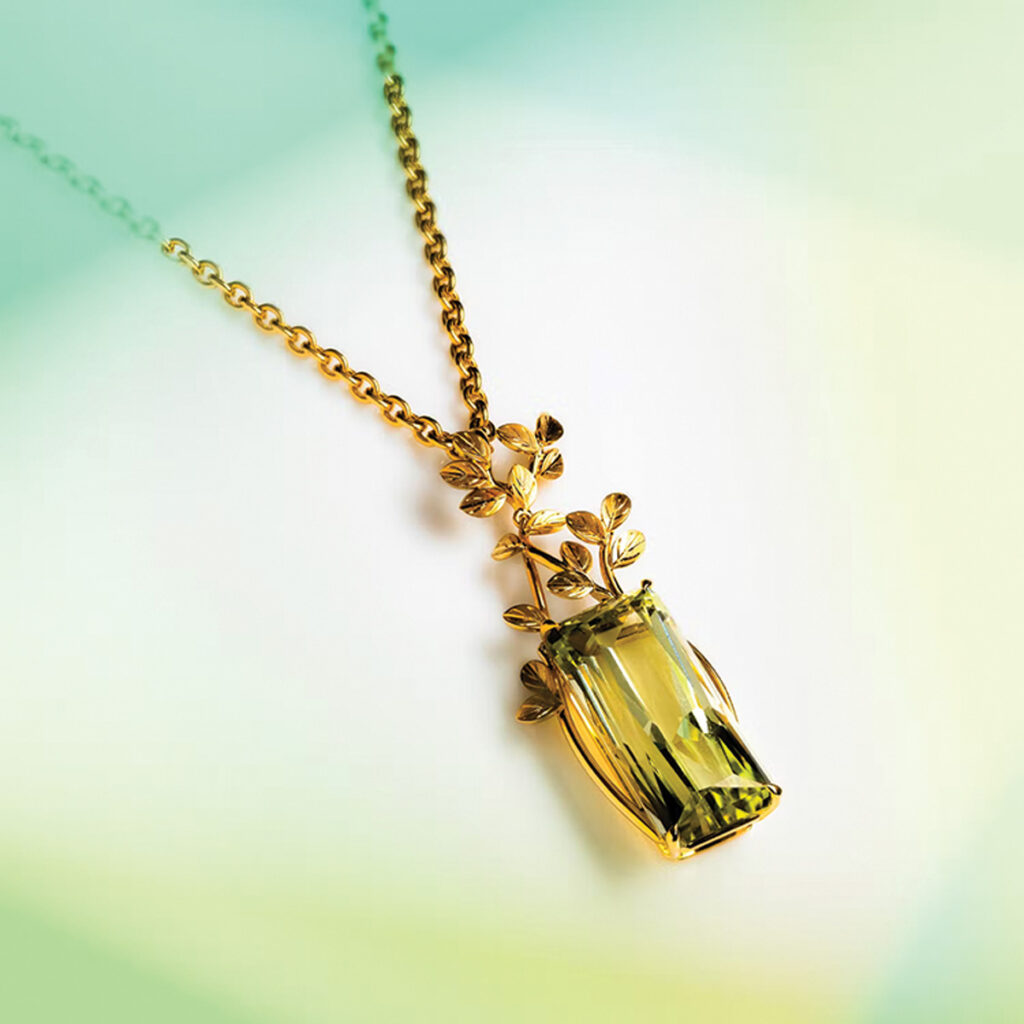
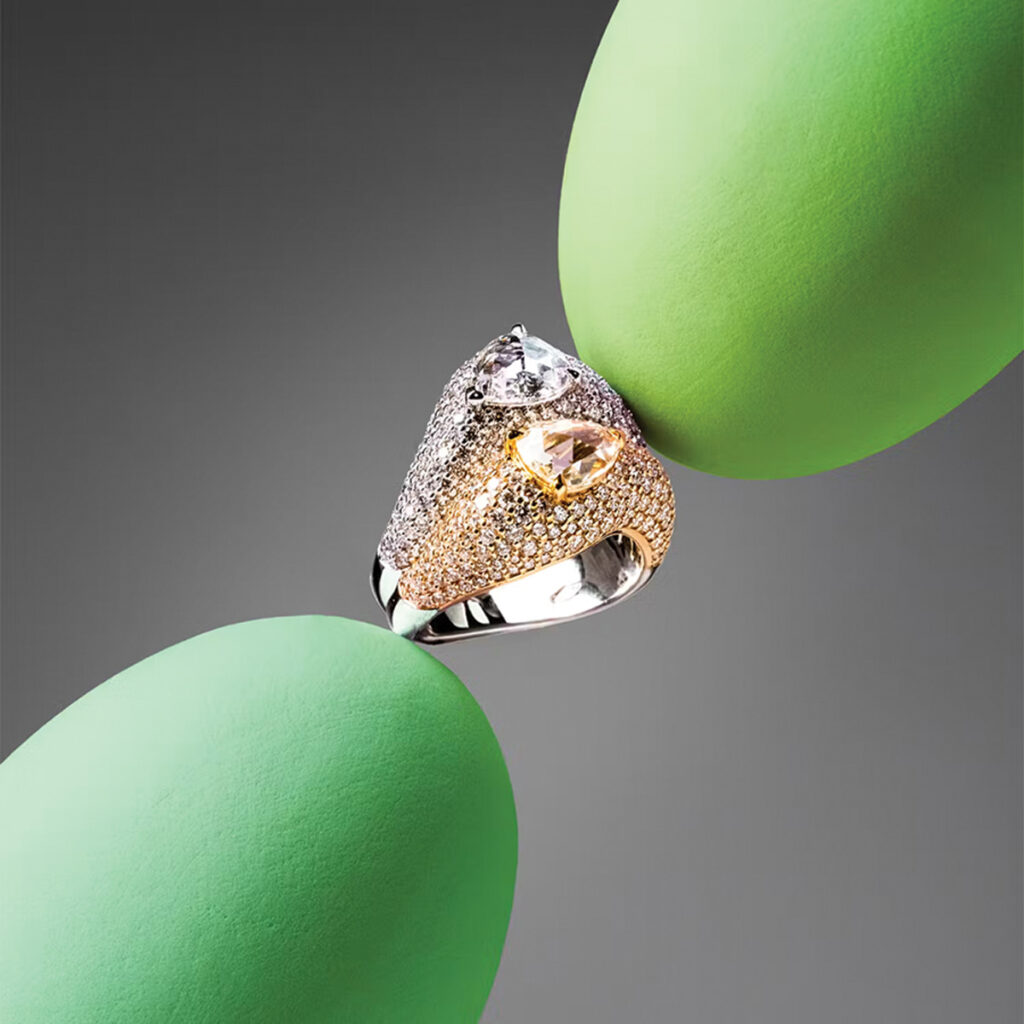
Well, both options are possible, because if you pick just a gold piece, for example – a gold bracelet or necklace – there are no stones. So, you have to think about the design without the stones. But I’m really taken with precious stones, because they are concentrated light within a crystal. There is nothing else that can reflect light as beautifully as a crystal. Funnily enough, when you see the rough crystal, it doesn’t reveal the light very clearly. But it’s fascinating – it’s all to do with colours and how they come to life. It’s also intriguing that the colours depend on the light source: daylight or artificial light. This is something that truly fascinates me. Then, being able to cut the stone and think about how I can embed it into a piece of jewellery is both challenging and interesting.
Yes, that is fascinating indeed. And do you travel yourself?
Yes, I travel with my son now. We have many contacts in the jewellery trade, and we’re able to visit many places, even ones we haven’t been to before, because there’s always someone we know from somewhere else who can provide references. You need these references in the jewellery trade. It’s all about trust. Recently, we bought a very nice spinel, around 40 carats.
Wow! In Asia?
Yes, from an old mine in Tajikistan, on the border of Afghanistan and Pakistan. Also, I can show you what we did with some tsavorite crystals.
Oh, I love tsavorites!
I can show you how it developed into the cut stones and what we created as a piece of jewellery. This process is demanding, of course, but it’s something I really enjoy. I also like to know where the stones come from. Most of the time, I know which mine they are from, even if I wasn’t there. But through my contacts, I can trace exactly where a particular stone originates. I always try to buy untreated, unheated stones. Heating is more or less allowed in the trade, but it has to be mentioned because there is a significant difference between a heated stone and an unheated one.
I understand. And how do you see the future of a family-owned business? Given the current trends in the market… I mean, the tendency seems to be for companies to grow bigger and bigger, with everyone buying each other up, and there are so few family-owned businesses left.
They are becoming fewer and fewer, of course, because when companies reach a certain size, they can become difficult to manage. As far as we’re concerned, however, I believe we will survive as a family business for quite some time. I have two sons, and they share the same interests as I do.
I noticed. I mean, they are extremely passionate.
It’s a very fortunate situation, and I’m very happy about it. We have the freedom to pursue our ideas more effectively than if we were part of a larger company, where decisions are made by someone else. Not that their decisions are bad, but I would say their pieces lack that unique personality – there’s no personal touch.
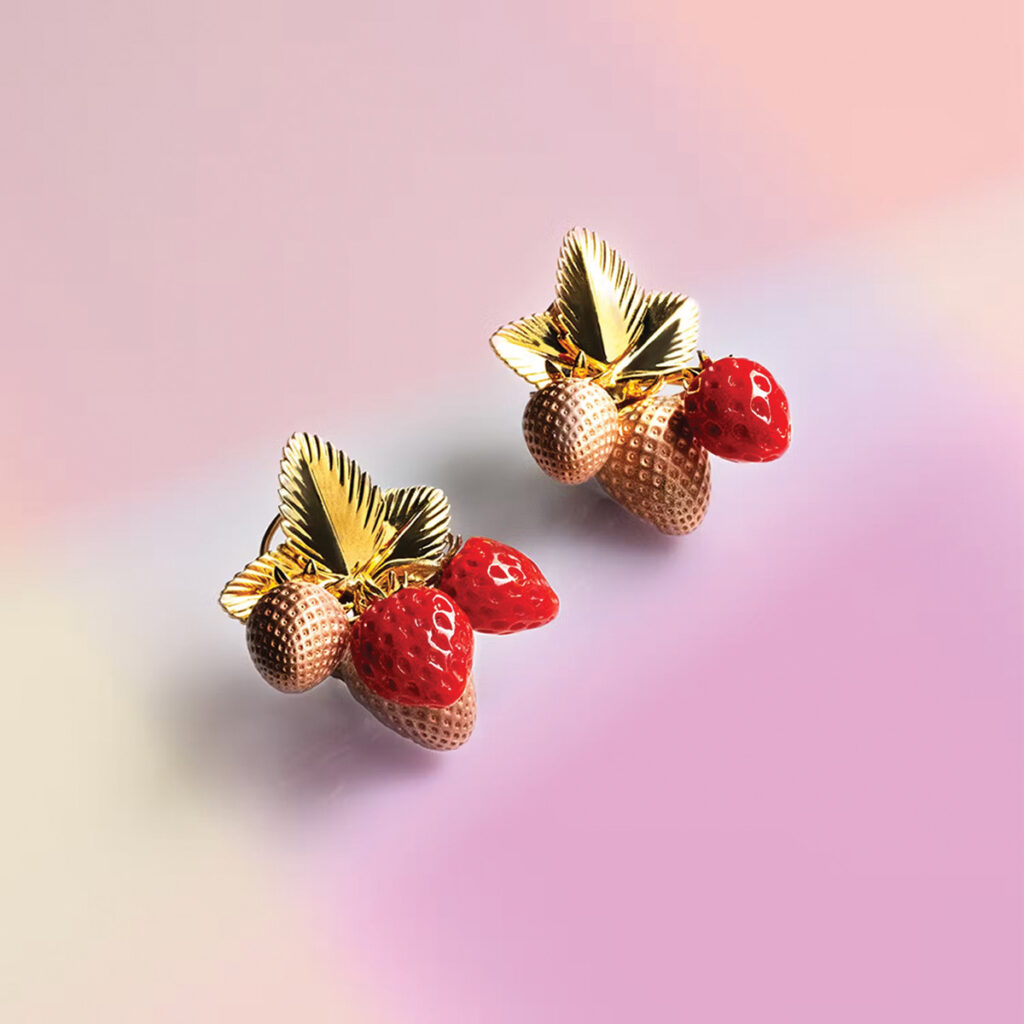
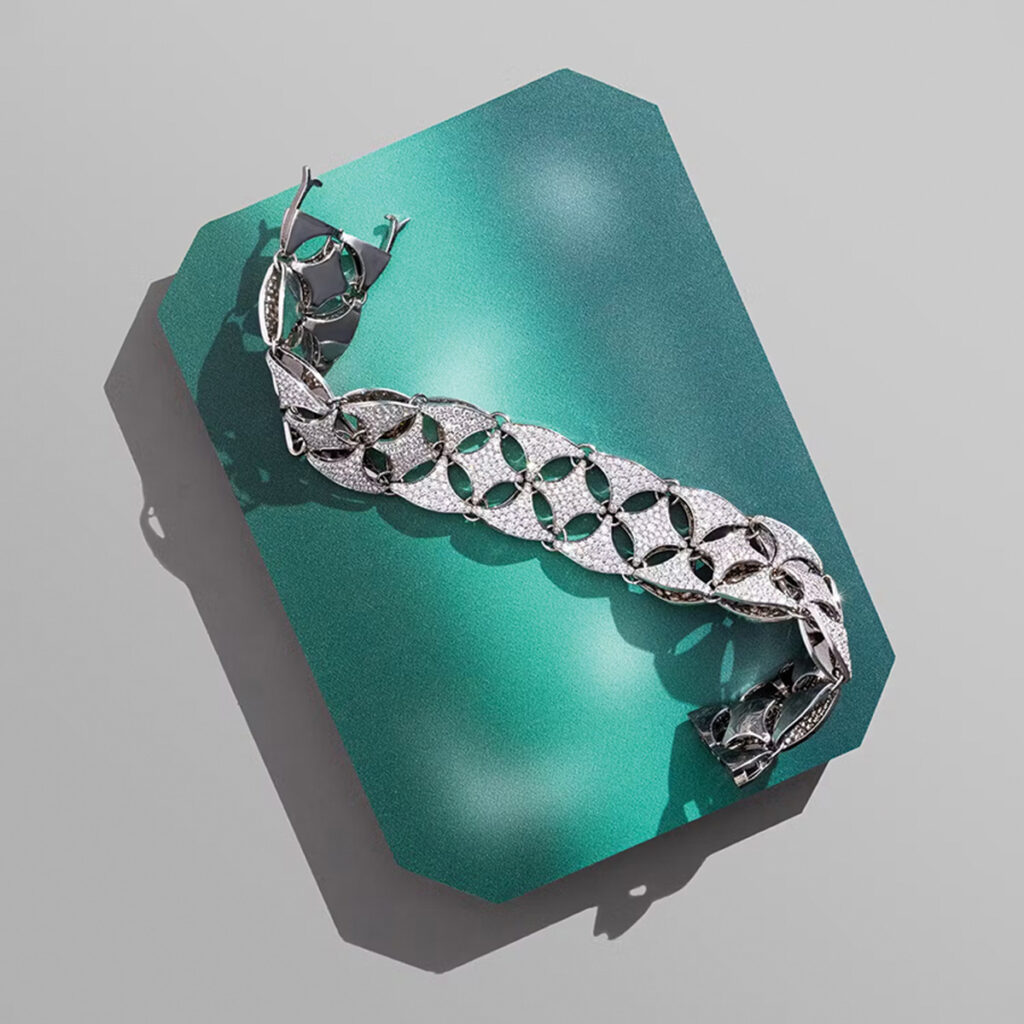
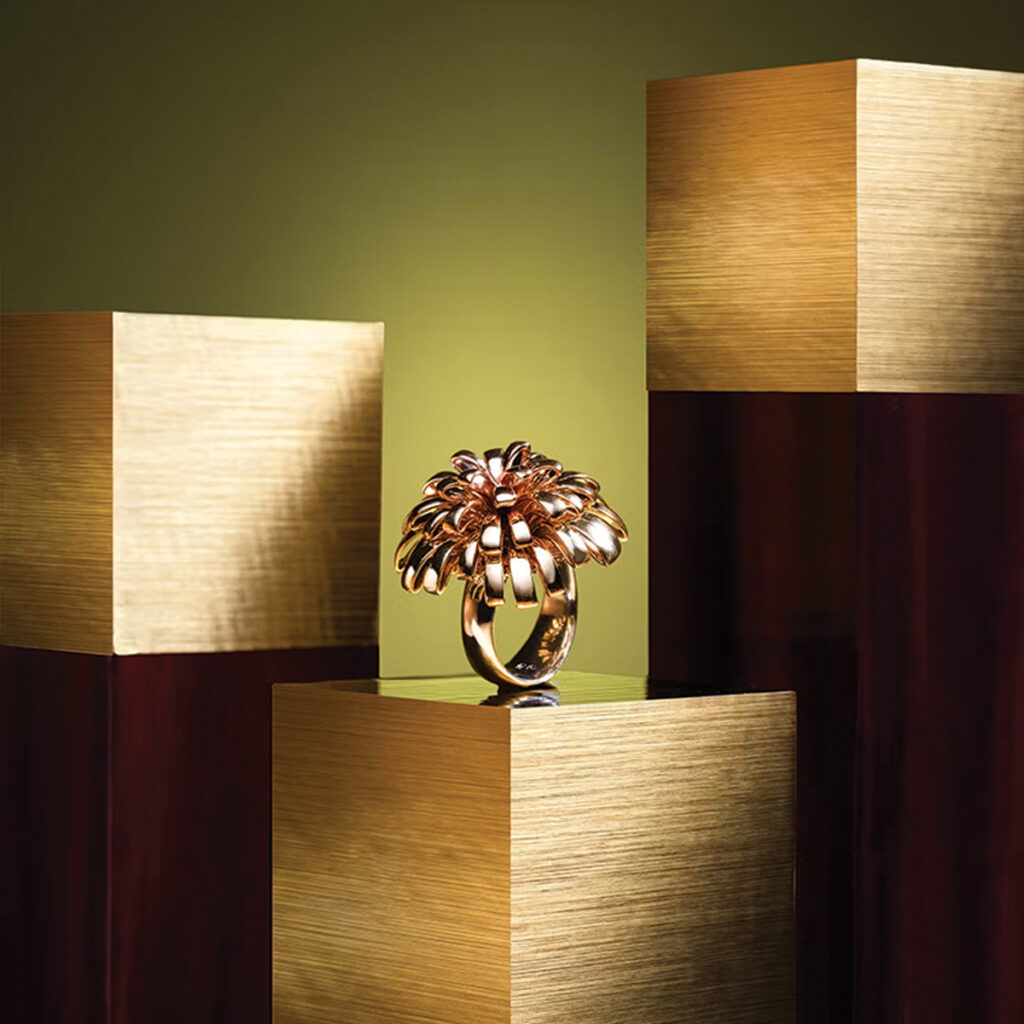
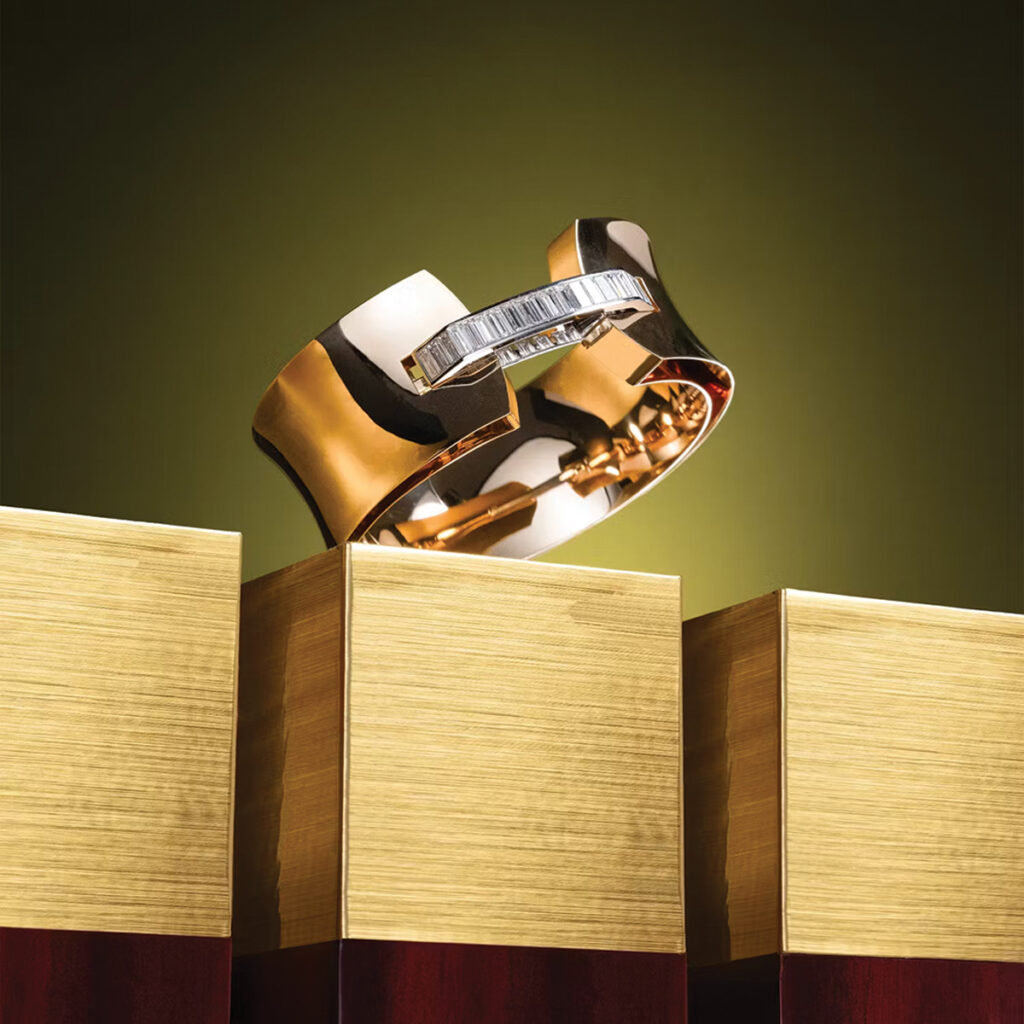
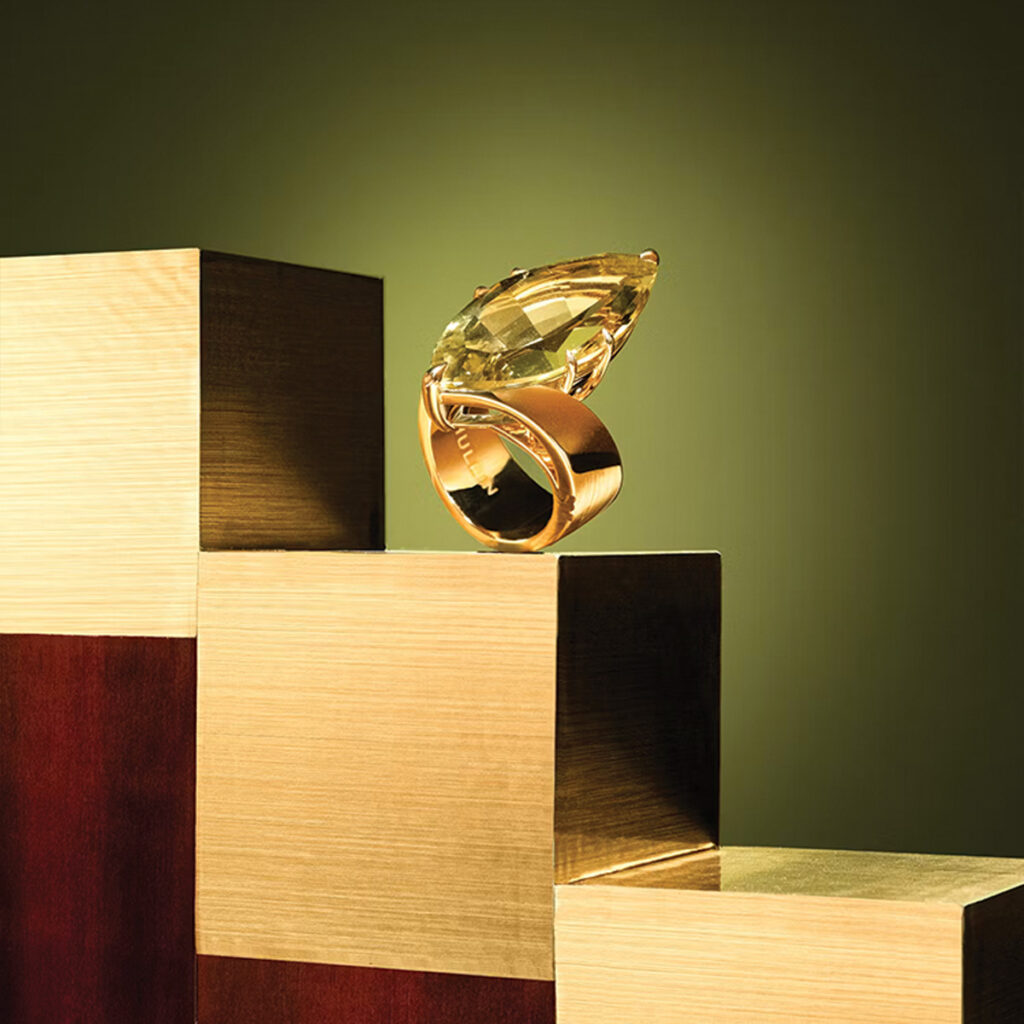
Yes, there’s nothing that stands out. Everything is dull, everything looks the same, somehow. Nothing like the pieces I saw downstairs, which are very daring and very original. Who is the main creative mind in the family? You? Your son?
Well, since I’m the oldest in the family… (laughs) I more or less decided what kind of things we were going to do. But I’ve also worked with a lot of very talented designers. We had a very young lady who passed away far too soon; she was truly gifted in design. Then I worked with a partner company to produce jewellery – we shared the same concepts and ideas. I’m used to working with a group of designers. We still have two graduate designers working in our company. Johannes (i.e. Schullin’s younger son) has graduated from Central Saint Martins in England. So, I’m not alone.
Yes. And that’s important. Who buys your jewellery? Is it mainly Viennese people or tourists too?
We have a very good clientele from Vienna – people who visit us very often. They are our regular customers. That’s the base. Then, since we have locations on a prominent street, we always meet new people from around the country. Especially when we first opened – it was amazing how many people came in without having heard of us.
Oh! Maybe just to look at the store, and the building.
Yes, but at the same time, they came to look at the watches and even to buy some. It was really amazing because we didn’t do any advertising; we had just opened the store, as we still had to combine the two locations, and it wasn’t ready yet.
So, for the time being, you’re mainly going to focus on watches here, with a small section for jewellery, right?
Yes.
And you’re going to keep most of the jewellery in the older store?
Yes, because, first of all, the store is now 40 years old. Also, I was very close to Hans Hollein. We worked very well together because he designed the perfect environment for me, and I had the right products for his showcase design.
I understand.
So the store still exists; it’s still there. Forty years is a long time – it hasn’t been renovated or changed. So, I’m moving from one protected heritage site to another.
I suppose this might be your destiny. And just one last question: can you describe the Schullin brand in a few words for our readers?
Yes, we have both sides – the watch business and the jewellery business, which are part of the same company and the same shops. We have separated them only because the Hollein shop is such a specialised store. But it’s still the same company; we work together, and perhaps in the future, we’ll have the chance to combine everything.
It would be nice.
Yes, but we need some time to decide in this respect.
I’m sure.
Because it is not easy for me to leave that shop. The funny thing is that, in the beginning, it was huge for me, but now I just feel at home [in the Looshaus]; I feel very comfortable here and I like it very much.
How long did it take for you to feel at home here?
It took quite a long time, because we spent three years negotiating whether we could get it or not. In the meantime, we had already designed a few things within this building. In fact, we started during the pandemic. At first, we began to think about it, then we started negotiating, and the actual transition took a year and a half.
Okay, I understand. Thank you very much!
Share this article
LEAVE A COMMENT
You must be logged in to post a comment.