

Vacheron Constantin unveils the Métiers d’Art Tribute to the Animal Kingdom


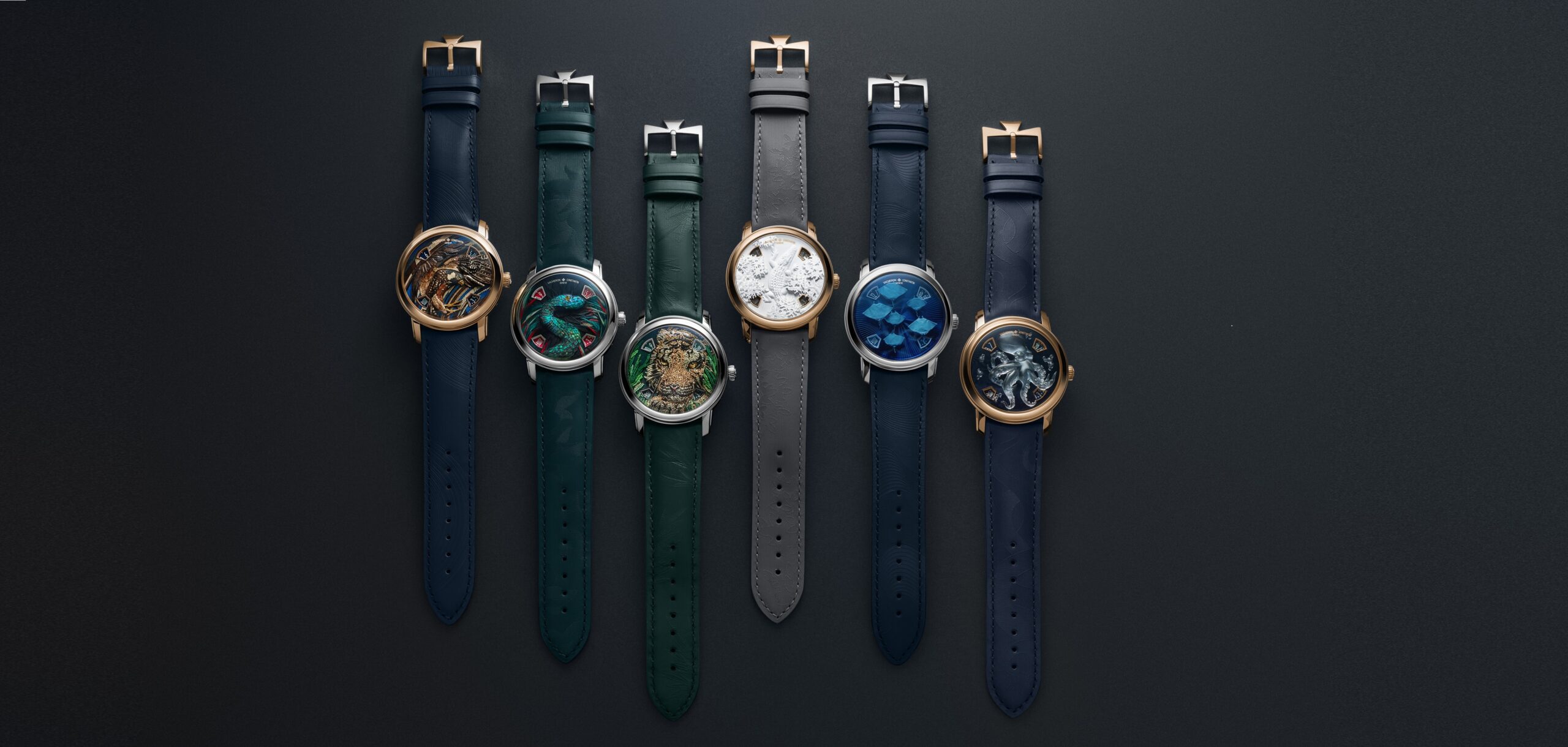
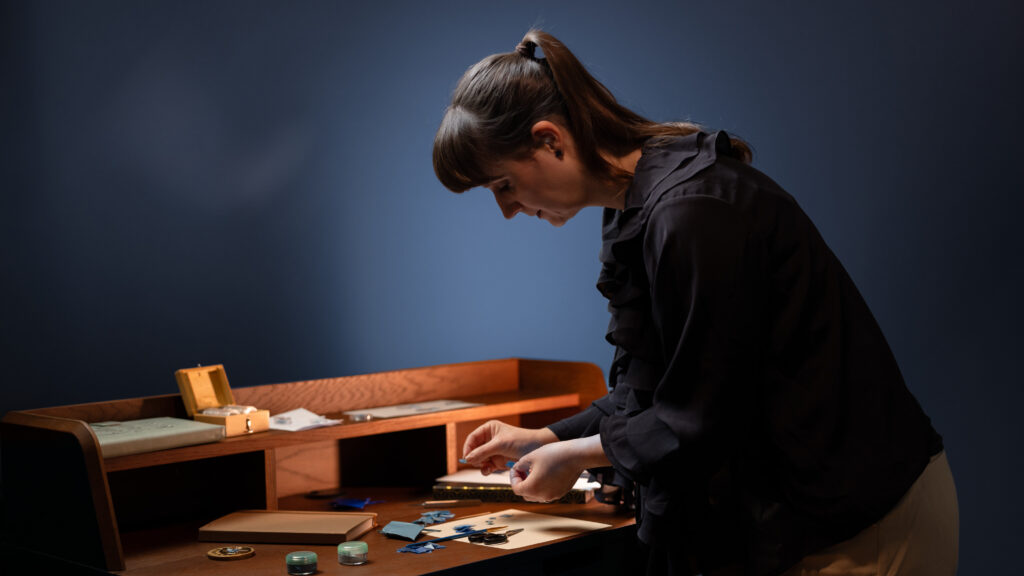
The project brings together six creators whose expertise lies outside traditional watchmaking decorative arts, inviting them to reinterpret their craft at the scale of a watch dial. Each piece offers a unique vision of wildlife, expressed through a different discipline and made possible by the Calibre 2460 G4, whose peripheral display frees the entire dial for artistic exploration. The calibre’s “hours, minutes, day of the week and date indicated through four apertures at the four extremities of the dial” transform the surface into a true canvas.
Since 1755, Vacheron Constantin has championed the preservation of artistic savoir‑faire, integrating workshops dedicated to guillochage, engraving, enameling, gem‑setting and high watchmaking. This commitment has expanded through collaborations with institutions such as the Louvre and The Metropolitan Museum of Art, and through initiatives aimed at education and cultural transmission.
The One of Not Many Crafts Programme continues this mission by encouraging artisans from outside horology to adapt their techniques to the miniature constraints of watchmaking. As Sandrine Donguy explains, the Maison seeks to “push the boundaries of Haute Horlogerie” by integrating techniques rarely seen in watchmaking and ensuring the continuity of centuries‑old craftsmanship while exploring new creative territories.
This incubator‑like approach fosters exchanges between invited artists and the Maison’s own specialists, leading to new tools, methods and solutions. The result is a collection of six watches, each rooted in a distinct craft — gold embroidery, featherwork, wood marquetry, glass sculpting, paper sculpting and micro‑origami — and each expressing a singular artistic language inspired by the animal world.
Every timepiece is completed by a bespoke strap echoing the dial’s aesthetic, and a specially engraved 22K gold oscillating weight celebrating the tools of artisans.
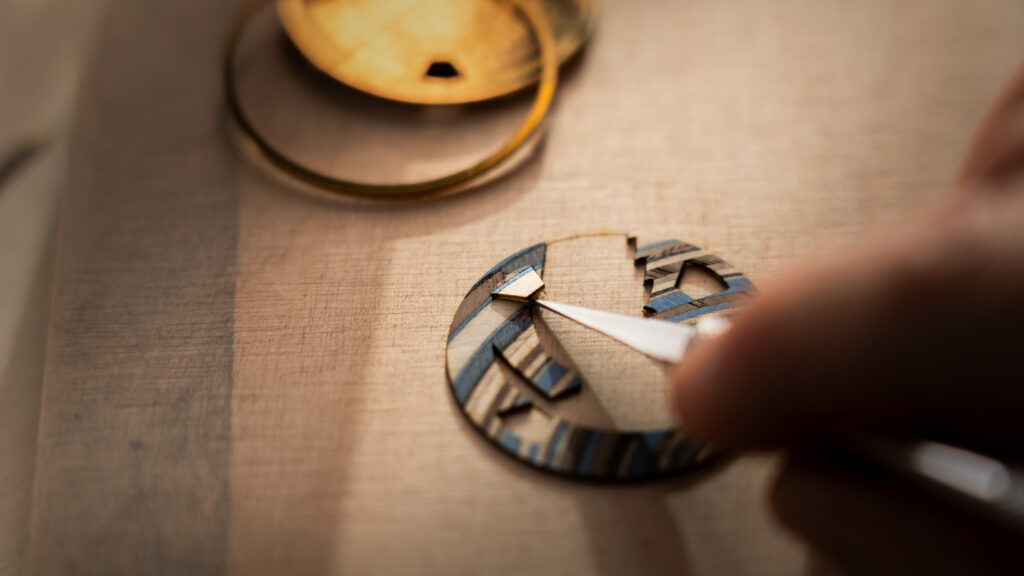
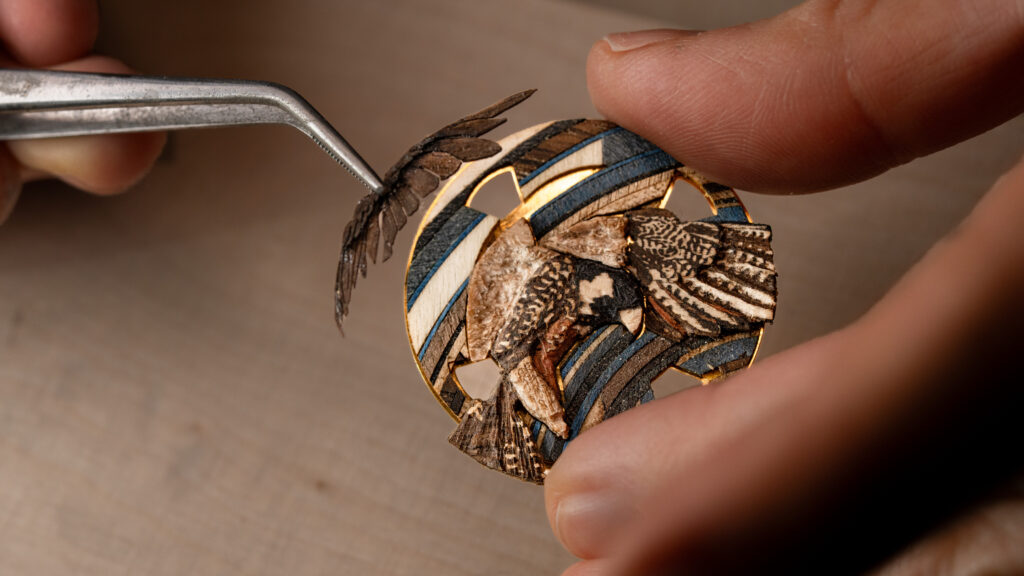
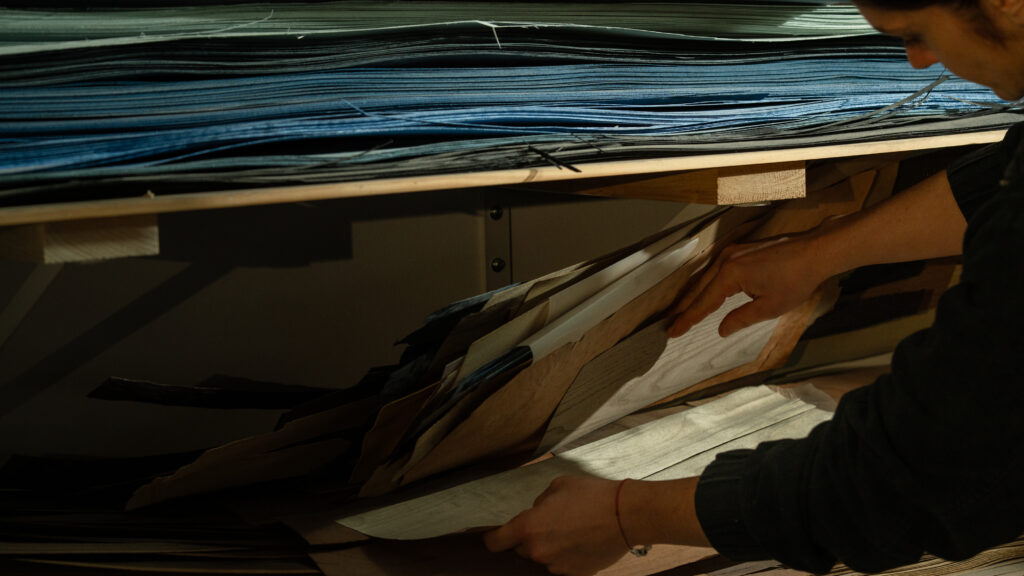
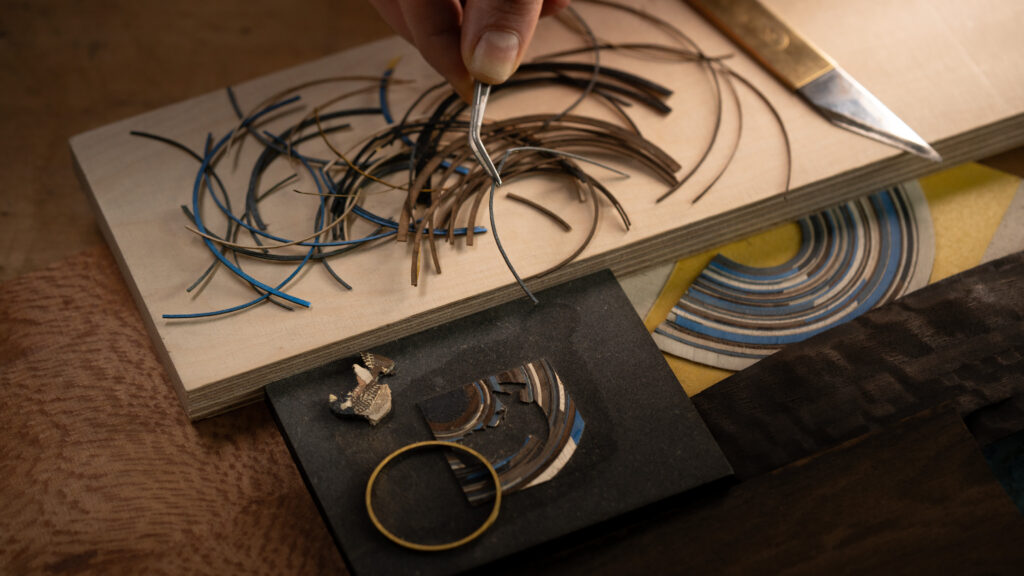
Miniature Innovation: Six Crafts Reimagined at Dial Scale
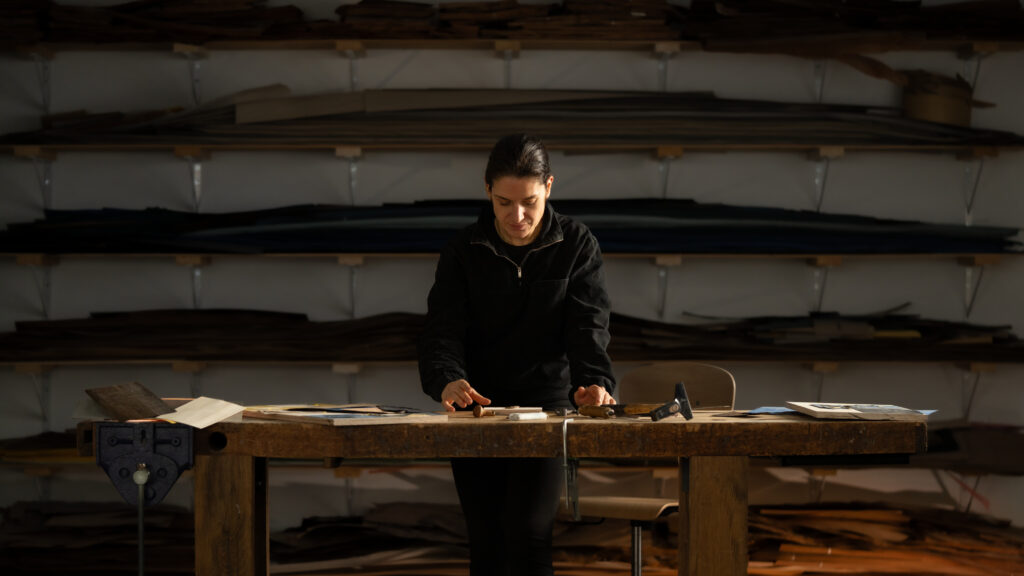
Working within the strict confines of a 42 mm case and a mere 4 mm of vertical space, the six artists had to reinvent their techniques entirely. Years of research, prototyping and toolmaking were required to adapt crafts traditionally executed at larger scale to the microscopic realm of haute horlogerie.
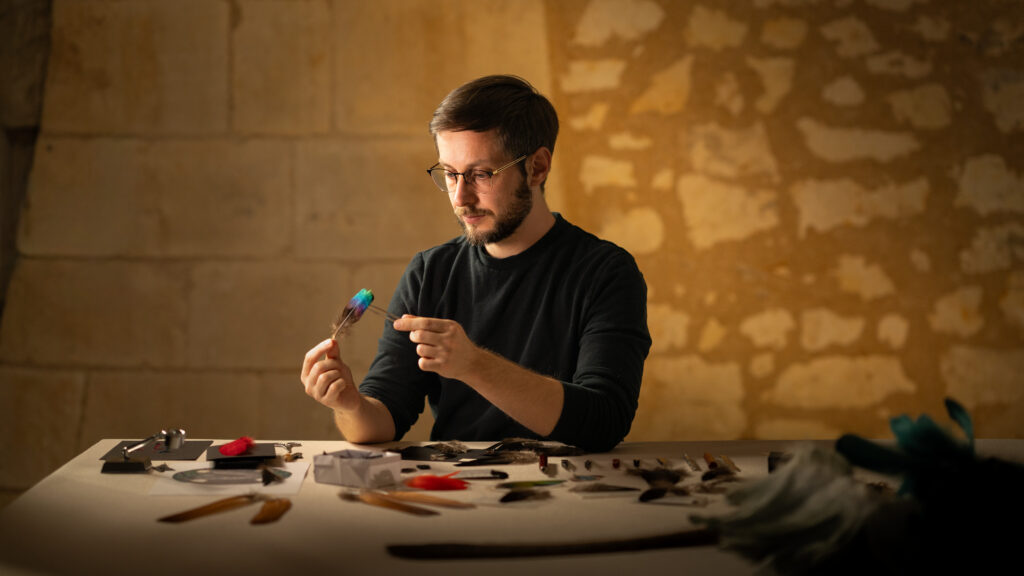
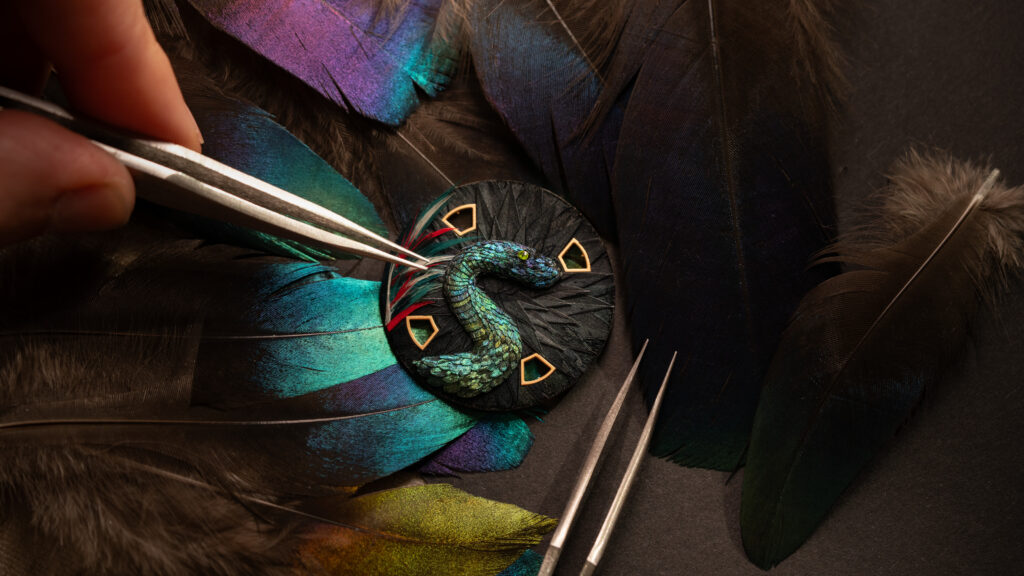
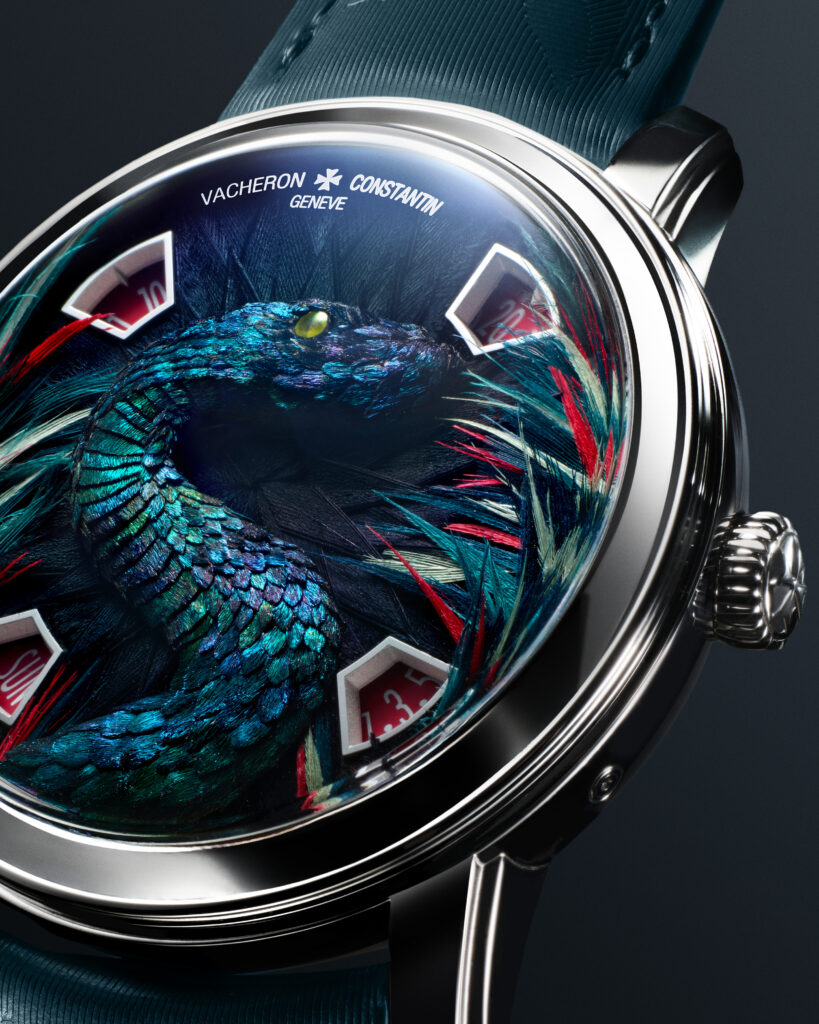
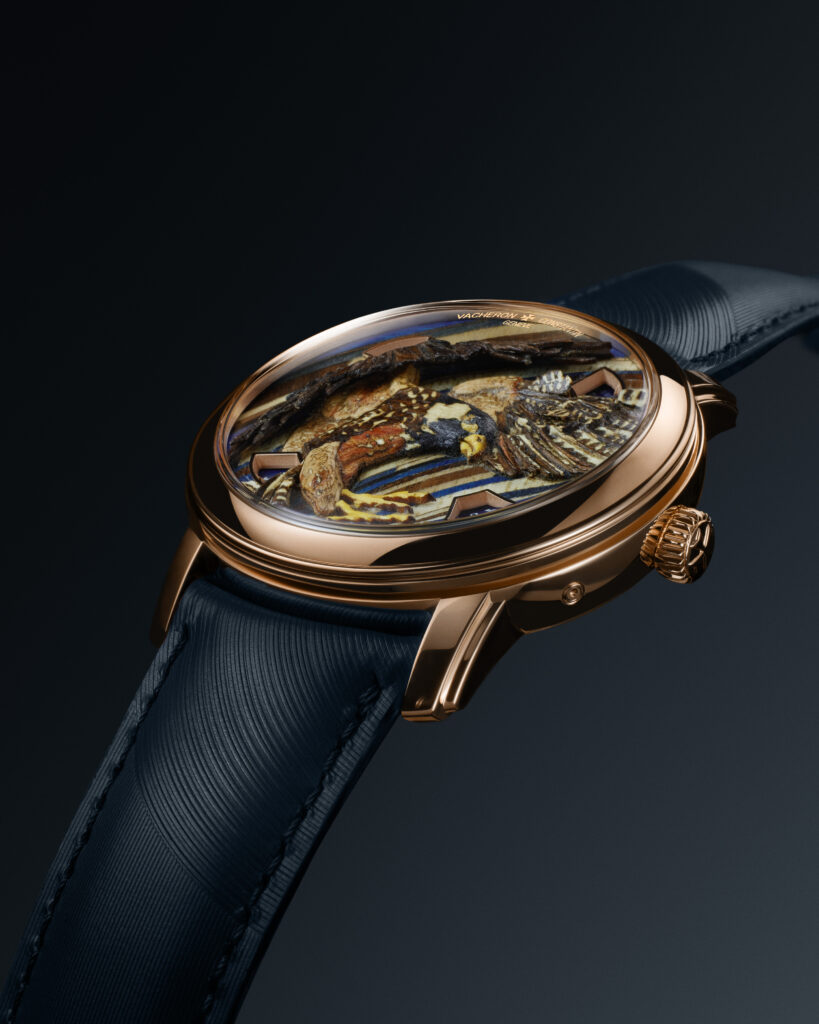
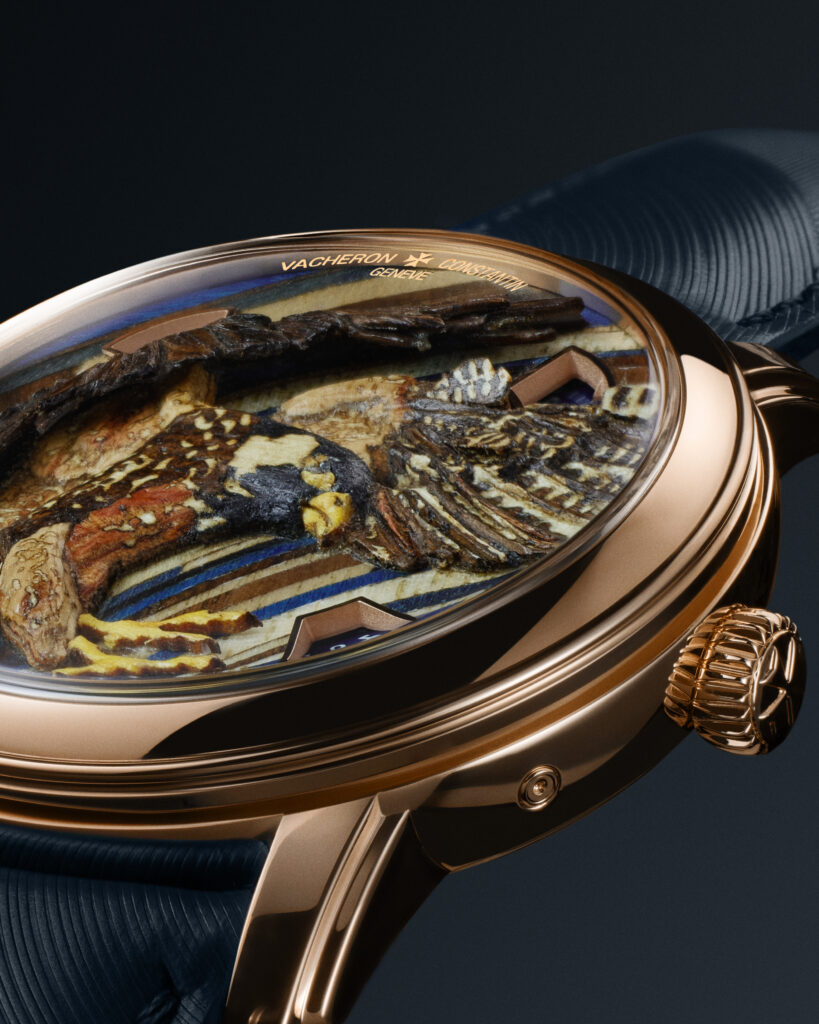
Featherwork — Feathersnake
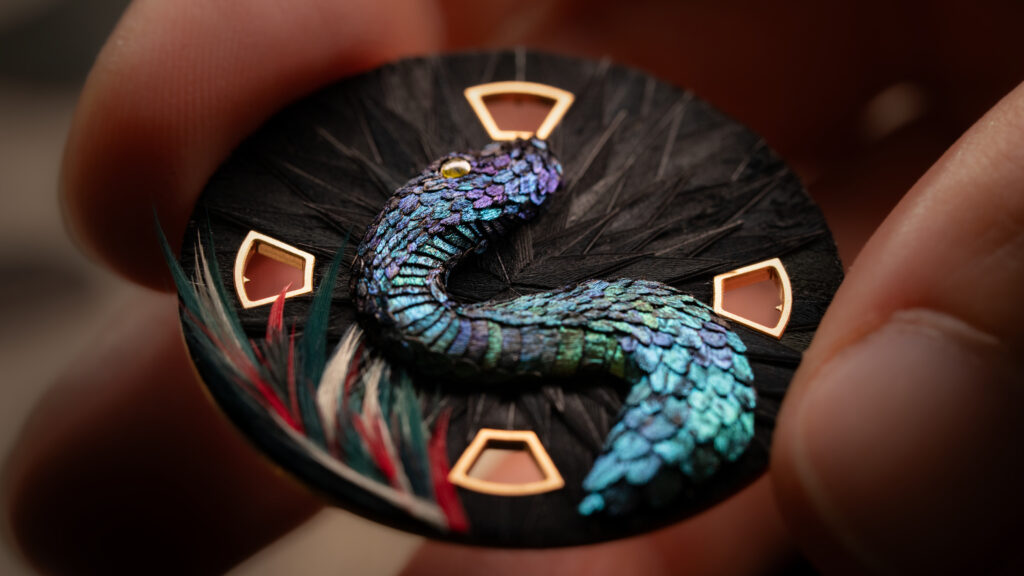
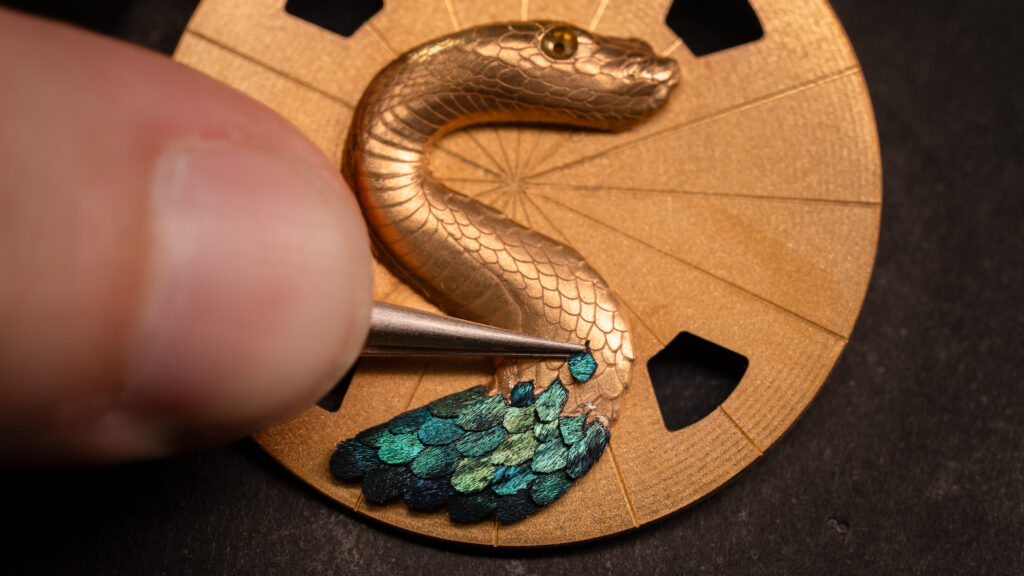
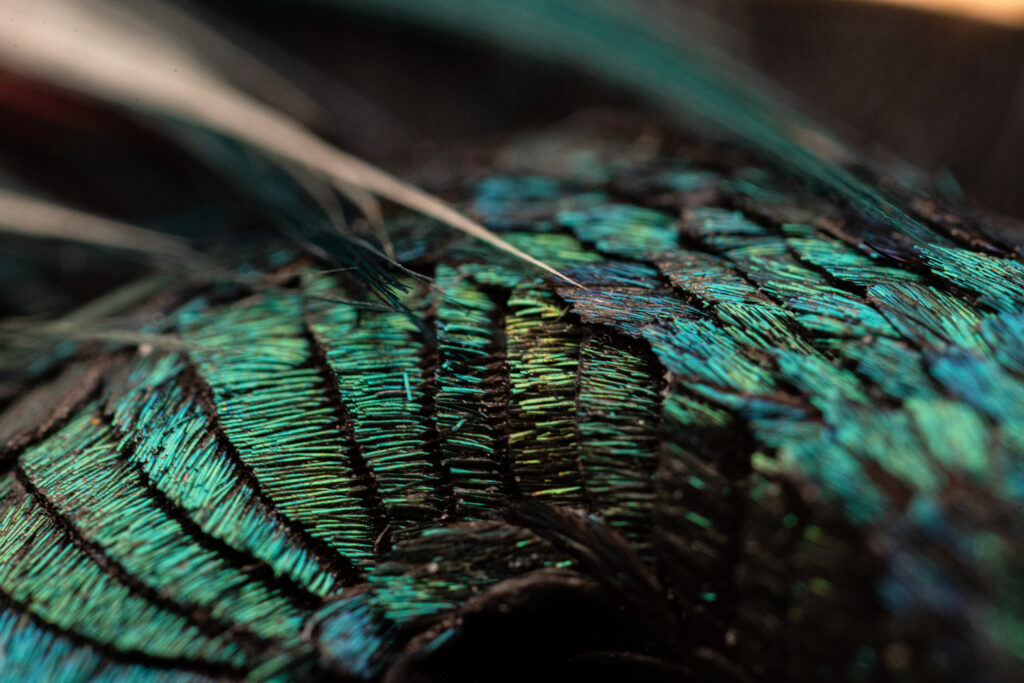
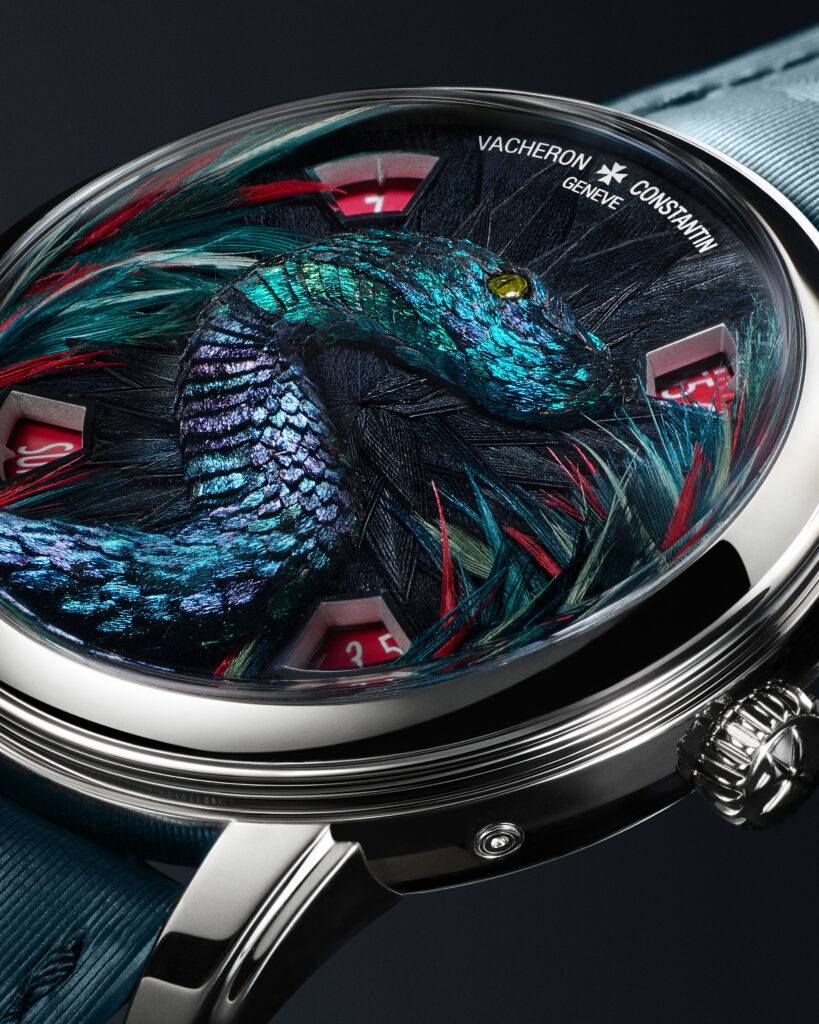
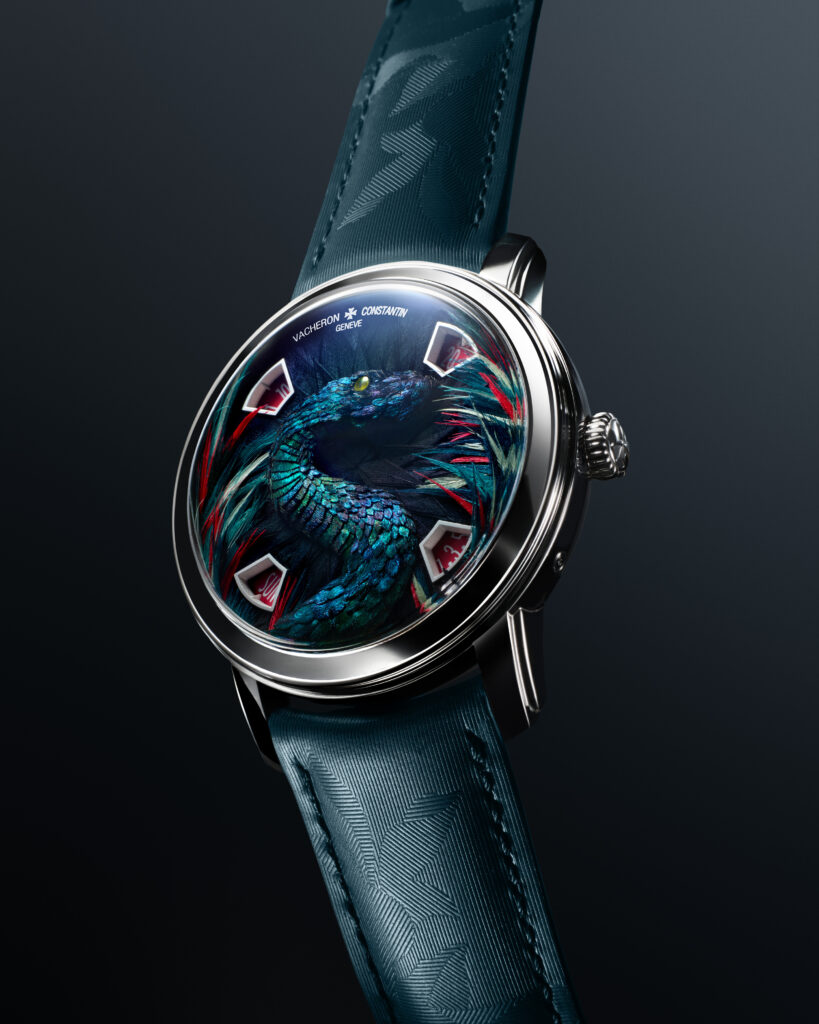
An imagined serpent coils across the dial, rising only three millimeters yet appearing fully sculptural thanks to a metal armature supporting over 200 feather fragments cut from rare Lophophore plumes. The artist removed each feather’s quill to reduce thickness, mounted the barbs on silk paper for precision cutting, and applied them with custom micro‑tools — including a scalpel fashioned from a reshaped needle. The snake’s eye, crafted in gold and enamel, anchors the composition.
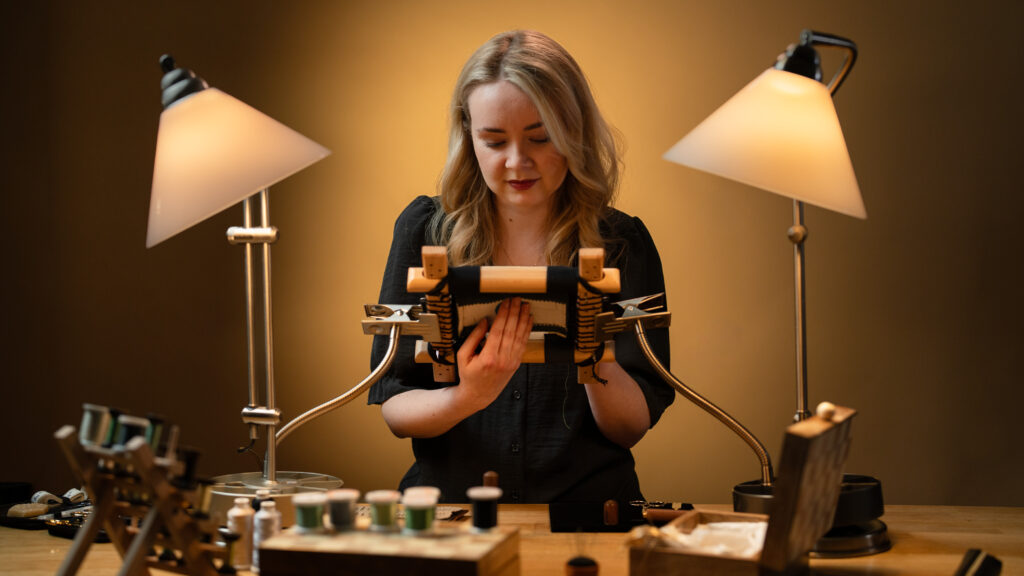
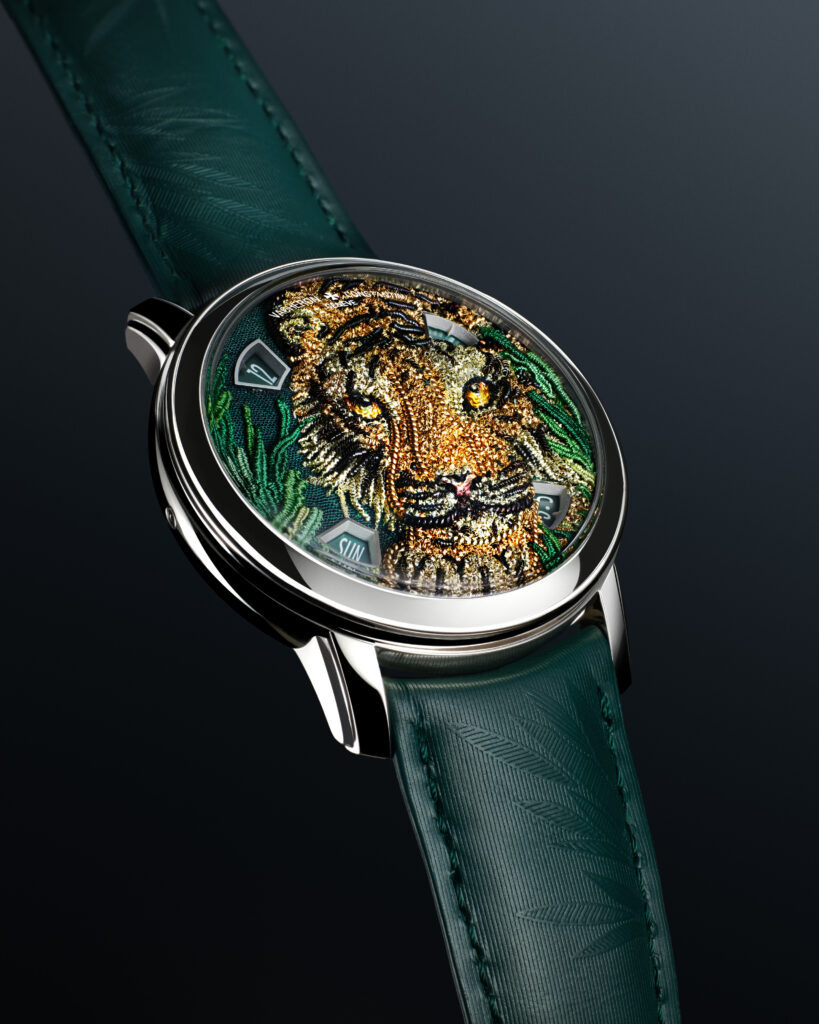
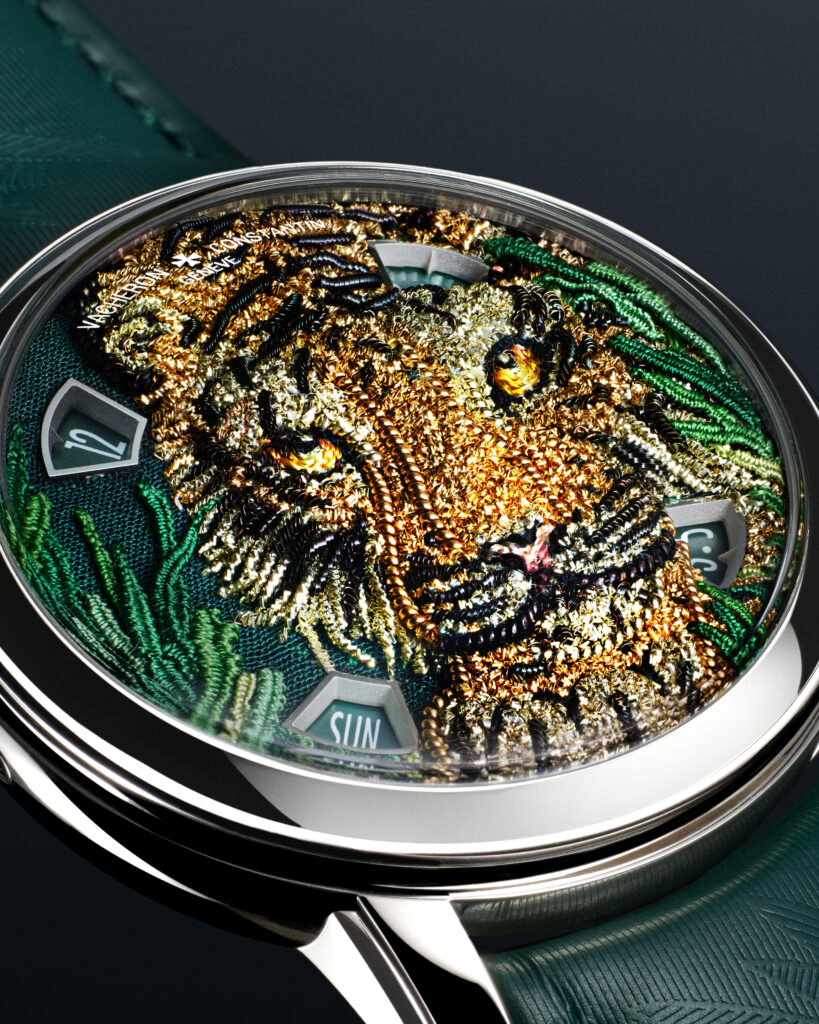
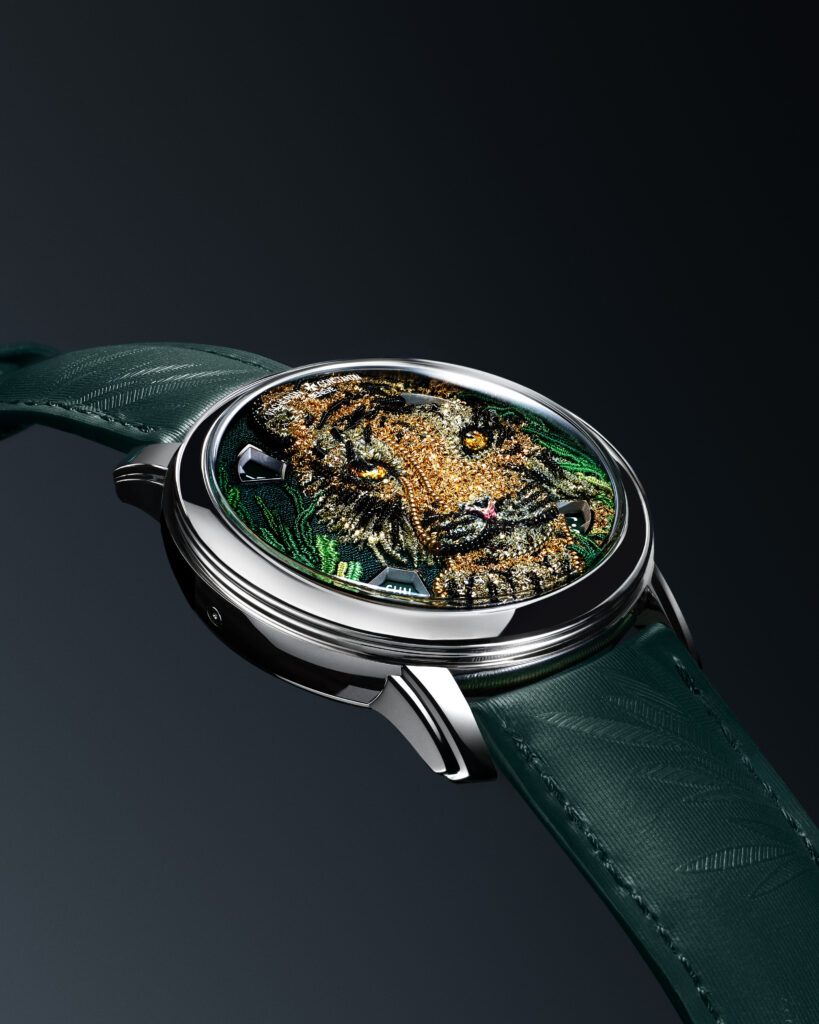
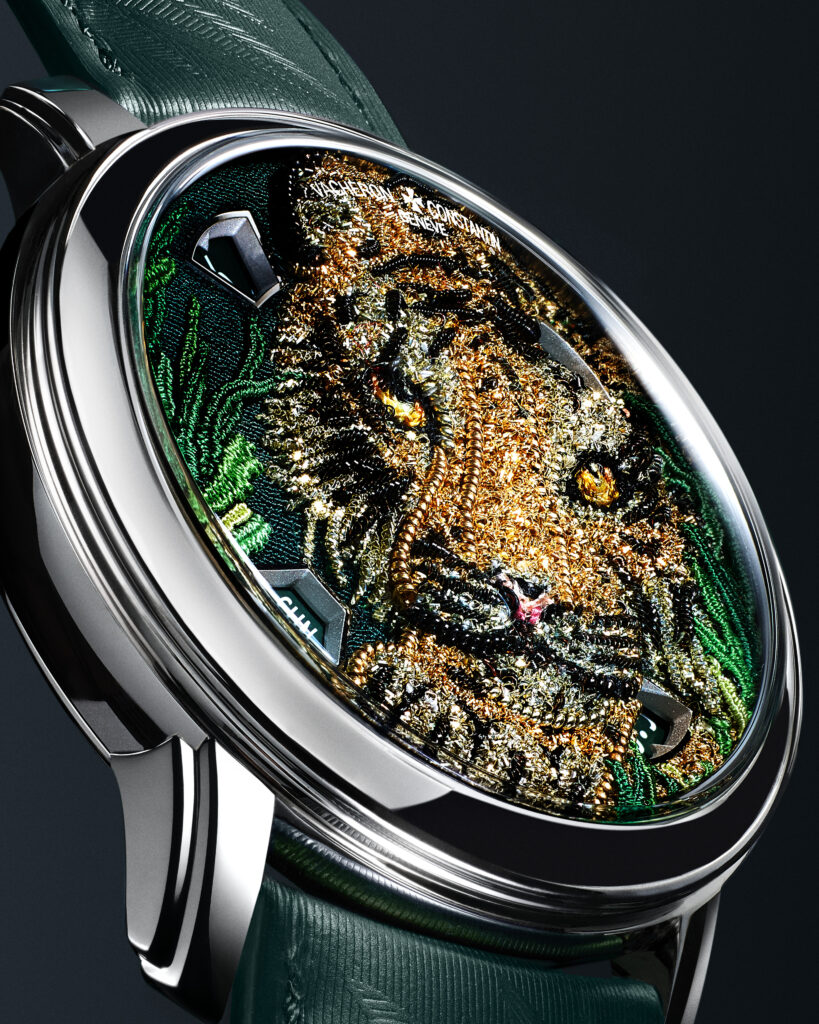
Gold Embroidery — Tigerbroidery
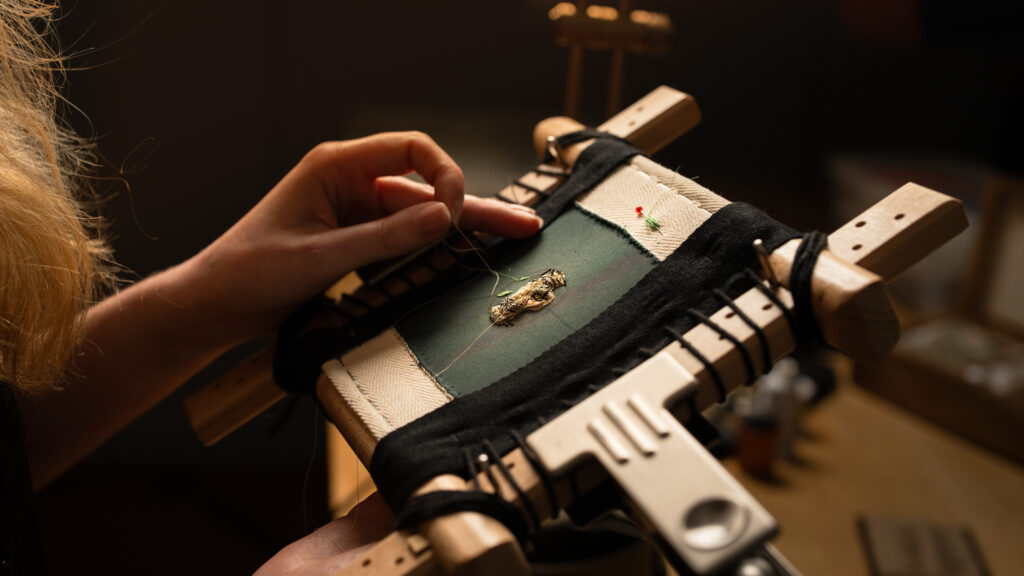
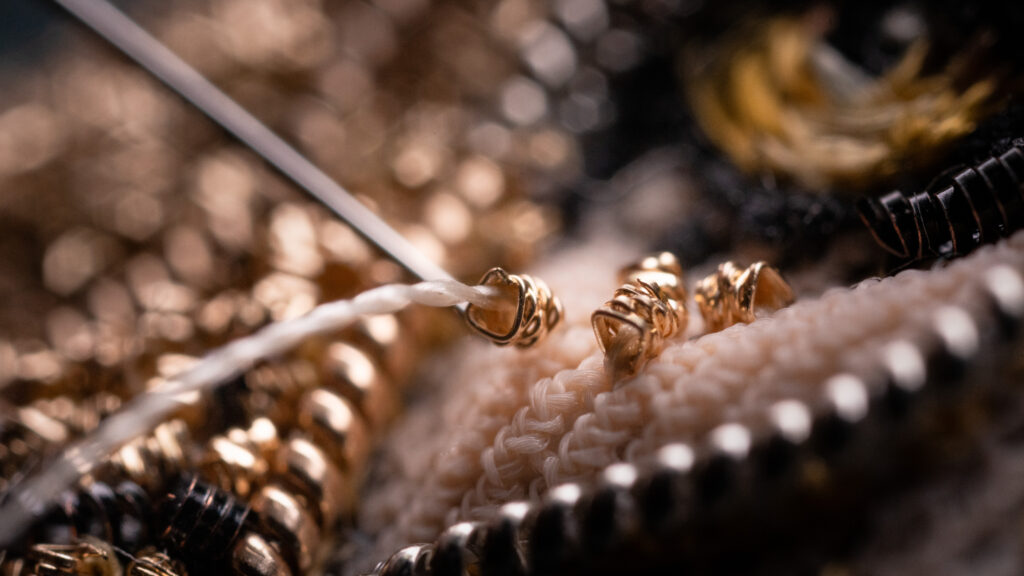
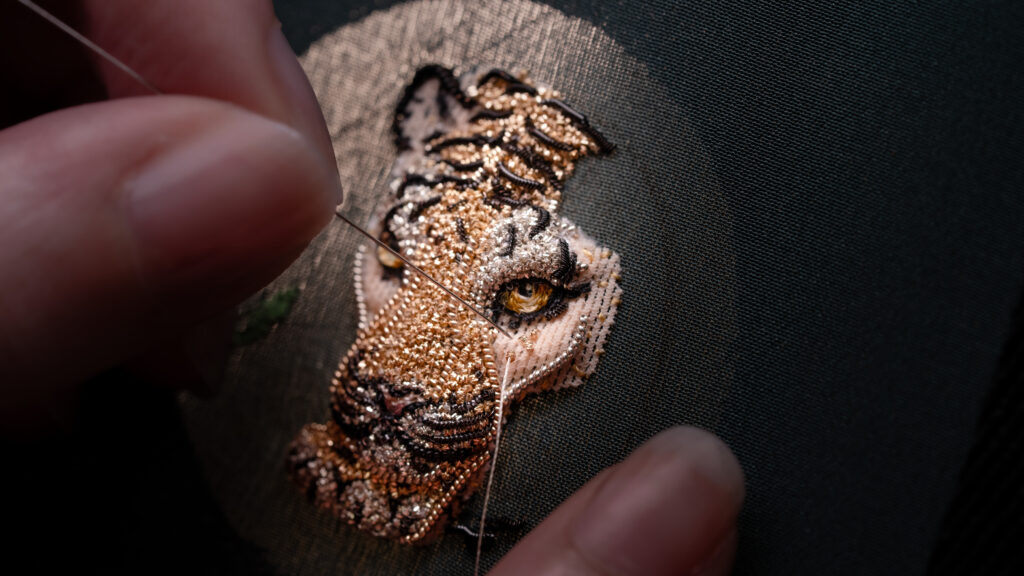
A prowling tiger emerges from a jungle embroidered in gold and silk. Using 9‑karat gold wires — a rarity in traditional goldwork — and ceramic‑coated black threads for the stripes, the artist created a sculptural, chiaroscuro effect. The silk base was stretched on a titanium dial plate engineered with bespoke perforations, while ultra‑fine needles and custom wire‑drawing tools were developed to meet the miniature scale.
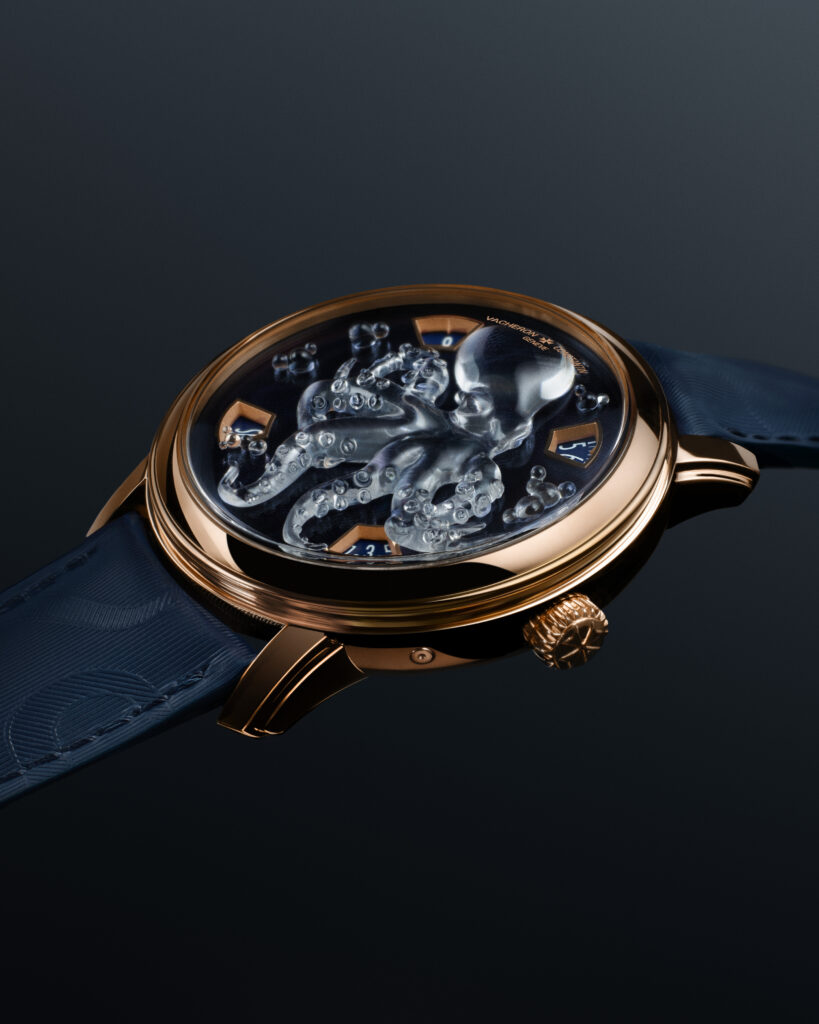
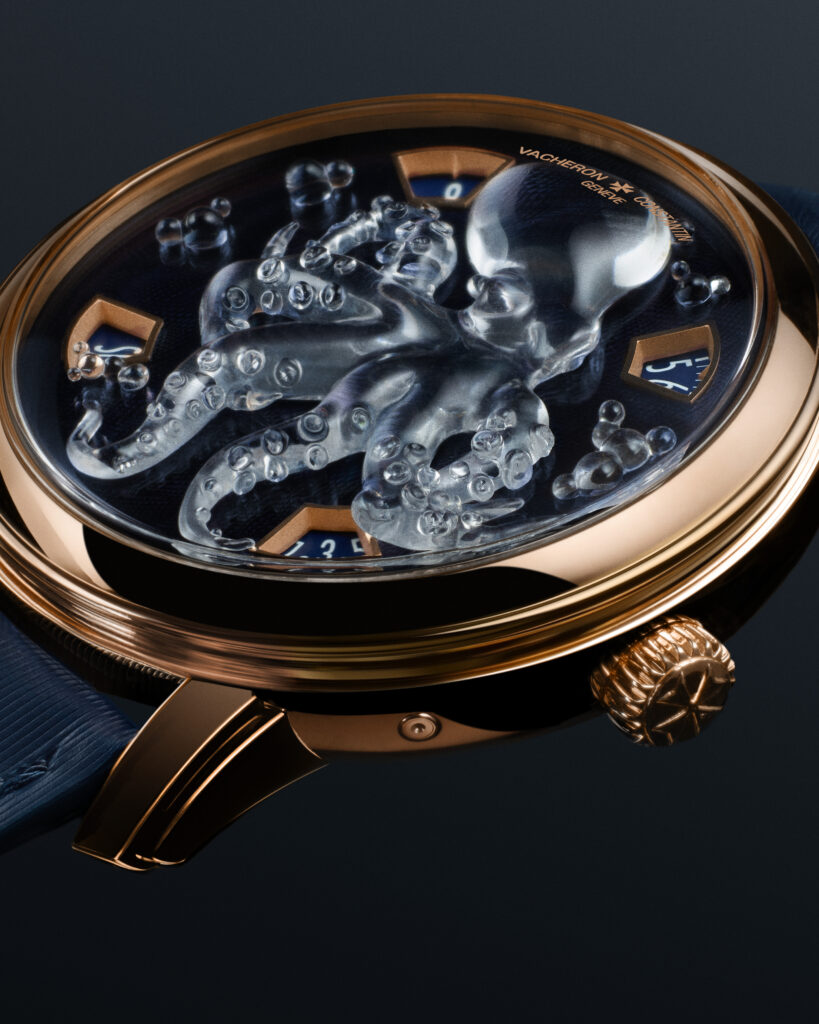
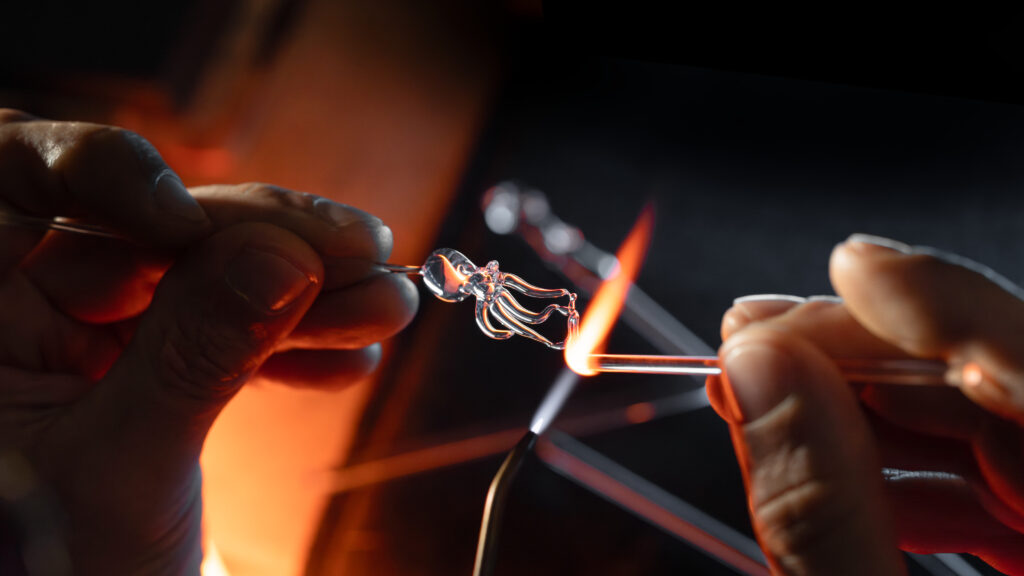
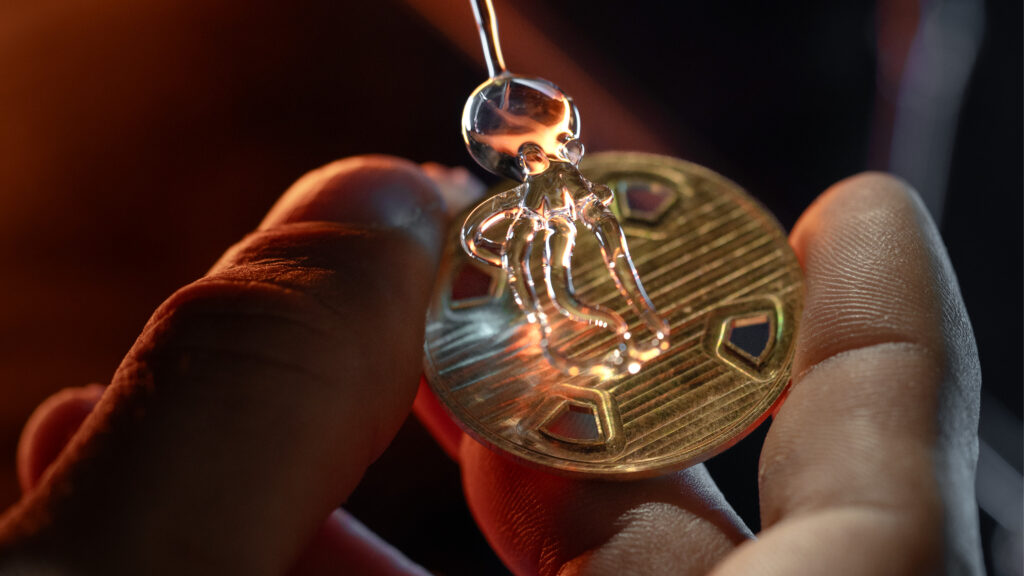
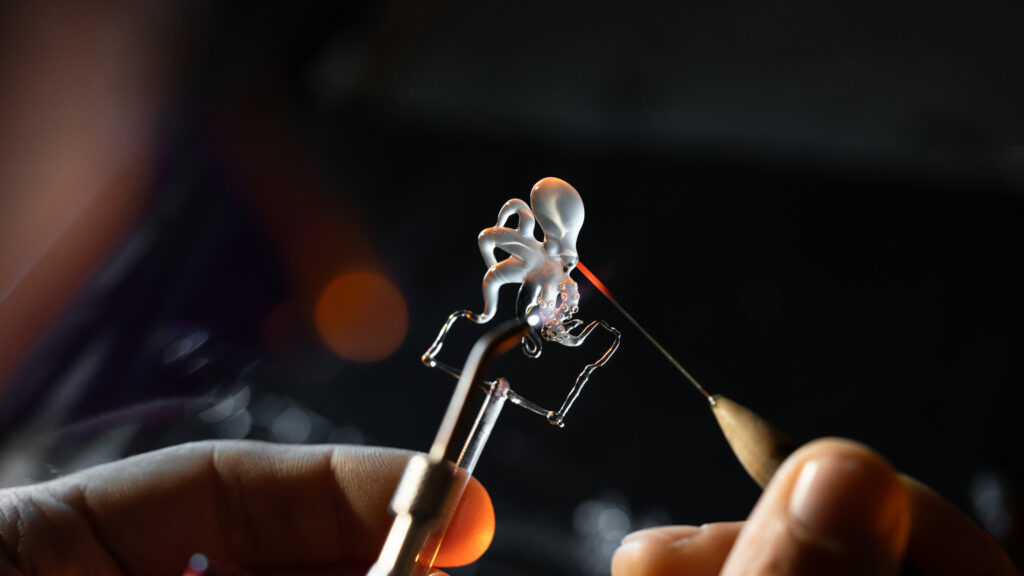
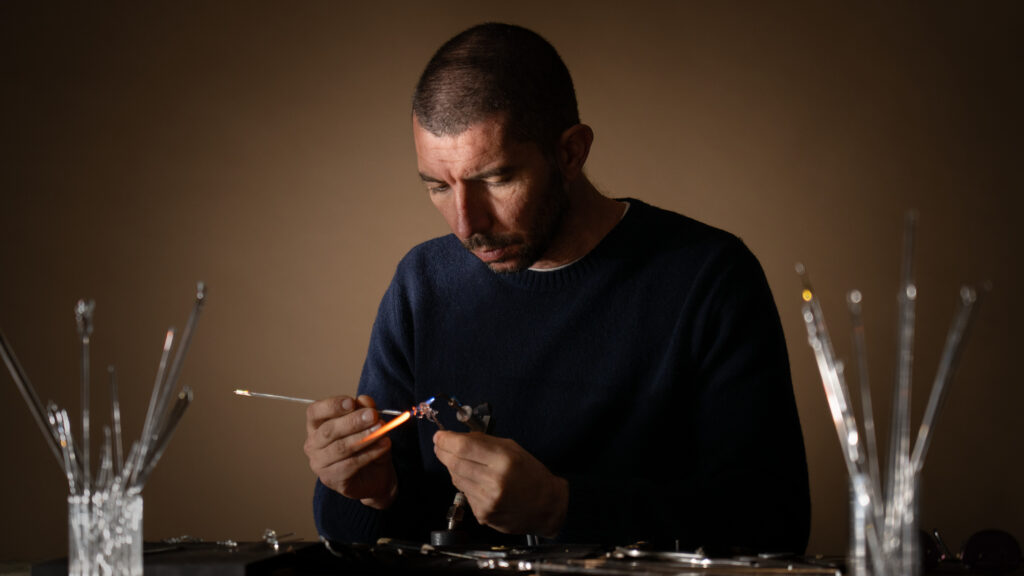
Glass Sculpting — Glassoctopus
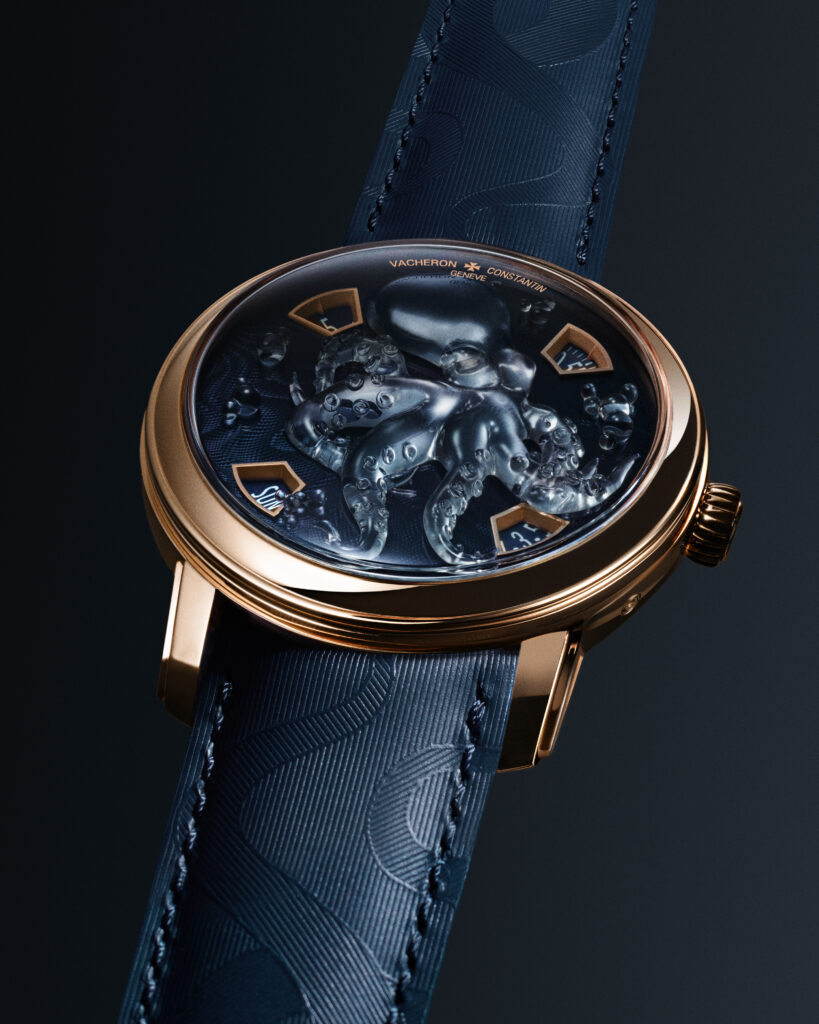
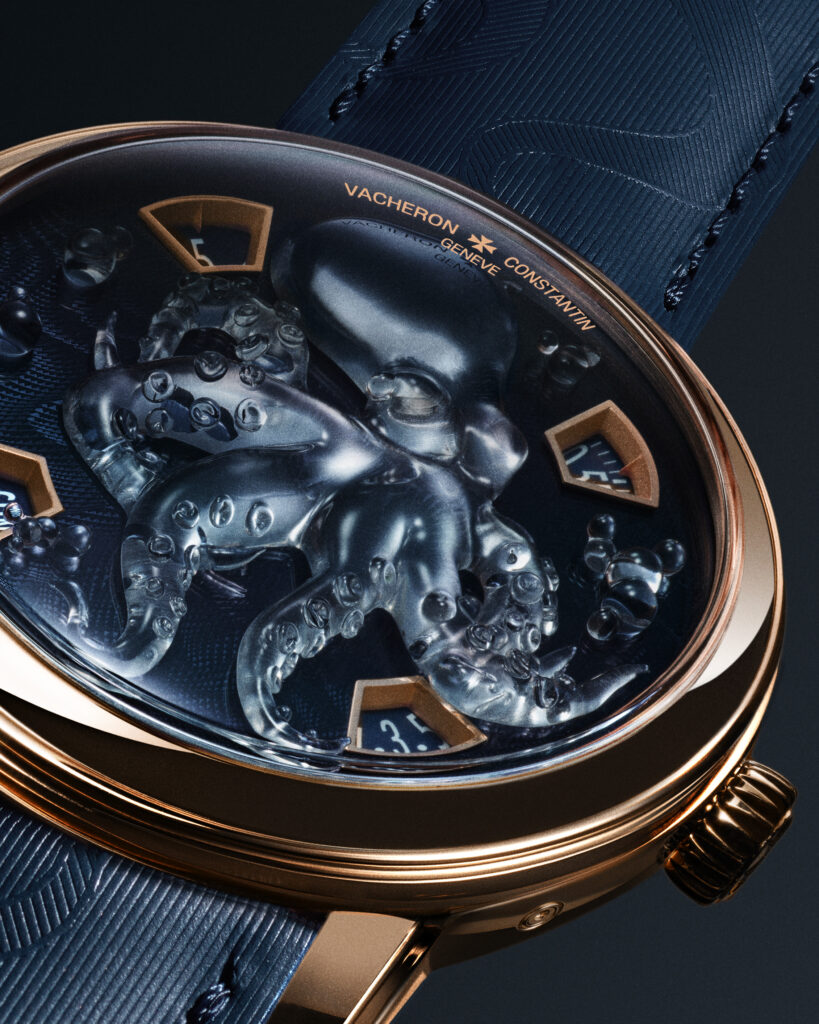
A transparent octopus floats above a guilloché blue background, its 3.5‑millimeter form created through a technique developed specifically for this project. Tiny glass rods were melted and shaped with tungsten tools, building the creature dot by dot in a process akin to manual micro‑3D printing. Optical illusions were engineered to avoid distortions inherent to transparent glass, and the sculpture was positioned with extreme precision to clear the calibre’s apertures.
Micro‑Origami — Oraygami
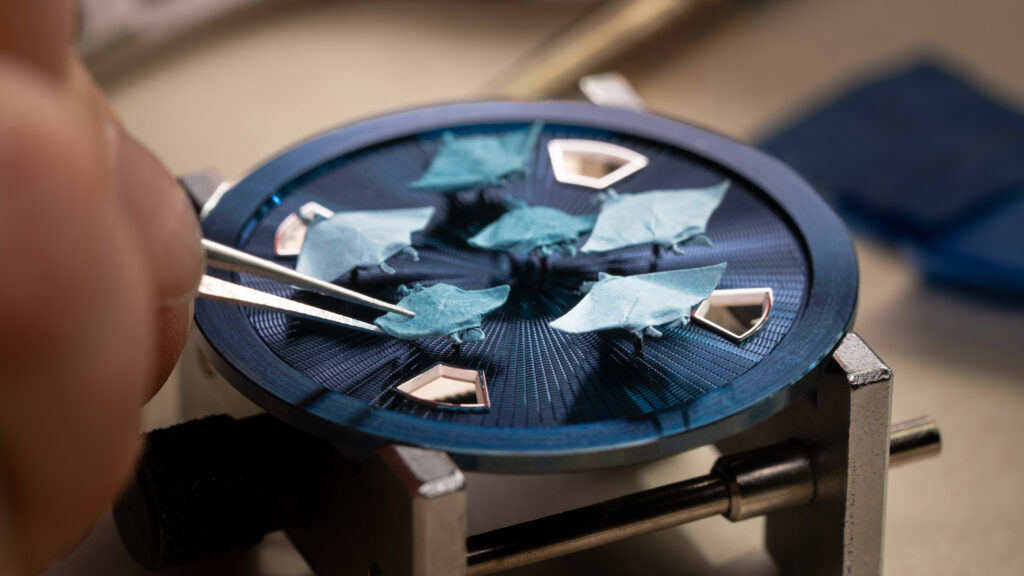
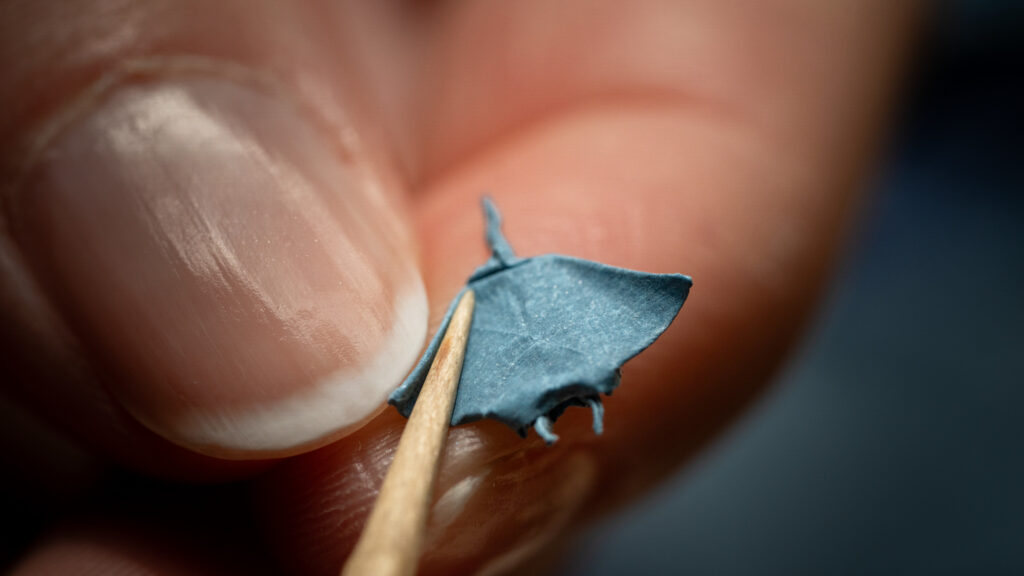
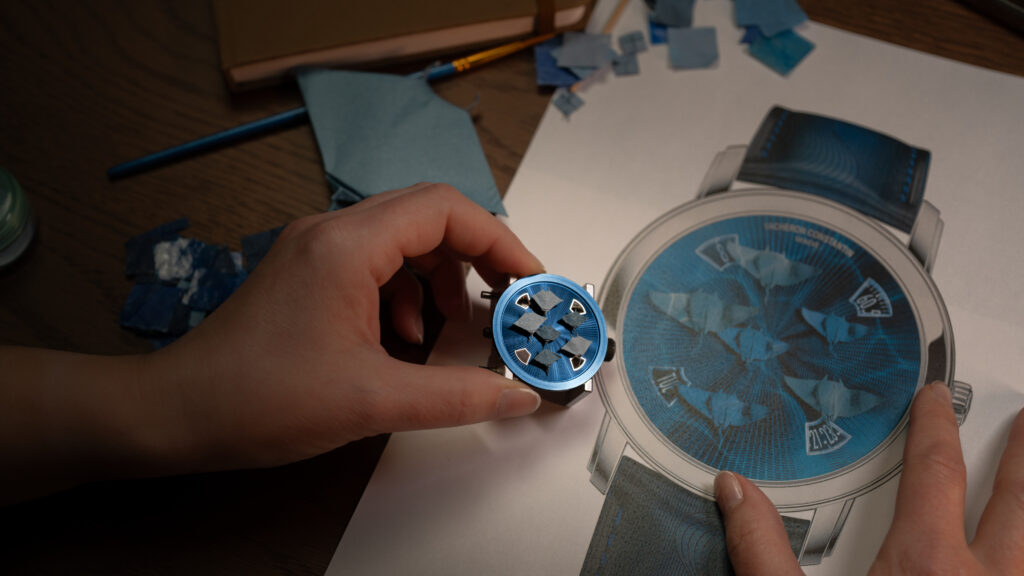
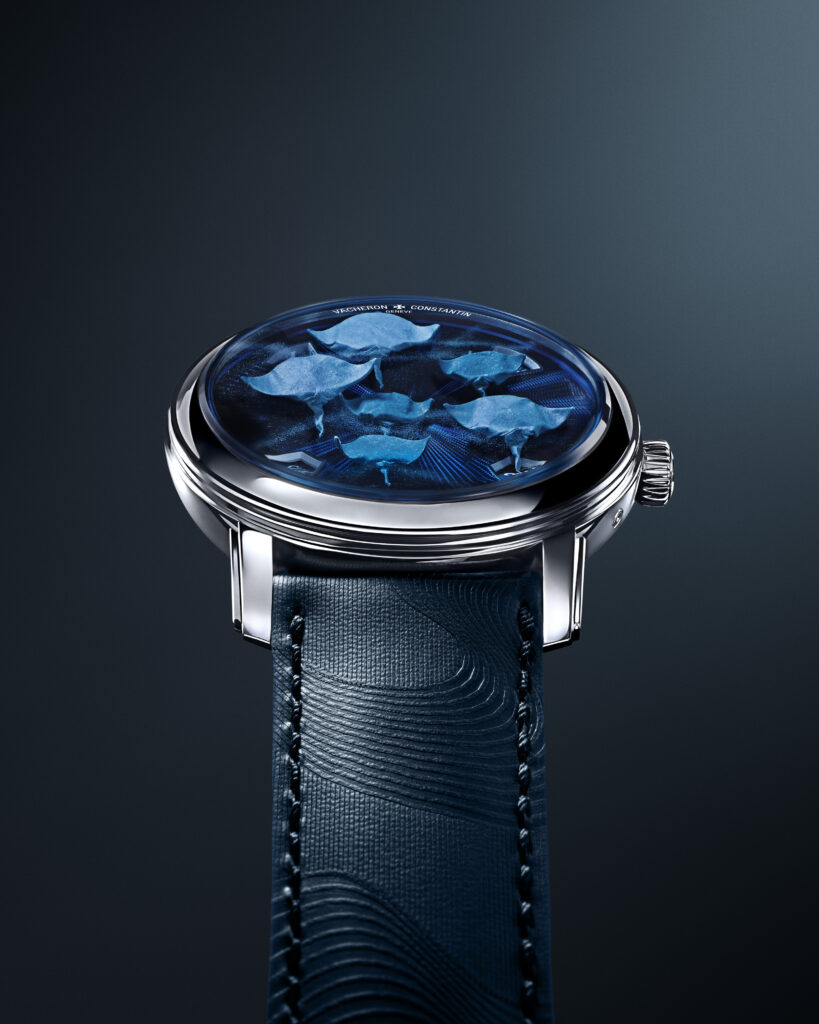
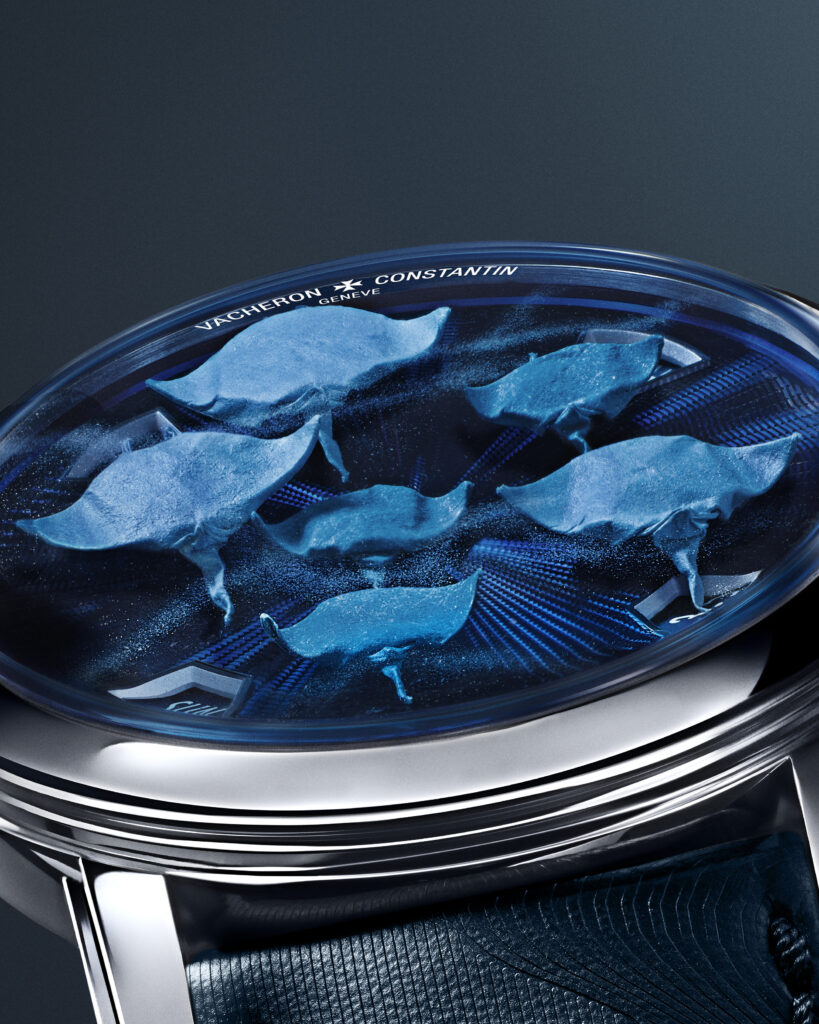
Miniature manta rays, each between 5 and 10 millimeters, glide across a deep‑blue guilloché dial. Folded from hand‑dyed Japanese paper and mounted on brass stems, the rays required the invention of an entirely new folding sequence. The artist worked without magnification, using only fingers, nails and a toothpick, while the dyeing process demanded extensive experimentation to achieve the right color and paper behavior.
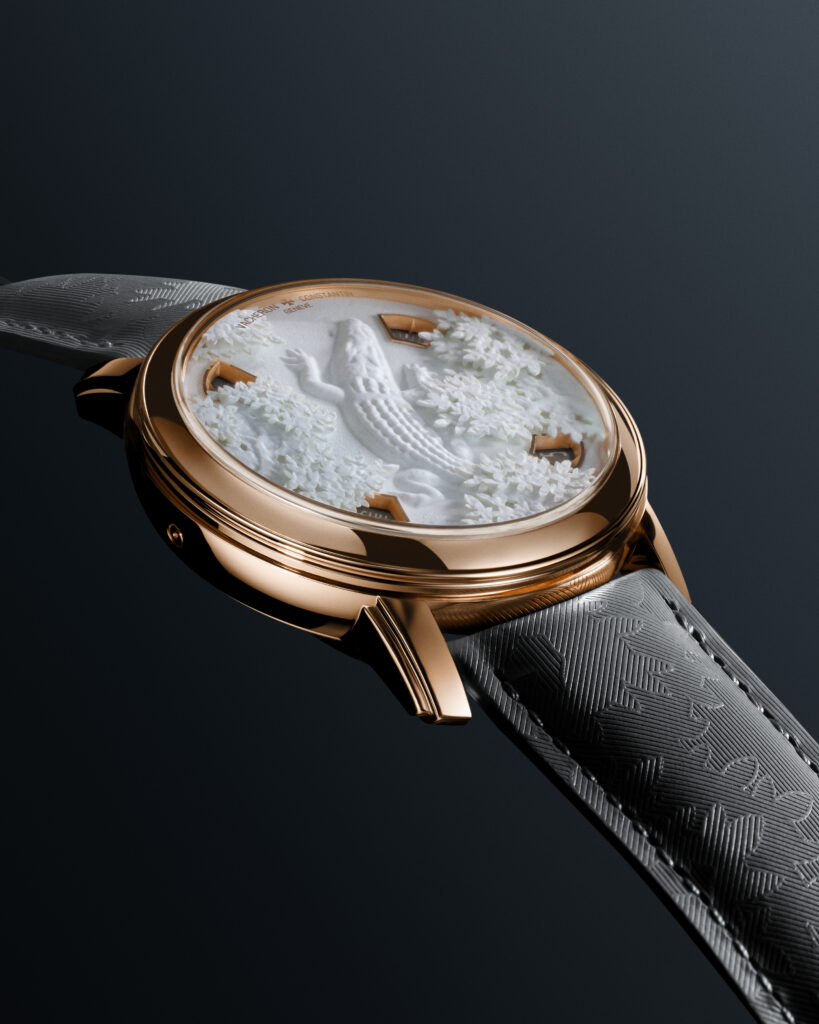
Paper Sculpting — Papercroc
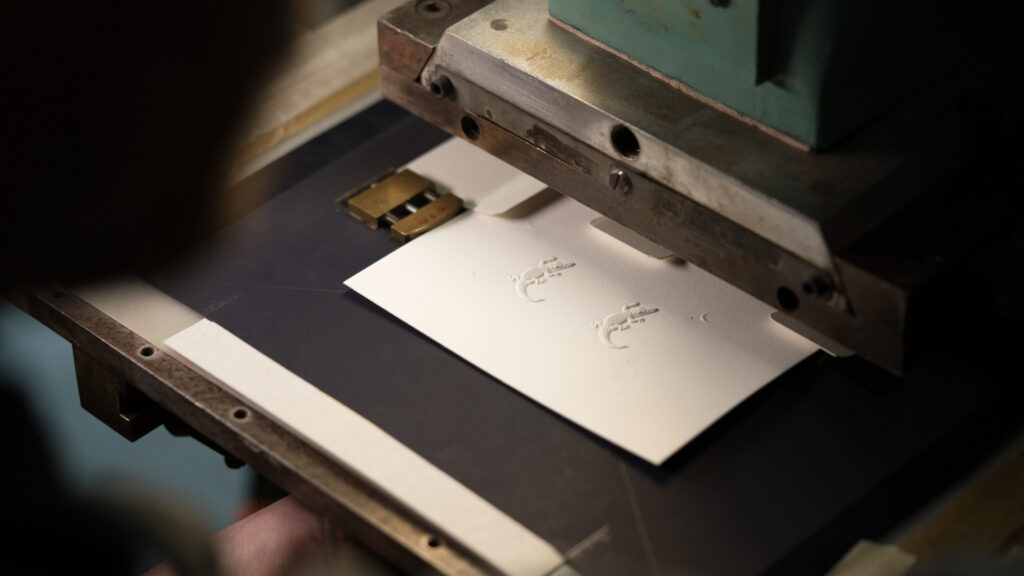
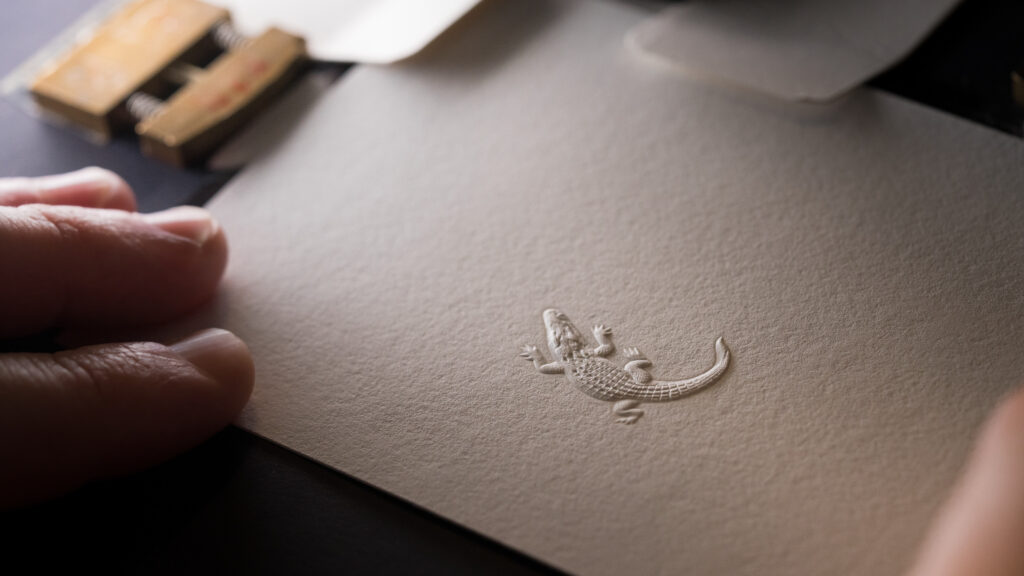
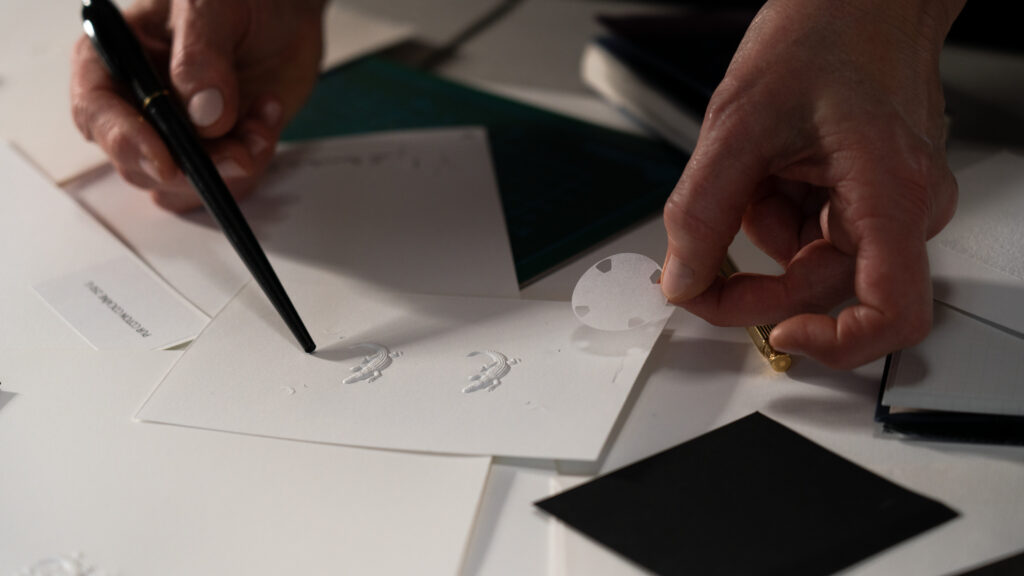
An all‑white crocodile appears carved from ice, yet is entirely made of cotton paper embossed, laser‑cut and layered to create subtle relief. Brass matrices heated to 60–70°C impressed scales and foliage into the paper, while careful layering produced depth without exceeding the dial’s height constraints. The crocodile nestles naturally between the four apertures, integrating the technical architecture into the composition.
Share this article

LEAVE A COMMENT
You must be logged in to post a comment.