

Piaget unveils Colours of Extraleganza High Jewellery collection – Chapter 1


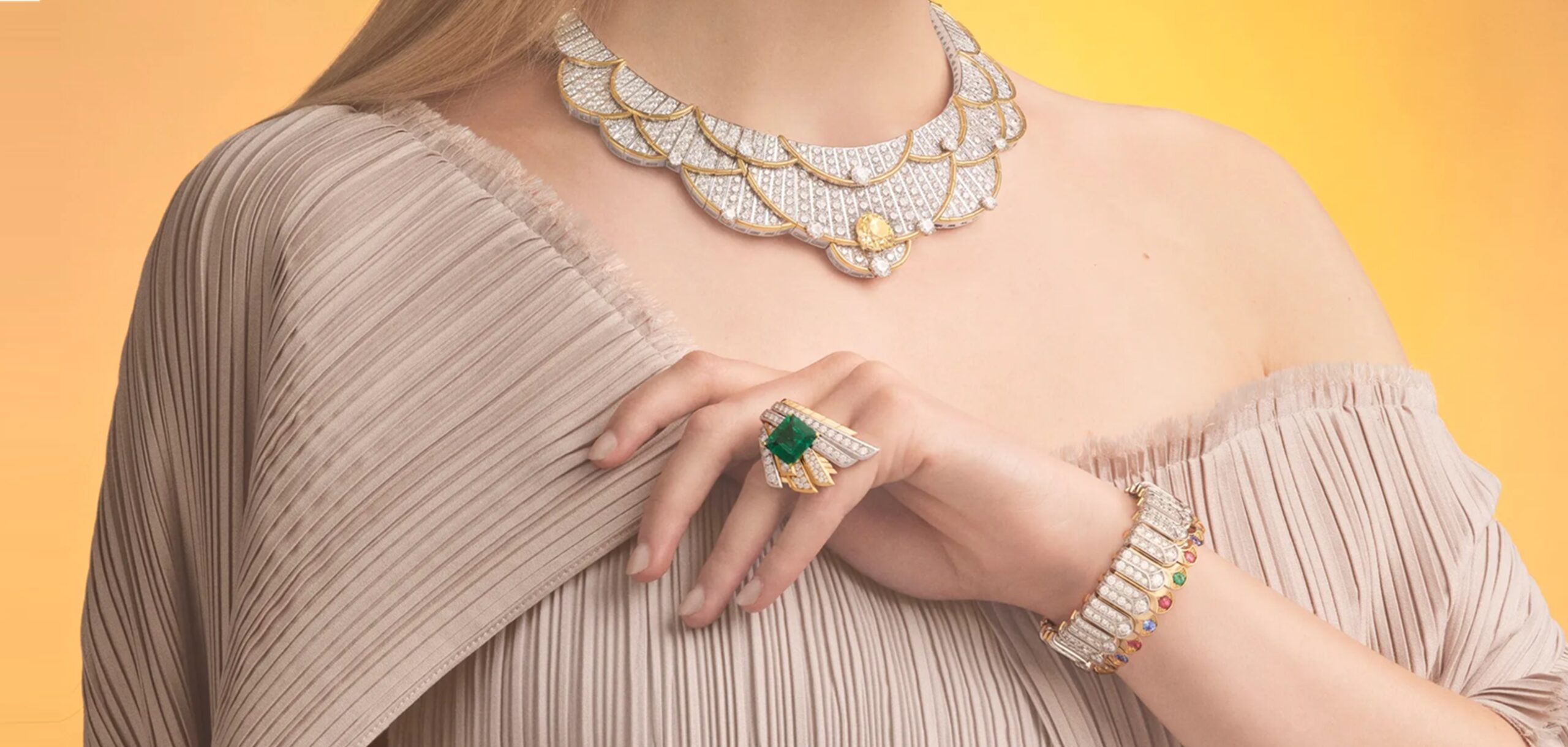
Piaget’s Colours of Extraleganza – Chapter 1 unfolds like a chromatic odyssey, a final, triumphant movement in a trilogy that has redefined the Maison’s High Jewellery identity. Rather than presenting colour as ornament, Piaget treats it as a living, breathing substance — a force that shapes form, dictates rhythm and infuses each creation with emotional resonance. The collection’s sixty‑five pieces feel like a culmination of decades of daring experimentation, yet they also radiate the freshness of a new beginning, as if Piaget has distilled its entire artistic heritage into a single, exuberant gesture.
From its earliest days in La Côte‑aux‑Fées, Piaget has been a house where innovation and artistry have always intertwined. Georges‑Edouard Piaget’s devotion to precision movements laid the foundation for a brand that would later revolutionize watchmaking with the ultra‑thin calibre 9P. That breakthrough in 1957 did more than change the mechanics of timekeeping; it opened a door to colour. With space freed on the dial, Piaget began adorning its watches with hard stones in vivid hues, transforming timepieces into miniature canvases. This chromatic audacity became a signature of the Maison, and it is this spirit that animates Colours of Extraleganza.
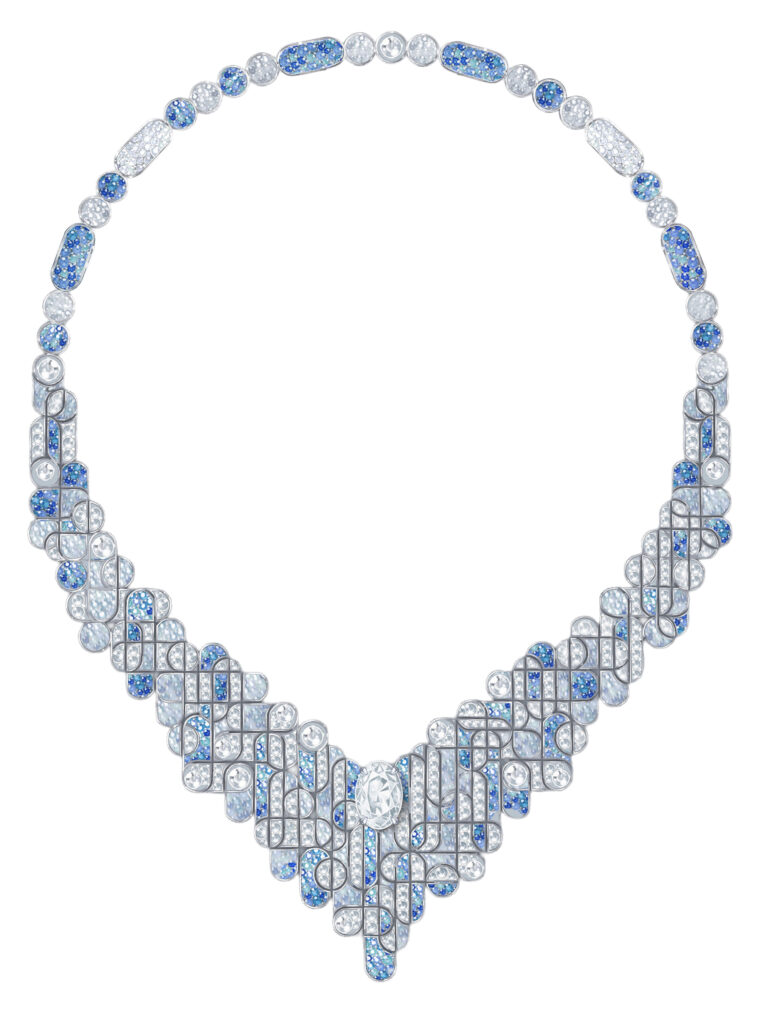
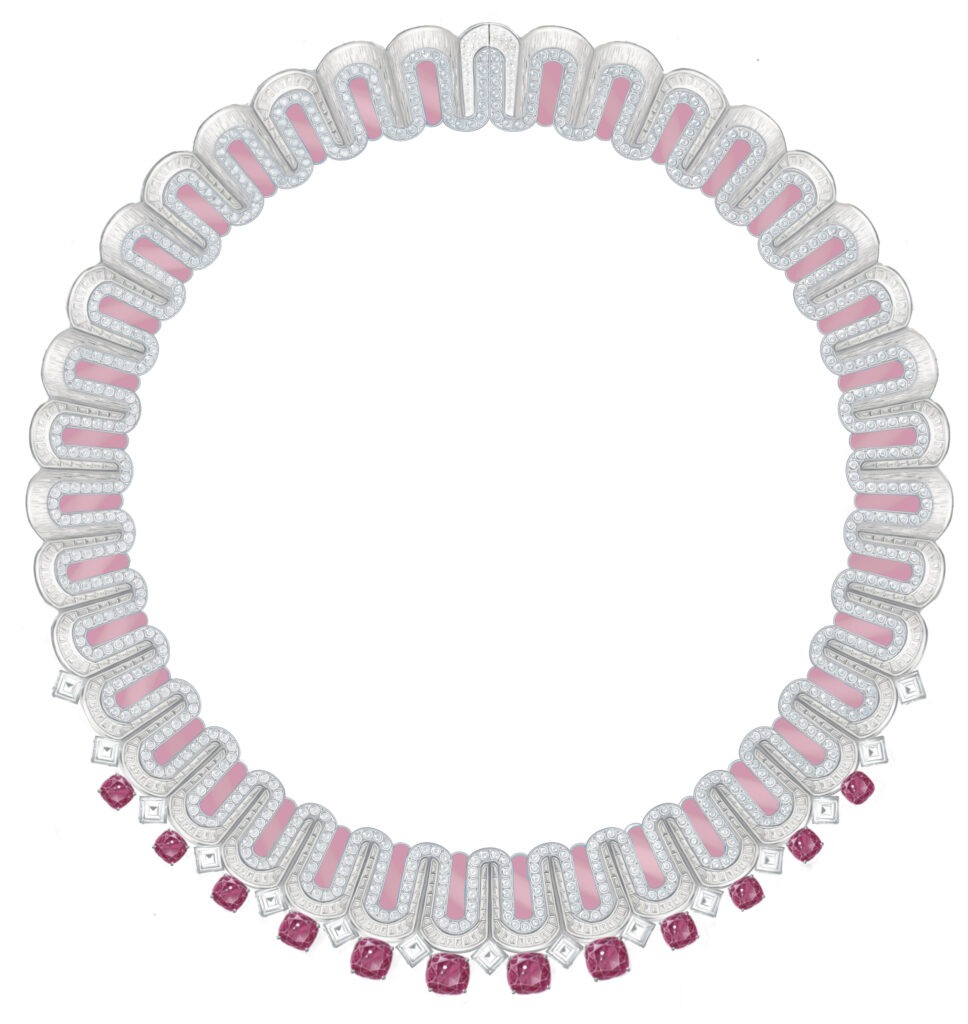
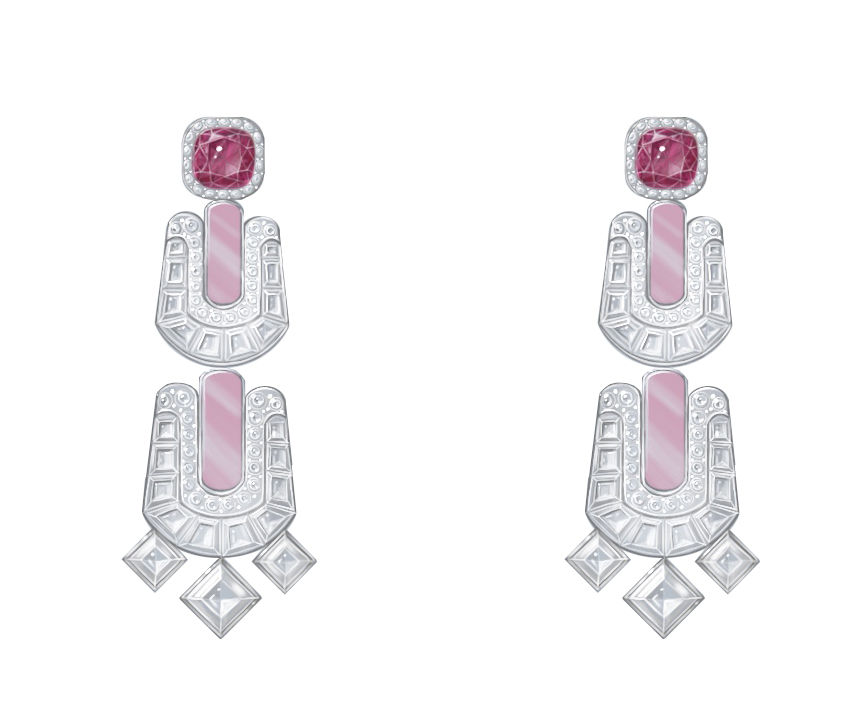
In this new chapter, colour is not applied sparingly or symbolically. It is explored in all its depth, texture and expressive potential. Piaget’s artisans treat gemstones as pigments, each chosen not only for rarity but for the energy it radiates. Stéphanie Sivrière, the Maison’s artistic director, describes focusing on the chromatic power of stones — their presence, their emotional charge, the way they transform when placed in dialogue with others. A black opal with electric green flashes becomes even more hypnotic when paired with ultramarine sapphires; mother‑of‑pearl reveals unexpected pink undertones when set beside sapphires of a similar hue. Gold, long a cornerstone of Piaget’s aesthetic, is elevated to the status of colour as well. Its warm glow becomes a medium for sculpting light, amplifying contrasts and creating a dynamic interplay between metal and stone.
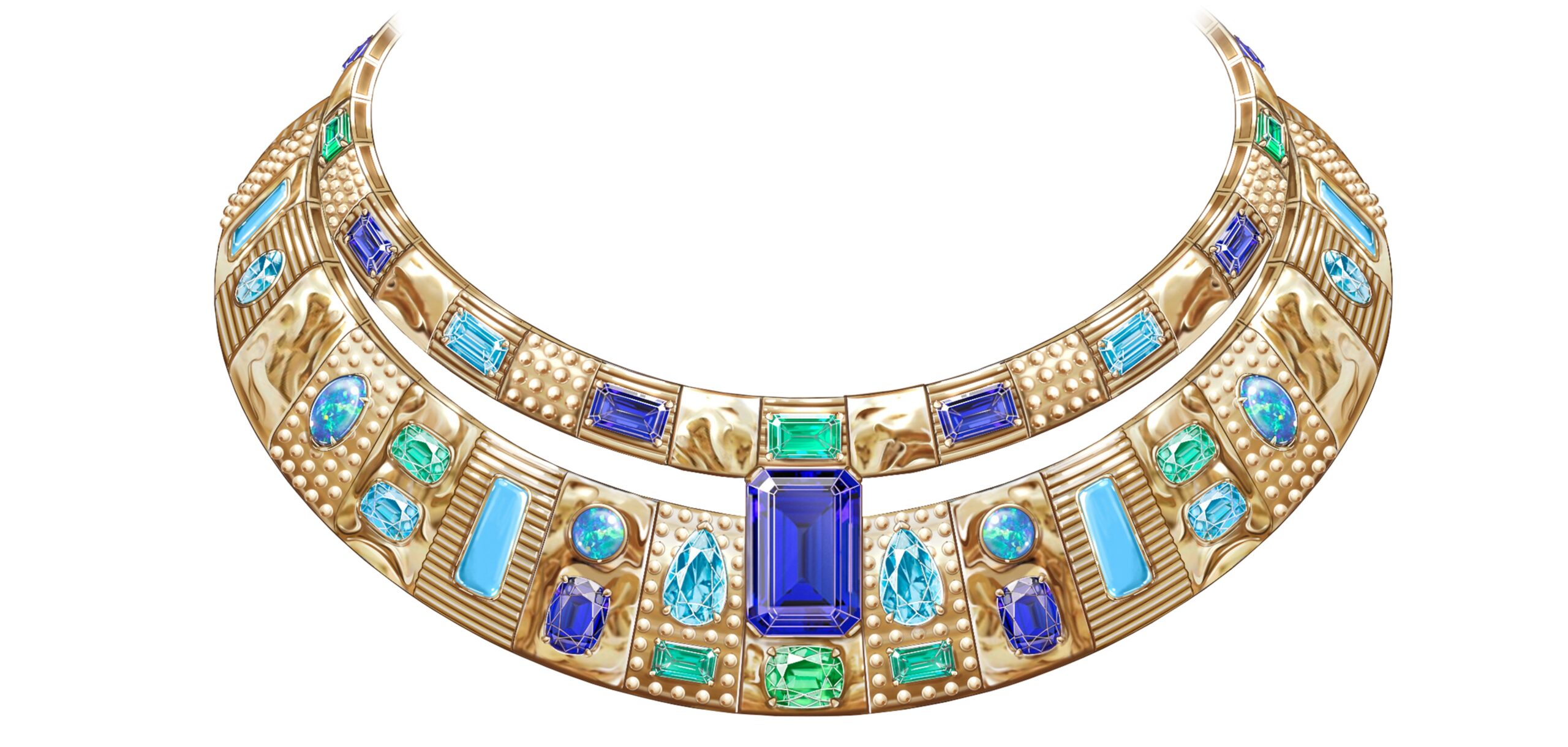
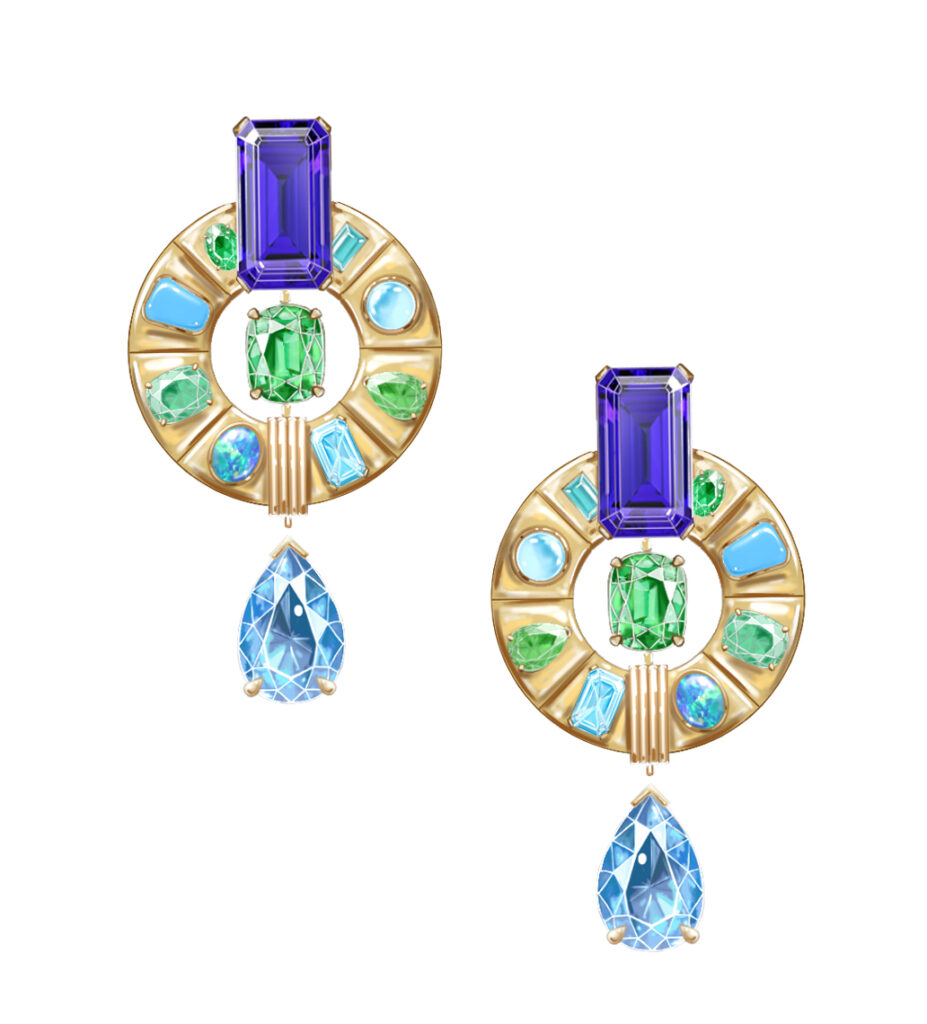
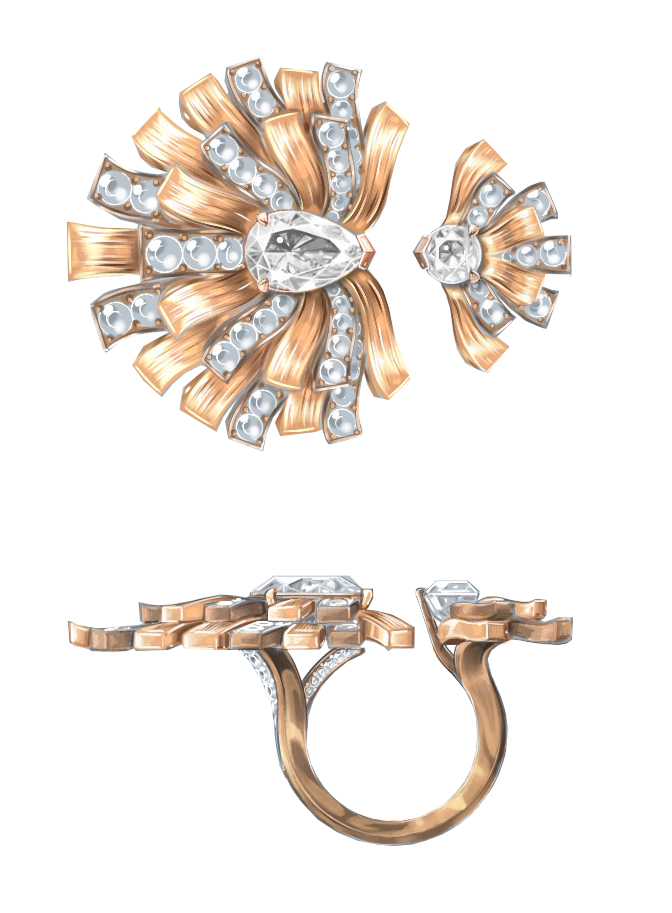
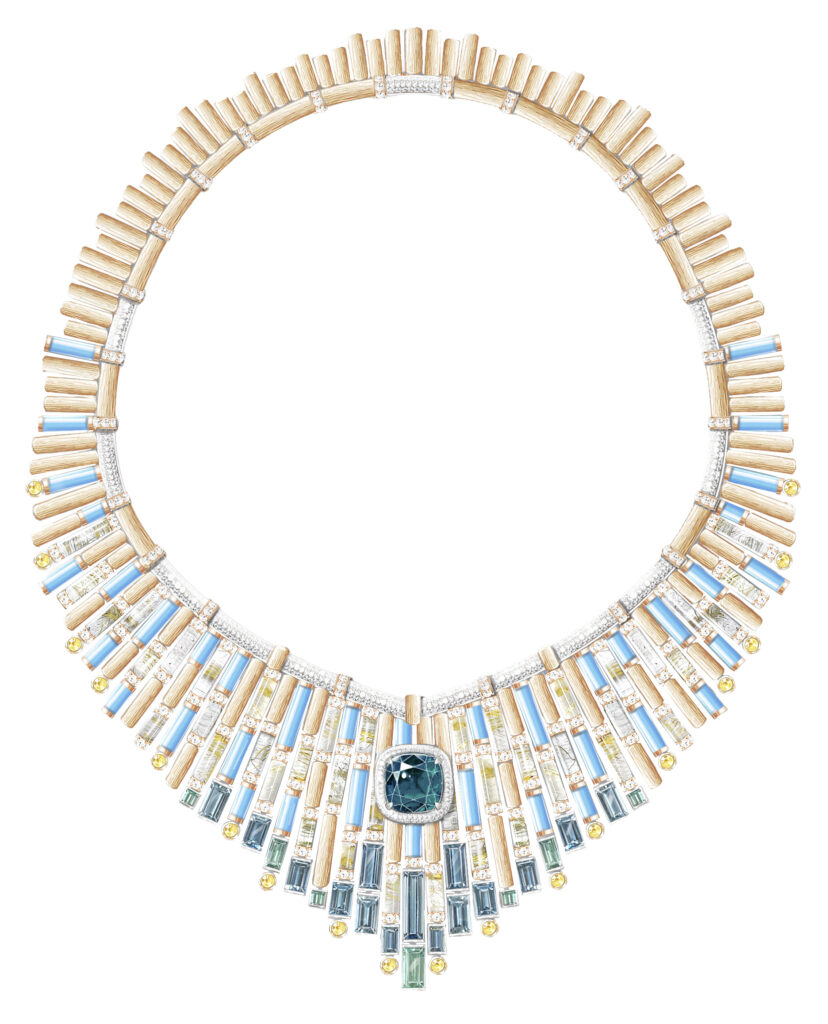
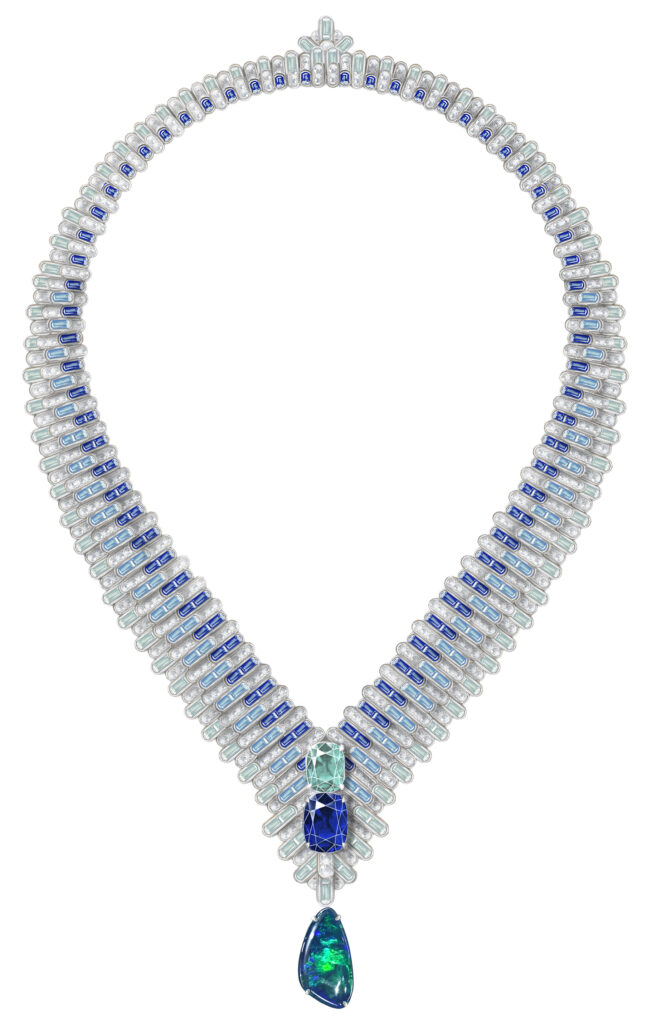
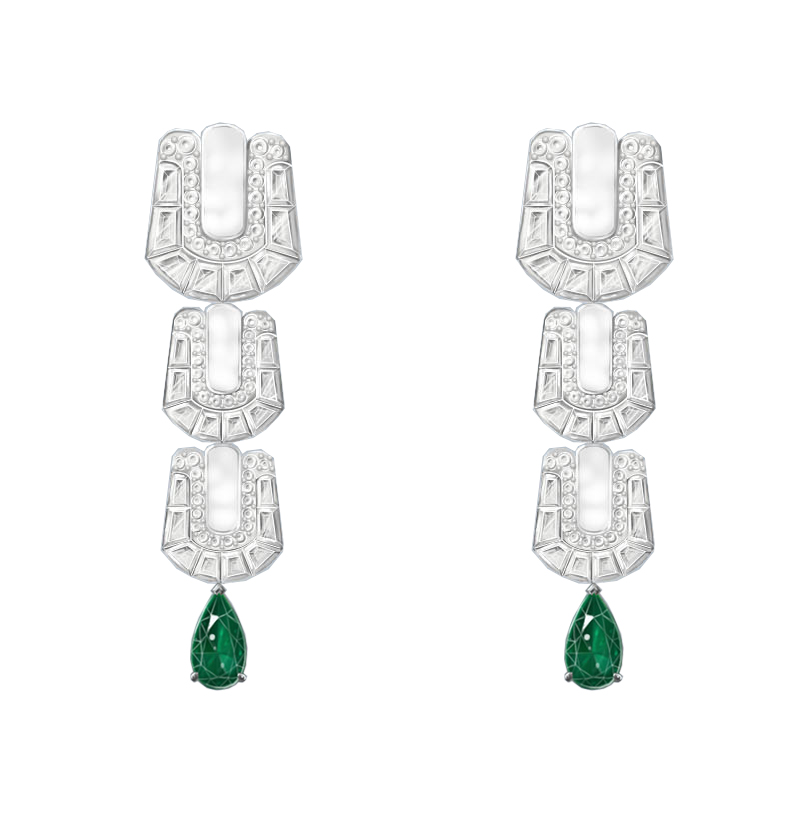
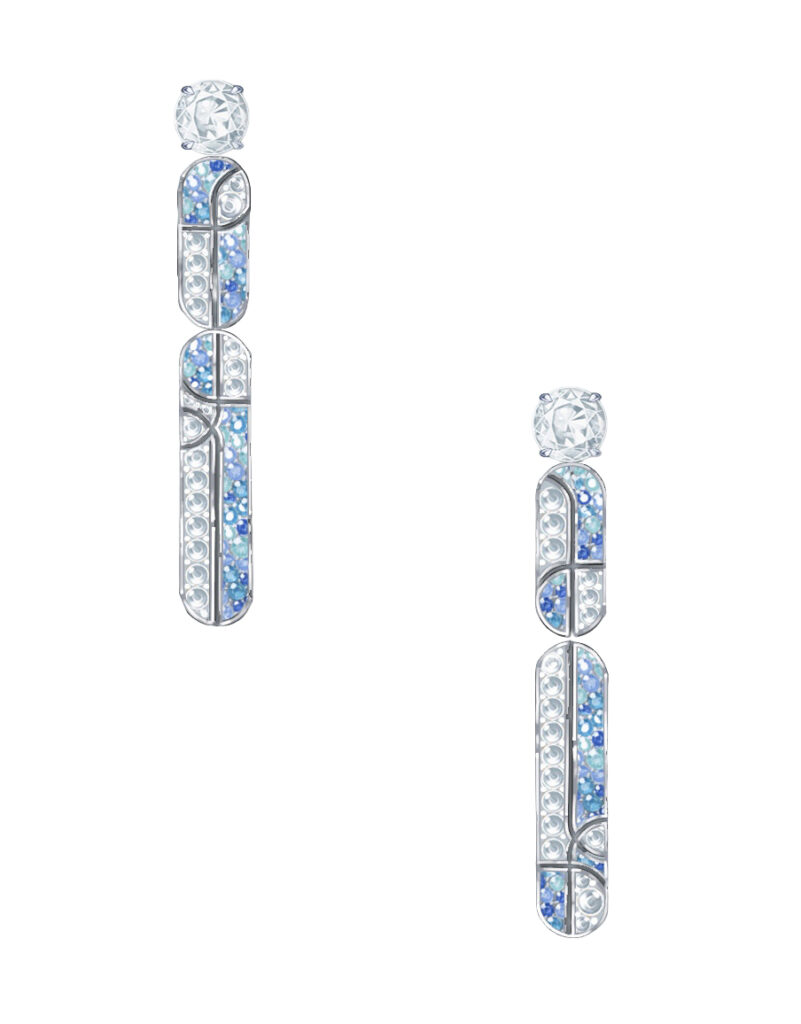
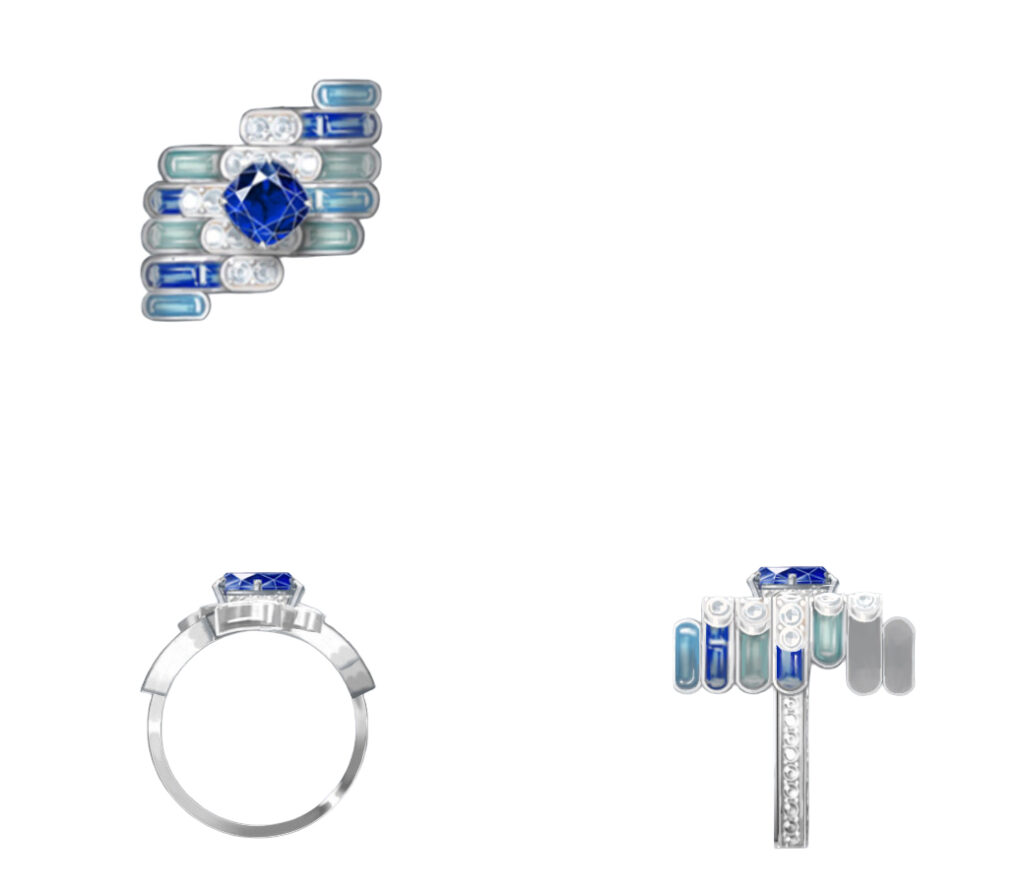
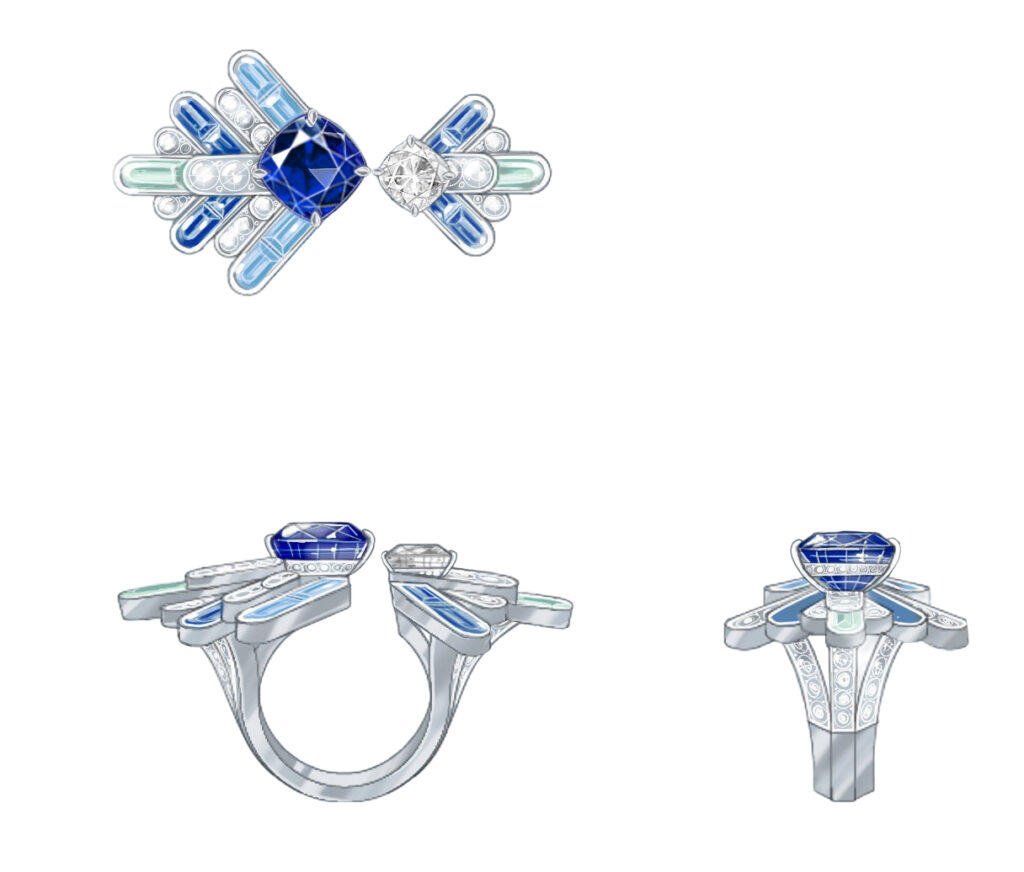
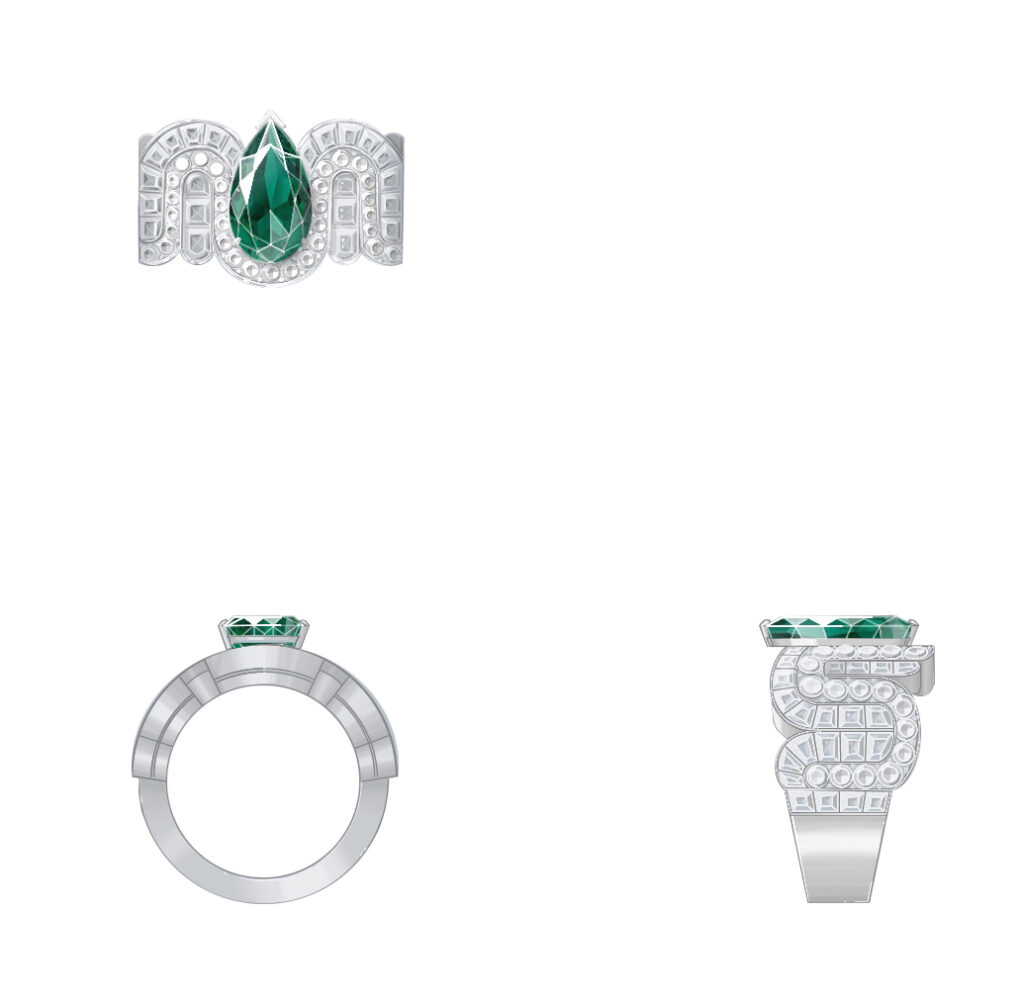
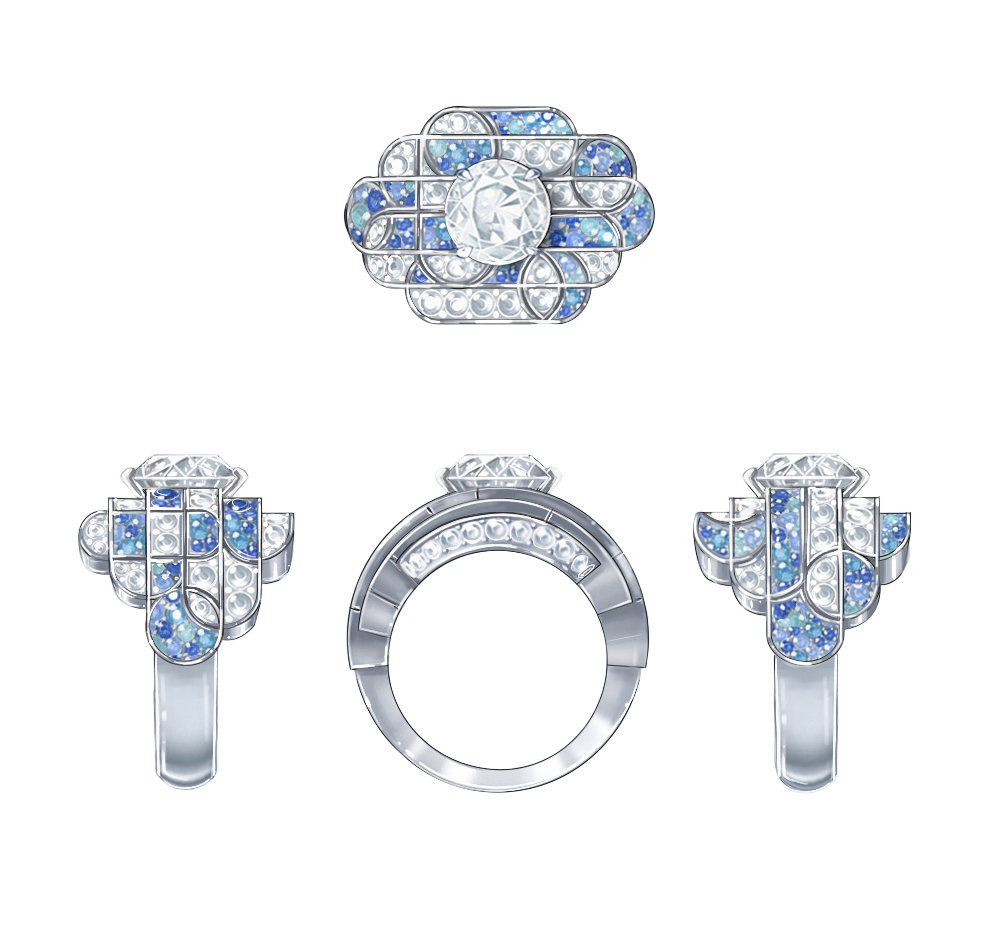
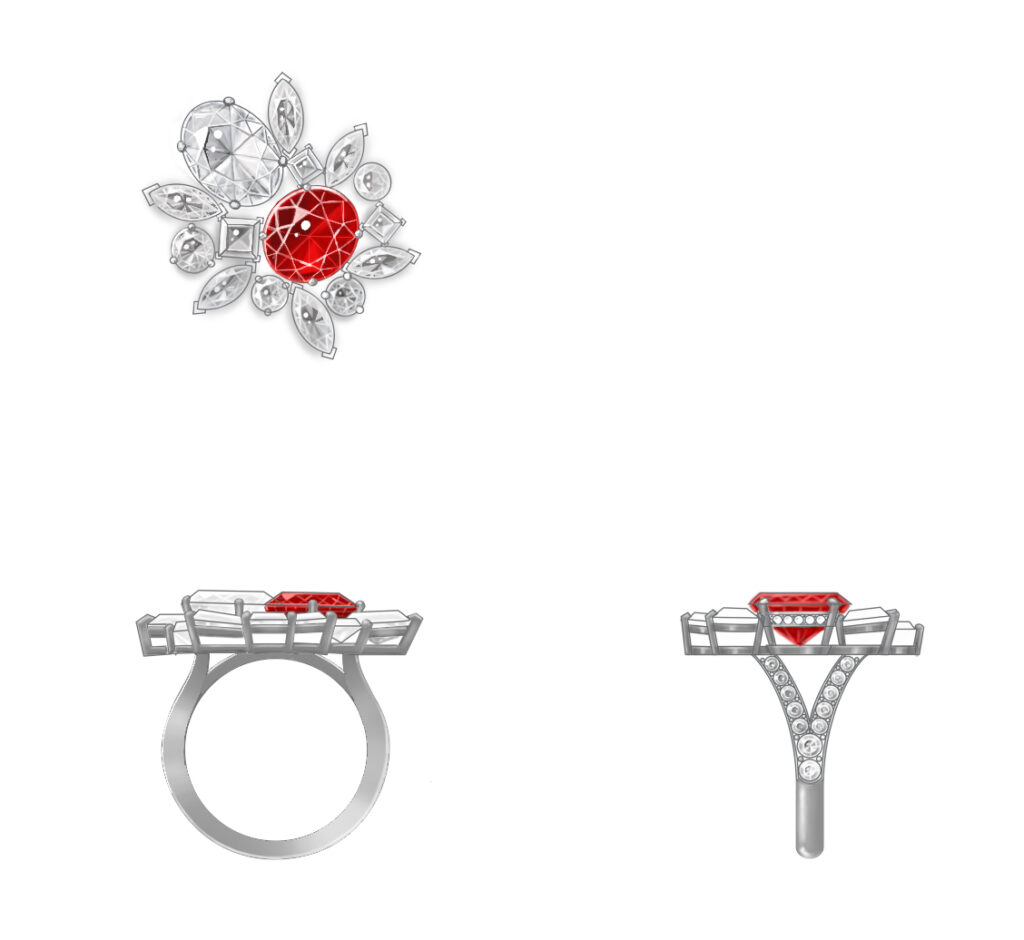
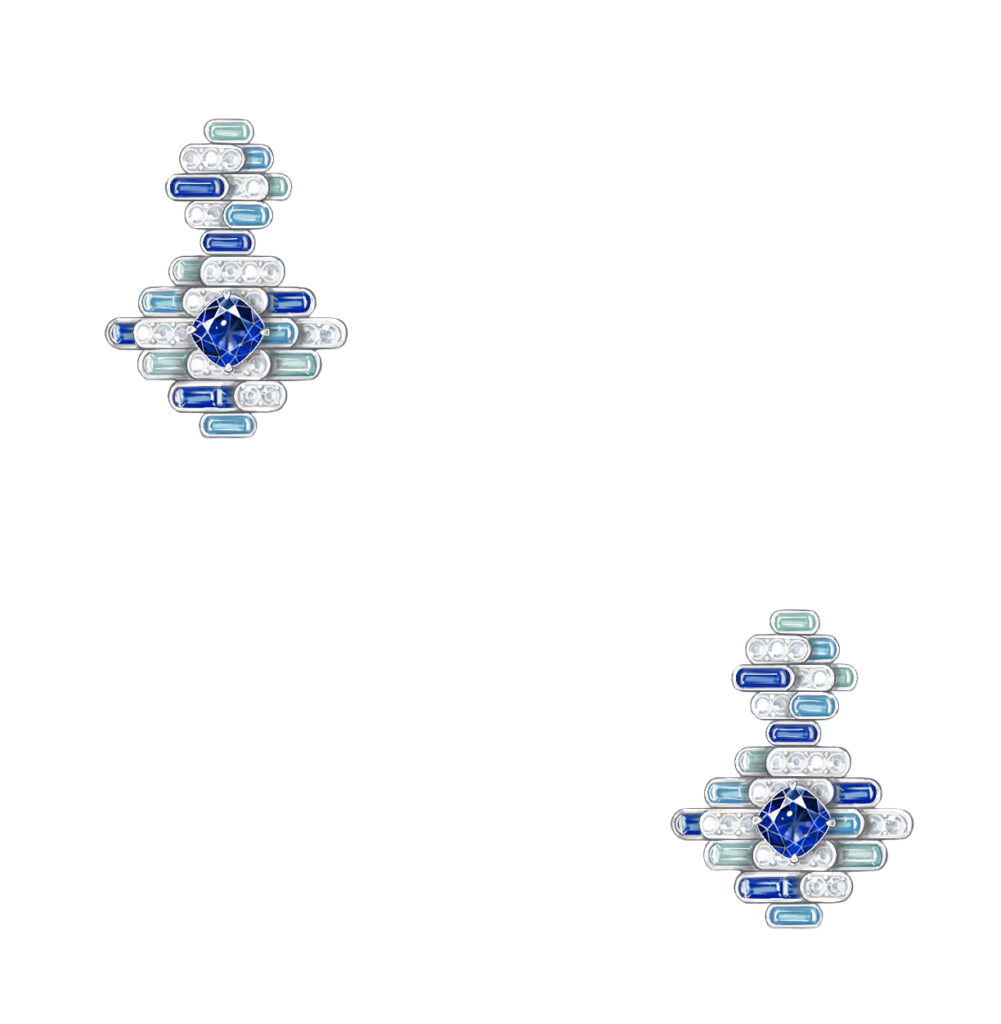
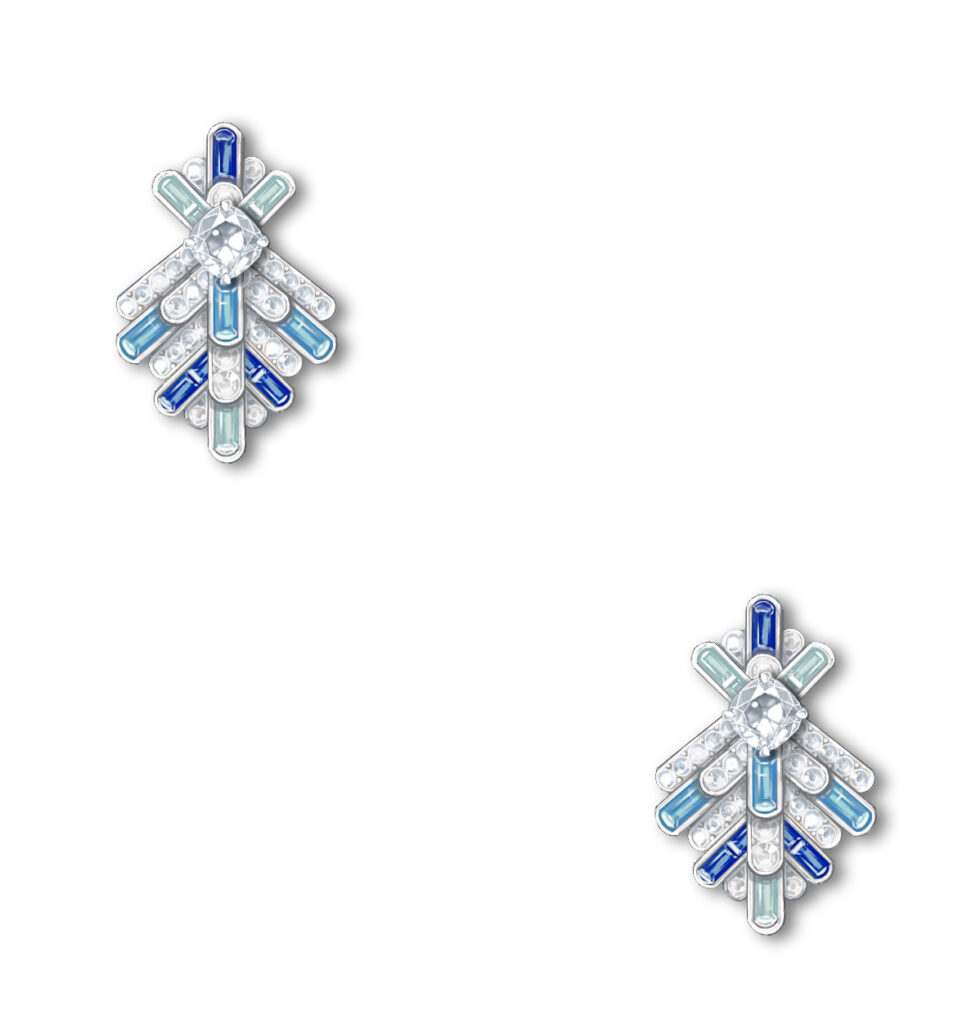
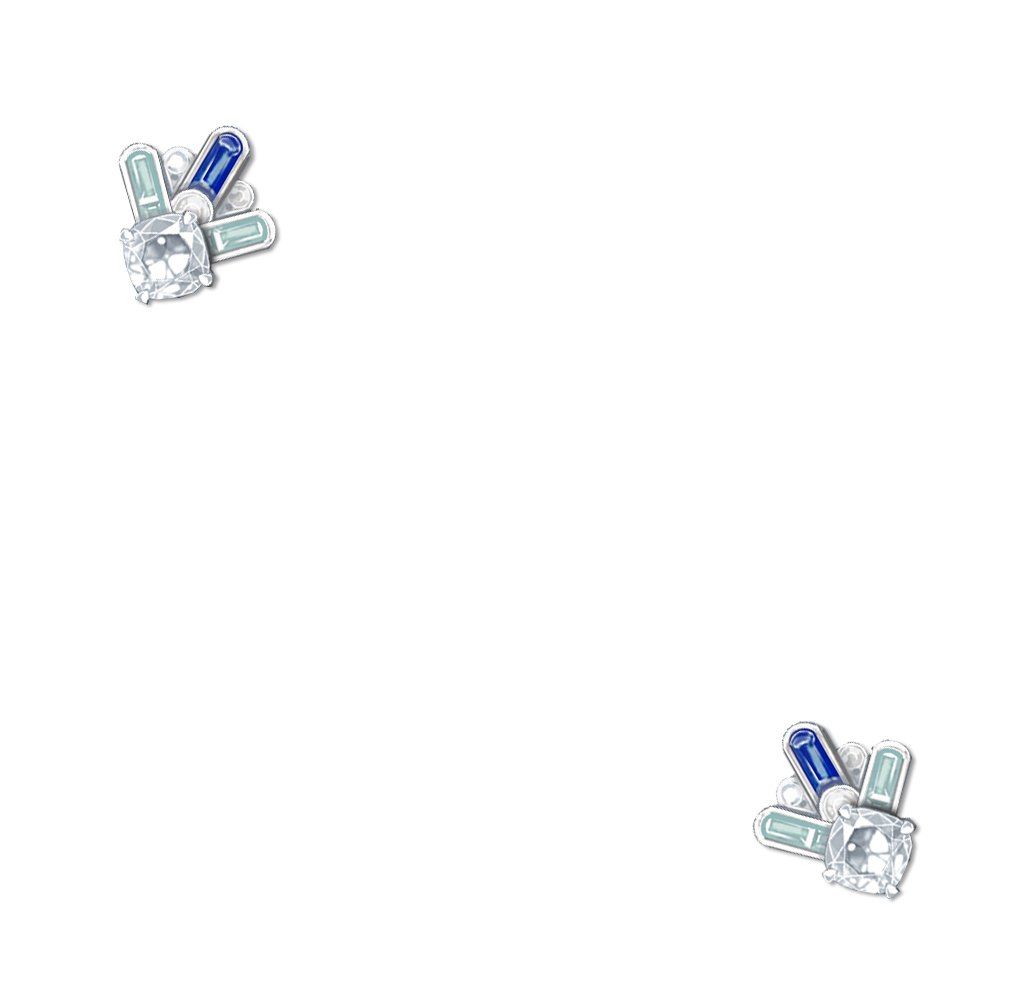
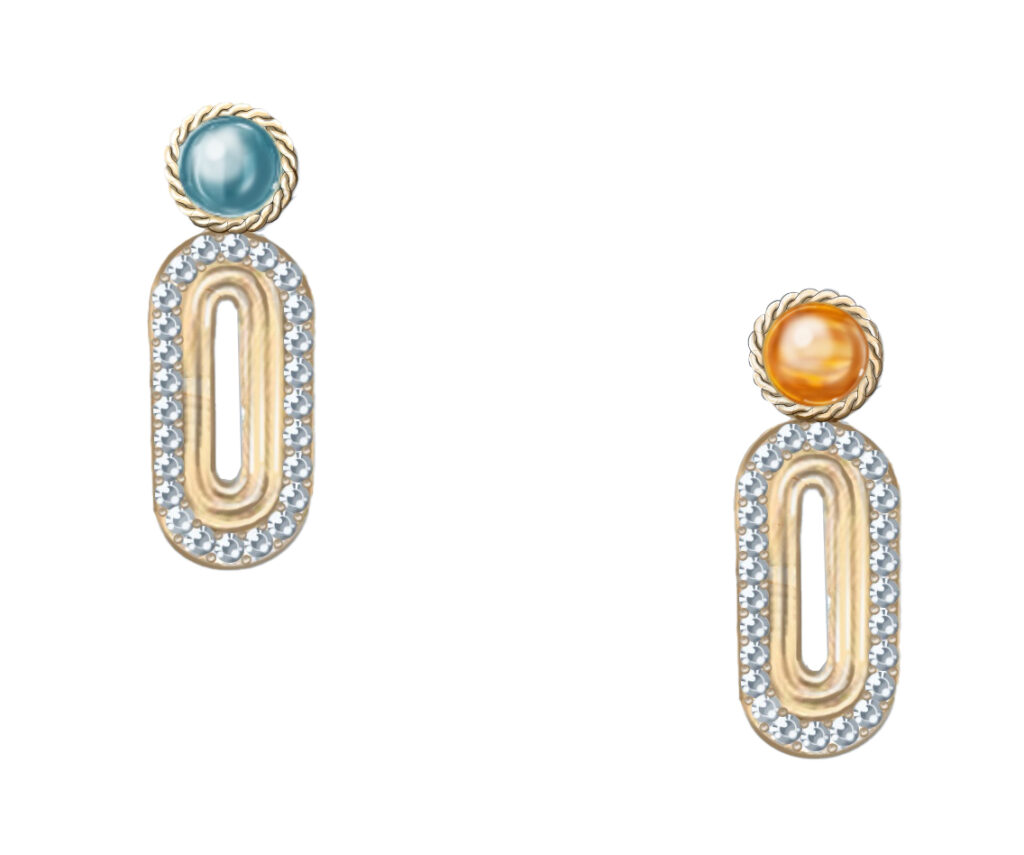
This philosophy reaches its most spectacular expression in the Blue Illusions necklace, a masterpiece that required nearly nine hundred hours of work. At its centre, an 8.52‑carat Madagascan sapphire, a 3.30‑carat Paraíba tourmaline and a 13.98‑carat black opal form a chromatic triad of extraordinary intensity. Their blues and greens seem to ripple outward through a mosaic of custom‑cut sapphires, tourmalines and diamonds arranged in a geometric pattern that captures and refracts light with hypnotic precision. The necklace is accompanied by a ring set with a nearly five‑carat Sri Lankan sapphire and two pairs of earrings that echo the same luminous palette, creating a complete ensemble that feels both architectural and fluid.
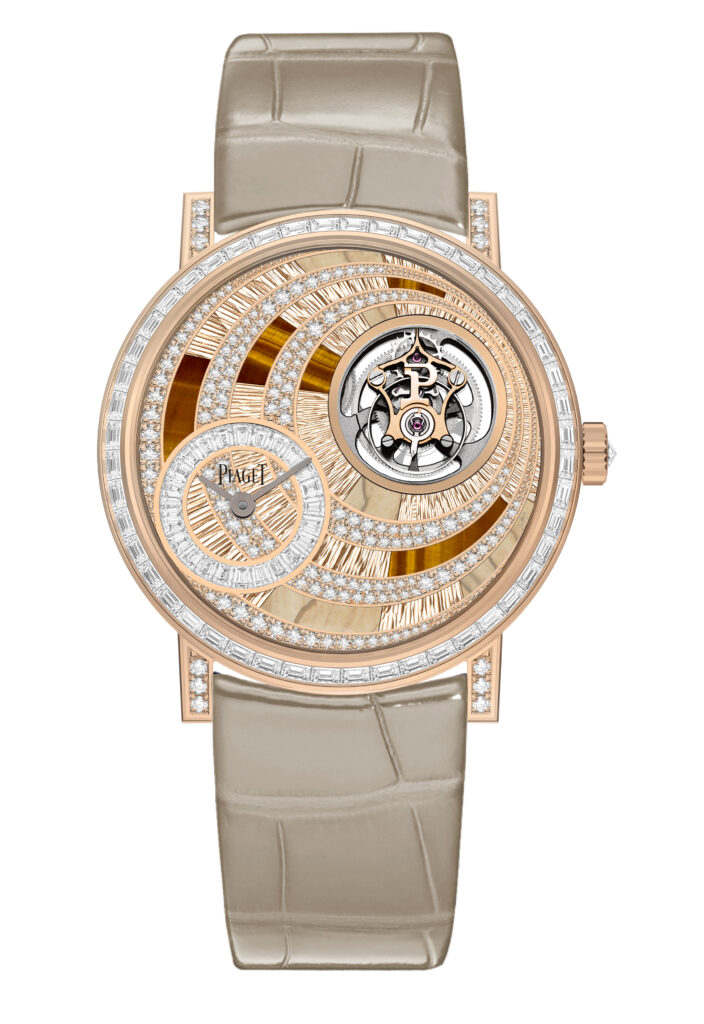
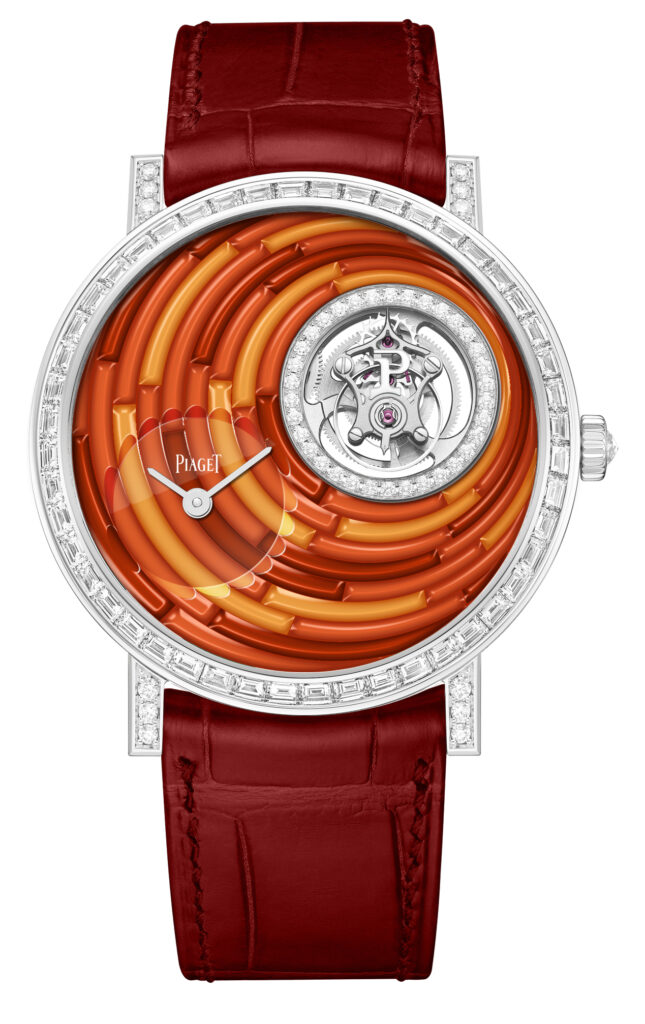
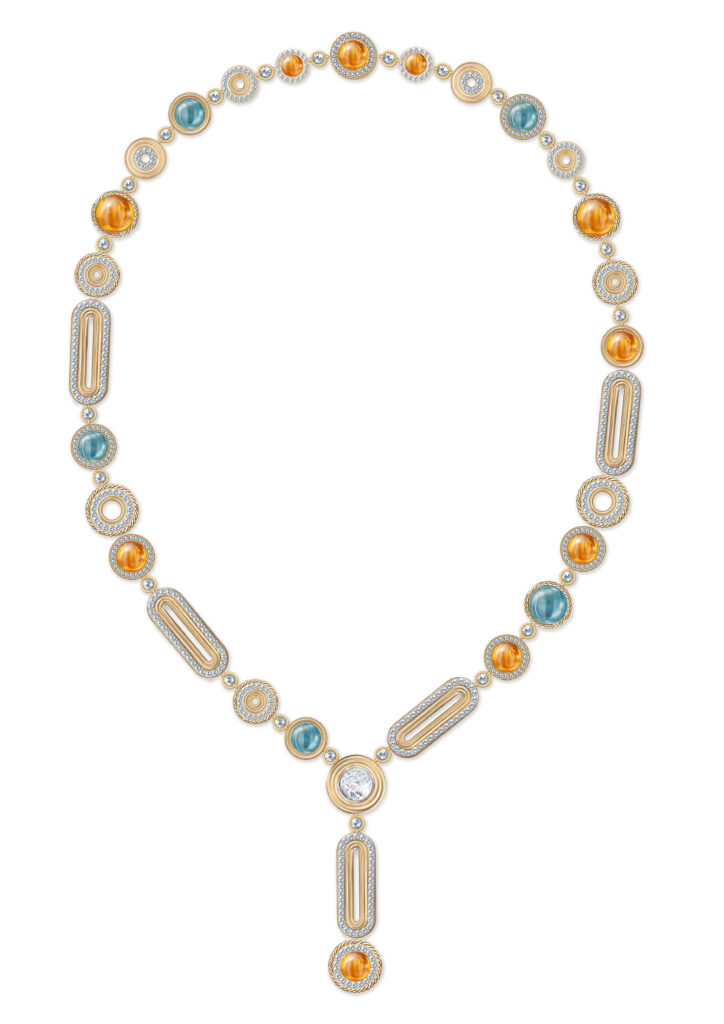
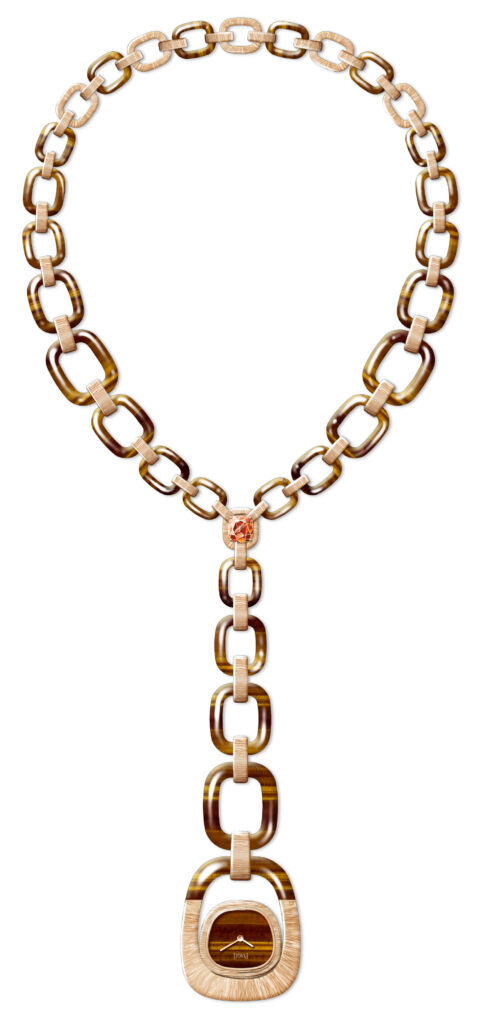
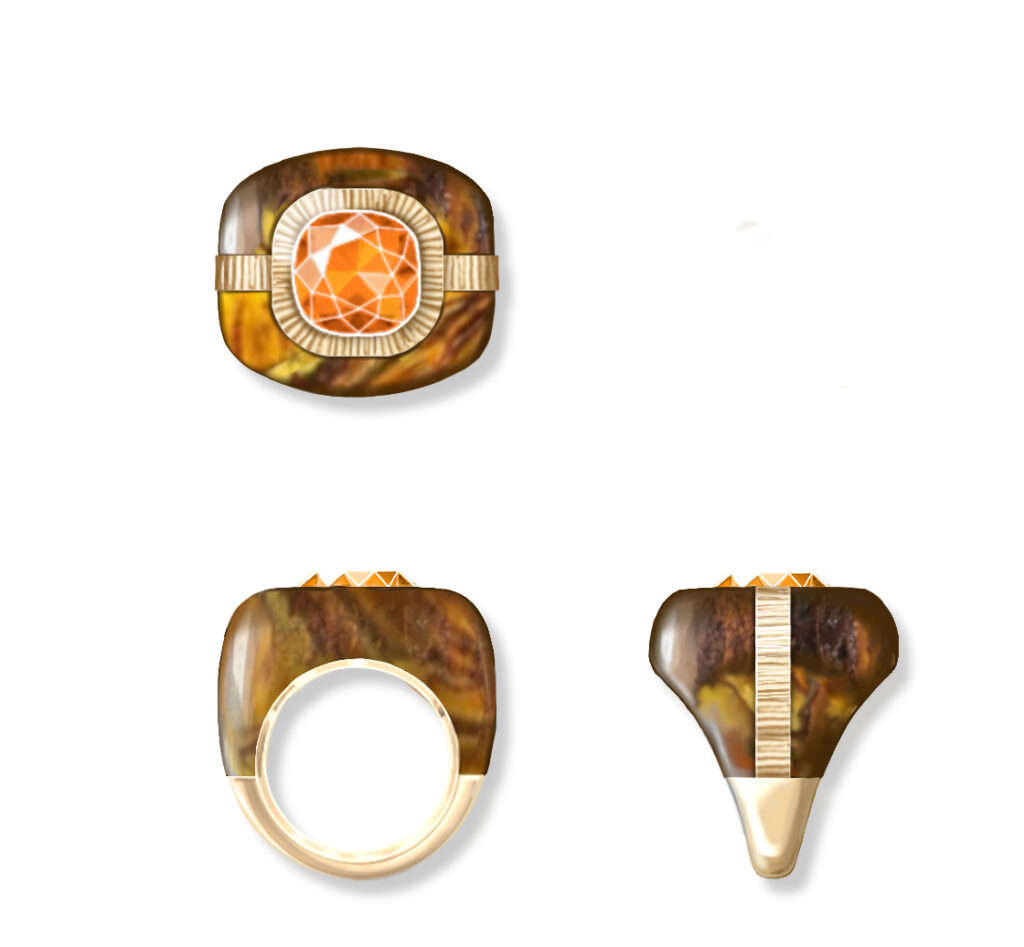
The collection also revives one of Piaget’s most iconic creations: the sautoir timepiece introduced in 1969. In this new interpretation, part of the Flamboyant Links series, the Maison returns to a technique it has not used since the 1970s — combining gold links with ornamental stone. Here, tiger’s eye is inlaid into rose‑gold links, its silky striations catching the light with every movement. A 4.13‑carat mandarin garnet crowns the pendant watch, which can be worn as a sautoir, a choker or a wristwatch. The accompanying ring, set with a 6.42‑carat cushion‑cut mandarin garnet, and the matching earrings, each featuring a perfectly paired 3.04‑carat stone, extend the warm, fiery chromatic theme.
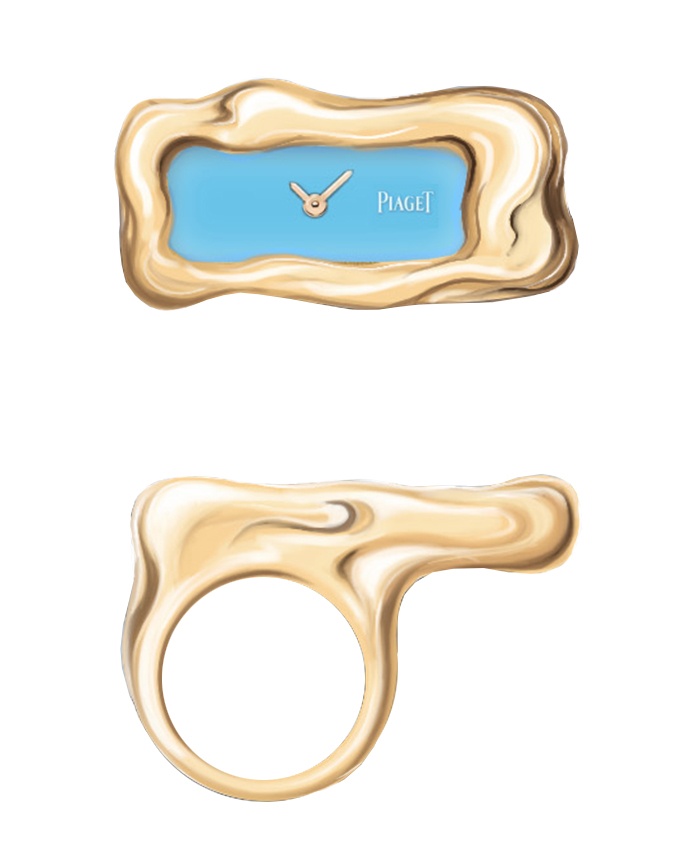
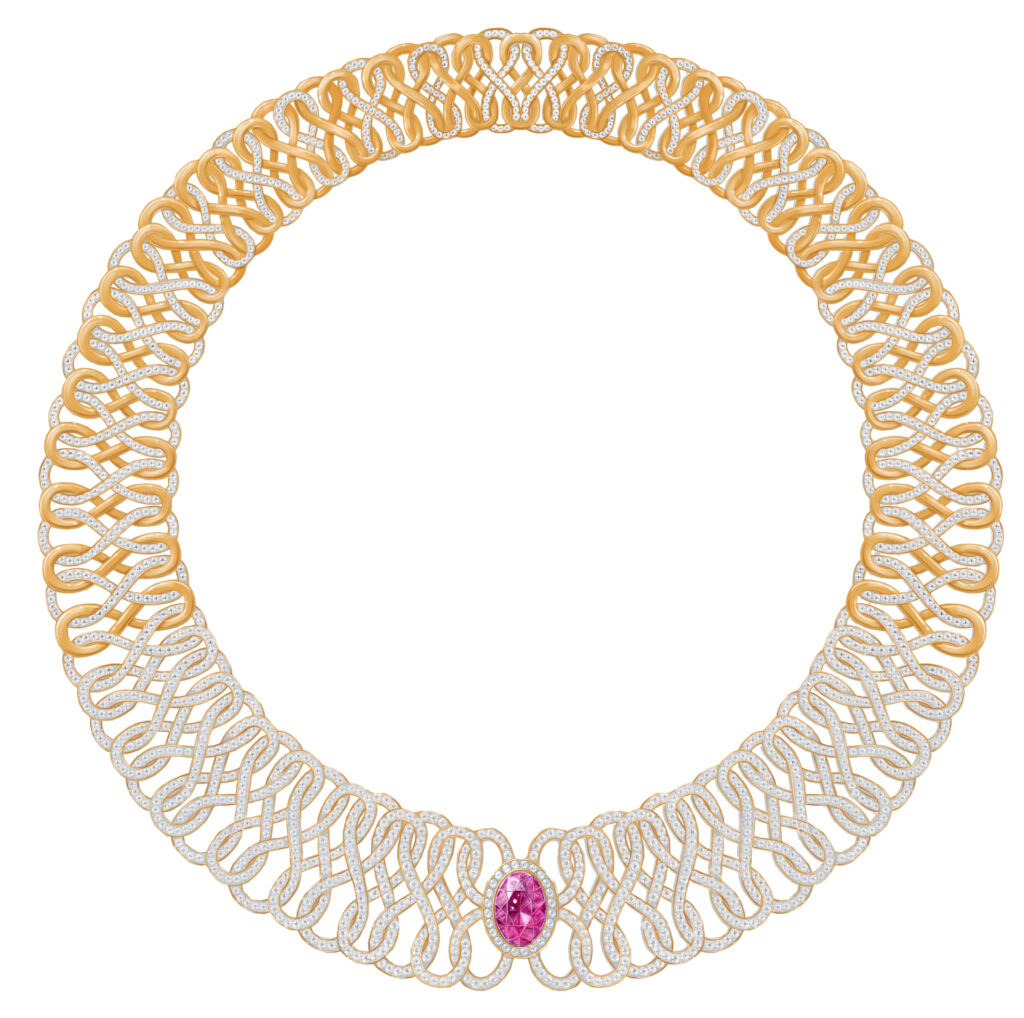
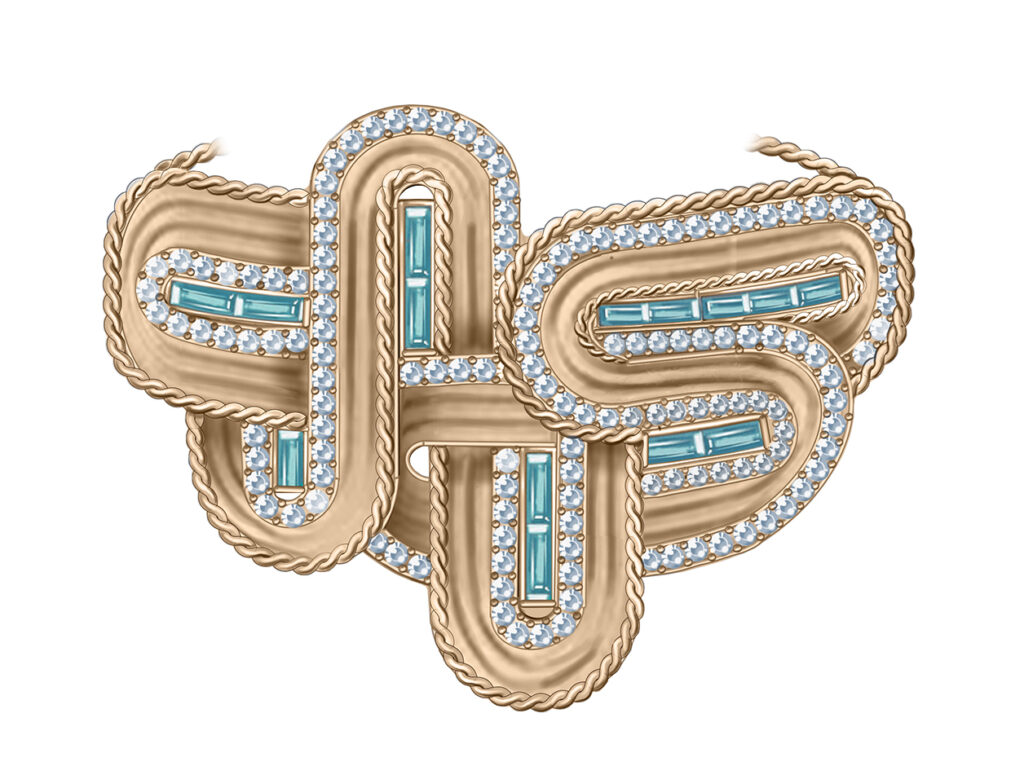
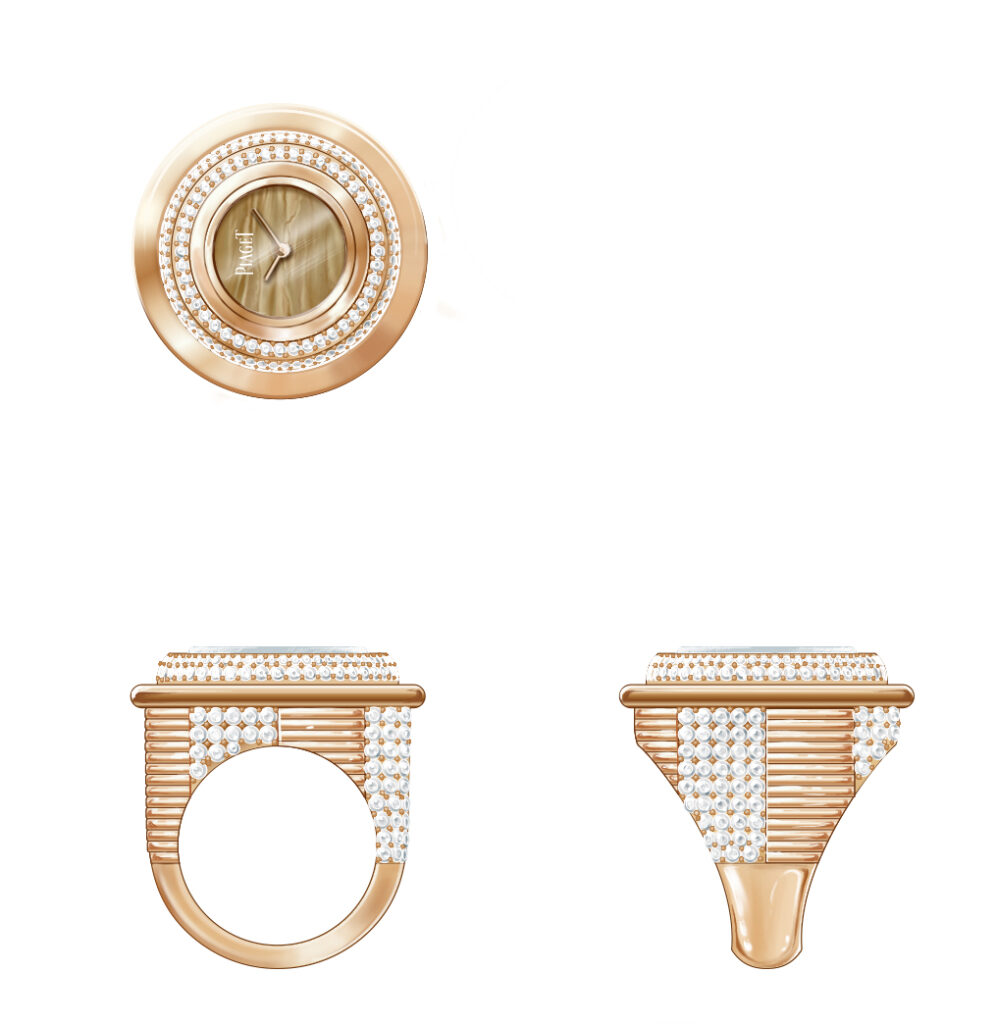
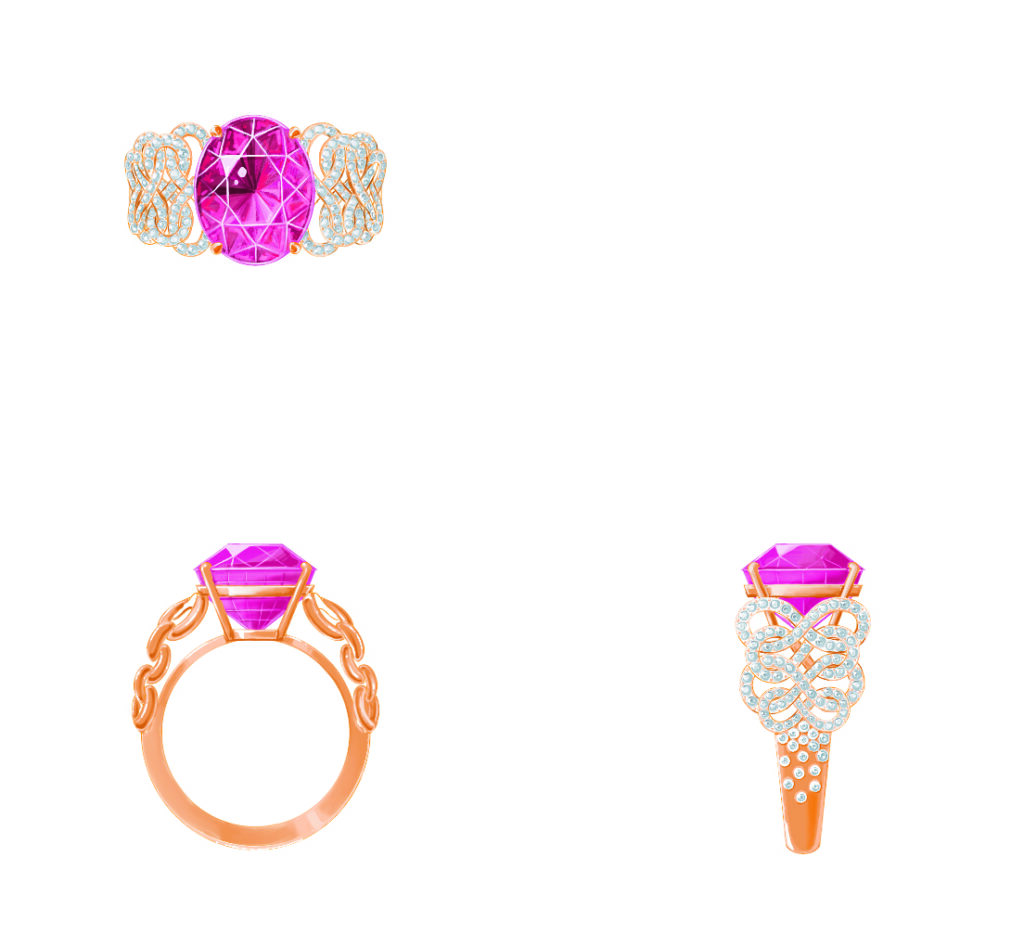
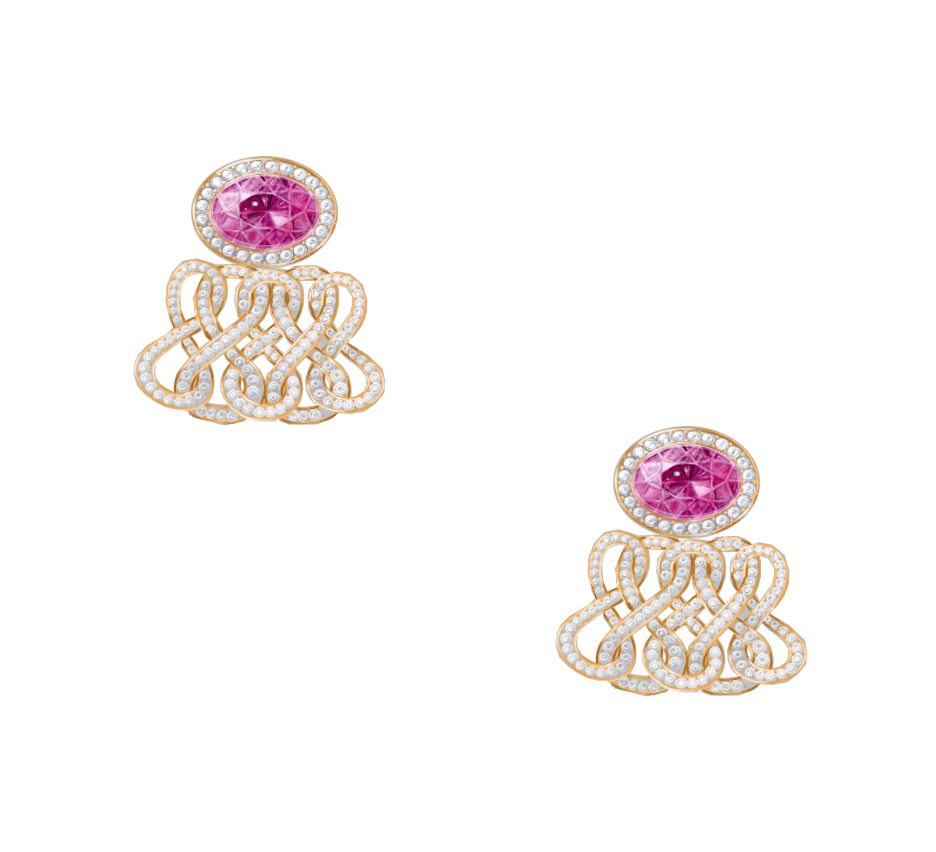
Piaget’s mastery of goldwork takes centre stage in the Gold Swirl collection, a four‑piece ensemble inspired by the sensual curves of the 1970s. The cuff bracelet is a sculptural marvel, its interlaced rose‑gold ribbons intertwined with blue‑green baguette‑cut tourmalines that add volume and texture. For the first time, the Maison introduces rose‑gold fluting — a hallmark of its watchmaking heritage — into a High Jewellery set. This detail appears on a necklace adorned with fire‑opal cabochons and indicolite tourmalines, concealing at its centre a dial paved entirely with diamonds. The result is a piece that merges Piaget’s dual identities as jeweller and watchmaker with seamless elegance.
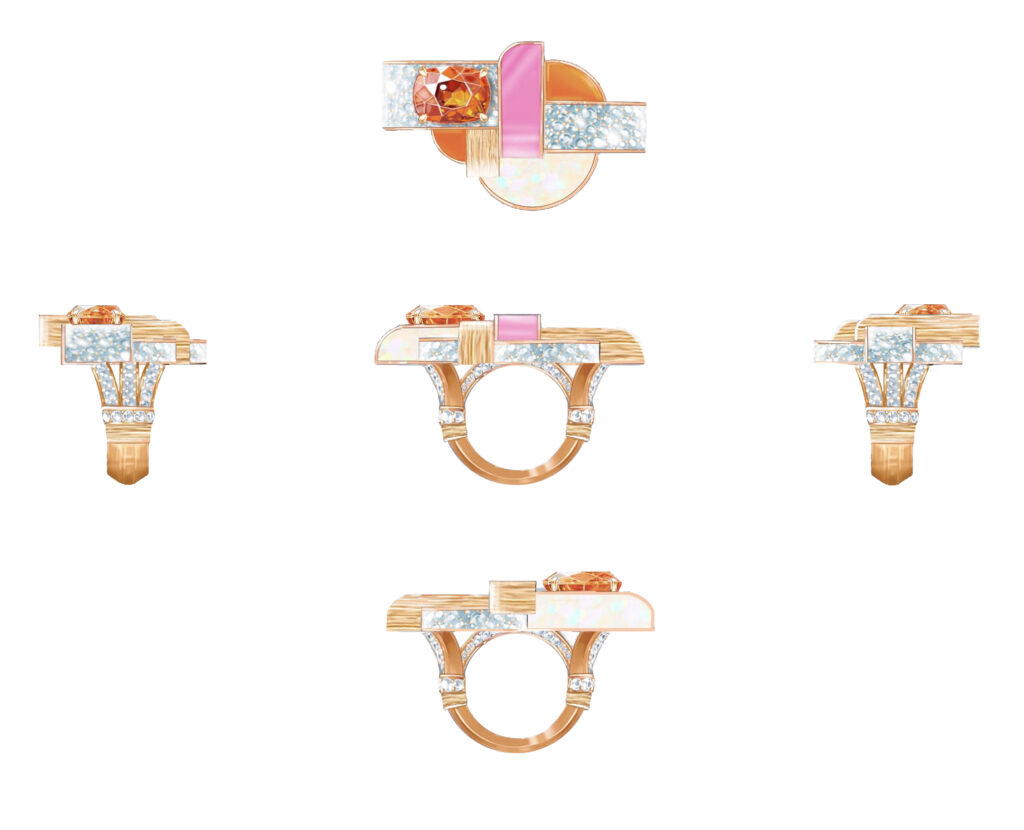
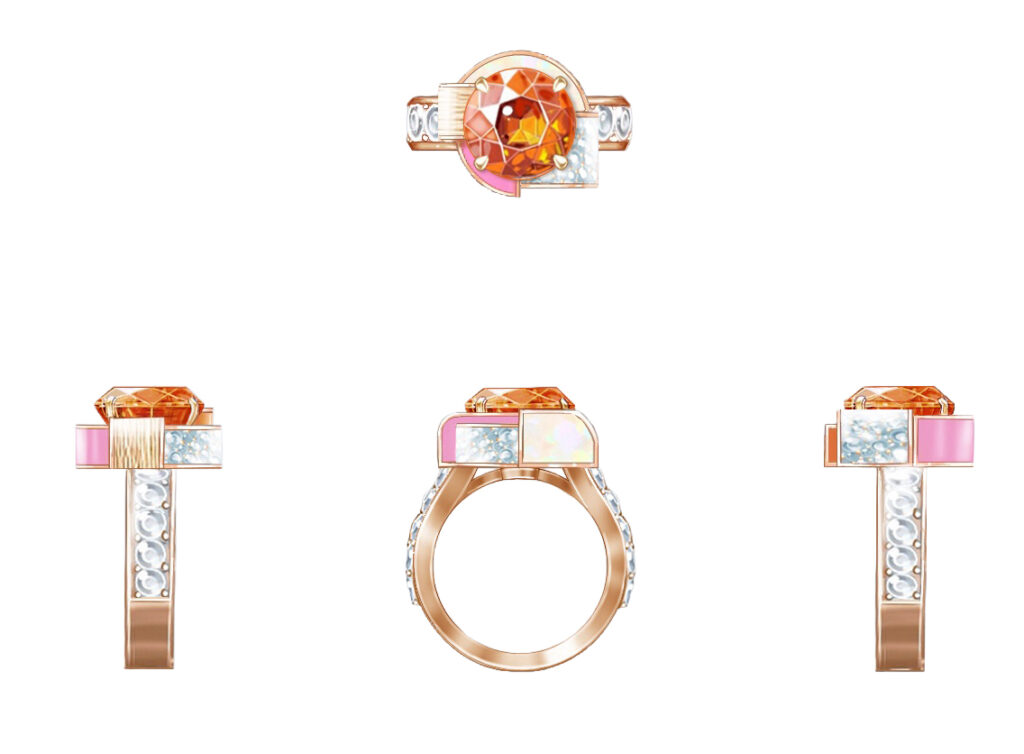
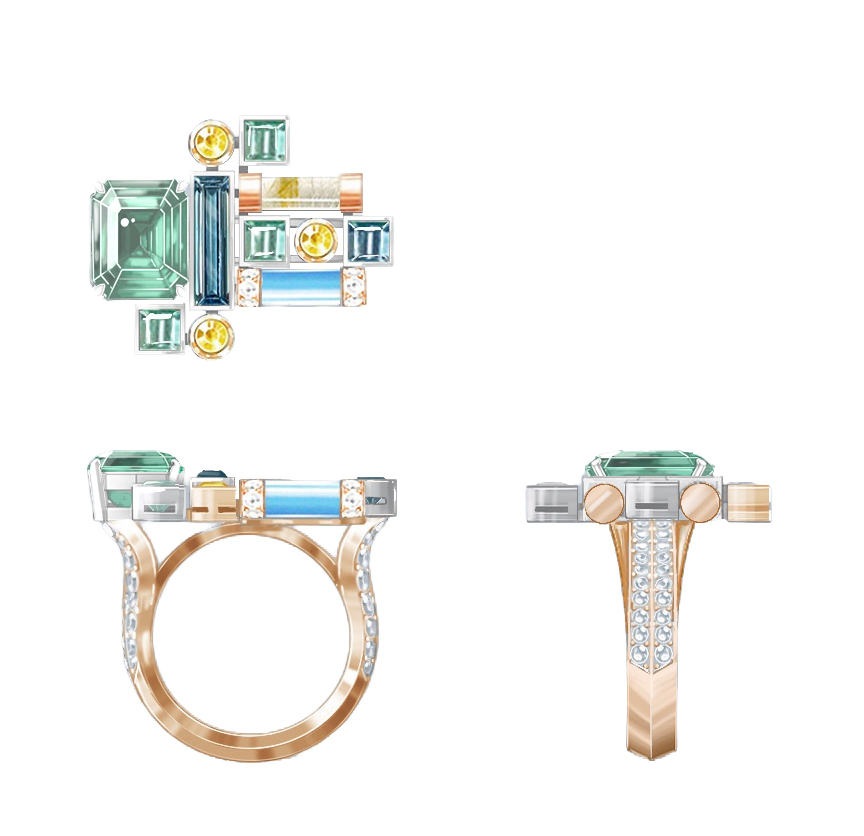
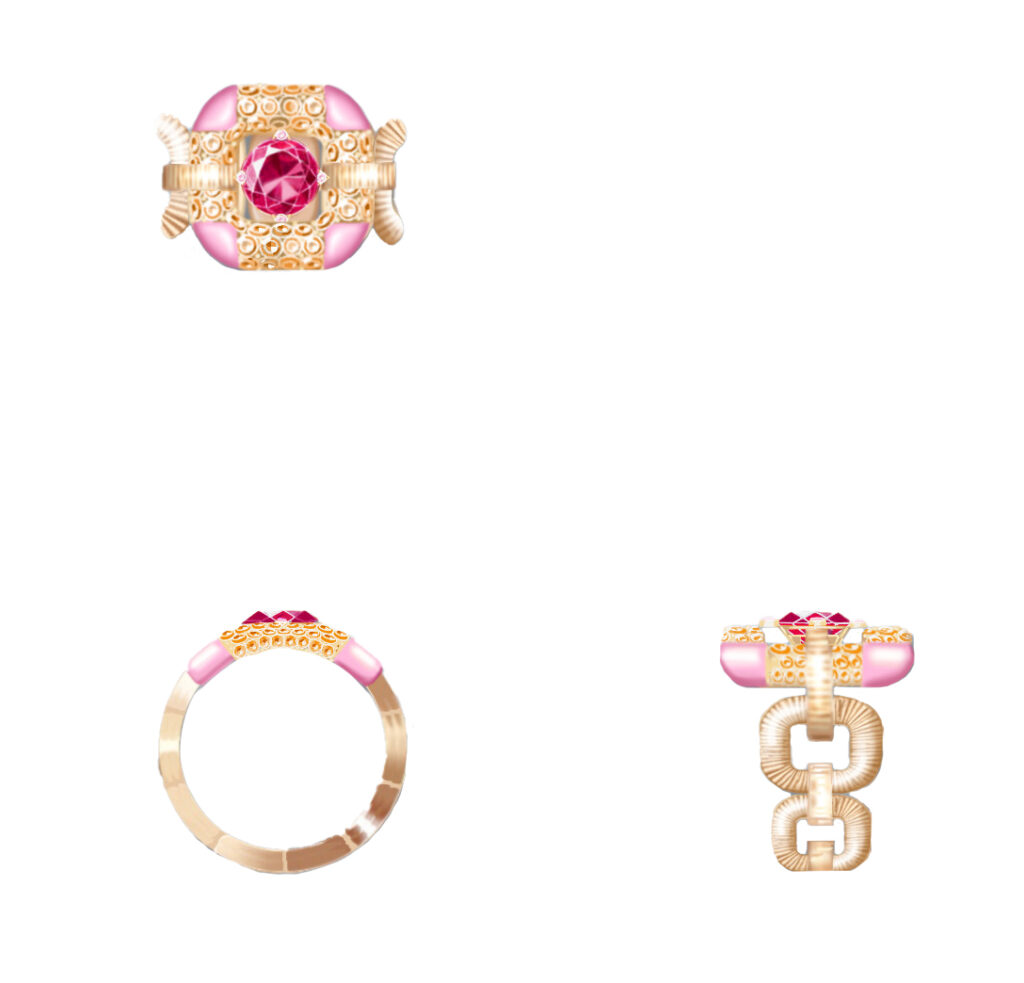
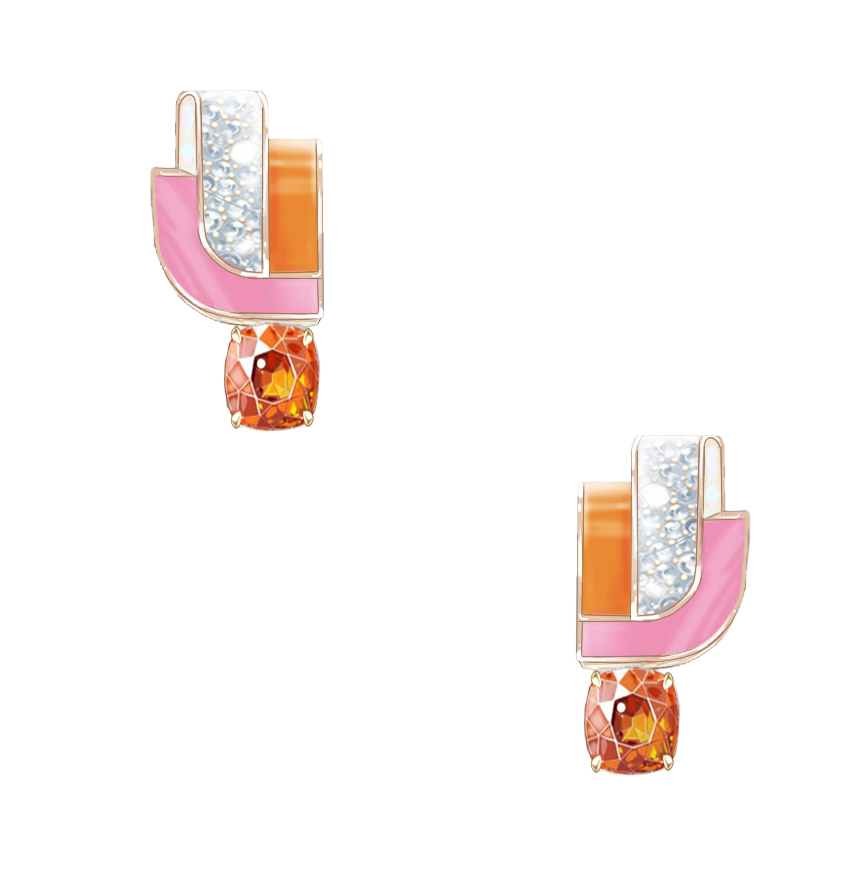
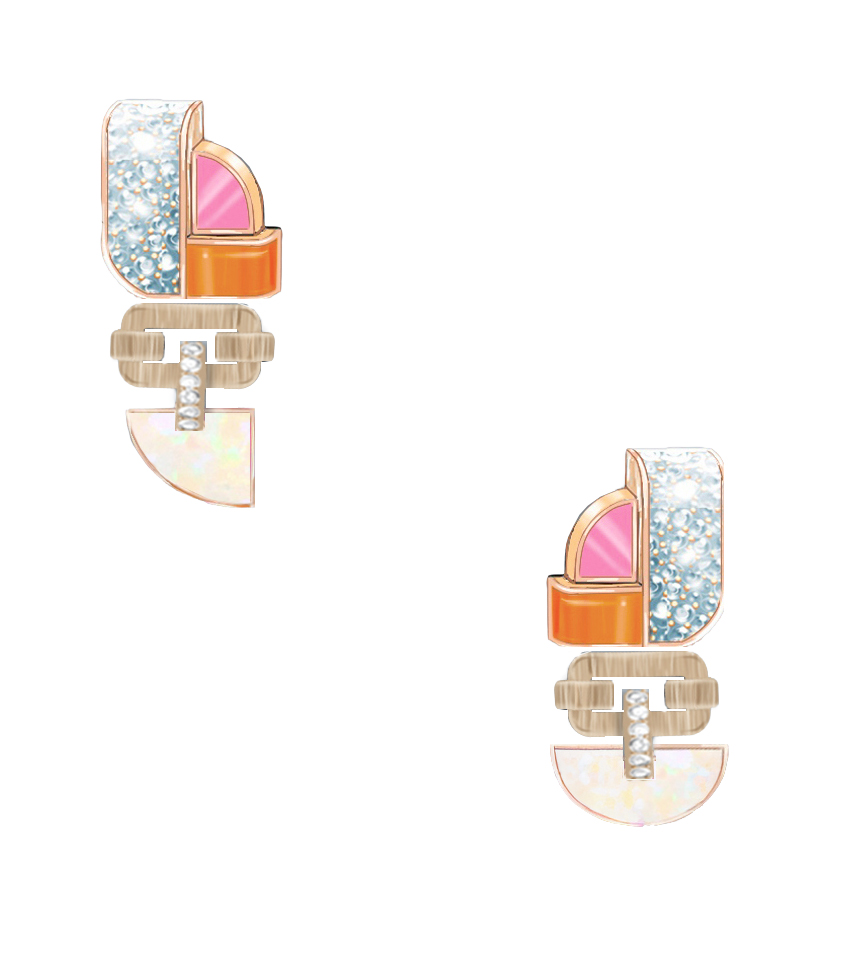
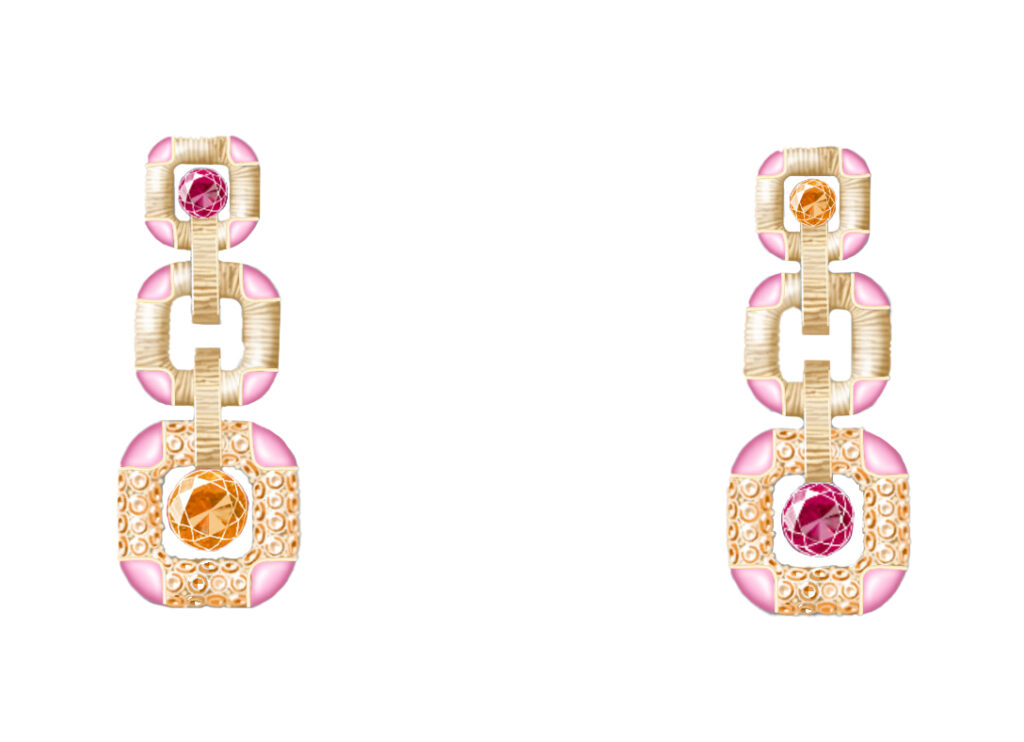
The collection’s most exuberant expression of colour arrives in the Gems Pop set, a five‑piece tribute to the Memphis art movement of the 1980s. Here, Piaget embraces bold contrasts: the orange glow of mandarin garnets and aventurine collides with the playful pink of sapphires, thulite and gold. White opal provides a luminous counterpoint, softening the intensity without diminishing the vibrancy. The sautoir, composed of Decor Palace gold links, culminates in a detachable pendant watch with an asymmetrical silhouette. Its orange aventurine dial is crowned with an 8.30‑carat mandarin garnet and a 3.54‑carat pink sapphire, creating a joyful, almost pop‑art effect. A sculptural ring completes the set, framing an 8.53‑carat garnet with slices of opal, thulite and aventurine arranged like a chromatic mosaic.
Across all sixty‑five creations, Colours of Extraleganza – Chapter 1 demonstrates Piaget’s unparalleled ability to blend craftsmanship, creativity and emotion. The collection feels like a celebration of everything the Maison stands for: its heritage of innovation, its love of bold aesthetics, its mastery of gold and gemstones, and its belief that jewellery should be a source of joy. As the final chapter in the Extraleganza trilogy, it brings the narrative to a spectacular close, yet it also signals a future in which colour will continue to shape Piaget’s artistic language with the same extravagance and elegance that have defined the Maison for more than a century.
Share this article
LEAVE A COMMENT
You must be logged in to post a comment.