



BOVET celebrates Bicentenary of Edouard Bovet’s Arrival in China


In the space of twenty years, the visionary Edouard Bovet and his brothers established the success of their Maison, built on the burgeoning trade with China.
FROM LONDON TO CANTON
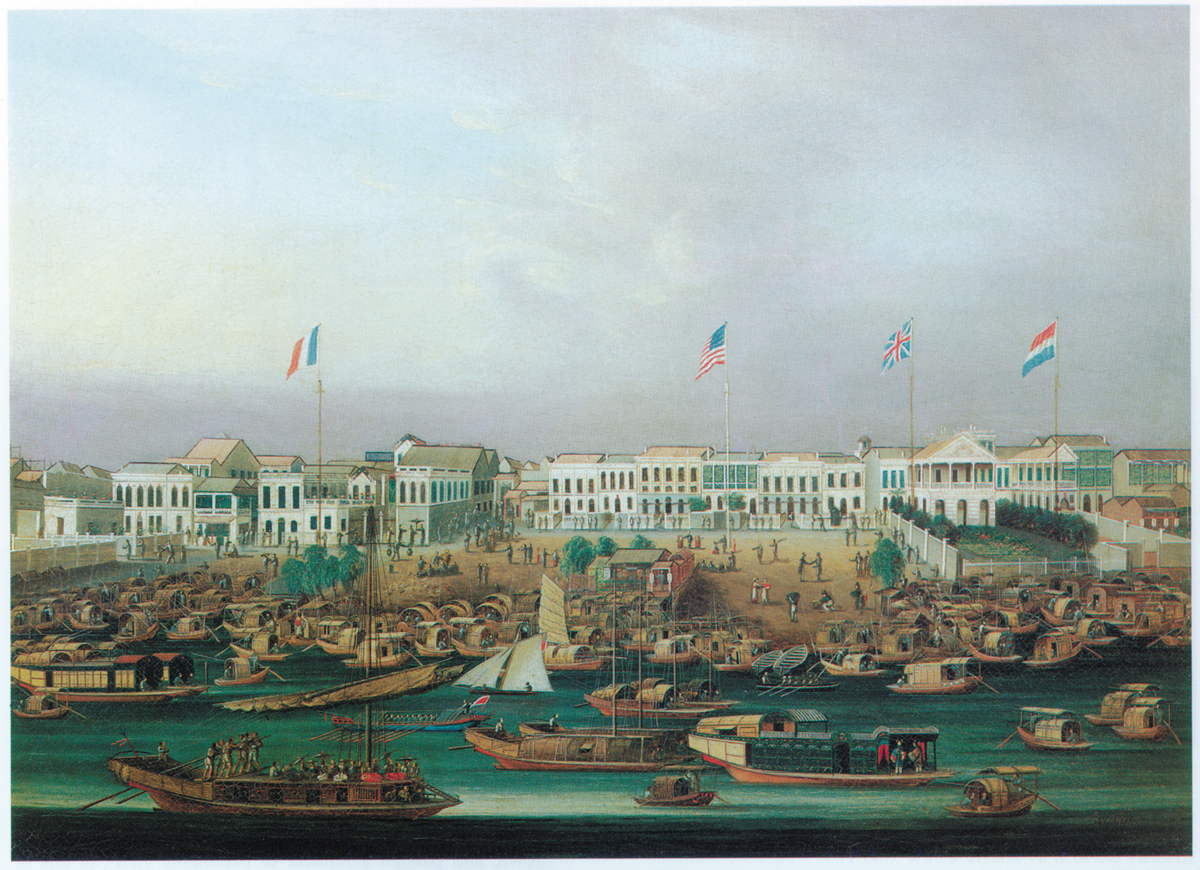
The watchmaker Edouard Bovet left his home village of Fleurier with his brothers Alphonse and Frédéric in 1814, heading for London, which was at the time a major trading center for European watchmaking.
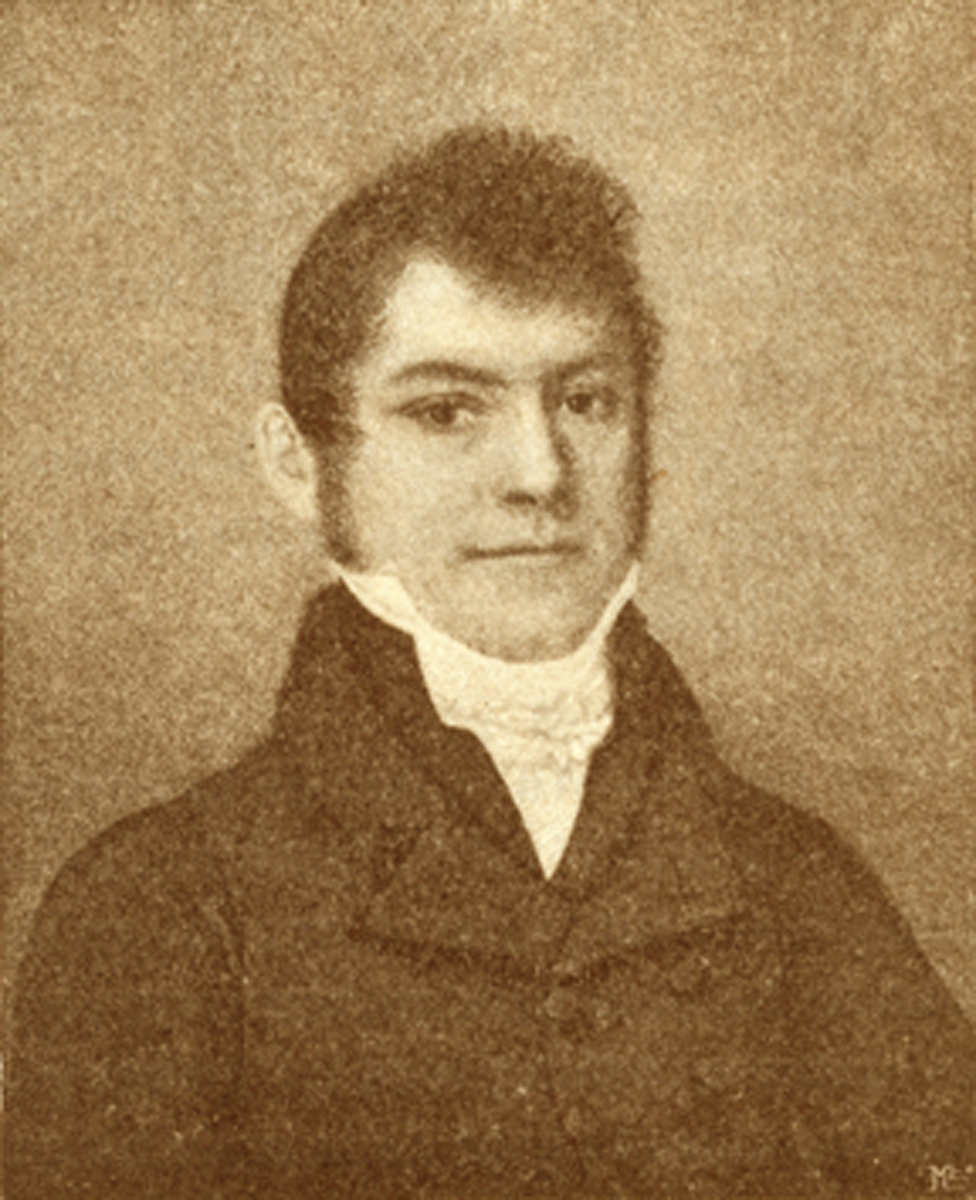
In 1818, aged 21, Edouard Bovet left for China as the representative of an English trader. He left London on April 20th on board the Orwell, a ship belonging to the East India Company, arriving on August 16th in Canton, the obligatory point of entry for merchandise arriving from Europe. He quickly sold four pocket watches for the sum of 10,000 Swiss francs, the equivalent of one million francs today. Realizing the exceptional potential of the Chinese market, Edouard founded the Maison BOVET in 1822, with his brothers Frédéric and Alphonse, Gustave and Charles. Their business extended from Fleurier, where the pocket watches were made, to London, the hub of commercial exchange, and Canton, where Bovet timepieces were sold.
THE CHINESE WATCH
For a long time, the Chinese were fond of decorative and ornamental clocks in a diverse range of forms. Their interest evolved with the arrival of pocket watches. With their “Chinese watches,” the BOVET brothers established a form of watchmaking that took the horological arts to new heights. The movements were more richly decorated and the cases were gold or gold-plated. Their bezels and occasionally the bows were often set with half pearls. The cover could be decorated with miniature painting, sometimes an enameled motif. This led the Bovet brothers to commission the great painters and enamelers of Geneva to create exceptional works, typically depicting a pastoral scene, animals or people.
Another feature of this “Chinese watch” is that it is sold in pairs and the enamel motifs on the two watches are identical but in mirror image.
“BO WEI”
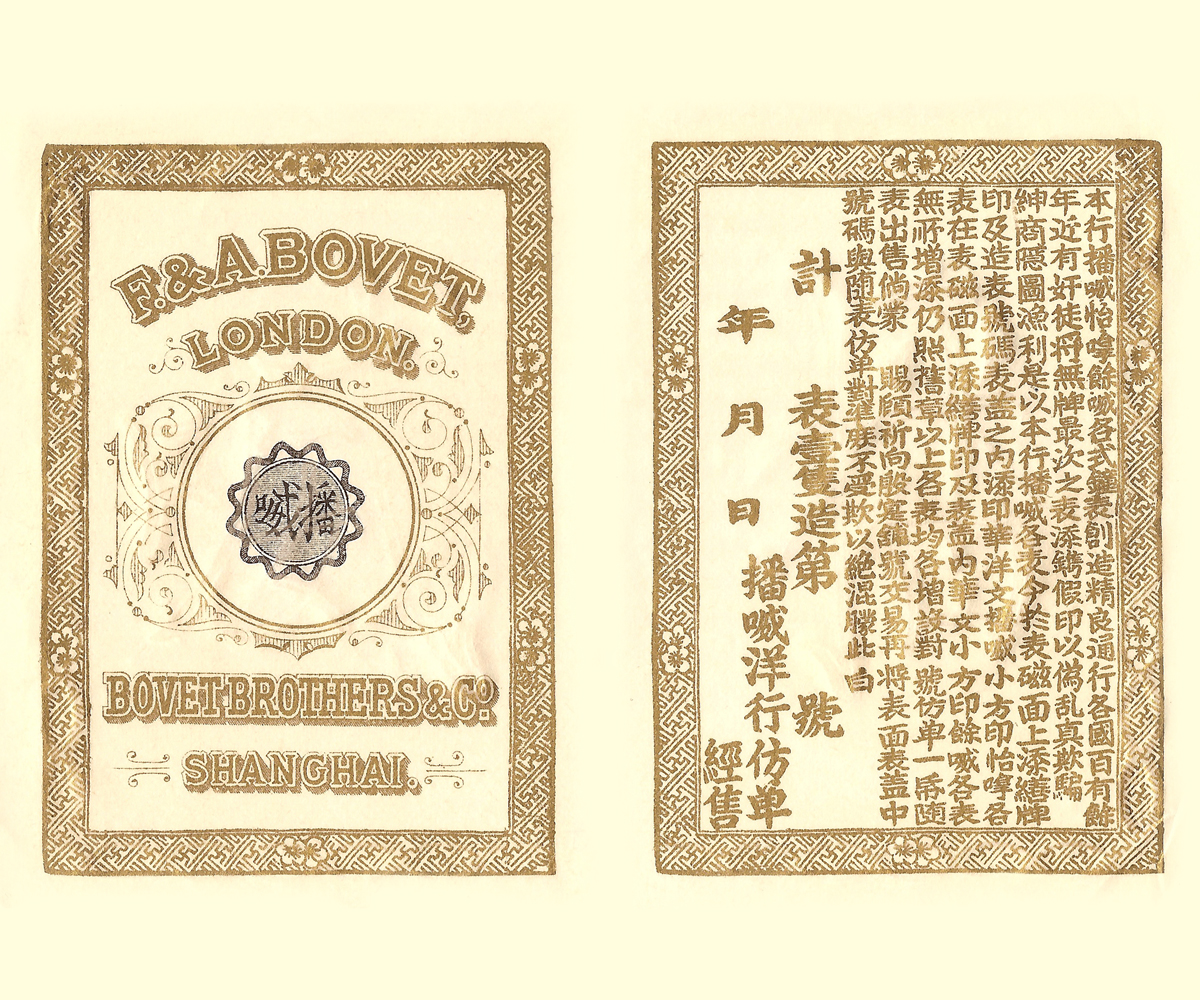
The movements were engraved with traditional Chinese motifs such as volutes and the Fleurisanne pattern, while others were mirror-polished or set with flowers carved from gold. The firm also adopted three Chinese symbols – the lotus flower, an incense burner, and a vase – as its watches’ distinctive signature. The most emblematic of these is the stylized lotus flower, which today adorns the movements of the Maison BOVET.
Dominating the Swiss watchmaking trade in the “Celestial Empire” for several centuries, the Bovet brothers were nicknamed the “Bovets of China”. A street in the village of Fleurier still bears the name of this dynasty today.
Having made his fortune in China and provided work for 175 artisans in Val-de-Travers, Edouard Bovet returned to Fleurier in 1830, accompanied by his young son Edouard-Georges. They set up home in a house known as the “Palais chinois” built by Edouard Bovet. Today this building serves as the town hall.
1818 – 2018
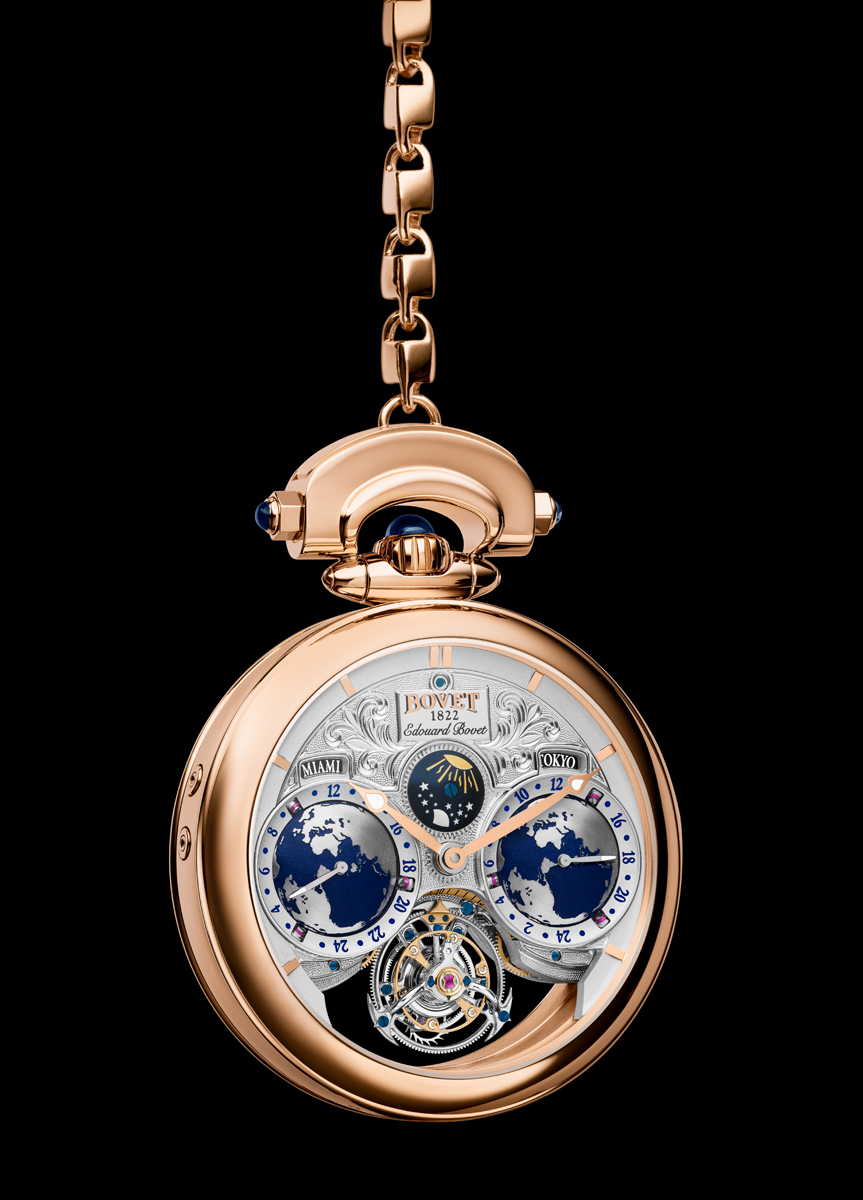
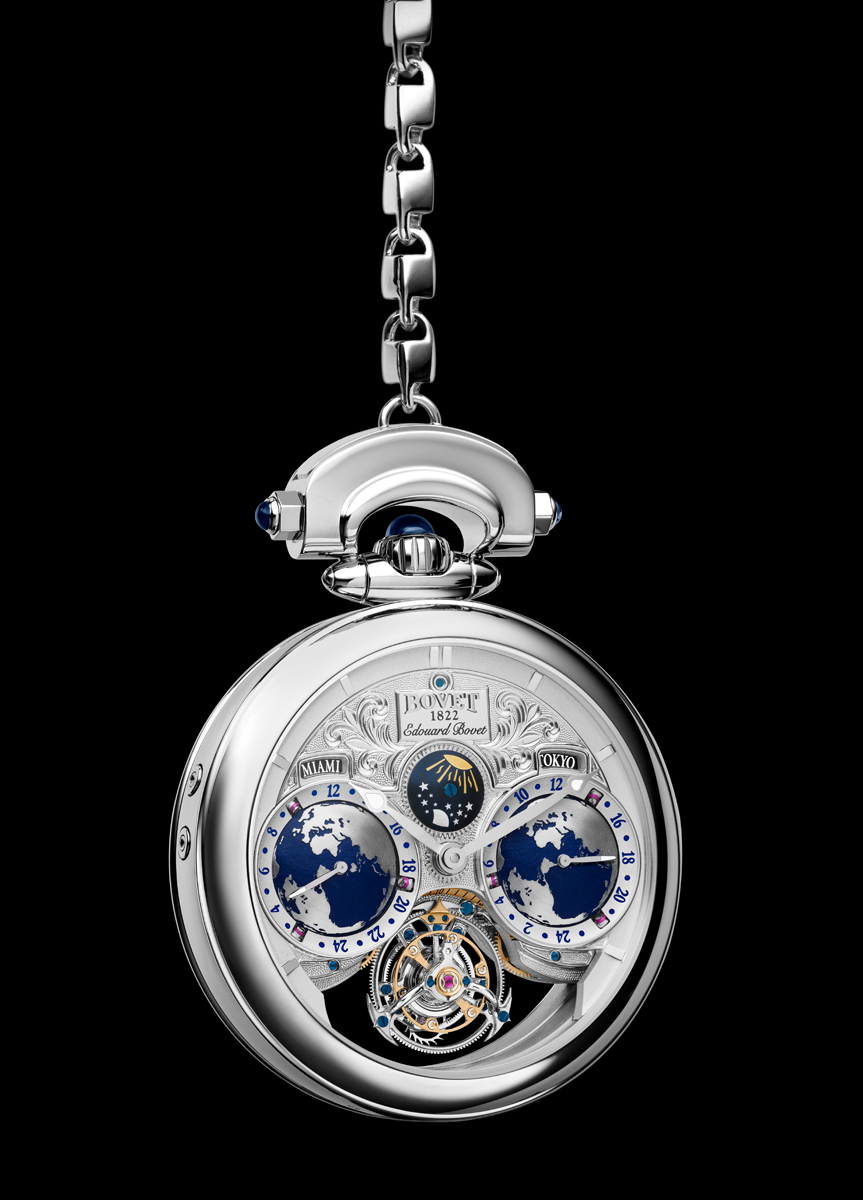
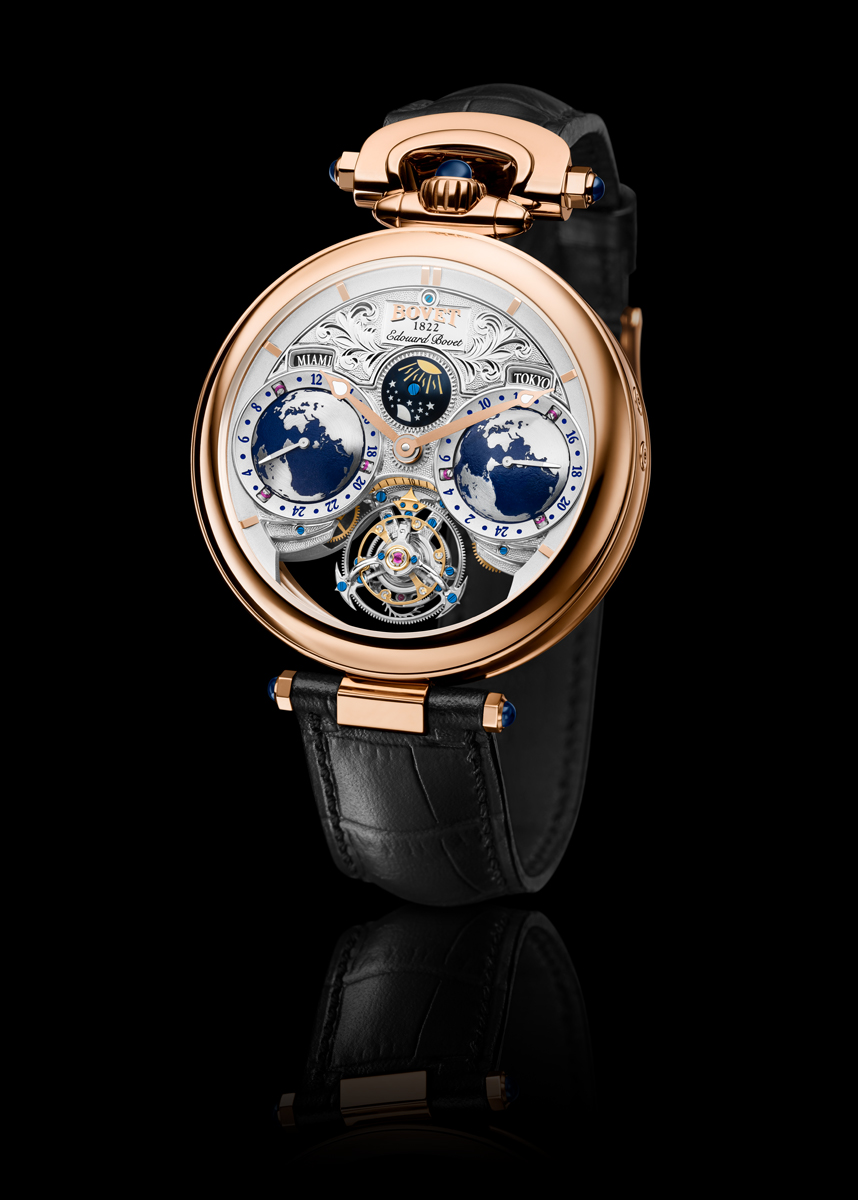
To commemorate the bicentenary of Edouard Bovet’s arrival in China, Pascal Raffy and the Manufactures’ artisans naturally chose to develop a timepiece dedicated to the world of travel – the Edouard Bovet Tourbillon presents a triple time zone with hemispherical maps of the Earth, reverse-fitted hands to display the time on both sides of the movement, and a power reserve of ten days. This manufacture caliber is housed in the emblematic Amadéo convertible case. Patented in 2010, the Amadéo system transforms a timepiece into a reversible wristwatch, table clock, or pocket watch without the need for tools.
Share this article



LEAVE A COMMENT
You must be logged in to post a comment.